Categories
News - Photography

Paris Photo 2025 : Photography Through the Lens of the Contemporary World

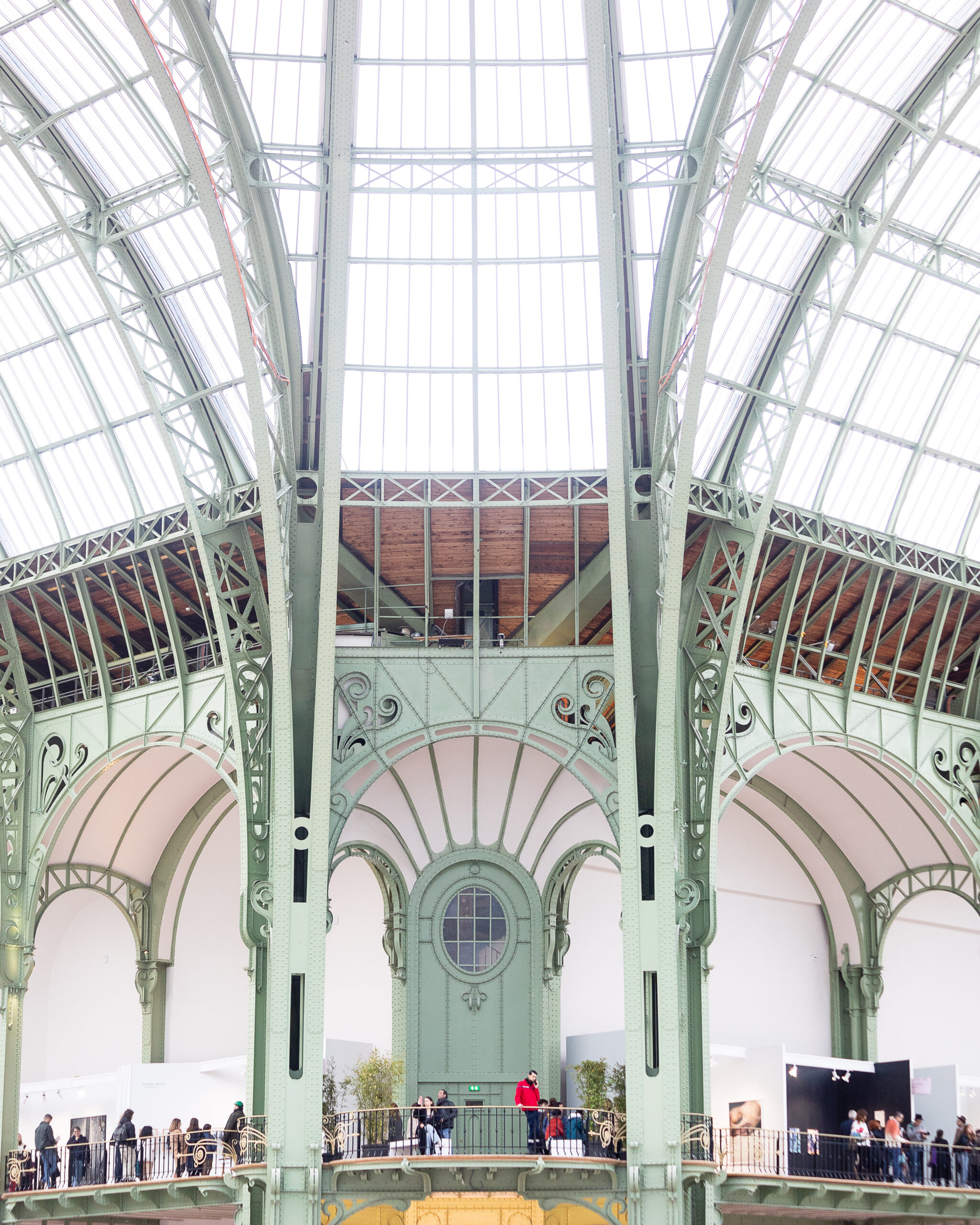
Vue d’ensemble de Paris Photo 2025 au Grand Palais – foire internationale de la photographie contemporaine article dans art mag
Grégoire Grange

A Triumphant Return to the Grand Palais

From November 13 to 16, 2025, Paris Photo celebrates its 28th edition with 222 exhibitors from 33 countries. Under the direction of Florence Bourgeois and Anna Planas, the fair asserts itself as the world’s leading event for photography and the image. Between history and avant-garde, it offers a panorama where memory, vision, and innovation engage in constant dialogue.
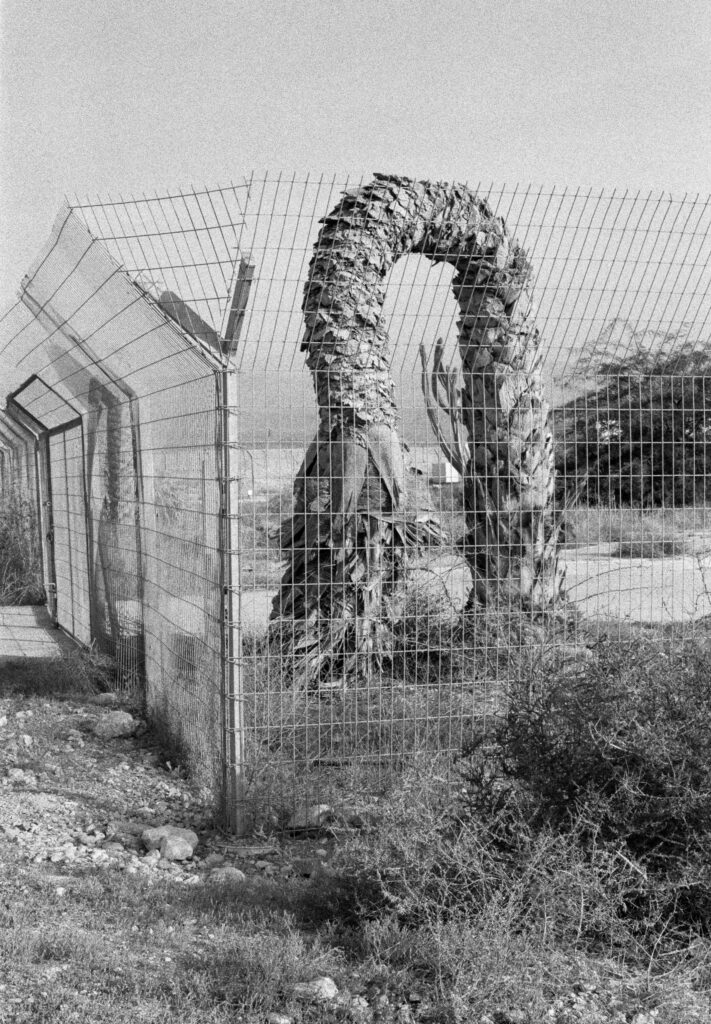
Photograph Pont Allenby 2 (2016) by Sophie Ristelhueber – a border landscape steeped in history, reflecting on war and the human trace, presented by Galerie Poggiali. pubished by Art Mag
Pont Allenby #2 (2016), Sophie Ristelhueber – Galerie Poggi – Winner of the 2025 Hasselblad Award

Five Movements of Vision

The fair unfolds through five sectors: Main, Voices, Digital, Emergence, and Publishers.
In the Main sector, established masters meet contemporary explorers of the medium: Sophie Ristelhueber presents a monumental 36-meter-long installation, while Adrian Sauer questions the materiality of the image.
Curators Devika Singh and Nadine Wietlisbach infuse Voices with a reflection on landscape and kinship — two themes that weave photography into the fabric of the real.

Home Song (2020–25) by Torbjørn Rødland – an intimate and unsettling scene blending tenderness and tension, presented by Galerie Eva Presenhuber at Paris Photo 2025. Published by Art Mag
Home Song (2020–25), Torbjørn Rødland – Galerie Eva Presenhuber, Zurich – Digital Sector

When the Image Becomes Data

Curated by Nina Roehrs, the Digital sector explores the era of augmented reality: artists such as Kevin Abosch and Cole Sternberg (for the Giga – UNICEF project) investigate connectivity and digital memory.
Here, photography expands — it becomes data, trace, and consciousness.

Black and white photograph by Bérangère Fromont from the series République (2024), exhibited at Paris Photo 2025 – a sensitive exploration of the intimate and the political. Published by ART MAG.
République (2024), Bérangère Fromont – Galerie Bacqueville – Voices Sector, curated by Devika Singh

Emerging Talents and Transmission

On the balconies of the Grand Palais, the Emergence sector unveils twenty artists of the new generation: Marine Lanier, Atong Atem, Camila Falquez, and Sylvie Bonnot among them.
French artist Marine Lanier receives the 2025 Maison Ruinart Prize for her series Alchimia, a poetic tale about life and the cycles of nature.
This same spirit of transmission resonates in Le Labo, a life-size model of an analog laboratory, and in the Cnap exhibition Faire Familles / Making Families, dedicated to the metamorphoses of kinship.

Support independent publishing! Subscribe to ART MAG and receive each issue in preview, in both print and digital versions.
👉 Subscribe to 6 issues / 1 year
👉 Give ART MAG as a gift

Elles × Paris Photo: The Power of the Female Gaze

Directed this year by Devrim Bayar, the Elles × Paris Photo program examines the relationship between figure and setting, presence and erasure.
Since its launch in 2018, the share of women photographers has risen from 20% to 39% in seven years — a tangible, vital evolution in a visual world long shaped by the male gaze.

Untitled (Acrobacia), 2012, by Rosângela Rennó – black-and-white photograph evoking memory and the fragility of the body, exhibited at Paris Photo 2025. Published by ART MAG.
Untitled (acrobacia) (2012), Rosângela Rennó – Collection Estrellita B. Brodsky – Exhibition The Last Photo

Memory Under Pressure: The Last Photo

Presented for the first time in Europe, The Last Photo — the collection of Estrellita B. Brodsky — brings together more than sixty Latin American works, from Diane Arbus to Vik Muniz.
This manifesto-exhibition symbolically marks the end of the analog era and opens a reflection on the contemporary instability of the image — now fluid, replicated, shared, sometimes erased.

A World of Photography

More than a fair, Paris Photo 2025 is a laboratory of vision.
Beneath the glass roof of the Grand Palais, the image ceases to be a mere trace: it becomes a critical and universal language, a shifting mirror of a world in search of meaning.
Between the visible and the invisible, the tangible and the virtual, photography here reclaims its true vocation: to illuminate, to connect, to think.

Support independent publishing! Subscribe to ART MAG and receive each issue in preview, in both print and digital versions.
👉 Subscribe to 6 issues / 1 year
👉 Give ART MAG as a gift

FAQ Paris Photo 2025 (dates, artists, practical information)

What is Paris Photo?

Paris Photo is the largest international fair dedicated to photography and contemporary image-making. Each year, it brings together galleries, publishers, and artists from around the world at the Grand Palais. In 2025, the event celebrates its 28th edition, featuring 222 exhibitors from 33 countries.

When and where does Paris Photo 2025 take place?

The 2025 edition will be held from November 13 to 16, 2025, at the Grand Palais in Paris. This long-awaited return follows several years of renovation, reopening in a renewed space where historic galleries and emerging scenes converge.

Which artists and projects can be discovered this year?

Among the highlights:
Sophie Ristelhueber, winner of the Hasselblad Award, with a monumental installation;
Marine Lanier, recipient of the 2025 Maison Ruinart Prize, for her poetic series Alchimia;
The exhibition The Last Photo, from the Estrellita B. Brodsky Collection;
The Voices and Elles × Paris Photo programs, celebrating diversity and the role of women in contemporary creation.

Why visit Paris Photo 2025?

Because this edition shines a light on photography in all its dimensions — analog, digital, experimental, social, and political.
Beneath the glass roof of the Grand Palais, Paris Photo 2025 is more than a fair: it is a laboratory of ideas, a place of transmission and critical reflection on our world.vue du grand palais
Support independent publishing! Subscribe to ART MAG and receive each issue in preview, in both print and digital versions.
👉 Subscribe to 6 issues / 1 year
👉 Give ART MAG as a gift
Categories
News

Studio Marie-Claude Beaud, the new benchmark auditorium for contemporary art in Paris

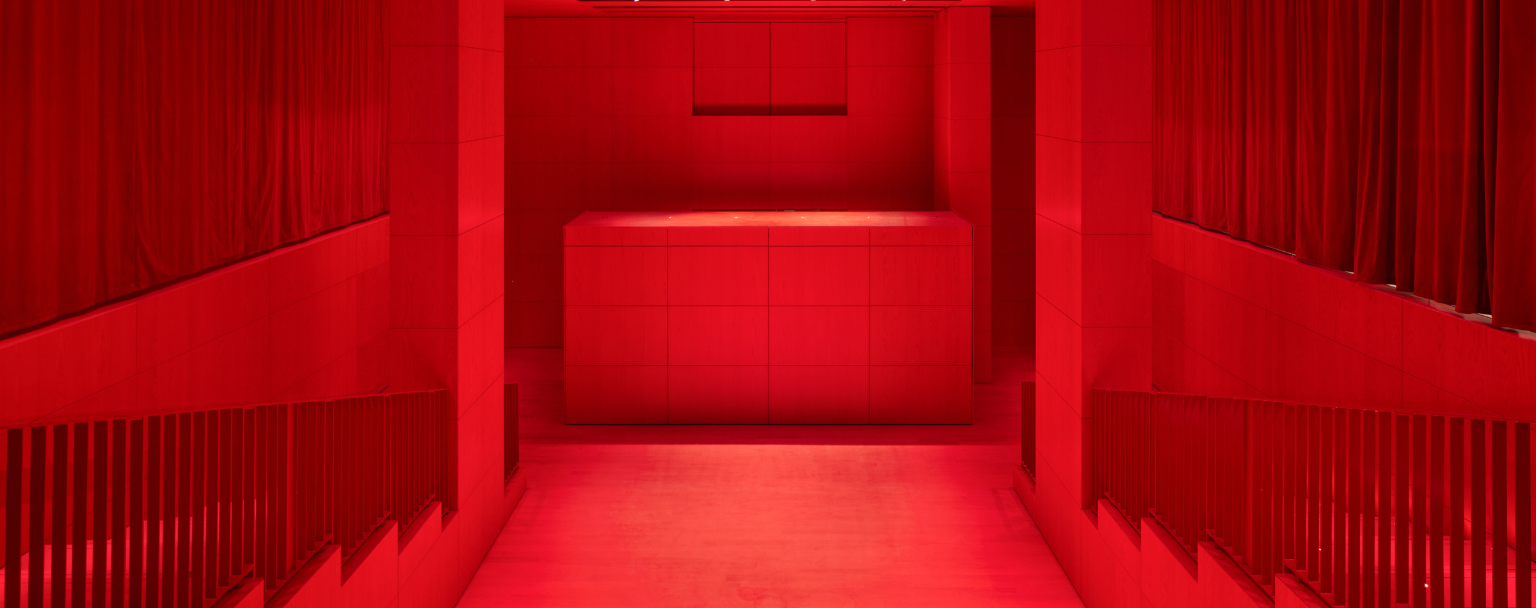
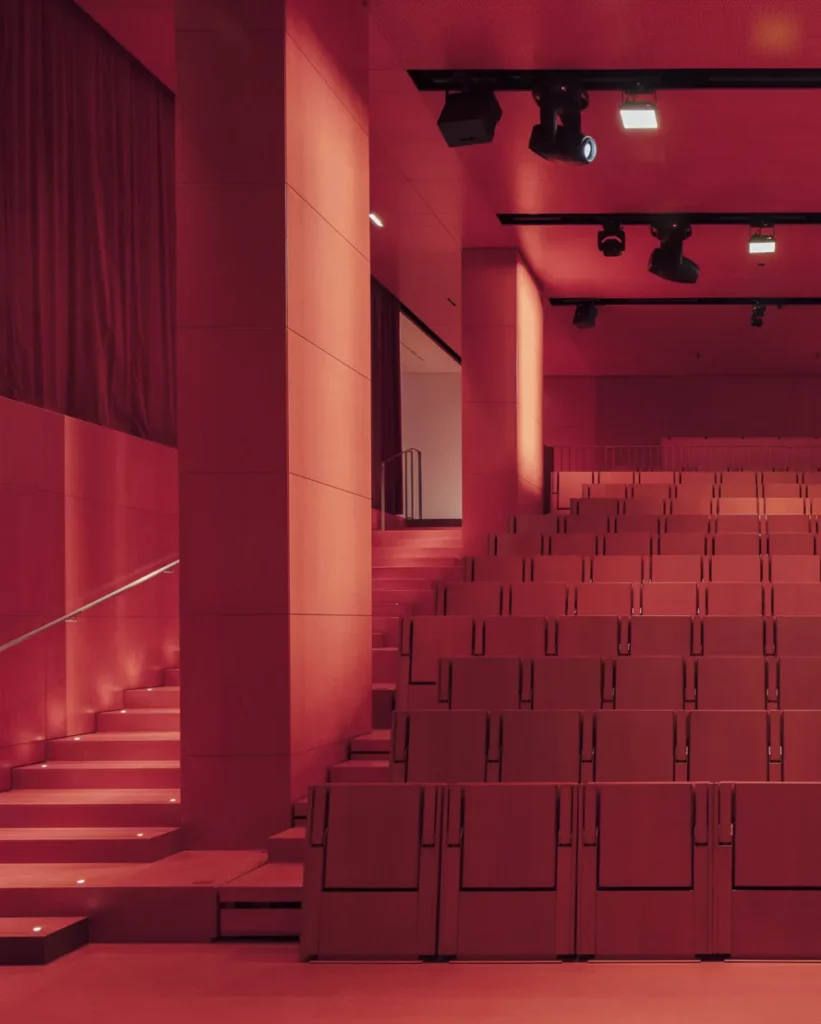
Intérieur du Studio Marie-Claude Beaud au Palais-Royal, auditorium de 110 places du nouveau bâtiment de la Fondation Cartier conçu par Jean Nouvel, baigné d’une lumière rouge immersive et dédié aux arts vivants, projections et rencontres.
La Fondation Cartier pour l’art contemporain, 2 place du Palais-Royal, Paris. © Jean Nouvel / ADAGP, Paris, 2025.
Martin Argyroglo

The Studio Marie-Claude Beaud is part of the newly-built Fondation Cartier pour l’art contemporain.
It was inaugurated in October 2025 at the Palais‑Royal.
The building was designed by architect Jean Nouvel.

This auditorium has 110 seats.
Its purpose is clear: to host live artistic formats.
The venue supports performances, film projections, debates, public readings, and artist conversations.

A museum built for dialogue

The studio honors pioneer Marie-Claude Beaud (1946–2021).
She reshaped cultural institutions by integrating cross-disciplinary approaches.
Thanks to her work, design, video art, fashion, cinema, and science entered museum spaces.
She believed museums must generate conversation, not only display art.

A modular architectural feat

The building spans 8,500 m² open to visitors.
6,500 m² are dedicated to exhibitions.
Five movable steel platforms allow the space to transform.
This creates a spectacular but adaptable environment for art and scenography.

Here, architecture reaches upward with light and vertical structures.
The Studio Marie-Claude Beaud provides the balance.
It slows the pace, brings audiences closer, and makes art personal.
It is a space to listen.
A space to exchange ideas.
A space where art is narrated, not just observed.

The heart of live cultural programming in 2025

The studio will anchor major cultural events in Paris, including:

  • talks between artists and curators,
  • exclusive film screenings,
  • contemporary art lectures,
  • debates connected to the inaugural exhibition General Exhibition,
  • hybrid evening programs blending visual arts, music, and performance.

The format responds to a growing public demand.
Audiences now seek live cultural experiences, not only static exhibitions.
This positions the studio as one of Paris’ most strategic new cultural venues for contemporary art.

Fondation Cartier for Contemporary Art, 2 Place du Palais-Royal, Paris. © Jean Nouvel / ADAGP, Paris, 2025. Photo © Martin Argyroglo.

The Studio Marie-Claude Beaud has redefined what an art auditorium can be in a major capital.
By placing artistic expression and conversation at the center, it opens a new cultural chapter for contemporary art in Paris.
It embodies a museum model that is closer to people, active, and built around shared experience.
A quieter space within a bold architectural framework, it ensures art is heard, narrated, debated, and lived.

Support independent publishing! Subscribe to ART MAG and receive each issue in advance, in both print and digital format
👉 Subcribe 6 issues / 1 year
👉 Offer ART MAG

FAQ

How many people can the auditorium accommodate?

110 seated guests.

What types of events take place here?

Performances, screenings, artist talks, lectures, panels, debates.

Where is the Studio Marie-Claude Beaud located?

Inside the new building of Fondation Cartier at the Palais-Royal in central Paris.

Categories
News

Studio Marie-Claude Beaud, the new benchmark auditorium for contemporary art in Paris

Intérieur du Studio Marie-Claude Beaud au Palais-Royal, auditorium de 110 places du nouveau bâtiment de la Fondation Cartier conçu par Jean Nouvel, baigné d’une lumière rouge immersive et dédié aux arts vivants, projections et rencontres.
La Fondation Cartier pour l’art contemporain, 2 place du Palais-Royal, Paris. © Jean Nouvel / ADAGP, Paris, 2025.
Martin Argyroglo

The Studio Marie-Claude Beaud is part of the newly-built Fondation Cartier pour l’art contemporain.
It was inaugurated in October 2025 at the Palais‑Royal.
The building was designed by architect Jean Nouvel.

This auditorium has 110 seats.
Its purpose is clear: to host live artistic formats.
The venue supports performances, film projections, debates, public readings, and artist conversations.

A museum built for dialogue

The studio honors pioneer Marie-Claude Beaud (1946–2021).
She reshaped cultural institutions by integrating cross-disciplinary approaches.
Thanks to her work, design, video art, fashion, cinema, and science entered museum spaces.
She believed museums must generate conversation, not only display art.

A modular architectural feat

The building spans 8,500 m² open to visitors.
6,500 m² are dedicated to exhibitions.
Five movable steel platforms allow the space to transform.
This creates a spectacular but adaptable environment for art and scenography.

Here, architecture reaches upward with light and vertical structures.
The Studio Marie-Claude Beaud provides the balance.
It slows the pace, brings audiences closer, and makes art personal.
It is a space to listen.
A space to exchange ideas.
A space where art is narrated, not just observed.

The heart of live cultural programming in 2025

The studio will anchor major cultural events in Paris, including:

  • talks between artists and curators,
  • exclusive film screenings,
  • contemporary art lectures,
  • debates connected to the inaugural exhibition General Exhibition,
  • hybrid evening programs blending visual arts, music, and performance.

The format responds to a growing public demand.
Audiences now seek live cultural experiences, not only static exhibitions.
This positions the studio as one of Paris’ most strategic new cultural venues for contemporary art.

studio marie claude Beaud auditorium de 110 place au coeur du Palais Royal
Fondation Cartier pour l’art contemporain, 2 Place du Palais-Royal, Paris
Crédits : © Jean Nouvel / ADAGP, Paris, 2025. Photo © Martin Argyroglo.

Support independent publishing! Subscribe to ART MAG and receive each issue in advance, in both print and digital format
👉 Subcribe 6 issues / 1 year
👉 Offer ART MAG

How many people can the auditorium accommodate?

110 seated guests.

What types of events take place here?

Performances, screenings, artist talks, lectures, panels, debates.

Where is the Studio Marie-Claude Beaud located?

Inside the new building of Fondation Cartier at the Palais-Royal in central Paris.

Categories
News

Jean Nouvel Reinvents the Fondation Cartier at the Palais-Royal

Facade de la Fondation Cartier au Palais royal Architecte Jean Nouvel
Martin Argyroglo

A New Architectural Icon in the Heart of Paris

Behind the classical stone façade of 2 Place du Palais-Royal, Jean Nouvel has designed one of the most ambitious museum transformations in Europe.
What appears from the outside as a refined Haussmannian building conceals a living, moving structure — an architectural organism made of steel, light and void.

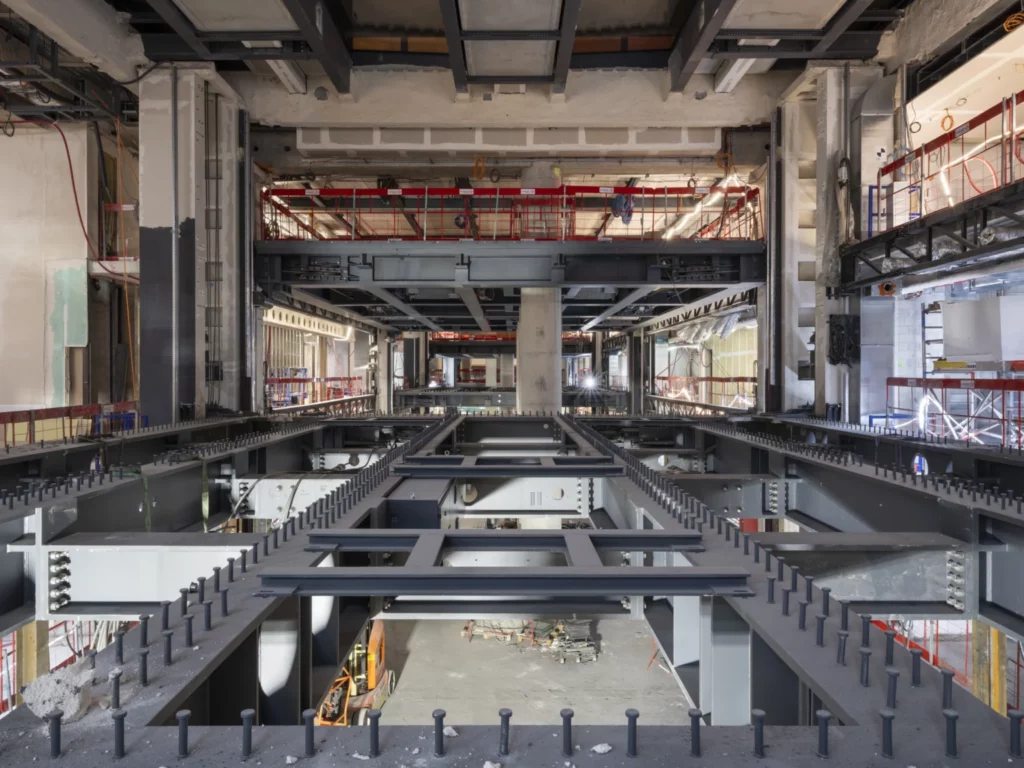
The latest images reveal what visitors may never witness directly: the monumental, exposed skeleton of the future Fondation Cartier, engineered to adapt, transform and breathe.

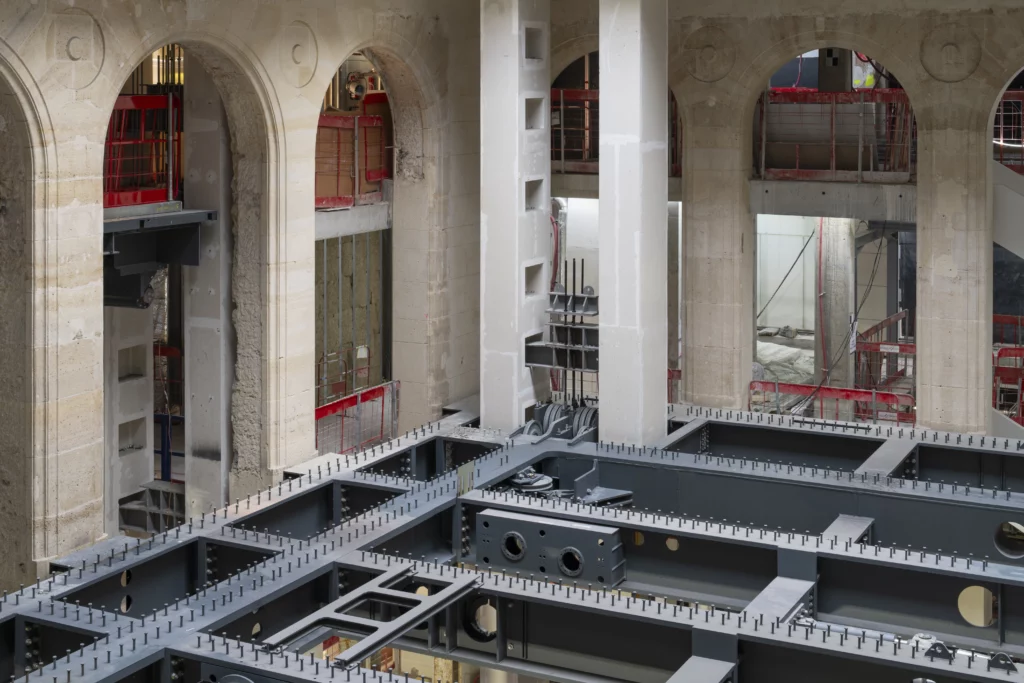
Interior view of the construction site of the Fondation Cartier at the Palais-Royal, revealing the monumental steel framework designed by Jean Nouvel — an architecture in motion at the heart of Paris. Photo © Martin Argyroglo

Inside the Monumental Steel Framework

Beneath the restored 19th-century arches, the interior unfolds like an industrial cathedral.
Suspended steel platforms float between pillars.
Every cable, beam and joint contributes to the silent choreography shaping the future museum.

Stone meets metal.
Weight meets flexibility.
Heritage meets mechanics.

Nouvel turns the former Louvre des Antiquaires into a raw, poetic machine — a building that exposes its anatomy as an artistic gesture.

View of the glass ceiling and adjustable walkways of the Fondation Cartier at the Palais-Royal, where Jean Nouvel orchestrates a dynamic play of light and space. Photo © Martin Argyroglo

Light, Movement and the Architecture of the Future

Nouvel did not rebuild a museum — he carved out an active void.
Light travels across steel surfaces, brushing raw pillars and slipping under glass ceilings.

At the heart of the design lies a radical idea:
the building is an instrument of perception.
A sculptural device revealing the sky, the material and the movement within.

Support independent publishing! Subscribe to ART MAG and receive each issue in advance, in both print and digital format
👉 Subcribe 6 issues / 1 year
👉 Offer ART MAG

View of the glass ceiling and adjustable walkways of the Fondation Cartier at the Palais-Royal, where Jean Nouvel orchestrates a dynamic play of light and space. Photo © Martin Argyroglo

Five Mobile Platforms: A World First

The Fondation Cartier becomes a transformable space composed of five massive steel platforms — machines capable of rising and descending to eleven different heights.

This allows the museum to reinvent its architecture for every exhibition, performance or installation:

  • monumental sculptures
  • theatre-based works
  • immersive environments
  • sensitive, intimate pieces

The building is no longer fixed; it responds to the art it hosts.

La Fondation Cartier pour l’art contemporain, 2 place du Palais-Royal, Paris.
© Jean Nouvel / ADAGP, Paris, 2025. Photo © Martin Argyroglo

An Industrial Cathedral Hidden Behind Haussmann Stone

Behind its discreet Parisian façade, the Fondation Cartier reveals a vast interior nave, illuminated by natural light visible from Rue de Rivoli.
The newly built volumes are crossed by bridges, vertical shafts of light, and suspended platforms that recall the rigging of a theatre.

Nouvel merges past and present into a single architectural gesture:
a cathedral of industry, tailored for contemporary art.

A Museum Designed to Evolve With Art

As the construction phase transitions toward completion, the industrial rigor softens: the glass roofs clear, the golden arches shine, and verticality returns.

Nouvel signs a manifesto for the museums of the 21st century:
a structure that adapts to artists, responds to exhibitions, and reshapes itself with the city.

Fondation Cartier pour l’art contemporain, 2 Place du Palais-Royal, Paris. © Jean Nouvel / ADAGP, Paris, 2025. Photo © Martin Argyroglo

A New Space for Encounters

The building also includes the Studio Marie-Claude Beaud, a 110-seat auditorium designed for talks, screenings and performances — extending the Fondation’s mission of dialogue between artists, curators and audiences.

👉 Read more in ART MAG: our focus on the Studio Marie-Claude Beaud

Practical Information

📍 Fondation Cartier pour l’art contemporain
2, Place du Palais-Royal, Paris 1st
🗓️ Opening: October 2025
🎨 Inaugural exhibition: Exposition Générale

👉 Read in ART MAG: Exposition Générale, the grand opening of the Fondation Cartier.

Support independent publishing! Subscribe to ART MAG and receive each issue in advance, in both print and digital format
👉 Subcribe 6 issues / 1 year
👉 Offer ART MAG

FAQ – Fondation Cartier Palais-Royal & Jean Nouvel’s Architecture

When does the new Fondation Cartier open?

In October 2025, at 2 Place du Palais-Royal, Paris 1st, facing the Louvre.
The inaugural exhibition Exposition Générale will present major works from forty years of contemporary creation.

Who designed the new building?

The architecture is by Jean Nouvel, renowned for the Louvre Abu Dhabi and the original Fondation Cartier building on Boulevard Raspail (1994).
He transformed the former Louvre des Antiquaires into a living, light-driven, transformable space.

What makes the project unique?

Its five movable steel platforms — a groundbreaking engineering system allowing infinitely variable exhibition layouts.

Why did the Fondation Cartier leave Boulevard Raspail?

To expand its capacity, scale, and architectural flexibility.
The Palais-Royal location offers a larger, more adaptable space at the heart of Paris.

How large is the building?

8,500 m² open to the public, including 6,500 m² of exhibition space, plus a bookstore, restaurant, auditorium and a 300 m² educational workshop (La Manufacture).

How does this architecture stand out in Paris?

By merging a 19th-century façade with a contemporary industrial core — a monumental, luminous interior visible from Rue de Rivoli.

Why is this project a turning point for Jean Nouvel?

Because it condenses his philosophy:
“We do not build a space; we build within space.”
It continues his vision of museums as emotional instruments, already seen in the Institut du Monde Arabe, the Quai Branly Museum and the Louvre Abu Dhabi.

What exhibitions will follow the opening?

The Fondation will host thematic exhibitions, performances, screenings, debates and cross-disciplinary projects linking art, science, architecture and live arts.

Where to follow Fondation Cartier updates?

On fondationcartier.com and the Fondation’s official social media.

Support independent publishing! Subscribe to ART MAG and receive each issue in advance, in both print and digital format
👉 Subcribe 6 issues / 1 year
👉 Offer ART MAG

Categories
Featured Artist - Painting - Women artists

Flo Muliardo, “Les Enfants Rois”: When Art Restores the Dignity of Childhood

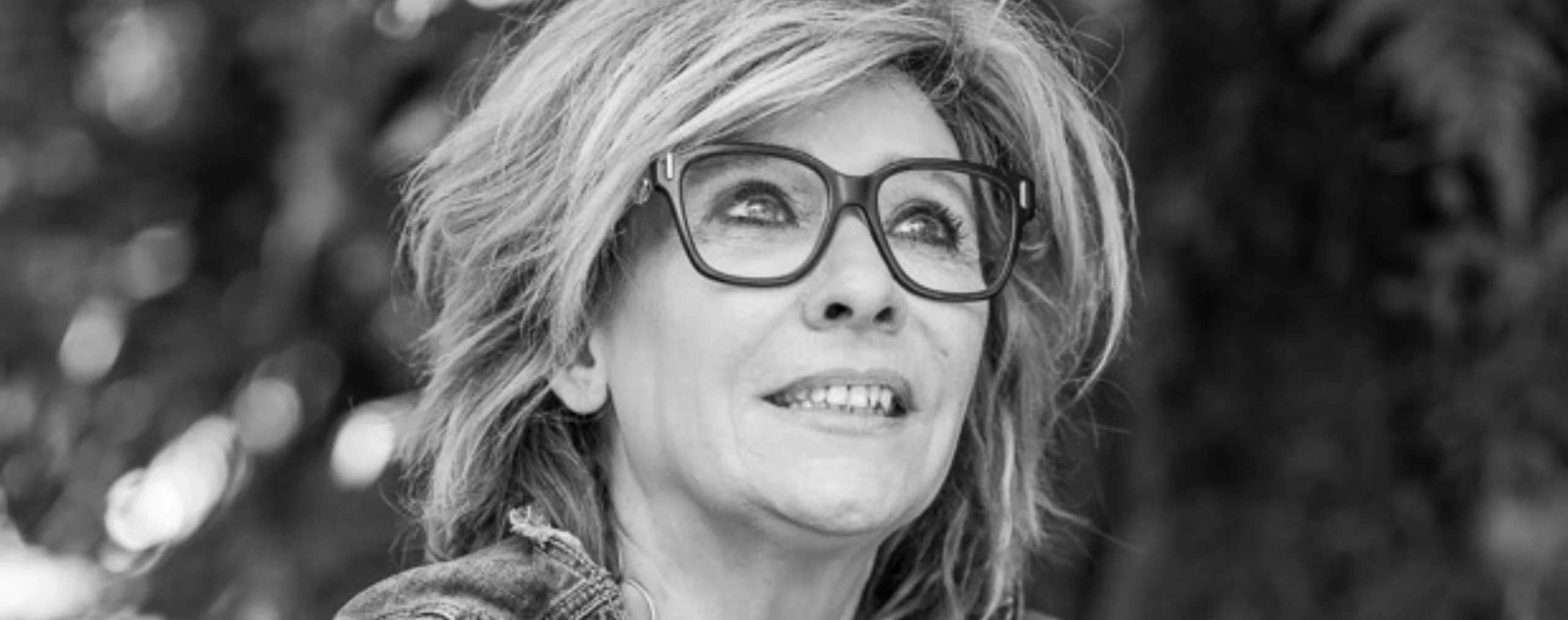
Portrait en noir et blanc de l’artiste contemporaine Flo Muliardo, regard tourné vers la lumière. Photographie illustrant son engagement auprès des enfants et la série Les Enfants Rois, présentée dans ART MAG.
Gilles Piel

Powerful portraits of children — not decorative ones

Crowns, bold colors, black outlines: in her series “Les Enfants Rois”, artist Flo Muliardo places the child at the center. Her paintings do not seek cuteness but dignity. Direct gazes, tight framing, vibrant backgrounds — everything is designed to create a true encounter.

👉 In ART MAG, she explains why she chose this frontal format and how drawing remains beneath the layers of paint.

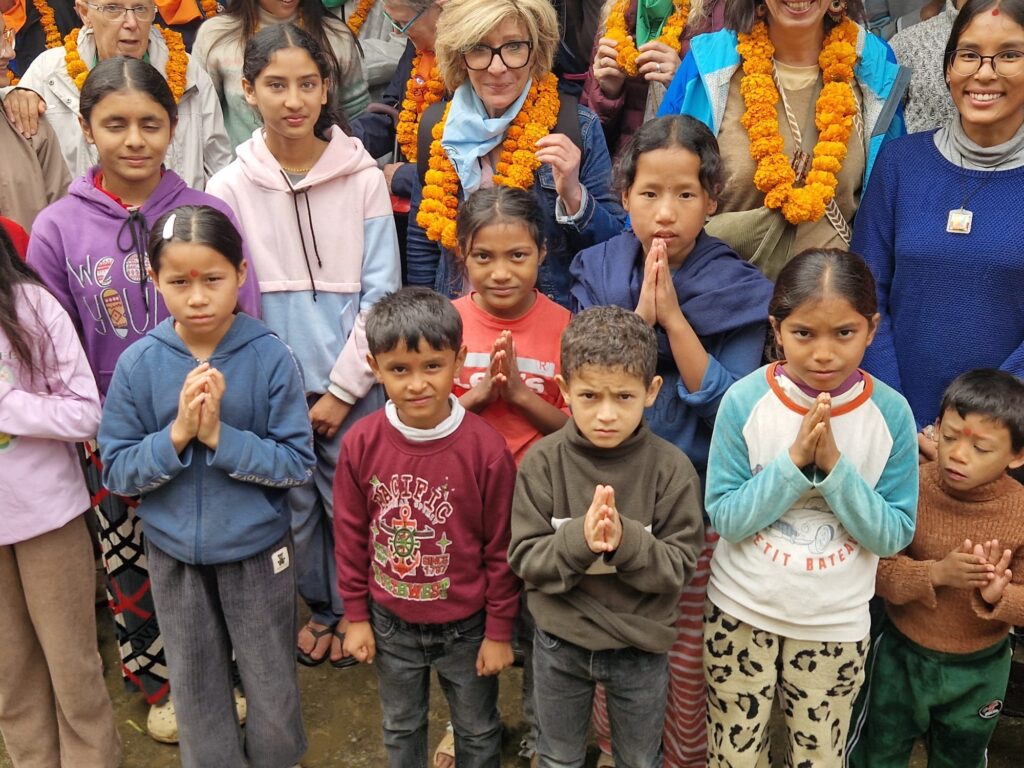
Flo Muliardo surrounded by children in Nepal during a visit with the association Les Enfants de Manasté. Photograph illustrating her human and artistic commitment for the series The Child Kings, featured in ART MAG.
Flo Muliardo surrounded by the children of the Namasté orphanage in Nepal

A journey to Nepal that nourishes her work

In November, Flo Muliardo will return to Nepal to work with the association Les Enfants de Namasté, which she has supported for several years. This month-long stay will allow her to paint “from life,” in close contact with the children.

👉 In the magazine, she reveals how this experience in the field directly shapes her pictorial series.

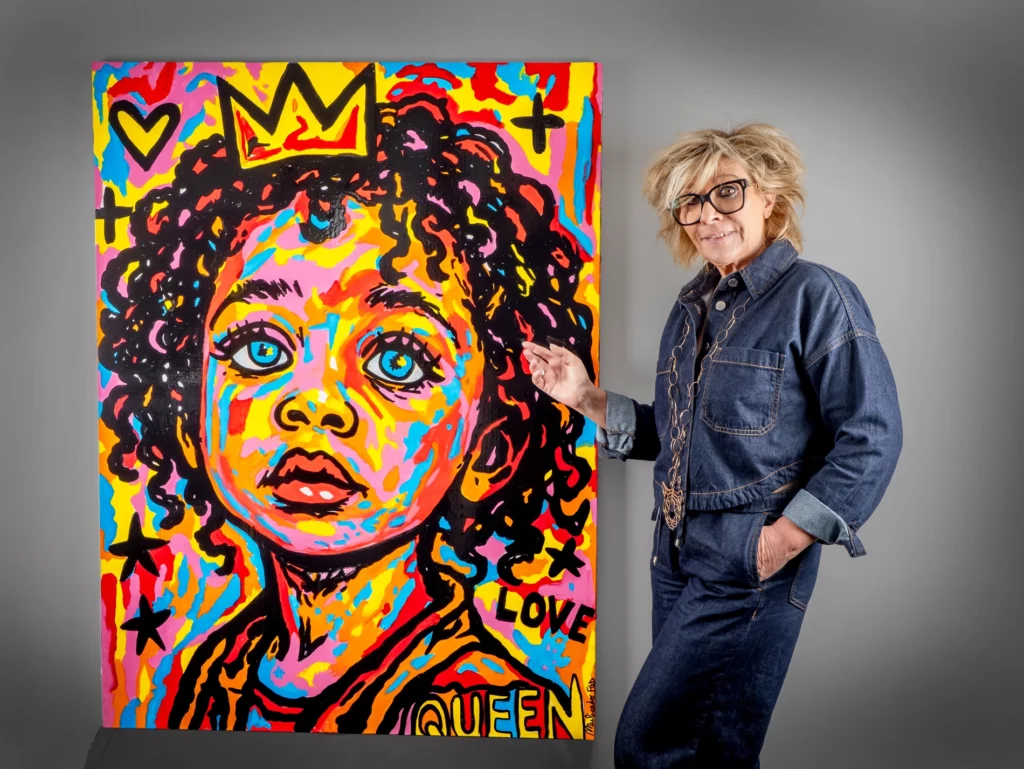
Artist Flo Muliardo poses beside one of her paintings from the series The Child Kings, depicting a young child with large blue eyes surrounded by vivid, contrasting colors — red, yellow, pink, and blue — crowned with the golden words LOVE and QUEEN. The scene reflects the artist’s expressive and colorful universe, celebrating the dignity and strength of childhood. ART MAG.
Flo Muliardo – 2025 © Gilles Piel

Crowns, tattoos, colors — a visual language

Crowns (a nod to Basquiat), tattoos, and a bright palette (pink, orange, blue) frequently appear in her work. These are not graphic effects — they are identity markers.

👉 Their origin, their intimate meaning, and their connection to her personal story are explored in detail in the full article in ART MAG.

A more intimate story emerges

Behind these proud portraits of children lies something deeply personal, which the artist evokes with great modesty. She does not display it on social media — and neither do we.
That discretion gives the series its truth: painting childhood as something to be protected.

👉 This emotional dimension is revealed only in the full version published in ART MAG.

Why we’re talking about it in ART MAG

Because this series coincides with her departure for Nepal, because it unites creation and commitment, and because it questions how we represent children today.
It’s a clear, essential, and contemporary body of work.

📩 Find the full article, exclusive interview, and visuals in ART MAG n°29.

Want to see more ?
👉 Order ART MAG N°29
👉 Subscribe to 6 issues / 1 year
👉 Give ART MAG as a gift
Categories
Inside the Art Market - News

Behind the Scenes of the Art Market: Understanding Art Pricing

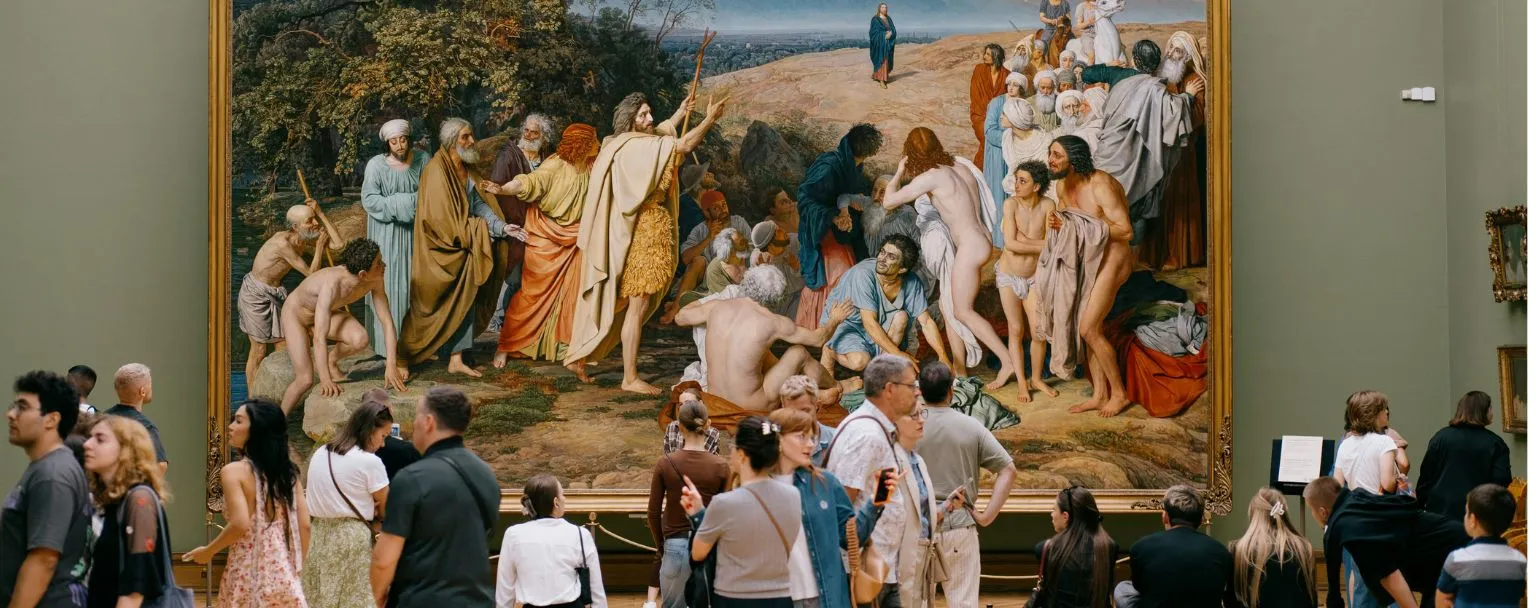
Visiteurs observant une grande peinture dans un musée – illustration du dossier sur la cotation des artistes et la valeur des œuvres dans le marché de l’art.

Understanding Art Pricing: Between Fascination and Illusion

In a constantly shifting art market, the question of pricing stirs as much fascination as it does debate.
How is an artist’s value truly determined?
Behind the figures lie sales, exhibitions, and a network of influence, strategy, and recognition that defies any mathematical formula.

Pricing — A Misleading Mirror of the Market

In the backstage world of the art market, the word pricing is uttered like an incantation.
It reassures collectors, legitimizes galleries, and elevates artists. Yet this seemingly objective number conceals a far more complex reality.
The value of an artwork cannot be reduced to a price tag — it reflects an entire ecosystem of auctions, reputation, and speculation.

The Illusion of Numbers

Pricing gives the impression of scientific precision.
In truth, it is nothing more than a snapshot of the market at a given moment.
Public auctions — transparent yet occasional — offer visible benchmarks.
But what about private gallery sales, often conducted discreetly? Prices fluctuate, adapt, and are endlessly renegotiated.
👉 Pricing thus becomes a shifting average — more indicative than absolute.

A Social Mirror Above All

More than a financial tool, an artist’s pricing also reflects institutional and social recognition.
An artist exhibiting at a major international fair, joining a public collection, or receiving a glowing review will see their market value rise.
Conversely, a discreet yet talented artist may remain undervalued — until a new gaze, an exhibition, or a collector changes everything.

The Influence of Platforms: Between Transparency and Confusion

Artprice, Artnet, Akoun, Artmajeur…
These platforms now dominate the conversation about artistic value.
But their evaluation methods differ widely: some rely solely on public auctions, while others use algorithms or self-reported data.
The result? A diversity of prices — sometimes contradictory — that fosters both transparency and confusion.

Valem – Nude Woman with Necklace – 2002–2014 © Pierre-Yves Payet

Beyond the Numbers: The Emotional Value

Art has this unique power to transcend its market value.
A work moves, touches, or disturbs — regardless of its price.
Pricing, though useful as a benchmark, can never capture the intimate strength of creation.
It speaks the language of the market, not the language of the heart.

🗝️ In Summary: Pricing Is Only an Indicator

Pricing is neither a guarantee nor an absolute truth.
It is a tool — built by the market, influenced by recognition, and shaped by external perspectives.
While it guides collectors, it should never make us forget the essential truth:

A work’s worth lies first in what it makes us feel — before what it might cost.

Full Feature Available in ART MAG

Dive into our exclusive feature “Art Pricing: The Value of Art or the Art of Value?” in the new ART MAG No. 29.
Discover the hidden players of the market, the mechanics of auctions, and the new digital platforms reshaping the relationship between art and value.
We give you all the keys to truly understand how an artist’s price is built.

🎟️ Order your copy now at magazine-art-mag.com
and step behind the scenes of a world where every artwork tells a story far greater than its price.

Want to see more ?
👉 Subscribe to 6 issues / 1 year
👉 Give ART MAG as a gift

❓ FAQ — Understanding Art Pricing

What is an artist’s pricing?

An artist’s pricing represents an estimate of the market value of their works. It is based on auction results, exhibitions, institutional recognition, and sometimes private gallery sales.

How is an artist’s value calculated?

There is no universal formula.
Pricing depends on a mix of economic and symbolic factors: recent sales, exhibition frequency, reputation, critical reception, and collector demand.
Each platform (Artprice, Artnet, Akoun, etc.) uses its own methodology.

Why do different platforms show different prices?

Each platform relies on distinct databases and algorithms.
Some use only public auction data, while others include estimates or self-reported private sales.
That’s why it’s best to cross-check sources before assessing a work’s value.

Does pricing always reflect a work’s true value?

No. Pricing indicates market value, but not emotional, historical, or symbolic value.
A work can be undervalued despite its artistic power — or overvalued according to market trends.

Where can I read the full feature on art pricing?

The complete feature “Art Pricing: The Value of Art or the Art of Value?” appears in the new ART MAG No. 29, available in both print and digital editions at 👉 magazine-art-mag.com.

Want to see more ?
👉 Subscribe to 6 issues / 1 year
👉 Give ART MAG as a gift
Categories
News - Paris - Photography

Luc Delahaye: The Noise of the World – Jeu de Paume, Paris

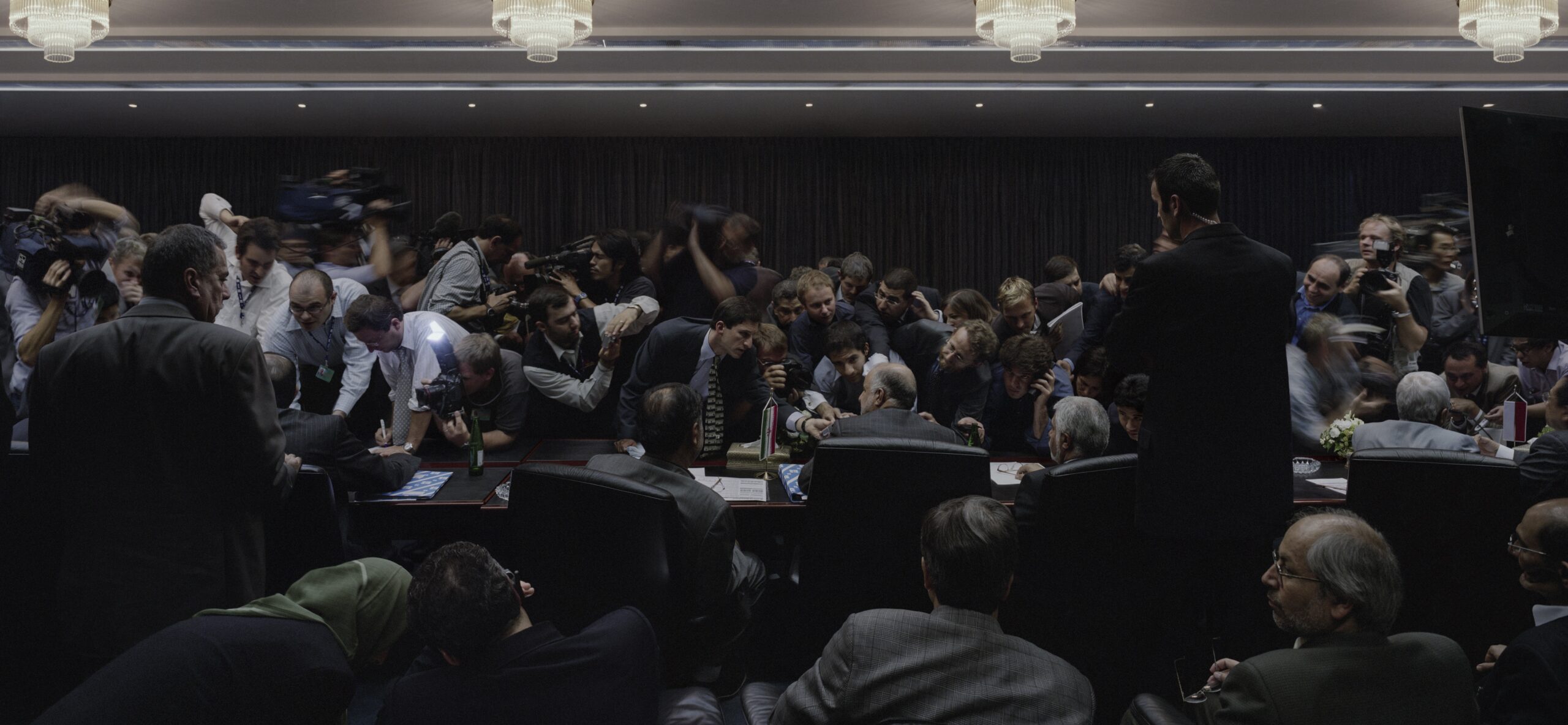
Photographie de Luc Delahaye montrant une conférence de presse dense et chaotique où journalistes, caméras et dirigeants s’entassent autour d’une table. Œuvre emblématique du rapport entre pouvoir, médias et mise en scène du réel. Exposition Le bruit du monde, Jeu de Paume, 2025. Article Magazine art mag
Courtesy Luc Delahaye et Galerie Nathalie Obadia, Paris/Bruxelles

Exhibition from October 10, 2025 to January 4, 2026

The Jeu de Paume presents a major retrospective devoted to Luc Delahaye, a leading figure in contemporary photography.
Entitled The Noise of the World, the exhibition spans nearly twenty-five years of creation (2001–2025) — from his withdrawal from photojournalism to his exploration of the most accomplished forms of documentary and conceptual photography.

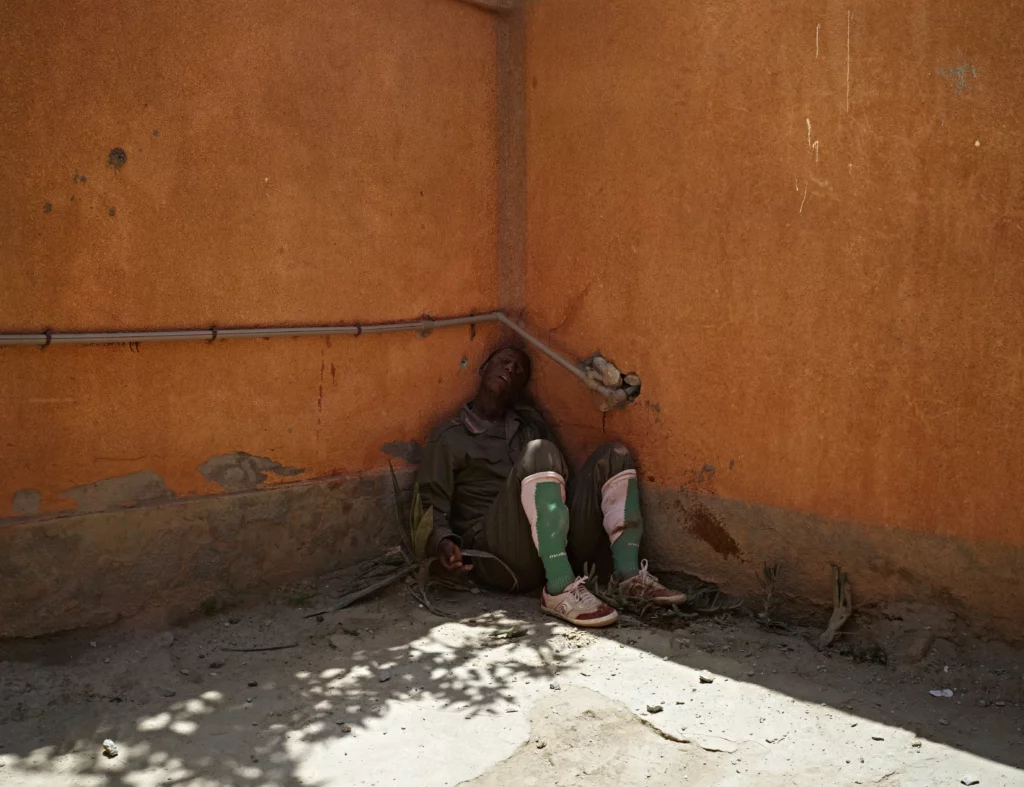
Death of a Mercenary – chromogenic print – 2011 © Courtesy Luc Delahaye and Galerie Nathalie Obadia, Paris/Brussels

A photographer of reality and silence

A former member of Magnum Photos and recipient of the Robert Capa, Pictet and Deutsche Börse Photography Prizes, Luc Delahaye has established himself as a rare observer of the contemporary world.
His large-scale, meticulously composed works oscillate between witness and visual meditation.
From the wars in Iraq and Ukraine to Haiti, Syria, and the boardrooms of the OPEC and COP conferences, Delahaye captures places of power, chaos, and resistance with a contemplative distance that questions the very power of the photographic image.

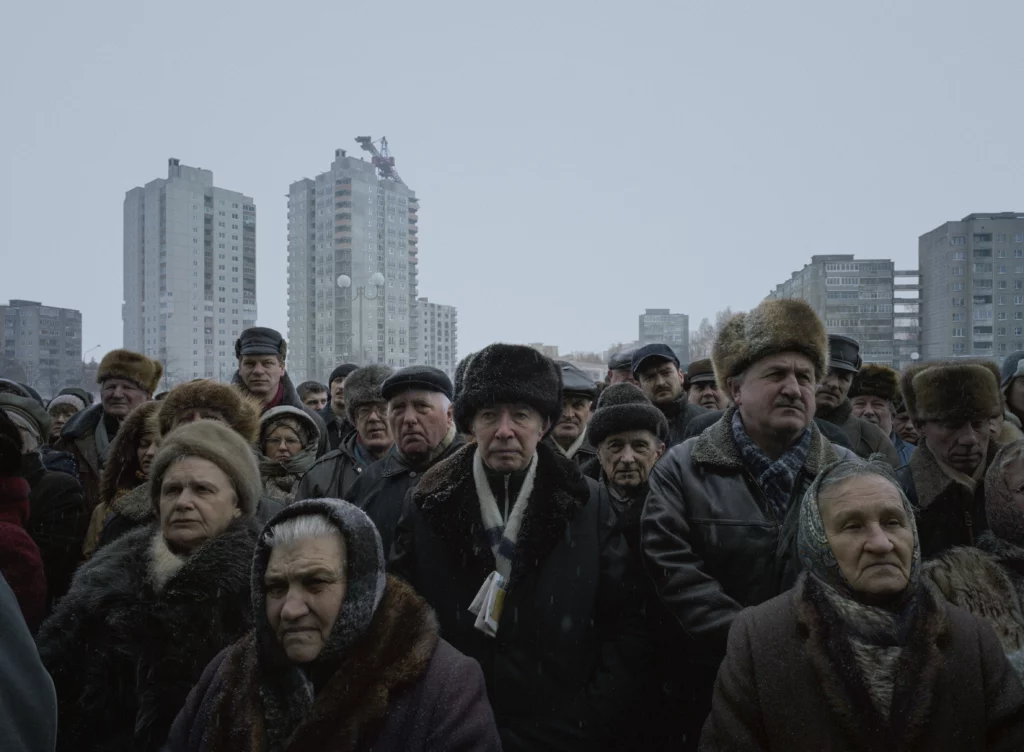
A Rally of the Opposition Candidate Alexander Milinkevich – chromogenic print – 2006 © Courtesy Luc Delahaye and Galerie Nathalie Obadia, Paris/Brussels

Between documentary and imagination

Since 2001, Luc Delahaye has composed his images like photographic tableaux, combining fragments of reality with digital construction.
His landmark series — House to House, Death of a Mercenary, Trading Floor, Syrian Army Soldiers, Aleppo — all share a single tension: giving form to violence without dramatizing it.
The photographer rejects any heroic posture, erasing himself behind his subject to let the image “think” on its own.

“My constructed photographs are always based on reportage.
They are made of fragments of reality, of lived experience.”

Luc Delahaye

Un Feu – chromogenic print – 2021 © Courtesy Luc Delahaye and Galerie Nathalie Obadia, Paris/Brussels

A geopolitical portrait of the 21st century

Through around forty large-format works, the exhibition unfolds a geography of global crisis.
Conflict, poverty, and international meetings become metaphors for a world in tension.
The show also reveals Delahaye’s more recent explorations: a return to black and white, video works (Rapport Syrie), polyptychs, and new installations.
Each image, each photographic silence, lets us hear — in its own way — the noise of the world.

Practical information

Venue: Jeu de Paume – 1 Place de la Concorde, Jardin des Tuileries, Paris 1st
Dates: October 10, 2025 – January 4, 2026
Hours: Tuesday 11 a.m.–9 p.m. / Wednesday–Sunday 11 a.m.–7 p.m. / Closed Monday
Admission: Full €13 / Reduced €9.50 / Students & under 25 €7.50
Info: jeudepaume.org

Patronage and international tour

This retrospective is supported by the Fondation Antoine de Galbert, a long-time partner of the artist since his first major monographic exhibition at La Maison Rouge in 2005.
After Paris, The Noise of the World will travel to Photo Elysée (Lausanne) from March 6 to May 31, 2026.

Want to see more ?
👉 Subscribe to 6 issues / 1 year
👉 Give ART MAG as a gift
❓ FAQ – Luc Delahaye: The Noise of the World at Jeu de Paume

Who is Luc Delahaye?

Luc Delahaye is a French photographer born in Tours in 1962. A former war photojournalist and member of Magnum Photos, he gained international recognition in the 1990s for his images of conflict and his documentary series.
Since 2001, he has developed a singular artistic practice that blends documentary photography and conceptual composition, exploring the relationship between reality, memory, and representation.

Where and when is the exhibition held?

The exhibition Luc Delahaye – The Noise of the World takes place at the Jeu de Paume, Paris, from October 10, 2025 to January 4, 2026, and will then be shown at Photo Elysée in Lausanne from March 6 to May 31, 2026.

What does the exhibition present?

It retraces twenty-five years of creation (2001–2025) through forty large-format works, including new and unseen pieces and a video installation on the Syrian conflict.
Themes include war, politics, institutions of power, and the balance between chaos and order — forming a visual journey through the geopolitics of the 21st century.

Is there a catalogue?

Yes. The bilingual catalogue raisonné published by Steidl brings together 74 works created between 2001 and 2025, with essays by Quentin Bajac, Nathalie Herschdorfer, Michael Fried, Bernard Marcadé, and Jean-Pierre Criqui.
It stands as a major reference on Delahaye’s artistic evolution and thought.

What are the opening hours and ticket prices?

  • Hours: Tuesday 11 a.m.–9 p.m. / Wednesday–Sunday 11 a.m.–7 p.m. / Closed Monday
  • Prices: Full €13 / Reduced €9.50 / Students & under 25 €7.50
    👉 Online booking available at jeudepaume.org

Who supports the exhibition?

The Noise of the World is supported by the Fondation Antoine de Galbert, a long-time patron of Luc Delahaye, and Jaeger-LeCoultre.
The Fondation previously presented his first major monographic exhibition at La Maison Rouge in 2005.

Which key works are featured?

Among the major works on view:

  • House to House (2011)
  • Death of a Mercenary (2011)
  • Trading Floor (2013)
  • Syrian Army Soldiers, Aleppo (2012)
  • Rapport Syrie (video, 2025)

Each work reflects the visual power and political resonance of Delahaye’s art.

Why visit this exhibition?

Because it offers a unique reading of the contemporary world through photography.
Luc Delahaye combines documentary precision and poetic restraint, asking an essential question: How can we look at the violence and complexity of the world without turning away?
An exhibition both intellectual and emotional, essential for understanding the role of images today.

Want to see more ?
👉 Subscribe to 6 issues / 1 year
👉 Give ART MAG as a gift

Categories
Art nouveau - News

The Future Hector Guimard Museum at the Hôtel Mezzara: Art Nouveau Reborn in Paris

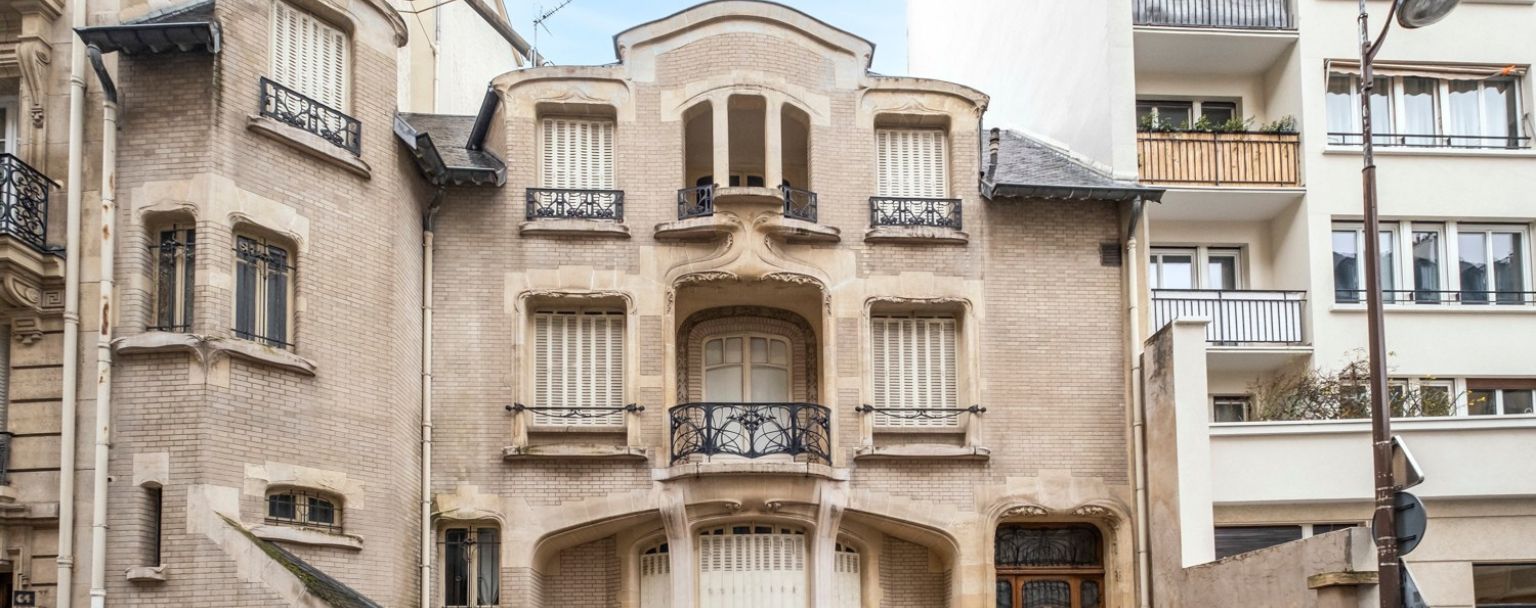
L'hôtel Mezzara, au 60 rue La Fontaine (16e) article art mag
Clément Dorval / Ville de Paris

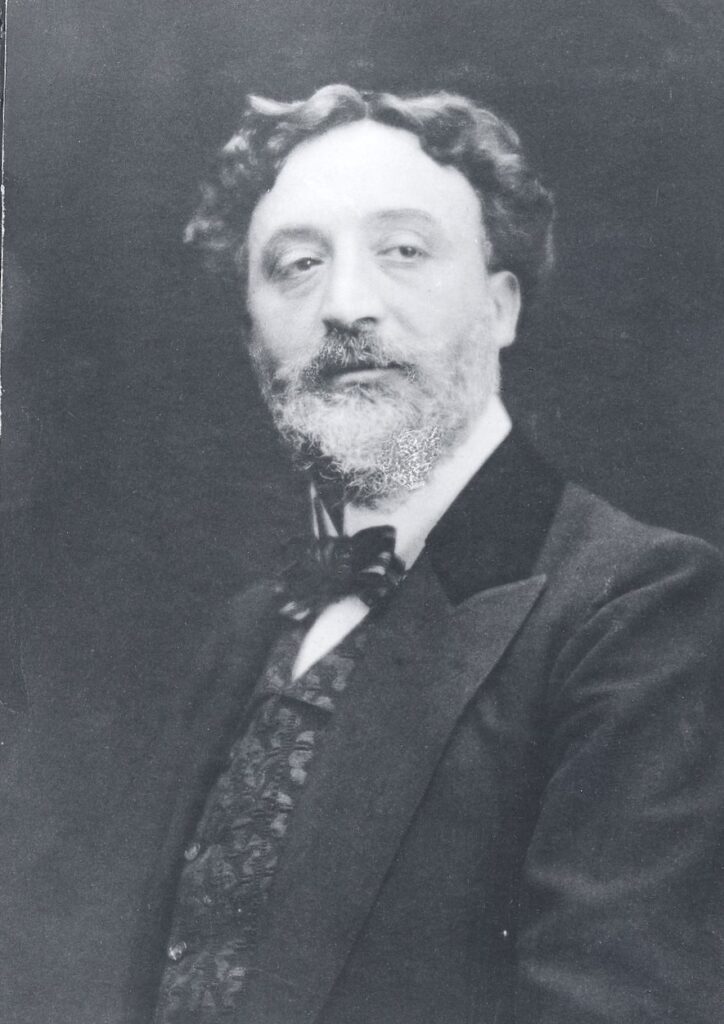
A museum dedicated to Hector Guimard (1867–1942), the emblematic figure of Art Nouveau, will soon open its doors in Paris. Renowned for his metro entrances with their organic, plant-like lines, Guimard will finally receive the recognition he deserves. The chosen site, the Hôtel Mezzara, perfectly embodies the elegance and inventiveness of his work.

An Architectural Masterpiece in the Heart of the 16th Arrondissement

Located at 60 rue Jean-de-la-Fontaine, the Hôtel Mezzara is an architectural gem built in 1910 for textile industrialist Paul Mezzara.
This listed historic monument reflects the pure essence of Art Nouveau through its flowing shapes, colorful stained-glass windows, and organic ironwork.
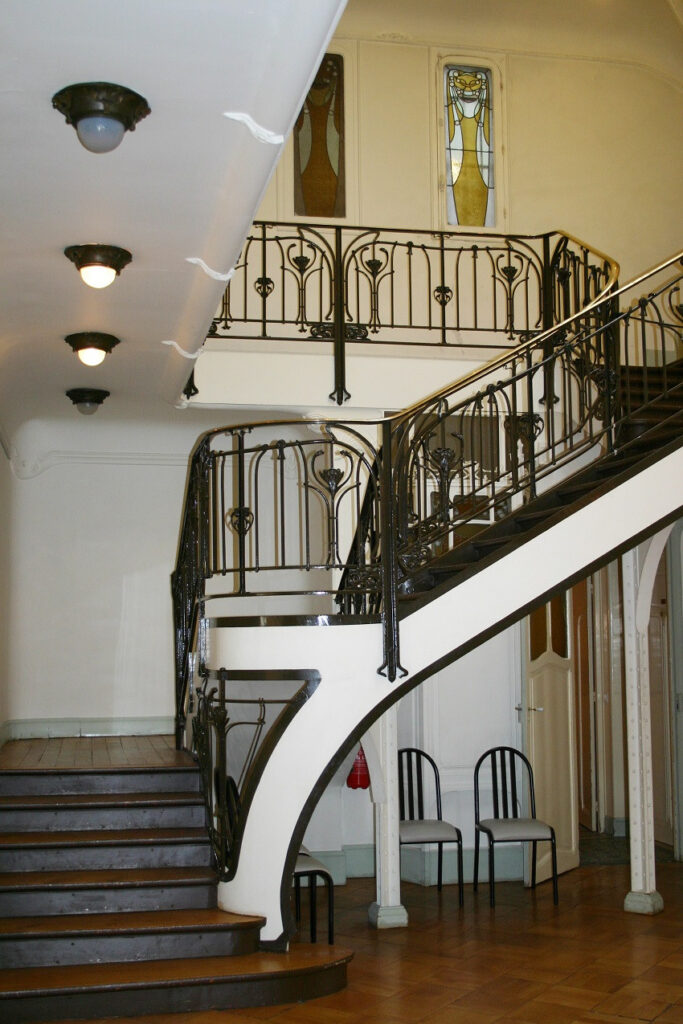
Guimard designed every detail, from the large zenithal skylight to the dining room, which has remained intact for over a century.

After serving as a boarding annex for the Lycée Jean-Zay from 1954 to 2015, the mansion is now entering a new chapter. Its public reopening will mark a major milestone in the preservation of Paris’s Art Nouveau heritage.

An Ambitious Project Supported by the French State and Private Patrons

The Hector Guimard Museum project is led by Fabien Choné, president of Hector Guimard Diffusion, and Nicolas Horiot, president of Le Cercle Guimard.
The French State has granted a 50-year lease to Foncière Mezzara, which will finance the complete restoration of the building—an investment of six million euros.

The grand hall of the Hôtel Mezzara, designed by Hector Guimard in Paris Magazine Art Mag
The grand hall of the Hôtel Mezzara, designed by Hector Guimard in Paris

Work is scheduled to begin at the end of 2026 under the supervision of an architect of historic monuments and Art Nouveau specialists.
The opening is planned for late 2027 or early 2028. This ambitious project will breathe new life into a forgotten site and offer Paris a museum entirely devoted to one of its most visionary creators.

Collections, Virtual Reality and Immersive Experiences

The Hector Guimard Museum will showcase around 100 original pieces—furniture, glassware, vases, ceramics, models, and lighting fixtures designed by Guimard himself.
These works come from both private and public collections, as well as recent acquisitions made by Fabien Choné.

Visitors will also enjoy an immersive virtual-reality (VR) experience, plunging them into the legendary Humbert de Romans concert hall, a masterpiece lost in 1905.

In addition, the museum will feature a 700 m² garden with a café and bookstore, allowing visitors to extend their visit. Admission will range from €15 to €20, making beauty accessible to all.

Hector Guimard

Hector Guimard, Visionary of Art Nouveau

Born in 1867, Hector Guimard transformed the architectural landscape of his time.
Inspired by Victor Horta in Brussels, he introduced in France a radically new style based on natural curves and harmony between architecture and decoration.

He designed not only the buildings themselves but also their furniture and decorative objects—anticipating the concept of total design.
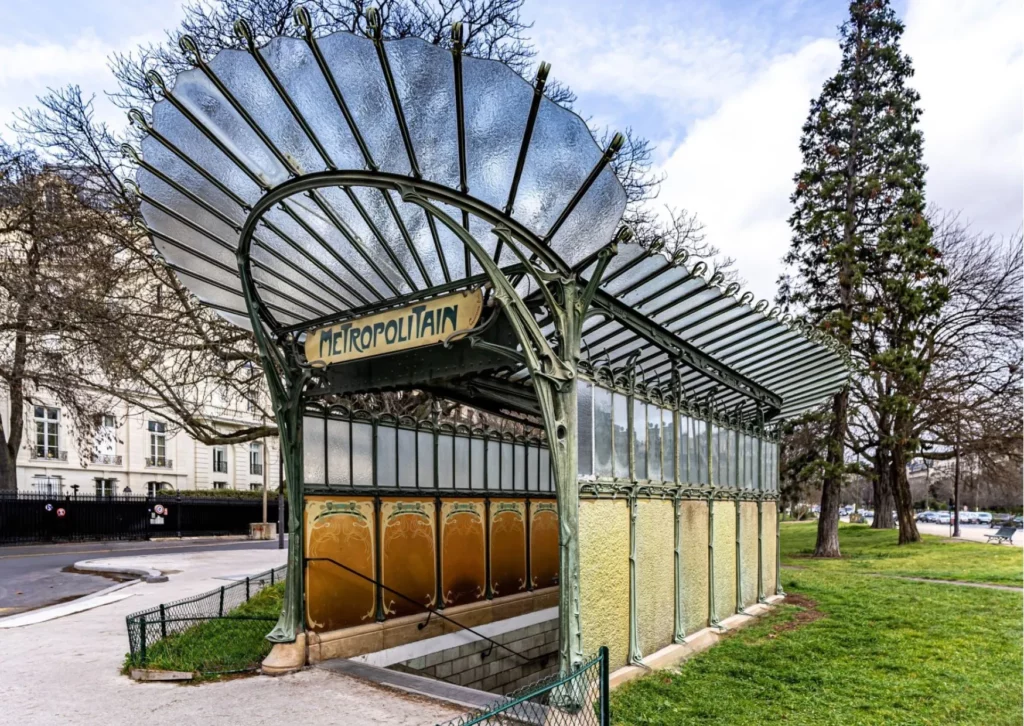
His most famous work, the Paris Metro entrances, perfectly captures his poetic, organic vision. Although initially criticized, these structures now symbolize Paris as much as the Eiffel Tower.

Of the 167 metro entrances he created, only 88 remain today, scattered across France and abroad.

Paris, Capital of the Art Nouveau Revival

With this new museum, Paris strengthens its position among the great Art Nouveau capitals, alongside Brussels and Barcelona.
The future Guimard Museum will become a reference point for architecture, history, and design enthusiasts.
By reviving the Hôtel Mezzara, the French capital celebrates not only a creative genius but also an ideal: an art form that connects beauty to everyday life.

One of the iconic Paris Metro entrances created by architect Hector Guimard at the turn of the 20th century. magazine Art Mag
Art Nouveau Paris Metro entrance

Want to see more ?
👉 Subscribe to 6 issues / 1 year
👉 Give ART MAG as a gift

❓ FAQ — Hector Guimard Museum in Paris

When will the Hector Guimard Museum open?
The opening is scheduled for late 2027 or early 2028. Restoration work will begin in late 2026 and last about a year.

Where is the museum located?
At the Hôtel Mezzara, 60 rue Jean-de-la-Fontaine, 16th arrondissement of Paris — in the heart of the so-called “Guimard District,” home to several of his buildings, including the Castel Béranger.

How much will tickets cost?
Entrance fees will range between €15 and €20, with reduced rates and combined offers (visit + VR experience or café).

What will visitors see there?
More than 100 original and re-issued works—furniture, glassware, vases, ceramics, models, and lighting fixtures.
A VR experience will recreate the lost Humbert de Romans hall from 1905.

What is the Hôtel Mezzara?
Built in 1910 by Guimard for Paul Mezzara, it is an Art Nouveau masterpiece listed as a historic monument.
It features a large stained-glass roof, sculpted metal staircase, and a dining room preserved in its original state.

Who funds the project?
Led by Fabien Choné and Nicolas Horiot, the project benefits from a 50-year lease with the State; Foncière Mezzara will invest €6 million in restoration.

Will there be a café or garden?
Yes — a 700 m² garden with a cultural café and bookstore will host events and talks on design and heritage.

Why is Hector Guimard famous?
Guimard (1867–1942) is considered France’s master of Art Nouveau. He revolutionized urban design through his organic curves and natural forms, seen in his Paris Metro entrances. His masterpiece, the Castel Béranger, earned him the City of Paris Award in 1898.

How many metro entrances still exist?
Out of 167, only 88 remain today. Some have been relocated abroad, notably to Montreal and Lisbon, showcasing the international reach of his style.

Can visitors buy Guimard designs?
Yes. The museum will feature a shop offering official re-editions of Guimard’s work (lamps, ironwork, decorative objects) crafted by partner artisans using authentic materials and techniques.

Want to see more ?
👉 Subscribe to 6 issues / 1 year
👉 Give ART MAG as a gift

Categories
Modern art - News

Berthe Weill, a Trailblazing Gallerist — Musée de l’Orangerie, Paris

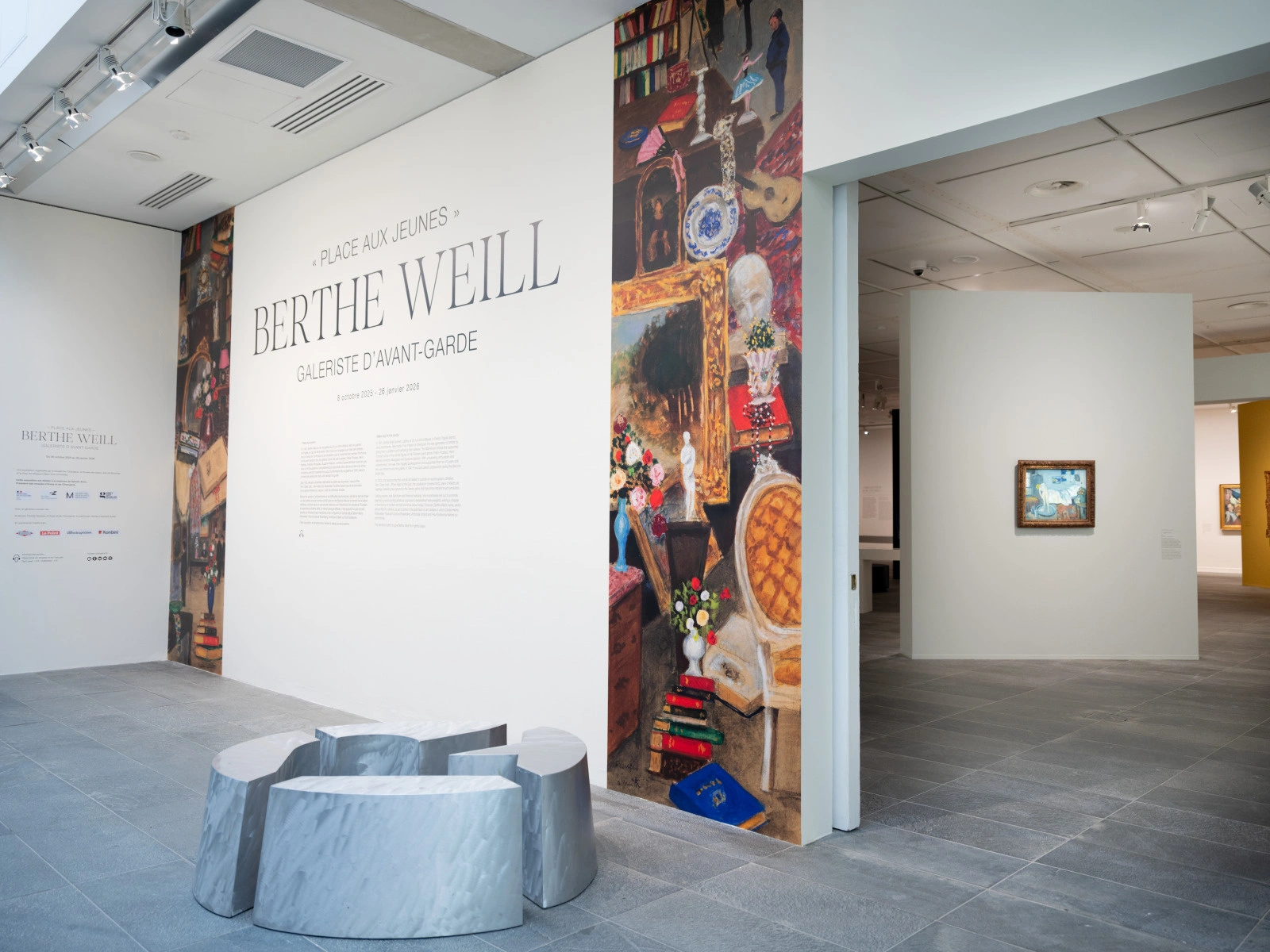
Vue d’entrée de l’exposition « Berthe Weill, galeriste d’avant-garde » au Musée de l’Orangerie à Paris, présentant la scénographie immersive et les œuvres modernistes mises en valeur.
Laëtitia Striffling-Marcu

From October 8, 2025 to January 26, 2026, the Musée de l’Orangerie pays tribute to Berthe Weill, a pioneering and long-forgotten figure in the modern art market.
The first woman gallerist to exhibit Picasso, Matisse and Modigliani, she helped launch an entire generation of avant-garde artists in a Paris brimming with creative energy.

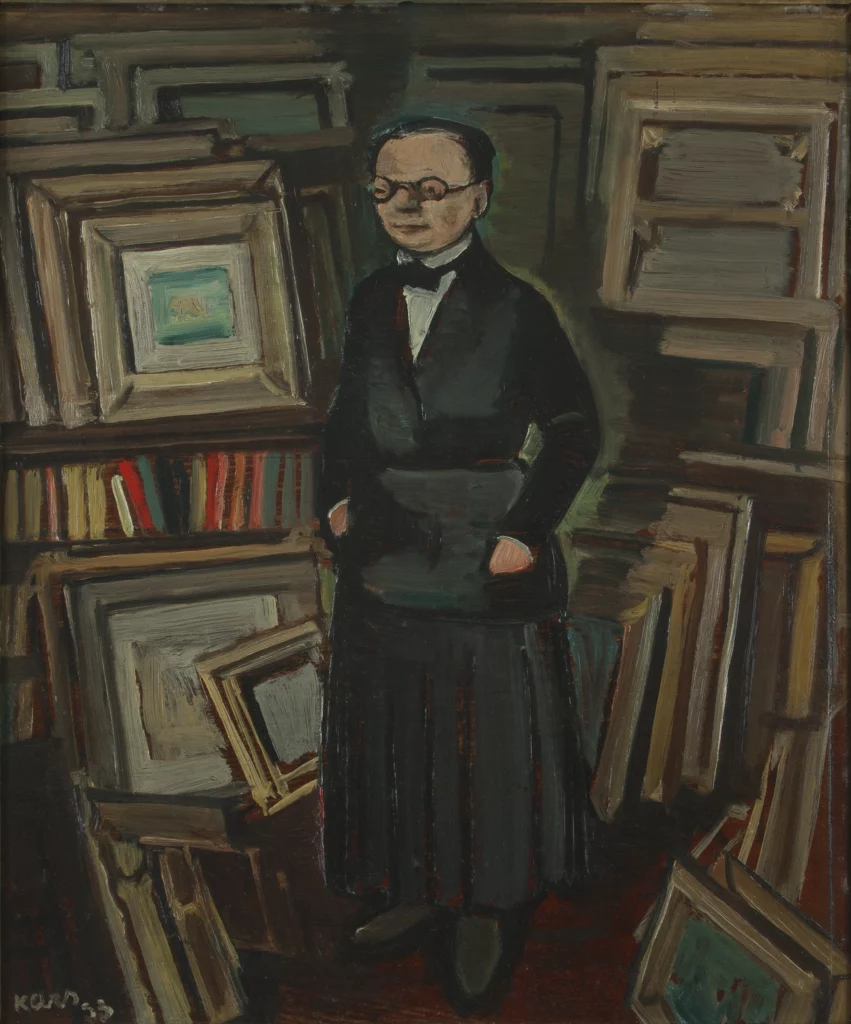
Georges Kars, “Portrait of Berthe Weill in her gallery,” 1933 — oil painting showing the pioneering art dealer surrounded by picture frames, featured in the exhibition “Berthe Weill, A Trailblazing Gallerist” at the Musée de l’Orangerie. magazine art mag
Georges Kars (1882–1945), In the Painting Salon, 1933 – Oil on plywood, 56 × 46 cm
Private collection ©Jana Hojstričová

A Pioneer Championing Young Artists

In 1901, Berthe Weill opened her gallery on rue Victor-Massé, just steps from Montmartre. Guided by her motto “Place aux jeunes!” (“Make room for the young!”), she tirelessly supported emerging talent.
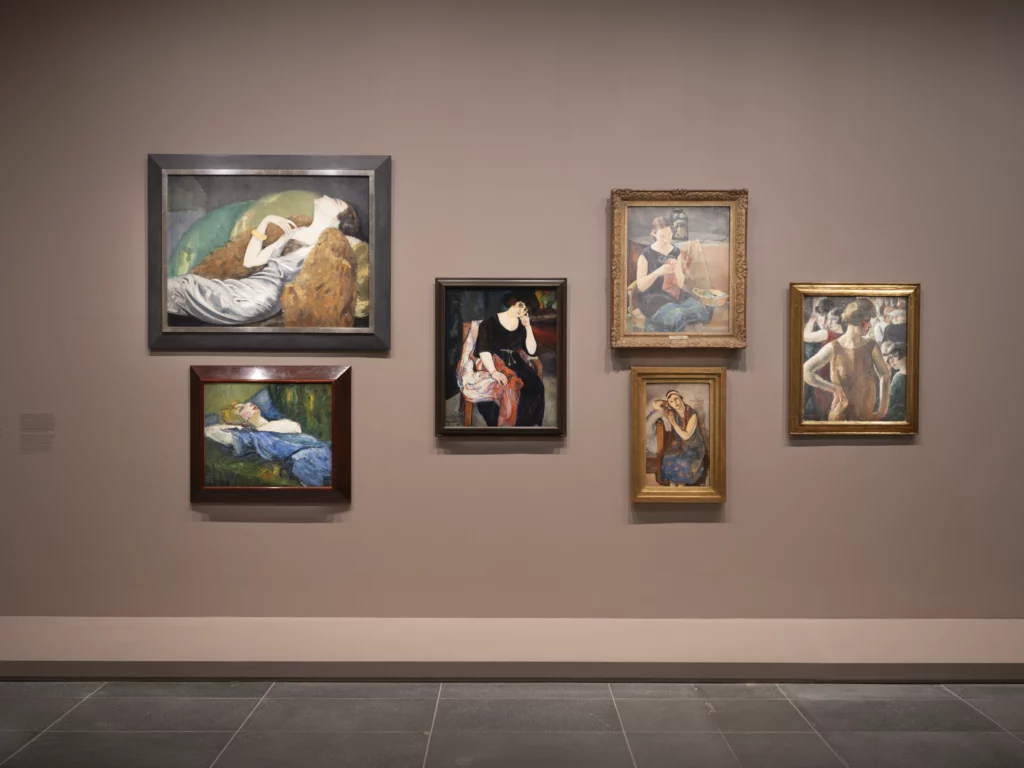
She promoted the Fauves, the Cubists, and several women artists such as Émilie Charmy, Suzanne Valadon, and Hermine David, at a time when the art world remained dominated by men.

“Even if I have to eat bricks, I will never do something that displeases me!” — Berthe Weill, Pan! dans l’œil… (1933)

EMain exhibition room of “Berthe Weill, A Trailblazing Gallerist” at the Musée de l’Orangerie — paintings from the 1910s to the 1940s including the portrait of Berthe Weill by Émilie Charmy on navy blue walls.
Musée de l’Orangerie – ©Laëtitia Striffling-Marcu – Exhibition views of Berthe Weill

The Exhibition: Restoring a Forgotten Legacy

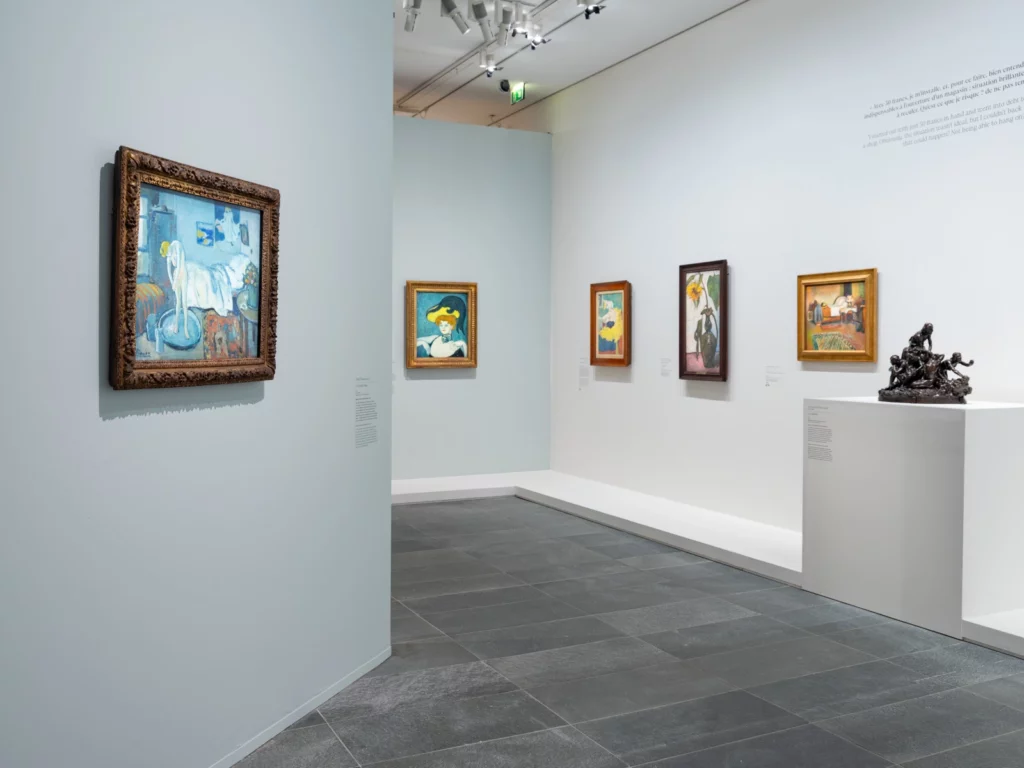
Running from October 8, 2025 to January 26, 2026, the exhibition brings together nearly 80 works — paintings, sculptures, and drawings — by artists Weill championed:

  • Pablo Picasso, The Blue Room (1901)
  • Henri Matisse, First Orange Still Life (1899)
  • Amedeo Modigliani, Nude with Coral Necklace (1917)
  • Suzanne Valadon, The Blue Room (1923)
  • Raoul Dufy, Thirty Years or Life in Pink (1931)

The seven themed sections — “I buy the first three Picassos …,” “Our Lady of the Fauves,” “What’s wrong with those nudes ?” — trace the life of a visionary, bold and free-spirited gallerist.

Gallery room view of “Berthe Weill, A Trailblazing Gallerist” at the Musée de l’Orangerie — works by Picasso, Matisse, and Fauvist painters displayed on pale blue walls celebrating modernist color and form
Musée de l’Orangerie – ©Laëtitia Striffling-Marcu – Exhibition views of Berthe Weill

A Woman Who Defied Adversity

Jewish, independent, and without wealth, Berthe Weill fought against sexism, antisemitism, and financial hardship.
Her unwavering commitment helped shape the major art movements of the 20th century — from Fauvism to Cubism — while paving the way for other women art dealers to come.

Exhibition view from “Berthe Weill, A Trailblazing Gallerist” at the Musée de l’Orangerie — selection of paintings of women artists from the early 20th century highlighting the role of female creativity in modern art.
Musée de l’Orangerie – ©Laëtitia Striffling-Marcu – Exhibition views of Berthe Weill

Around the Exhibition

  • Illustrated catalogue (Musée d’Orsay × Flammarion) — 208 pages, €39
  • New edition of Pan! dans l’œil… — Bartillat Publishers, €20
  • Study Day: Women Art Dealers Through History, November 25 2025
  • Audioguide narrated by Catherine Ringer
  • Guided tours every Friday and Saturday

Practical Information

📍 Musée de l’Orangerie — Jardin des Tuileries, Paris
📅 October 8, 2025 → January 26, 2026
🎫 Tickets: Full €10 • Reduced €6 • Audioguide €5
🌐 www.musee-orangerie.fr

Want to see more ?
👉 Order ART MAG N°29
👉 Subscribe to 6 issues / 1 year
👉 Give ART MAG as a gift
FAQ – Berthe Weill : A Trailblazing Gallerist

Who was Berthe Weill?
Berthe Weill (1865-1951) was the first female gallerist in modern art history. She discovered Picasso, Matisse and Modigliani and championed avant-garde artists for over four decades.

Which major works are on view?
The exhibition features The Blue Room by Picasso, First Orange Still Life by Matisse, Nude with Coral Necklace by Modigliani, and The Blue Room by Suzanne Valadon, among 80 works in total.

Why is this exhibition important?
It restores to history a trailblazing figure — a pioneer of feminism and modern art dealing — who supported over 300 artists between 1901 and 1941 but was largely forgotten after her death.

Where and when can you visit?
At the Musée de l’Orangerie in Paris (1st arrondissement), from October 8, 2025 to January 26, 2026. Tickets available on www.musee-orangerie.fr.

Is there a catalogue available?
Yes — a bilingual catalogue co-published by Flammarion and the Musée d’Orsay, 208 pages, €39, in bookstores from September 24, 2025.

Want to see more ?
👉 Order ART MAG N°29
👉 Subscribe to 6 issues / 1 year
👉 Give ART MAG as a gift
Categories
News - Sculpture

Valem – Ode to the Living, exhibition at Espace Saint-Pierre des Minimes in Compiègne until 30 November 2025

Regard un singe en terre cuite Sculpture de l'exposition de Valem et PIerre Yves Payet présenté à l'espace Saint Pierre des Minimes de Compiègne article Magazine art mag
Pierre Yves Payet

Terracotta sculpture of a contemplative monkey by Valem, presented with photographs by Pierre-Yves Payet at Espace Saint-Pierre des Minimes in Compiègne. Article for ART MAG.

Twenty years of sculpture for a sensitive ecology

Dates: 1–30 November 2025 • Venue: Espace Saint-Pierre des Minimes, Compiègne

A manifesto-like exhibition. Bringing together 46 sculptures and 25 photographs by Pierre-Yves Payet, Valem composes a living narrative where matter breathes, memory resurfaces, and ecology becomes desire. It is tender, powerful, and fully contemporary.

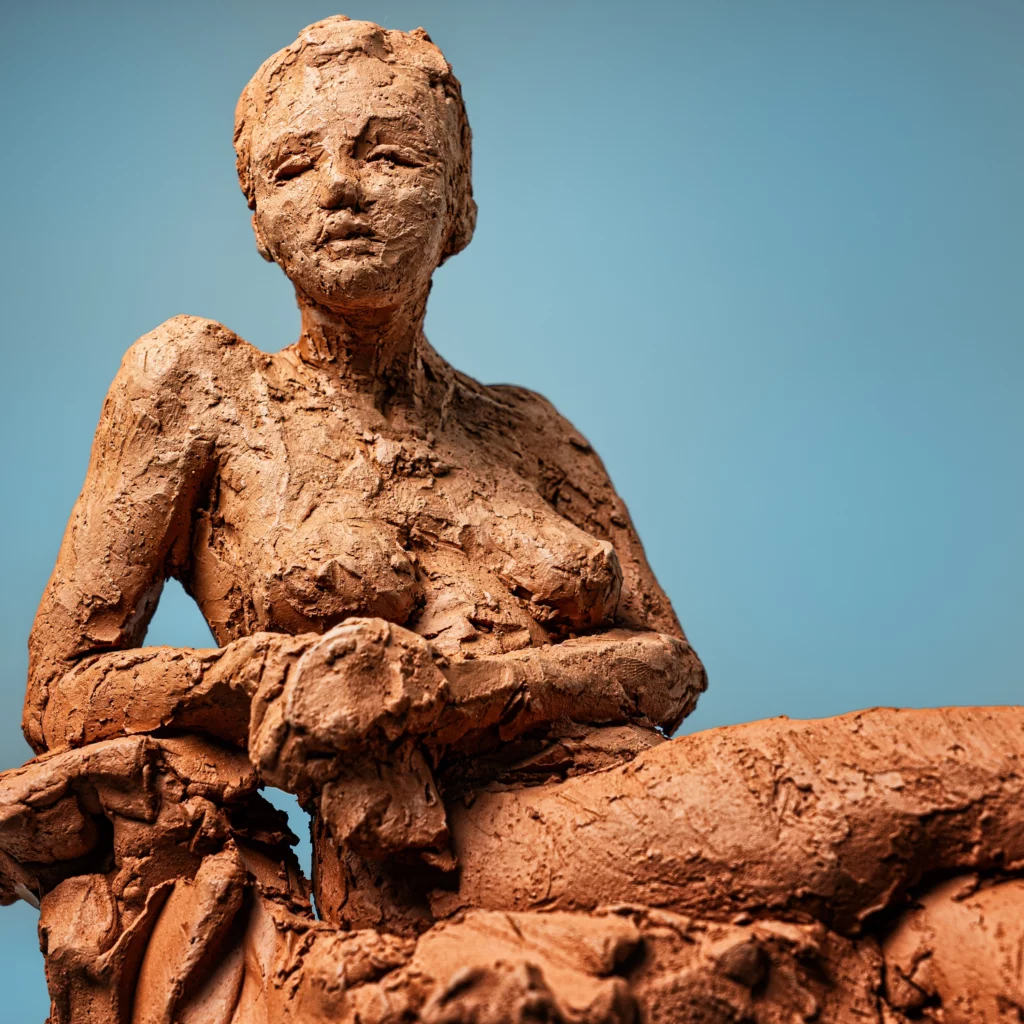
Terracotta sculpture of a seated nude woman, expressive rough textures against a blue backdrop. Exhibition at Espace Saint-Pierre des Minimes in Compiègne. Article for ART MAG.

Valem – Woman with Necklace – 2002–2014 period © Pierre-Yves Payet

Four periods, one continuous breath

  • 2002–2014 — Horses and nude figures: rough surfaces, restrained tension, surprising softness
  • From 2015 — The animal as a portrait: felines, giraffes, pachyderms, each endowed with a singular identity
  • 2018–2022 — Senegal remembered: village life, zebu cattle, portraits and African light
  • 2023–2024The Ties that Weave Us: the arrival of plant life. Cherry trees, baobabs and kapok trees become mediators of our interdependence

This progression, revealed room by room, draws a clear thread: portraying the living means giving back its momentum.

Bronze sculpture of a resting giraffe, rough texture suggesting the living matter. Exhibition at Espace Saint-Pierre des Minimes in Compiègne. Article for ART MAG.

Valem – Resting Giraffe – 2015–2018 period © David Laurence

Sculpture as a portrait of the living

Valem starts from an inner emotion, then seeks the exactness of proportions. Bronze, terracotta, reinforced plaster: the raw textures reveal fragility, while anatomical precision captures the gaze. From a puma to a human body, every piece is a portrait that moves without moving.

Sculpture of a child’s face partially opening to reveal a tree, textured terracotta on a black base. The Ties that Weave Us series, shown in the retrospective at Espace Saint-Pierre des Minimes in Compiègne. Article for ART MAG.

Valem – Secret Garden – 2023–2024 period

A sensitive ecology, without demonstration

Here, commitment never lectures. It opens desirable imaginaries.
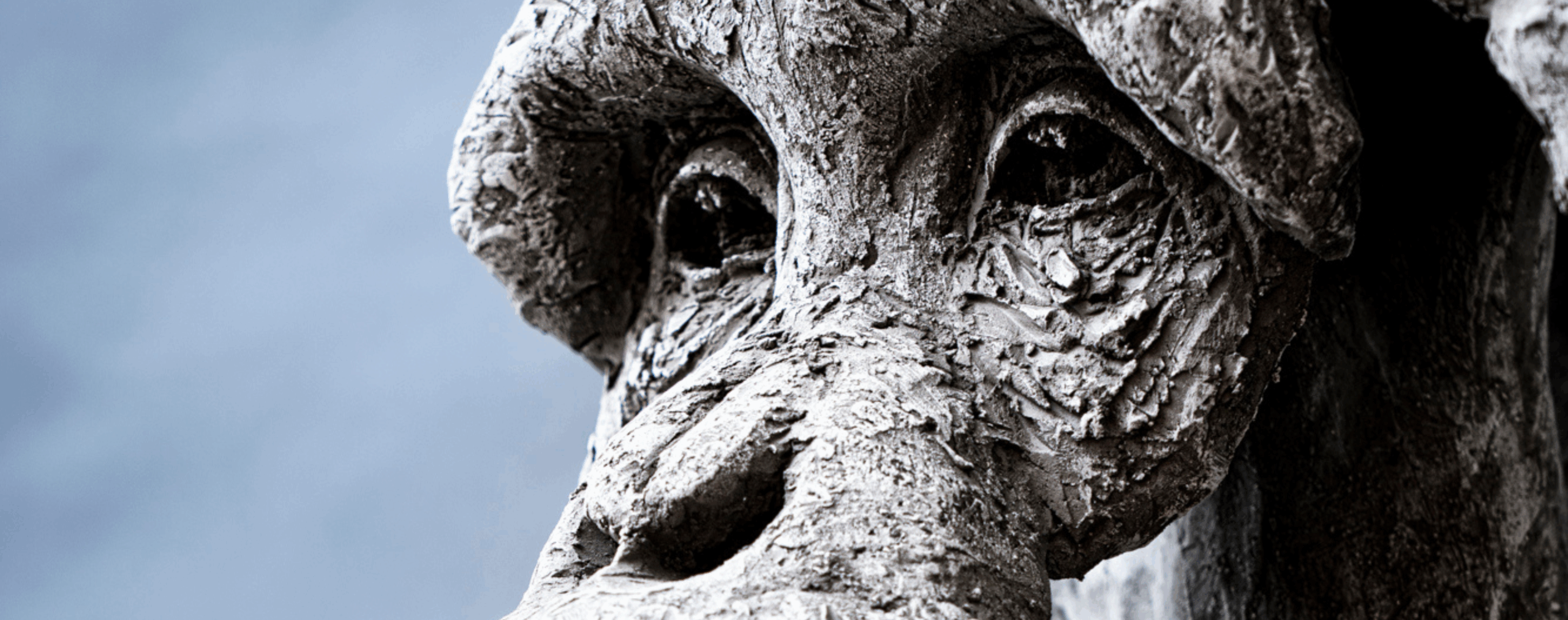
A pensive chimpanzee, a human hand intertwined with its fingers: kinship, alliance, shared responsibilities. The tree is not a backdrop. It is a protagonist.

Elephant – © Pierre-Yves Payet

A photographic dialogue

Pierre-Yves Payet’s photographs do not document, they extend.
Tight framing, shadow play, vibrating textures: the image becomes sculpture, the sculpture becomes image.
The exhibition is read as a duet.

Peach- and white-plumed pelican on a black background, long and colourful beak, elegant profile. Photograph by Pierre-Yves Payet, presented in the Valem retrospective at Espace Saint-Pierre des Minimes in Compiègne.

Pelican – © Pierre-Yves Payet

Practical information

Exhibition: Ode to the Living — Valem
Where: Espace Saint-Pierre des Minimes, Compiègne
When: 1 → 30 November 2025
+: 46 sculptures, 25 photographs by Pierre-Yves Payet

The full feature is published in ART MAG Issue #29.
Order the print magazine to discover the complete portfolio and exclusive visuals.

FAQ

Who is Valem in a few words?
A French sculptor of the living world, trained through practice and observation. She works bronze, terracotta and plaster to create sensitive portraits of animals, trees and humans.

What is the guiding thread of the exhibition?
Twenty years of creation in four chapters. One same breath linking movement, memory and sensitive ecology, culminating in plant life joining the cast.

What distinguishes Valem’s work?
The encounter between raw matter and anatomical precision, shaping portraits of the living that avoid literal illustration.

Why speak of “sensitive ecology”?
Because the exhibition favours experience and emotion over discourse: it makes us feel our alliances with other beings.

What is the role of Pierre-Yves Payet’s photographs?
They form a second narrative that reveals reliefs and vibrations, echoing the sculpted volumes.

Want to see more ?
👉 Order ART MAG N°29
👉 Subscribe to 6 issues / 1 year
👉 Give ART MAG as a gift
To read more, download ART MAG N°29