Categories
Painting

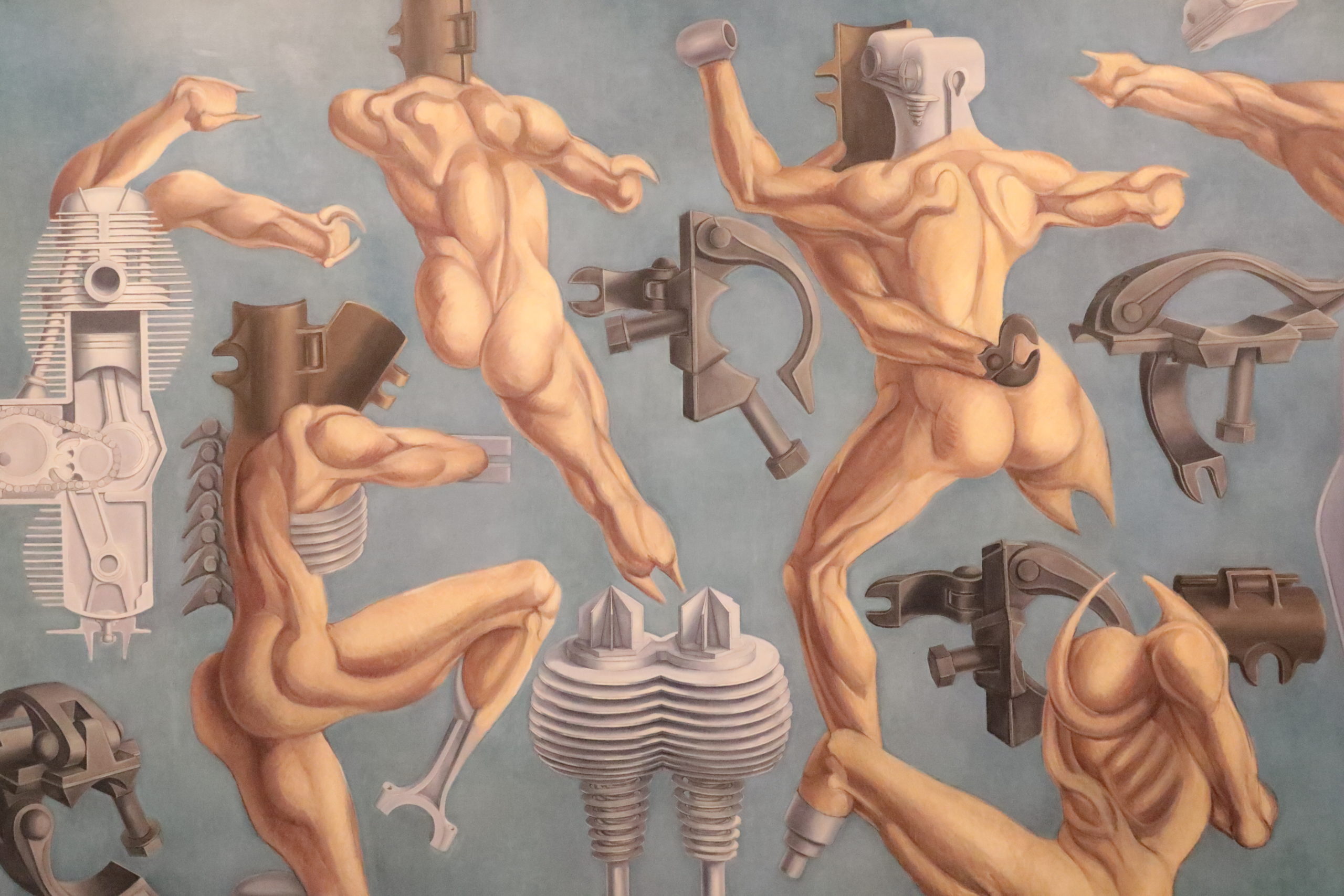
Anouchka: Visual artist between poetry and politics

Anouchka Desseilles

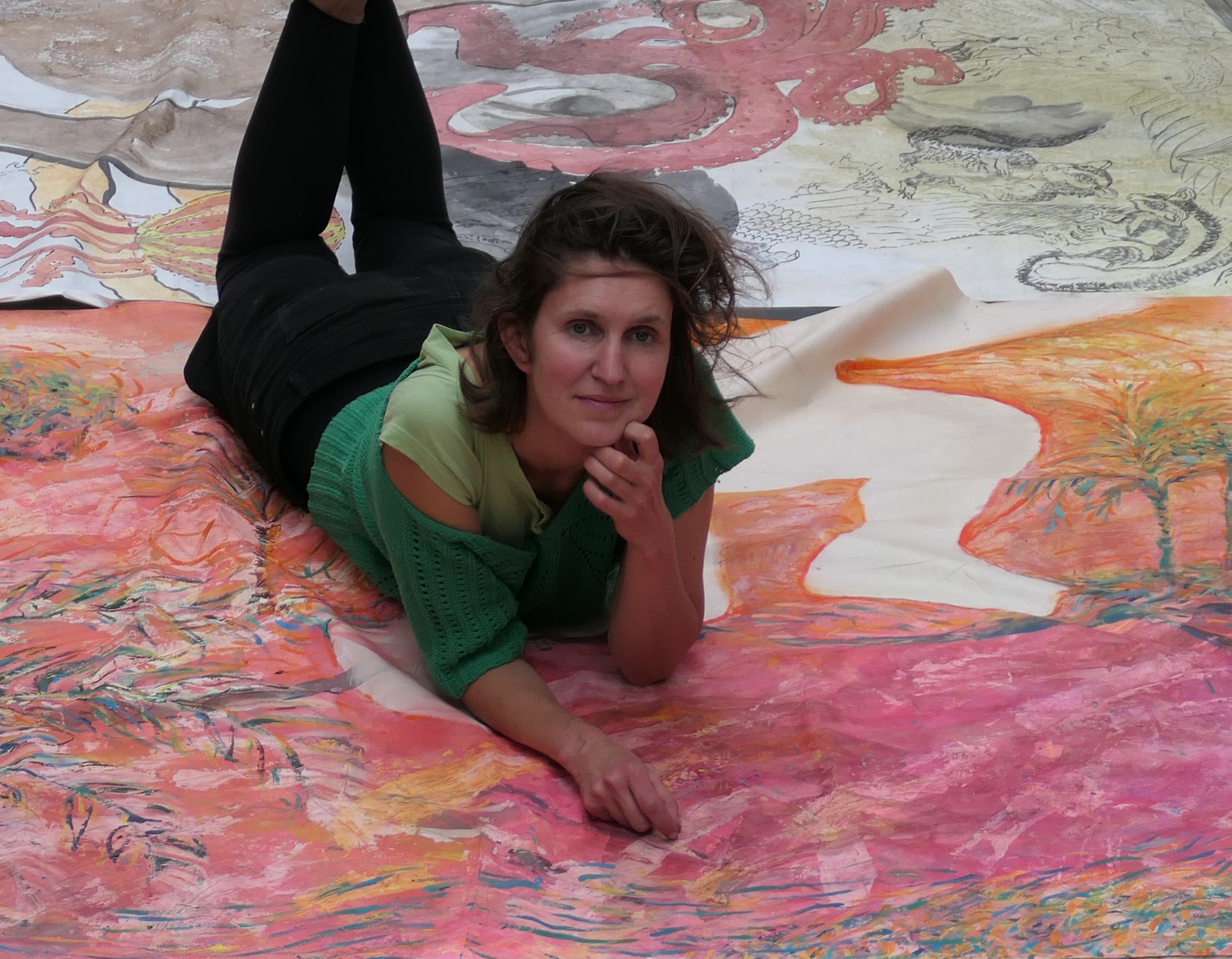
For almost two decades, Anouchka Desseilles, a visual artist who graduated from the École nationale supérieure des Beaux-Arts in Paris in 2002, has been exploring the complex relationship between the West and Africa through her work with sensitivity and depth. Her artistic approach, steeped in travel and social activism, has been recognised in numerous museums and international exhibitions.

Travel and inspiration

Anouchka began travelling to Senegal in 2005, a country that has become a constant source of inspiration for her art. On a landmark trip in 2011, she followed the path of the sacred wood of the Karone Islands in Casamance, helping to prepare for local celebrations. She describes the experience as a privilege, where animism, dance and cruelty coexist with violence and poetry.

Exhibitions and acquisitions

In 2011, Anouchka was in residence at the Musée de la Céramique in Desvres. The museum acquired a public ceramic fresco created by Anouchka and the master potter Anicet Delattre. This work is currently on display in the permanent exhibition of the museum, which was recently renovated in 2024. In 2023, she collaborated with Michel Bohbot for the 150th anniversary of Colette’s birth at the Musée Colette, creating ‘Livres d’artistes’.

Her work was also included in the exhibition ‘Le monde au bout du crayon’ at the Musée de La Poste in Paris, which explored travel books. Anouchka took part in the 2010 Clermont-Ferrand Biennale du carnet ‘Faut aller voir’, consolidating her reputation in the visual arts.

Participation in fairs and biennials

In 2016, Anouchka took part in AKAA (Also Known As Africa), a very popular contemporary art fair in Paris that brings together artists from the African continent and international galleries. In 2022, she took part in the Dakar Biennale Off at BAAT (Bureau d’Art Africain et Technique), run by Hervé Breuil. This venue, close to Germaine Acogny’s Ecole des Sables in Toubab Dialaw, is a lively centre for concerts, cinema and conferences.

Categories
Feedback - Painting

Celebrating the Centenary of the Friendship between Turkey and Japan : An Unforgettable Group Exhibition at the Tokyo Metropolitan Art Museum

Director of Tokyo Metropolitan Art Museum with Aslihan Ciftgul

From 12 to 18 May 2024, the Tokyo Metropolitan Art Museum hosted an exceptional group exhibition to celebrate the centenary of the friendship between Turkey and Japan. The event provided a valuable opportunity for the two nations to strengthen their cultural and artistic ties, bringing together artists and art lovers in a vibrant celebration of creativity and collaboration.

A Festival of friendship and creativity

The Turkish Embassy in Japan played a central role in organising this event, inviting renowned artists to exhibit their work. Among them, Aslihan Ciftgul, a leading figure in contemporary art, honoured the exhibition with her presence. Her participation testifies to the importance Turkey attaches to this significant anniversary, symbolising a century of cultural exchange, mutual respect and sincere friendship between the two countries.

Works by Aslihan Ciftgul

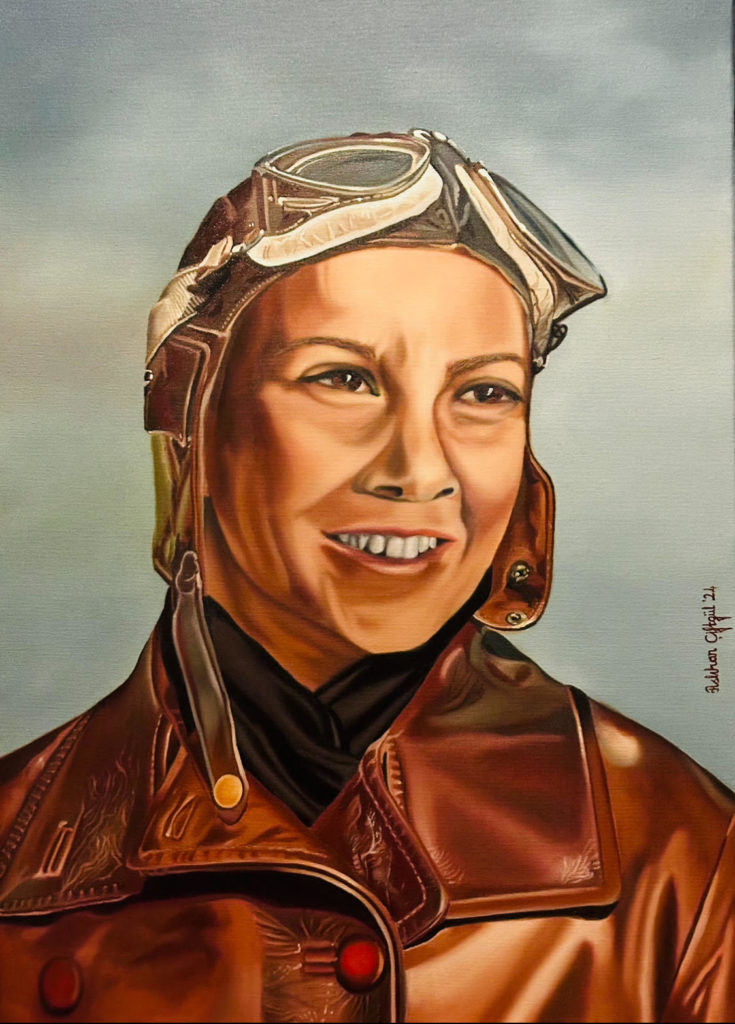
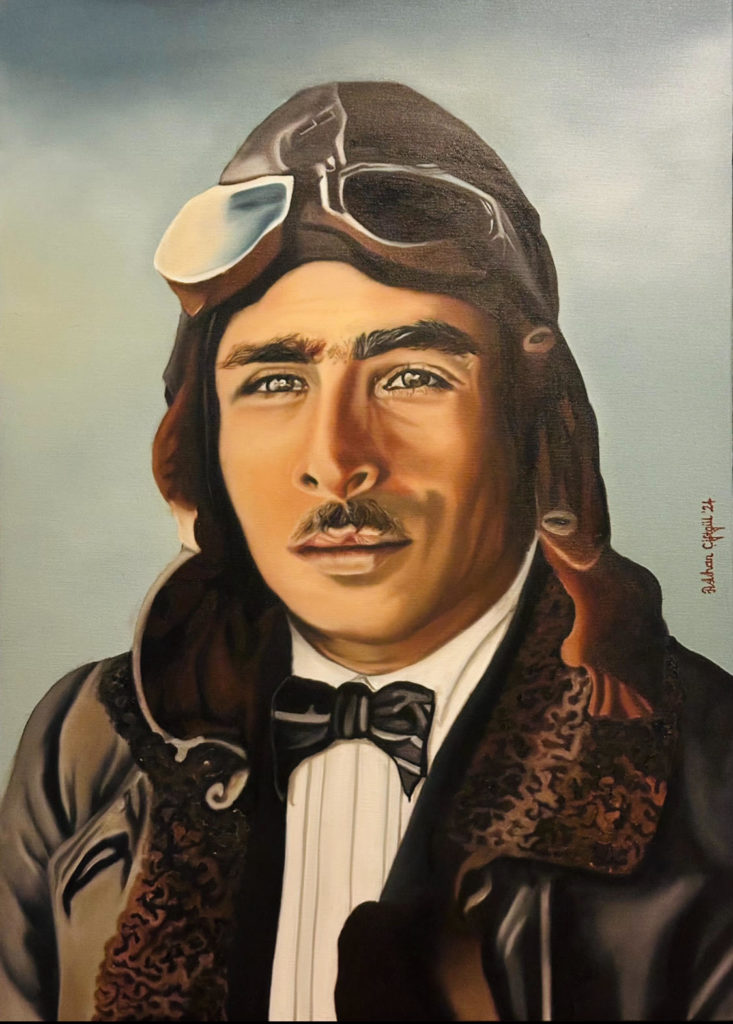
Among the pieces on display, Aslihan Ciftgul presented two remarkable works depicting important historical figures of the Turkish Republic.

Sabiha Gökçen : The First Woman Pilot of the Turkish Republic

One of Ciftgul’s key works is a portrait of Sabiha Gökçen. Recognised as the first female combat pilot by the Guinness Book of Records, Gökçen flew around 8,000 hours and took part in 32 different military operations during her career. She has received numerous awards, including the Gold Medal of the Fédération Internationale de l’Aviation in 1991, and was the only woman selected for the “20 Greatest Aviators in History” poster in 1996.

Vecihi Hürkuş : The first male pilot of the Turkish Republic

Ciftgul’s second work depicts Vecihi Hürkuş, a Turkish fighter pilot and brilliant aeronautical engineer. Hürkuş built Turkey’s first aircraft, the Vecihi K-IV, and founded the country’s first civilian flying school. His contributions have been recognised with numerous honorary awards, underlining his pioneering role in Turkish aviation.

A cultural bridge between Turkey and Japan

This exhibition at the Tokyo Metropolitan Art Museum not only celebrated the centenary of friendship between Turkey and Japan, but also provided a platform for artists from both countries to share their visions and inspirations. By highlighting the diversity and richness of artistic expression, the event strengthened cultural ties and promoted mutual understanding between the two nations.

Visitors to the exhibition had the opportunity to discover the depth and variety of the works on display, each piece telling a unique story and reflecting the cultural heritage of the artists. In conclusion, this artistic celebration marked an important moment in the history of Turkish-Japanese relations and symbolised a promising future of cooperation and enriching cultural exchanges.

Categories
Calendar - News - Photography

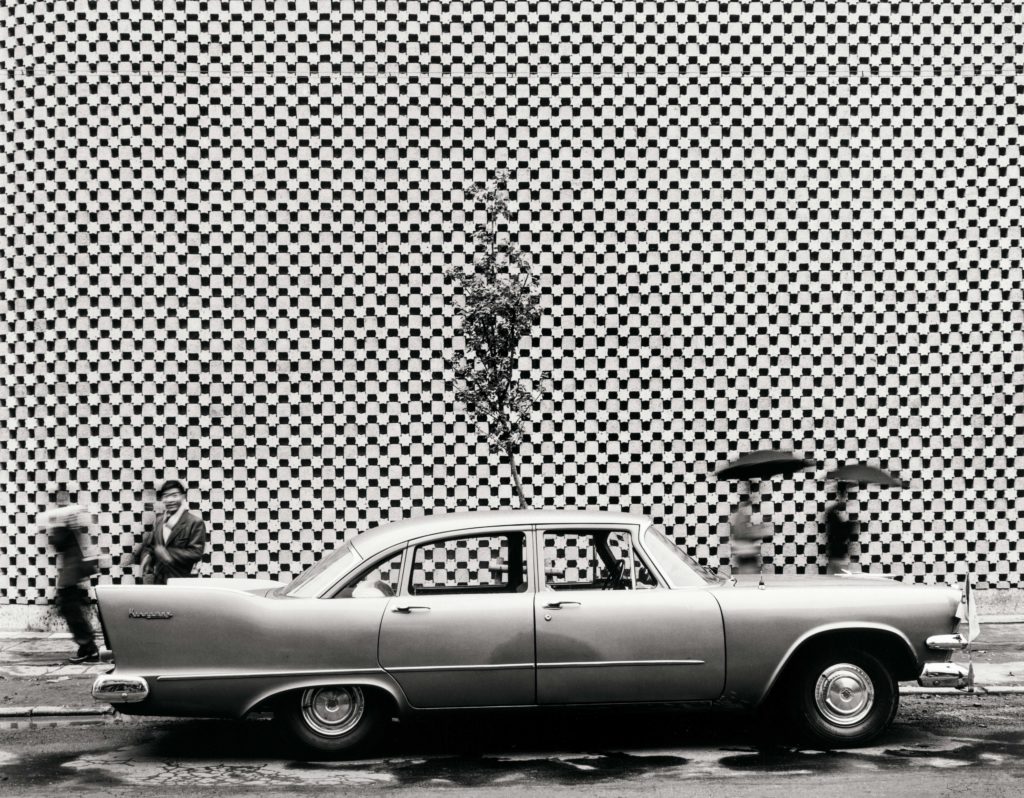
Yasuhiro Ishimoto: A bridge between two cultures honoured at LE BAL

le photographe japonais Yasuhiro Ishimoto expose au Le Bal
Kochi Prefecture, Ishimoto Yasuhiro Photo Center

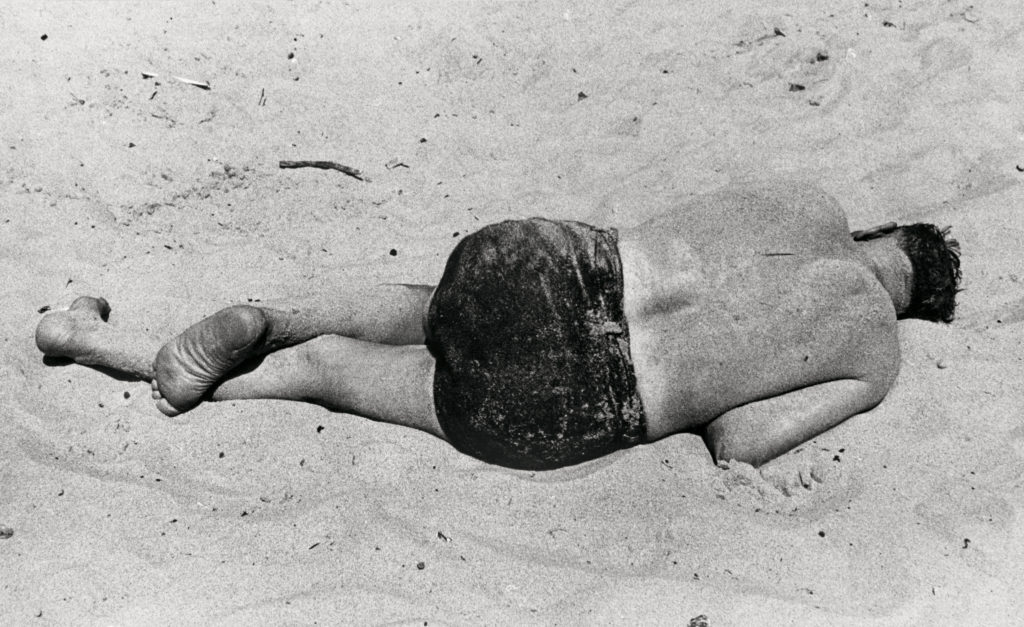
For the first time in Europe, the Japanese photographer Yasuhiro Ishimoto is being celebrated with a major retrospective.

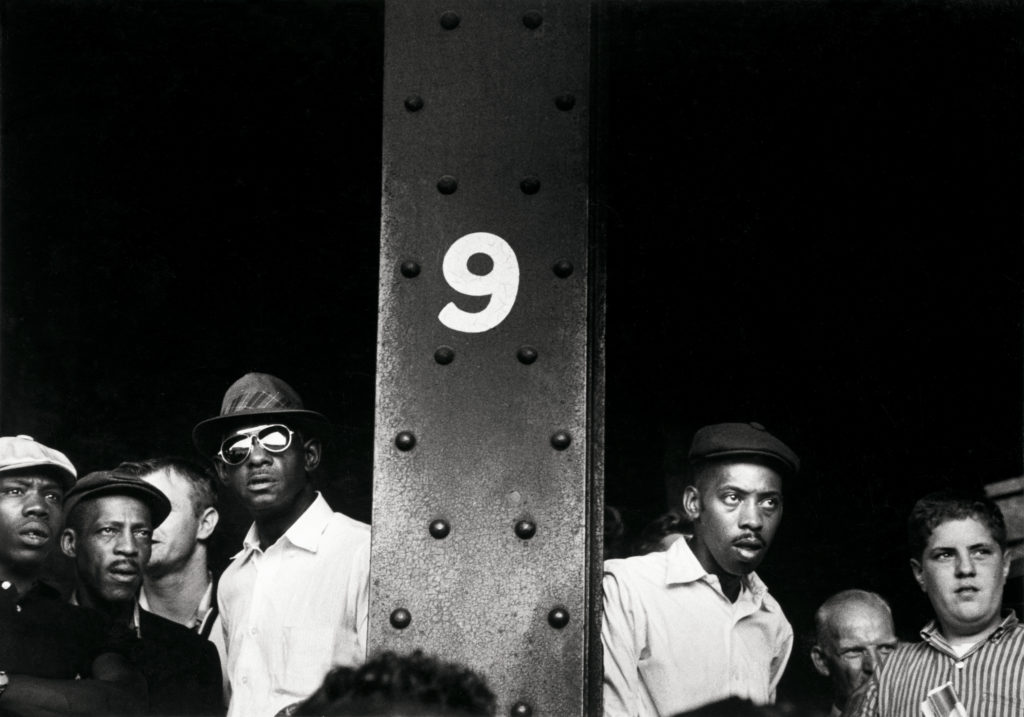
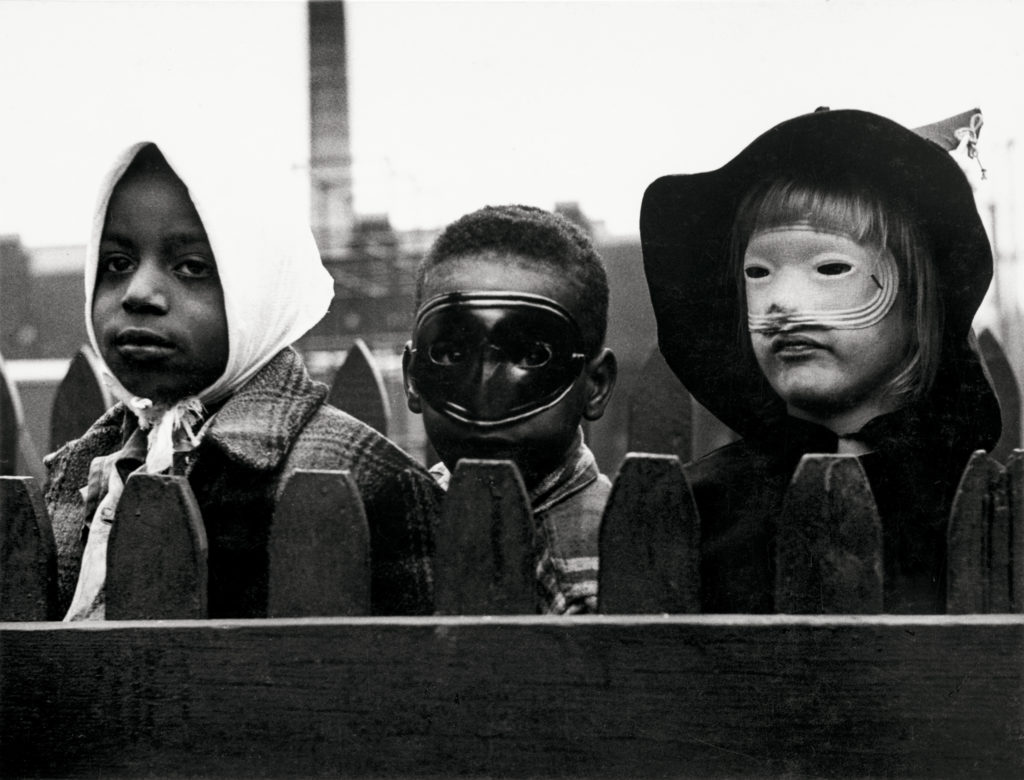
From 19 June to 17 November 2024, Paris will be the scene of an exceptional photographic event with the Yasuhiro Ishimoto exhibition at LE BAL. Organised in collaboration with the Ishimoto Yasuhiro Photo Center at the Museum of Art in Kochi, Japan, the exhibition will highlight an artist who is often overlooked in France and offer European visitors an insight into the work of a key figure in twentieth-century photography.

Born in San Francisco in 1921 to Japanese parents, Ishimoto grew up in Japan before returning to the United States, where he was interned during the Second World War because of his origins. After his release, he joined the Institute of Design in Chicago, a centre influenced by the ideals of the Bauhaus. It was here that Ishimoto forged his photographic eye, combining formal rigour with aesthetic sensitivity.

The exhibition features 169 vintage prints that take visitors on a journey through the artist’s early decades between Chicago and Japan. Visitors will discover how Ishimoto, described by American photographer Minor White as ‘visually bilingual’, fused the formal approaches of the New Bauhaus with the nuances of Japanese aesthetics.

According to Ikko Tanaka, a renowned graphic designer, Ishimoto represents an “intellectual and rigorous modernism” that has influenced many artists. His photographs, often compared to the sculptures of Brancusi, show a profound reflection on form, space and light, reflecting both his Japanese roots and his Western upbringing.

In addition to his aesthetic contributions, Ishimoto also pioneered the publication of photography books, with seminal works such as ‘Someday, Somewhere’ (1958), which redefined the genre. These books are also included in the exhibition, demonstrating his desire to push back the boundaries of the photographic medium.

As well as celebrating Ishimoto’s work, the exhibition at LE BAL invites us to reflect on the interactions between culture, identity and artistic expression. It raises questions about the impact of cultural background and life experience on artistic creation, and offers visitors an opportunity to reflect on how art can serve as a bridge between cultures.

Categories
News - Painting

Sylvie Dubal : Apocalypse and hope at the CAC in Perpignan

Sylvie Dubal Centre d'art contemporain de Perpignan

The City of Perpignan’s Department of Culture is pleased to announce a fascinating new exhibition of works by Swiss artist Sylvie Dubal. Known for her distinctive style of anticipatory painting, Dubal offers a profound reflection on the human condition and the threats of modernity through a series of works that will leave no one indifferent.

Categories
News

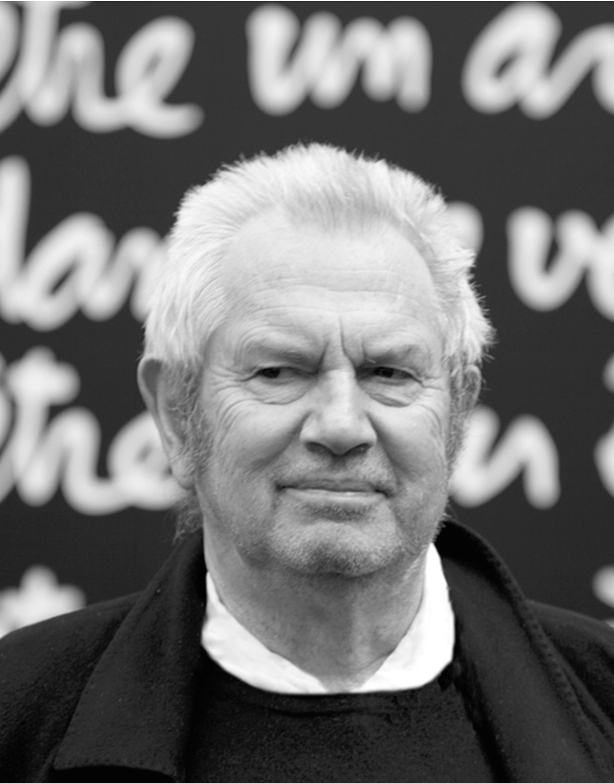
Benjamin Vautier, alias Ben, has died : an inimitable artist has left us

Mort de Benjamin Vautier
wikipedia

The world of contemporary art is in mourning. Benjamin Vautier, better known as Ben, died on Wednesday at his home in Saint-Pancrace, near Nice, at the age of 88. His death came just hours after that of his wife, Annie Vautier. According to an official statement from his family, the artist took his own life because he could not imagine life without her.

An instantly recognisable style

Ben was best known for his childlike calligraphy in white letters on a black background. These clear, unique inscriptions had become his signature, an instantly recognisable logo. For over fifty years, words have been at the heart of his work, combining concept and popularity, history and current events.

A rich and varied artistic career

Born in Switzerland on 18 July 1935, Ben began his artistic career in a bookshop and stationery shop in Nice, which his mother had bought to encourage him to find a career. He quickly transformed the shop into an exhibition and meeting place for the young avant-garde artists of Nice. Le Laboratoire 32, which became the Ben Doute de Tout Gallery, became an emblematic space for contemporary art.

In 1975, his work entered the collections of the Musée National d’Art Moderne in Paris, confirming his influence and talent.

Art and life, an inseparable unity

For Ben, art could never be separated from life. His house in Saint-Pancrace, known as ‘Chez Malabar et Cunégonde’, was a place where he lived, created and discussed his art. Filled with works, archives and salvaged objects, it is now the Fondation du doute, a living tribute to Ben’s philosophy of limitless artistic proliferation, where the subsistence economy of salvage and barter replaces the capitalist art market.

A key figure in the Fluxus movement

In the late 1950s, Ben met Arman, Yves Klein and other Nouveau Réalisme artists. These meetings had a profound influence on his work. In 1962 he attended the Festival of Misfits in London, where he met George Maciunas, the founder of the Fluxus movement. The following year, Ben organised a series of Fluxus events in Nice, marking the arrival of the movement in France.

His travels, notably to New York in 1964, strengthened his connection with Fluxus, and he never ceased to carry its message while cultivating his own singularity.

Conceptual and activist art

Ben used simple gestures to create powerful works of art. His calligraphic statements, often provocative and humorous, engage the public in dialogue, provoking reaction and debate. He plays with contradictions, asserting the inseparability of art and life.

His works, whether signed objects or performances, aim to change our perception of the world, not by adding new objects, but by reinterpreting those that already exist.

The legacy of an unforgettable artist

Ben’s death leaves a huge void in the art world. His work, characterised by a relentless search for truth and a constant questioning of the art world, will continue to inspire and provoke. His unique approach, combining simplicity and depth, reached a wide audience and made art accessible to all.

Benjamin Vautier, aka Ben, was more than an artist: he was a philosopher of art, a gentle provocateur and an essential figure in contemporary art. His legacy will live on, reminding us of the importance of innovation, diversity and the integration of art into all aspects of life.

Categories
Street art

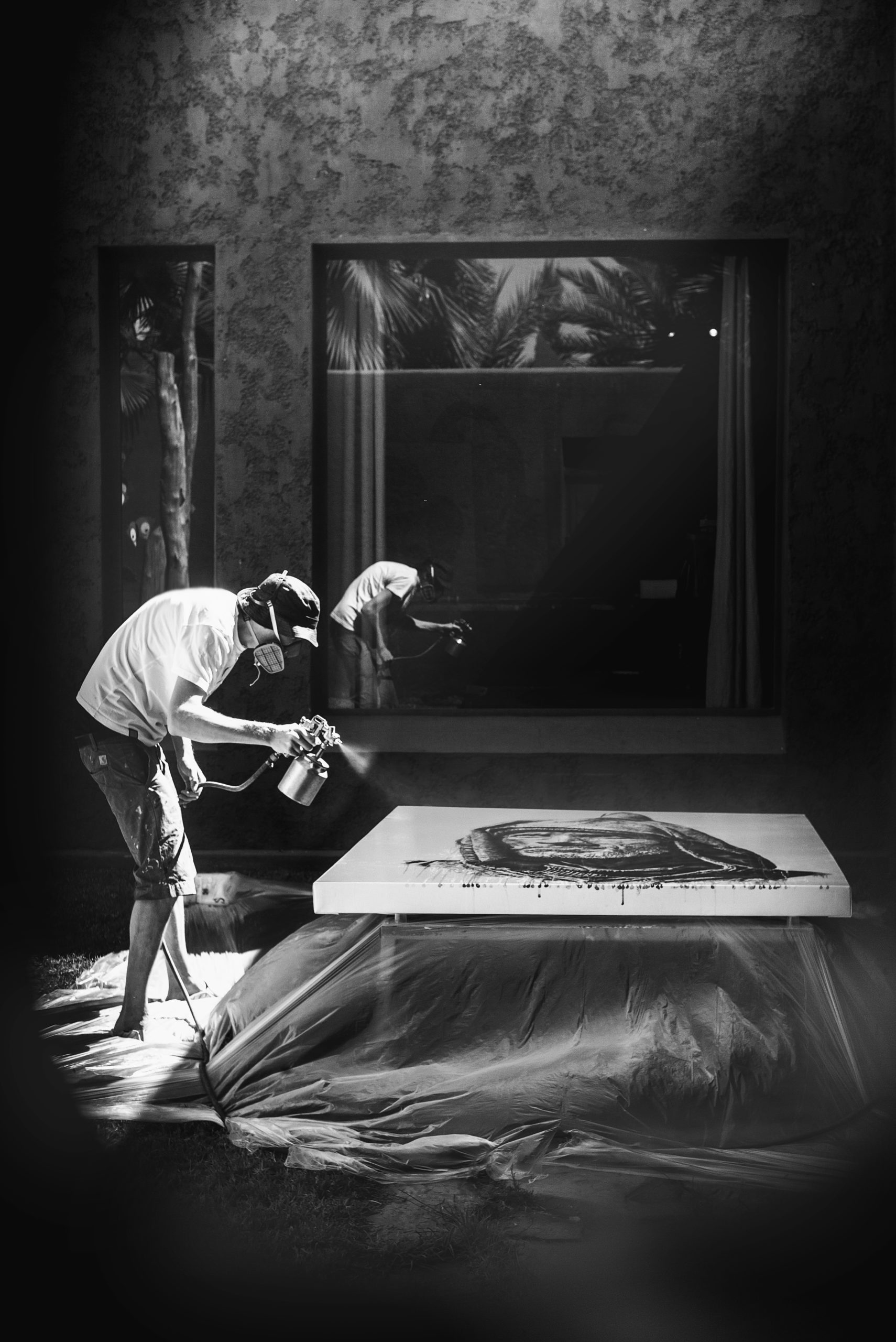
Henrick Beikirch : Masters of monumental frescoes

Hendrik-Beikirch_aout2015_Atelier-jardin-rouge
©Rober-Winter-scaled

Born in 1974 and based in Koblenz, Germany, Hendrik Beikirch has made a name for himself on the international art scene with his monumental murals and black and white portraits. These works, which adorn the streets of major cities around the world – from Europe to Australia and North America to Asia – are much more than mere urban decoration: they represent a compelling visual dialogue, a contemplation of individuality in the age of globalisation.

Categories
News

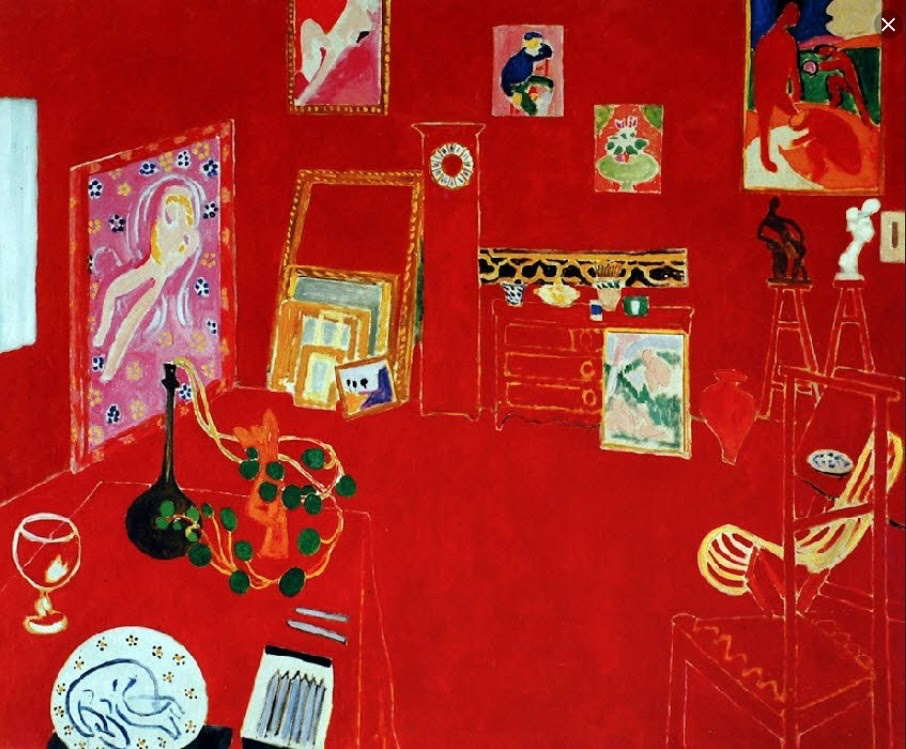
The real story “L’Atelier rouge” by Matisse

L'atelier rouge de Matisse

Henri Matisse‘s L’Atelier rouge is a testament to the transformative power of colour and form in modern art. Painted in 1911, it was first known to the world as Panneau rouge (Red Panel), emphasising its departure from traditional easel painting towards a more integrated, decorative approach. This title emphasised the painting’s radical monochrome, focusing on its colouristic boldness rather than its figurative elements – a pioneering move by Matisse that reflected the spirit of early modernism.

Categories
News

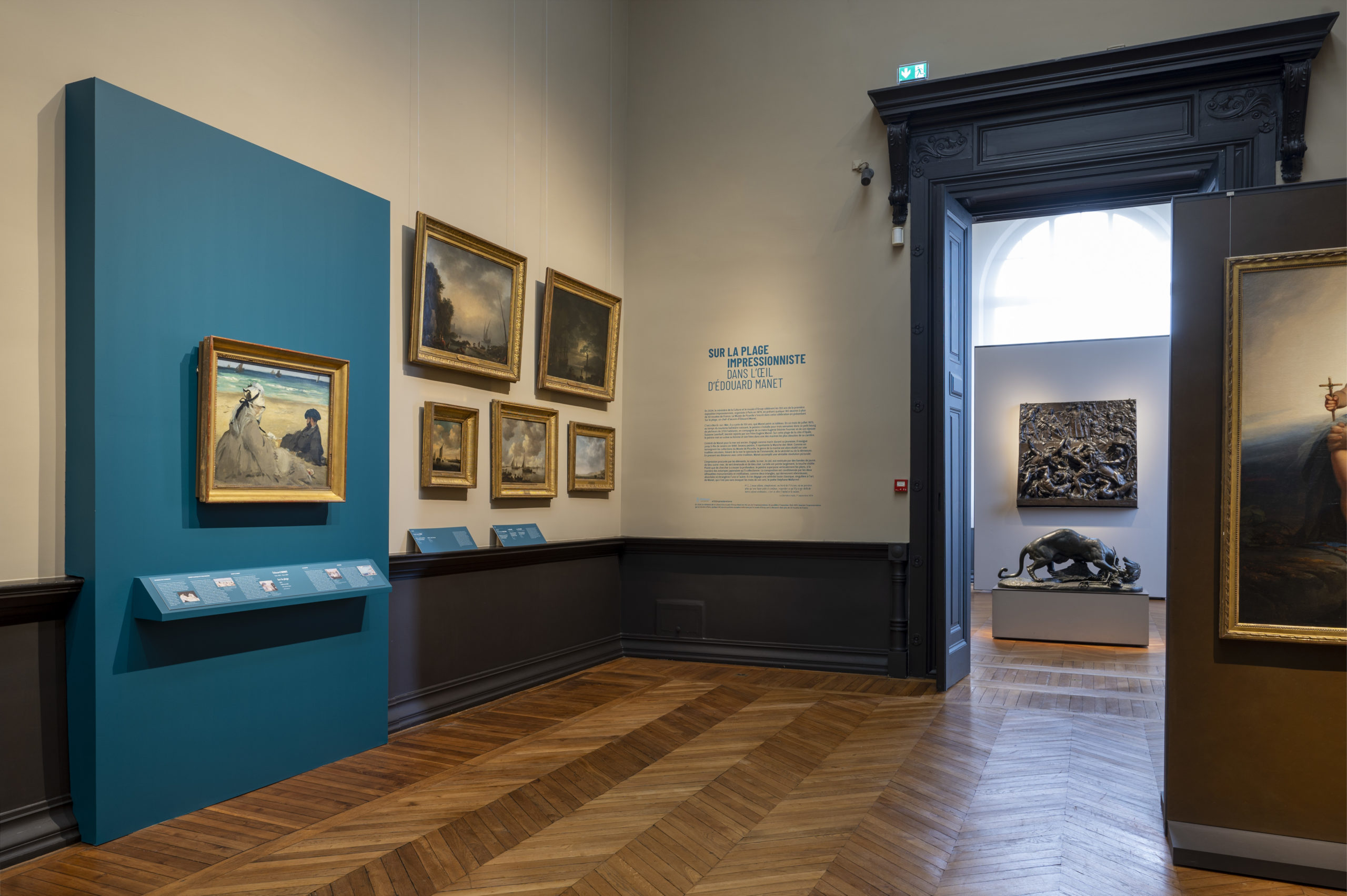
Immerse yourself in Impressionism : The “Sur la plage” exhibition at the Musée de Picardie

À l’occasion des 150 ans de l’impressionnisme, Sur la plage, d’Édouard Manet, est visible du 16 mars au 16 juin 2024 au musée de Picardie d’Amiens. Cest le Musée d’Orsay qui a prêté à Amiens cette œuvre “locale” d’Édouard Manet (1832-1883), peinte en 1873 à Berck-sur-Mer.

Since 16 March, the Musée de Picardie has been offering visitors a spellbinding immersion in the world of Impressionism through the exceptional exhibition “Sur la plage”. On loan from the prestigious Musée d’Orsay, this emblematic work by Édouard Manet takes visitors on an artistic journey to the heart of the movement that revolutionised French painting.

Exploring a masterpiece

Dated 1873, Sur la plage is much more than just a canvas. It is an open window onto the shore at Berck-sur-Mer, where the artist captures the fleeting moment when his wife Suzanne and his brother Eugène let themselves be carried away by the tranquillity of reading or contemplating the ocean. Through this intimate scene, Manet invites us to share a moment of serenity and melancholy, while inviting us to adopt the gaze of the yachtsman, imbued with the magic of the sea.

The genius of Manet and the Impressionist spirit

Édouard Manet, the guiding light of Impressionism, stands out for his singular vision of the world. A precursor of thisdaring movement, he defied academic conventions by favouring spontaneity, luminosity and fluidity in his works. “Sur la plage” is a perfect example, where bright colours and light brushstrokes express all the vivacity of nature and modern life.

Categories
Sculpture

Vincent Libecq

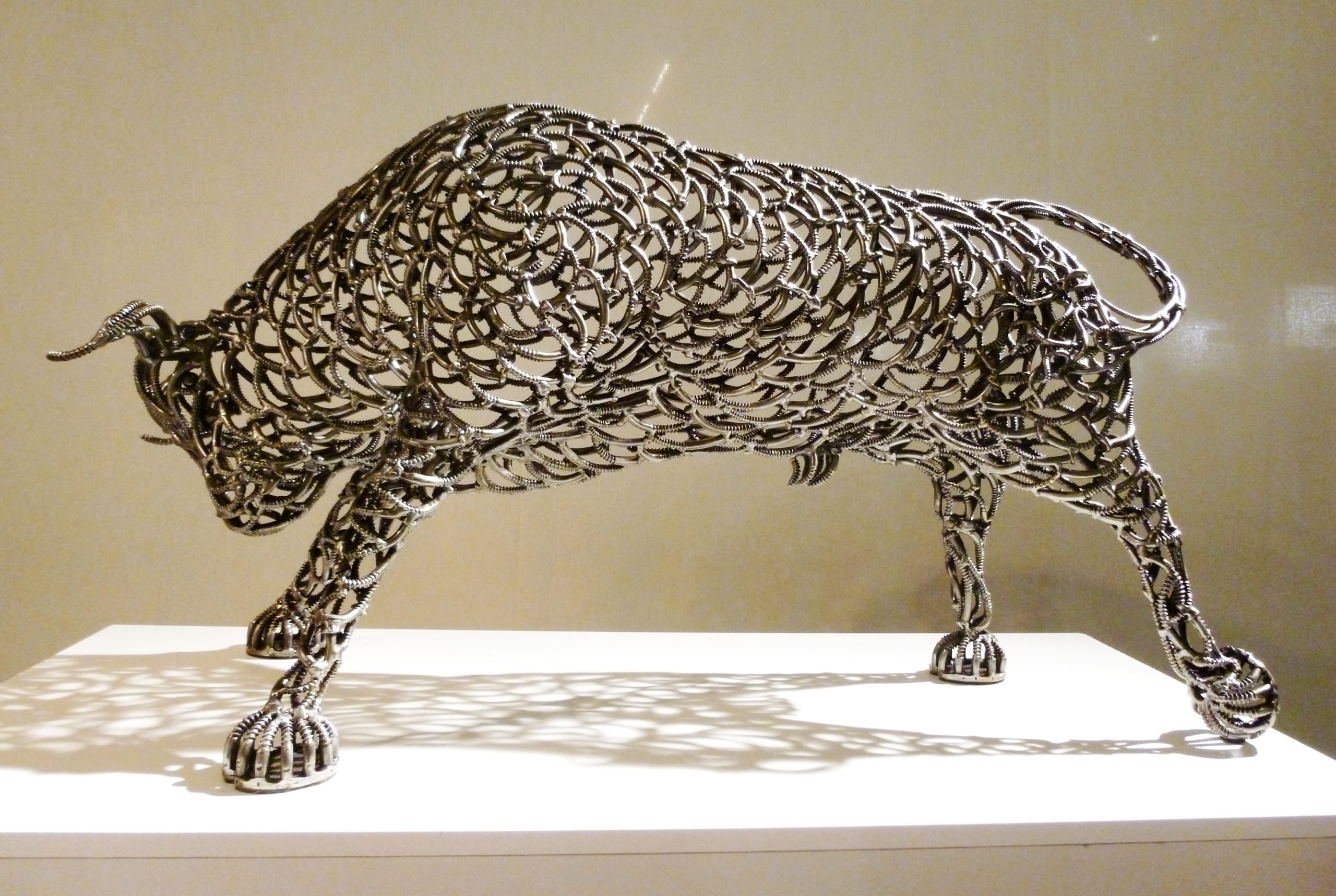
Vincent libecq sculpture le taureau ART MAG

Vincent Libecq‘s studio produces sculptures that are much more than mere objets d’art. They are vectors of emotion, bridges between the artist and the viewer. Born in 1966, Libecq learnt the art of sculpting at the age of 20. But beyond technique, transmitting his raw emotions to touch the universal is close to his heart !

Vincent Libecq, the transmitter of emotion


Describing himself as a “sculptor who passes on emotion”, he doesn’t see technique as an end in itself, but as a means of deeply touching those who stand before his works. The emotions of the world, captured by his observant eye, take shape in sculptures that speak of joy, beauty, sadness, fear, poetry and humour. In this approach, Libecq succeeds in making the intimate and the universal resonate, asserting that art is that emotion which intimately links us to the whole of humanity.

Dynamism and light in Libecq’s sculpture

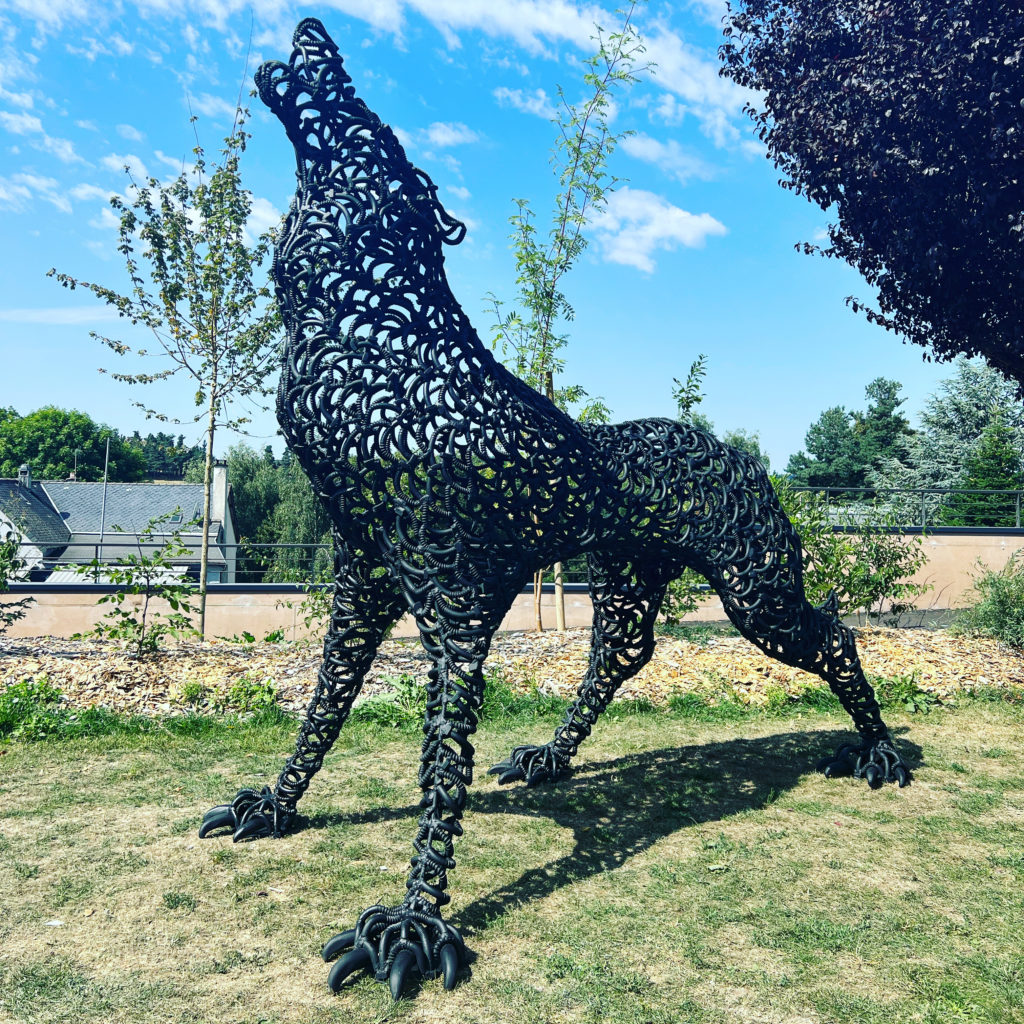
His works, such as Le Loup and Le Taureau, are powerful expressions of the strength and energy of these animals. They are shaped with a personal touch that introduces openwork metal not only as a material, but also as a dynamic sculptural element that interacts with light to create a living, expressive presence.

Categories
News - Sculpture - Street art

Astro

l'arstiste ASTRO dans son atelier avec une de ses sculptures
Lionel Belluteau

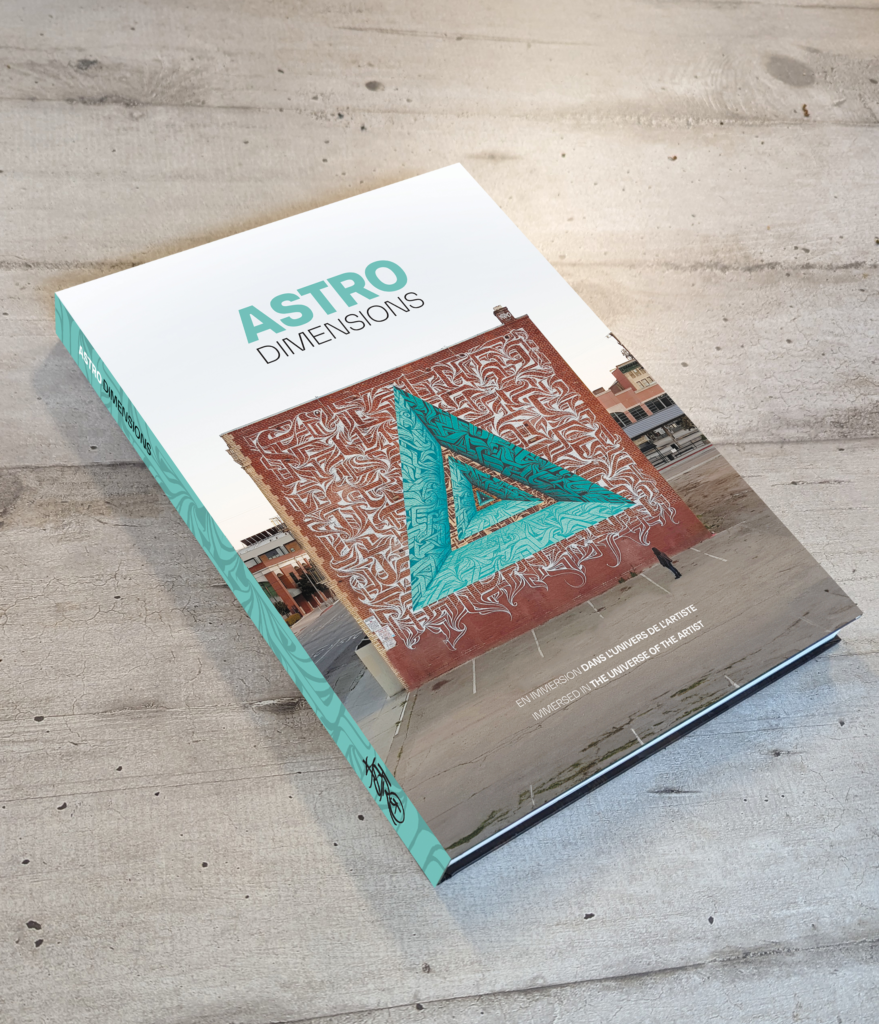
In the world of contemporary urban art, visual artist ASTRO stands out for his creative daring and his ability to push back the boundaries of artistic expression. He recently announced a new phase in his career with the launch of his first work entitled ‘DIMENSIONS’, and his remarkable foray into sculpture.

Launch of ‘Dimensions‘ at the Fluctuart urban art centre

DIMENSIONS which will be unveiled on 25 May 2024 at the Fluctuart urban art centre in Paris, promises a captivating dive into ASTRO’s twenty-year career. From his early graffiti work in the northern suburbs of Paris to his monumental frescoes and stunning optical illusions across the globe, this book offers a comprehensive retrospective of the artistic evolution of this talented innovator.

ASTRO and Sculpture : a new dimension

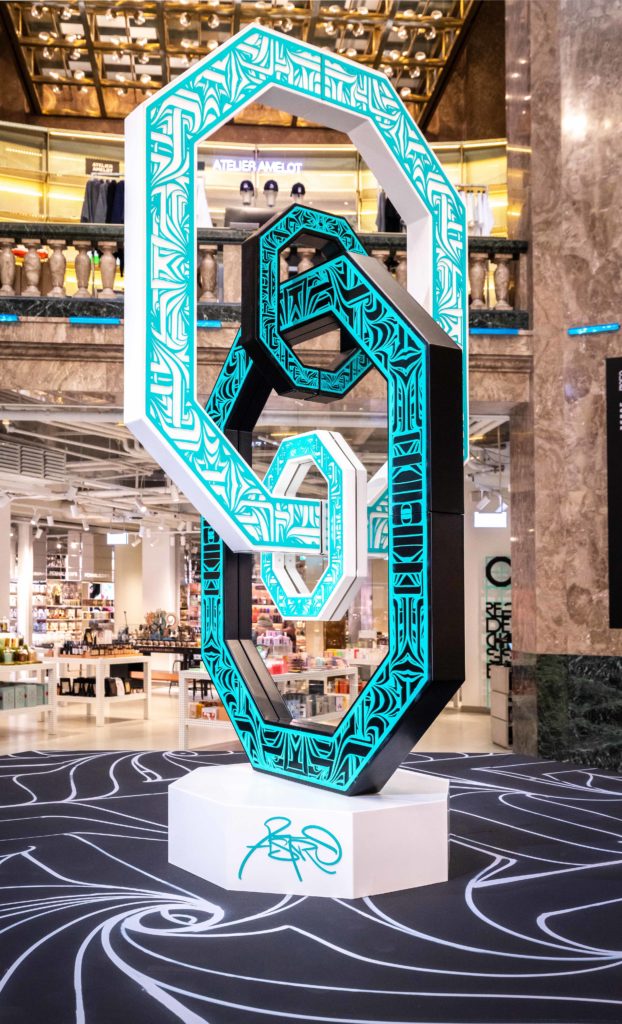
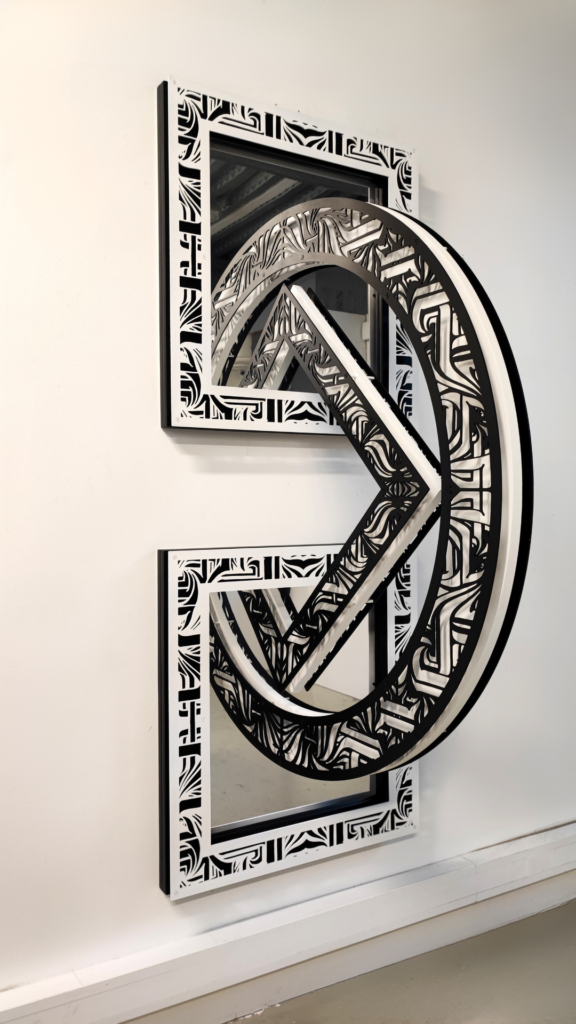
ASTRO, known for his XXL trompe-l’œil works that redefine the limits of perspective, is now embarking on a three-dimensional exploration with sculpture. His move from canvas to sculpture marks a natural evolution in his artistic approach, as he seeks to push back the boundaries of his art even further. His sculptures, characterised by subtle optical interplay and the skilful manipulation of gravity, promise to captivate audiences and transform urban space into a limitless artistic playground.

ASTRO’s impact with Urban Block

But ASTRO’s impact is not limited to its individual works. As a member of the Urban Block collective, he is actively involved in the artistic revitalisation of Florida’s Thrive Art District, collaborating on the creation of monumental concrete works that redefine urban aesthetics.

ASTRO‘s commitment to artistic innovation and his influence on the contemporary urban scene are undeniable. His work is regularly exhibited in prestigious institutions around the world, testifying to his international recognition and lasting impact on the global artistic landscape.