


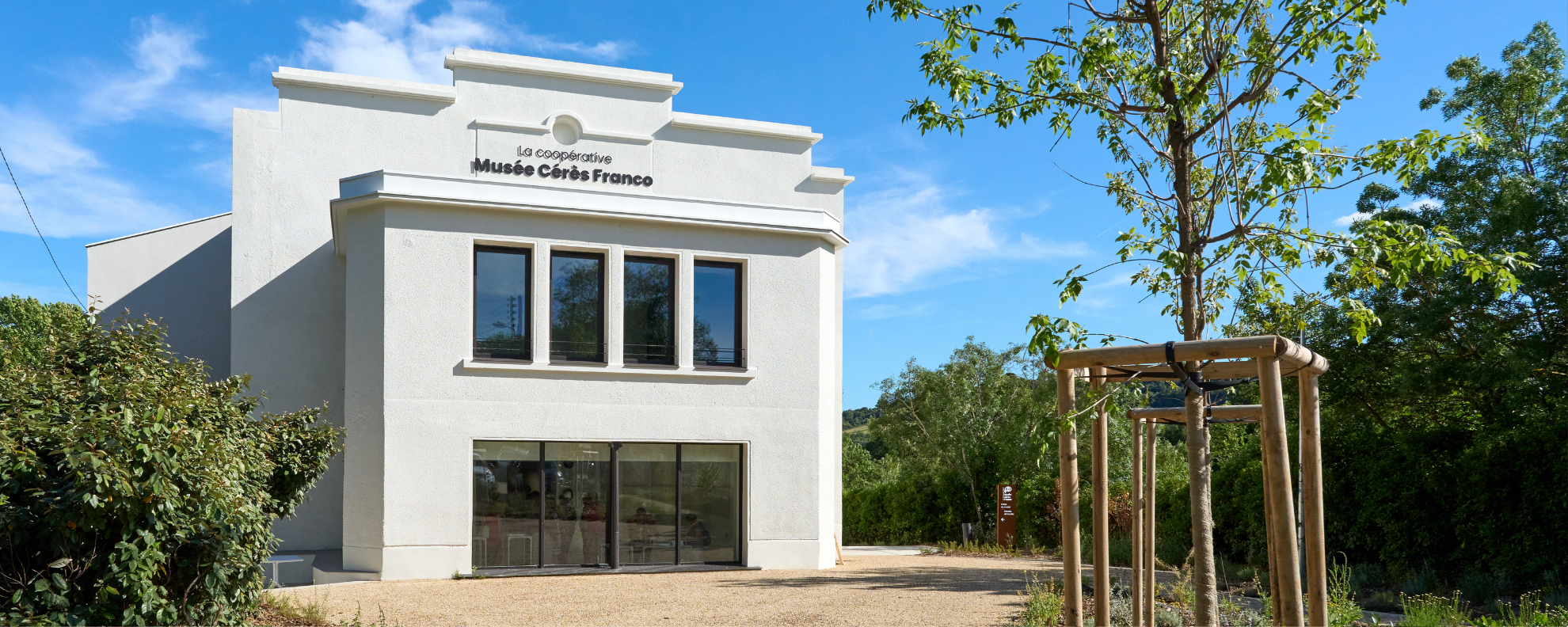
The Cérès Franco Museum in Montolieu is celebrating the centenary of the gallerist and collector with the exhibition “The Adventurers of the Bull’s-Eye: 100 Artists in Homage to Cérès Franco”. Following several years of renovation, the newly designated Musée de France invites visitors to rediscover artists who long remained on the margins of official art history.
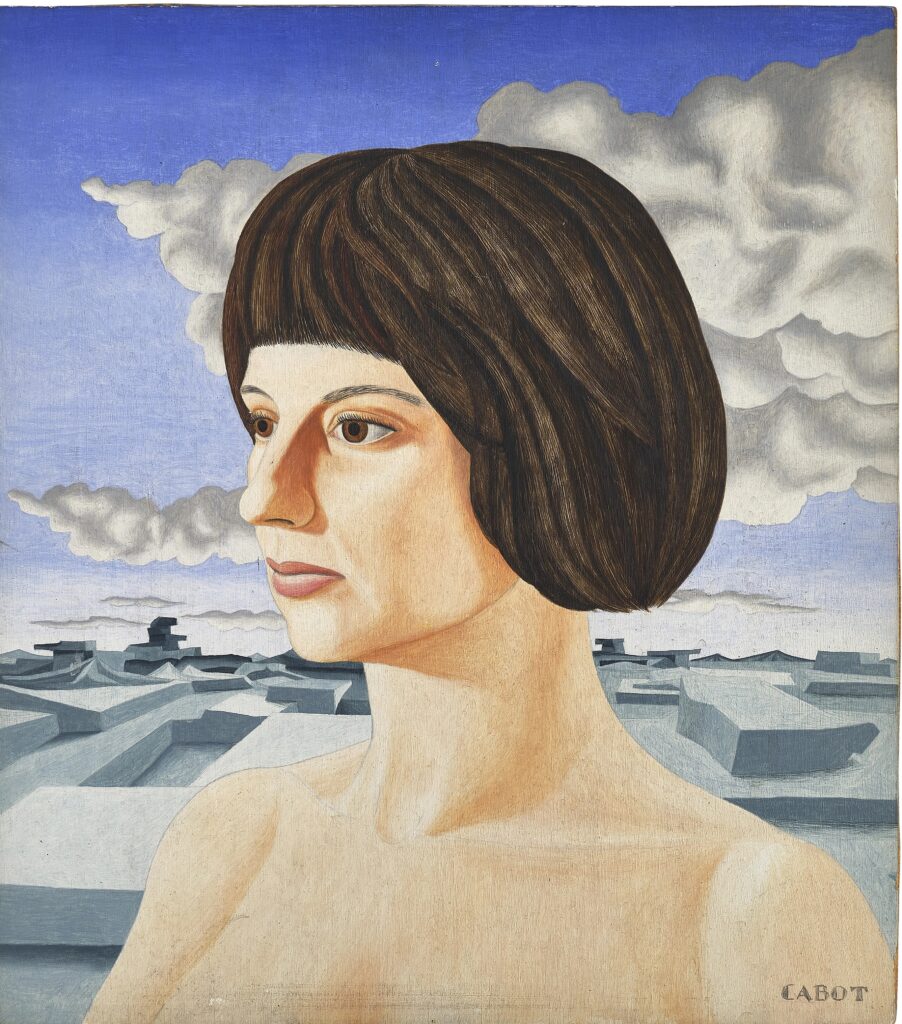
© Patrice Bouvier – ADAGP, Paris 2026
In Montolieu, a Village of Books and Arts located in the Aude department, around twenty kilometres from Carcassonne, a former wine cooperative now houses an exceptional art collection. The Cérès Franco Museum preserves almost 1,750 works by 323 artists from 39 countries.
Following several years of renovation, the Coopérative-Musée Cérès Franco reopened on 20 June 2026. Its transformation and designation as a Musée de France recognise the career of a woman who spent decades championing artists often overlooked by mainstream institutions.
This institutional recognition celebrates more than a collection. It highlights a particular way of looking at art: free, instinctive and unconstrained by established hierarchies.
Cérès Franco: A Gallerist with an Independent Vision
Born in Brazil in 1926 and based in Paris from the 1950s onwards, Cérès Franco was an art critic, curator, gallerist and collector.
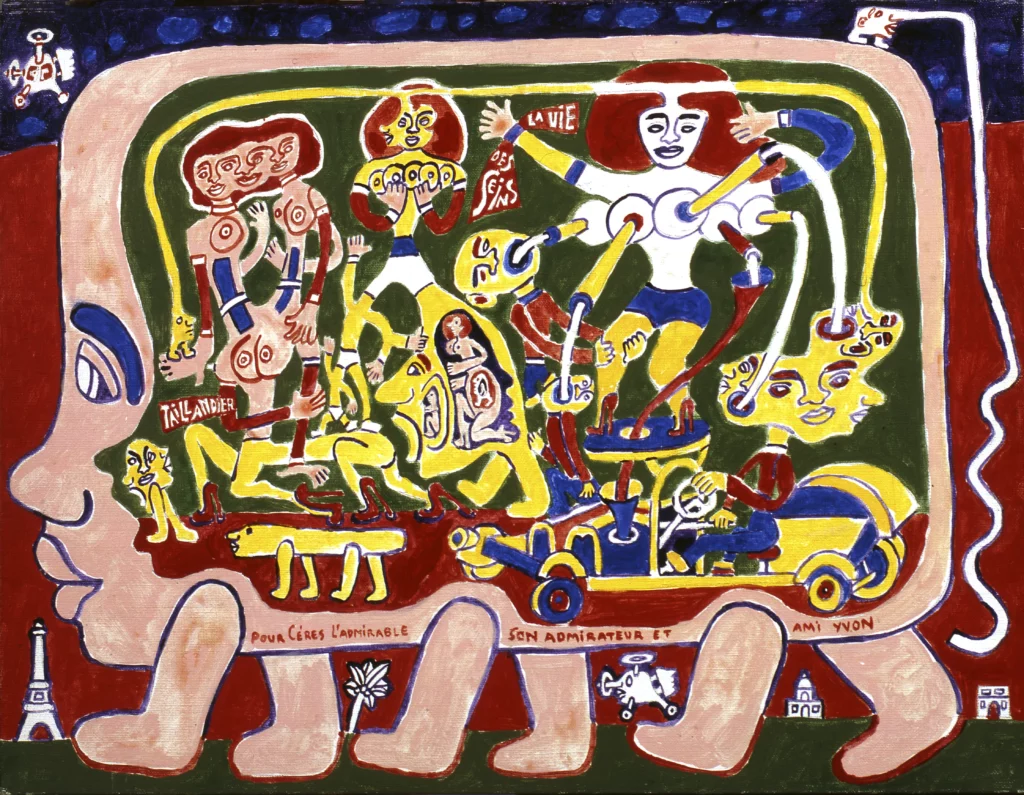
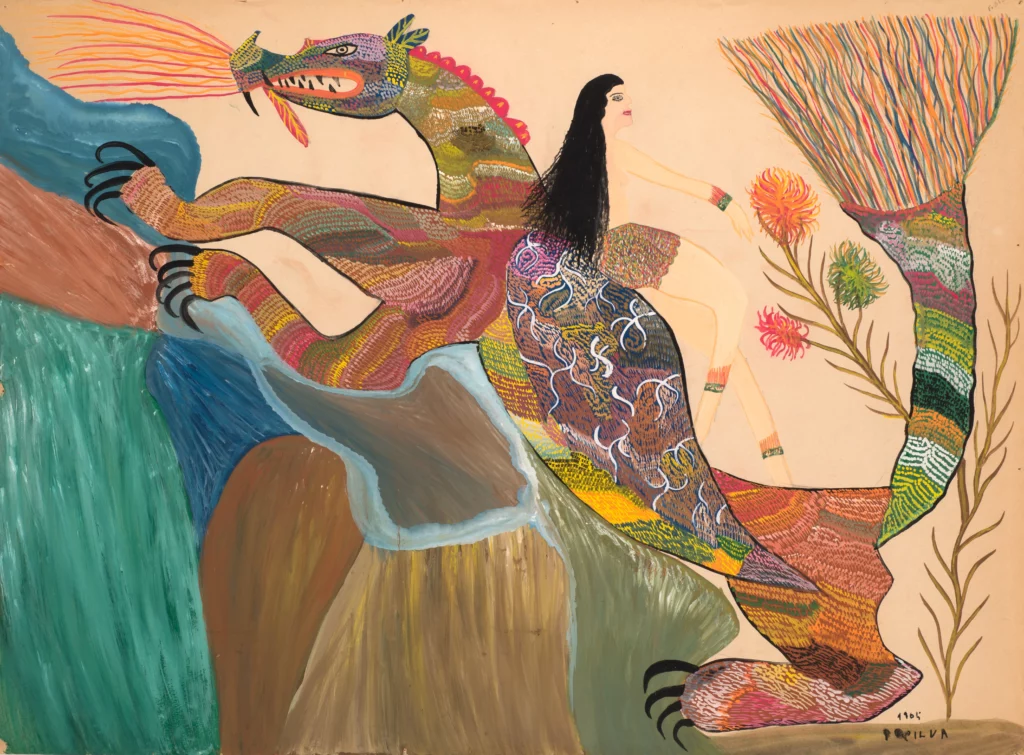
Her vision could not be confined to any single school. Brazilian and European naïve art, South American folk art, Art Brut, self-taught artists, the CoBrA movement and New Figuration all coexist within a collection that brings together forms of expression traditionally kept apart by conventional classifications.
Rather than following an encyclopaedic approach, the Cérès Franco Collection reveals an intuitive and passionate way of selecting artworks. Franco was drawn to expressive power, the human figure, colour and freedom of gesture.
She paid less attention to an artist’s position within the market or the institutional art world than to the ability of their work to provoke an emotional response. Through her choices, Cérès Franco helped bring visibility to artists who had long remained at the margins of the art world.
The collection’s current recognition therefore raises an essential question: how is art history constructed, and who decides which works will become part of our collective heritage?
The Cérès Franco Museum: A Cultural Landmark in Montolieu
Housed in a former wine cooperative since 2015, the Cérès Franco Museum has undergone a complete renovation led by the architectural practice Passelac & Roques, commissioned by the Occitanie Region.
The project preserves the building’s industrial heritage while adapting it to the requirements of a contemporary museum. Covering approximately 1,250 square metres, the institution now offers 650 square metres of exhibition space, twice its original capacity.
The museum also includes storage facilities that meet modern conservation standards, educational spaces and a documentation centre intended for both the public and researchers.
This transformation goes beyond architectural renovation. It demonstrates that a collection of national importance can be preserved and promoted from a rural setting. In Montolieu, culture is not treated as a privilege reserved for major cities, but as a space for discovery, research and transmission, open to everyone.
“The Adventurers of the Bull’s-Eye”: The Centenary Exhibition
To celebrate the centenary of Cérès Franco’s birth, the museum’s tenth anniversary and its reopening, the institution is presenting “The Adventurers of the Bull’s-Eye: 100 Artists in Homage to Cérès Franco”.
The exhibition revisits a landmark initiative launched by Cérès Franco in 1962. She invited several artists to abandon the traditional rectangular canvas and create freely on a circular or oval support, known in French as an œil-de-bœuf, or bull’s-eye.
This deliberately simple constraint transformed the way an artwork could be composed. The circular format removed conventional reference points, redirected the viewer’s gaze and encouraged artists to rethink the boundaries of the picture itself.
The initiative led to several international exhibitions and eventually brought together almost 250 creations. In Montolieu, the current exhibition presents approximately 150 historical works, archival documents and contemporary creations.
Sonia Delaunay, Niki de Saint Phalle, Jacques Monory, Mimmo Rotella and Corneille are among the artists represented.
Beyond the diversity of its celebrated names, “The Adventurers of the Bull’s-Eye” reveals Cérès Franco’s singular approach to curating. She did not seek to unite artists around a prescribed aesthetic doctrine. Instead, she offered them a shared field of experimentation: precise enough to stimulate creation, yet open enough to preserve each artist’s individuality.
The exhibition pays tribute to a woman who continuously brought artists, generations and cultures into dialogue.
Preserving a Collection of 1,750 Works
The reopening of the Cérès Franco Museum has been accompanied by a major research and conservation project initiated in 2023. The museum’s team carried out an inventory of approximately 1,750 works to document their condition, provenance and possible restoration requirements.
An anoxic treatment was also organised for works affected by harmful insects. This technique involves placing artworks in an airtight, oxygen-free environment, avoiding the use of chemicals that could damage their materials.
At the same time, the museum is continuing to document and digitise its collection. The resource centre is intended to house the Cérès Franco archives and information relating to the artworks, gradually making this material available to the public and researchers.
Although less visible than an exhibition, this work is essential. It transforms a collection born from a personal adventure into a cultural heritage that can be preserved, studied and passed on to future generations.
When Artists from the Margins Enter the Museum
The rebirth of the Cérès Franco Museum ultimately tells a story of recognition: the story of works selected outside established hierarchies that are now housed within an institution holding the prestigious Musée de France designation.
It also reminds us that a collection is never neutral. It carries a vision of the world, a set of commitments and, at times, acts of refusal. By choosing artists for the intensity of their work rather than their institutional standing, Cérès Franco created a collection that is both deeply personal and resolutely international.
A century after her birth, her vision remains as powerful as ever. It invites us to reconsider the boundaries between fine art and folk art, and between celebrated artists and creators who have remained in the shadows.
In Montolieu, the margins are no longer relegated to the periphery of art history: they have become the very heart of the museum.
Practical Information
The Adventurers of the Bull’s-Eye: 100 Artists in Homage to Cérès Franco
Until early January 2027
Coopérative-Musée Cérès Franco
5 Route d’Alzonne
11170 Montolieu, France
Tuesday to Sunday
10 a.m.–12.30 p.m. and 2–6 p.m.