Categories
Inside the Art Market

How does the art market work?

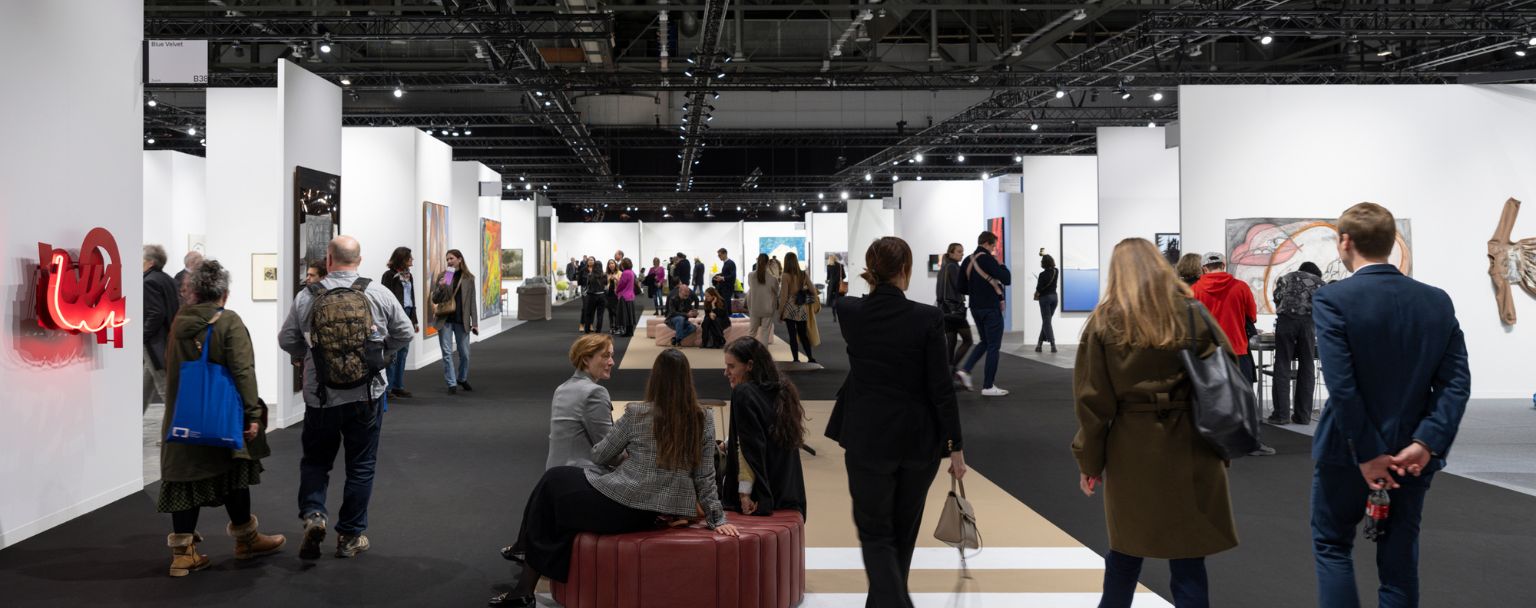
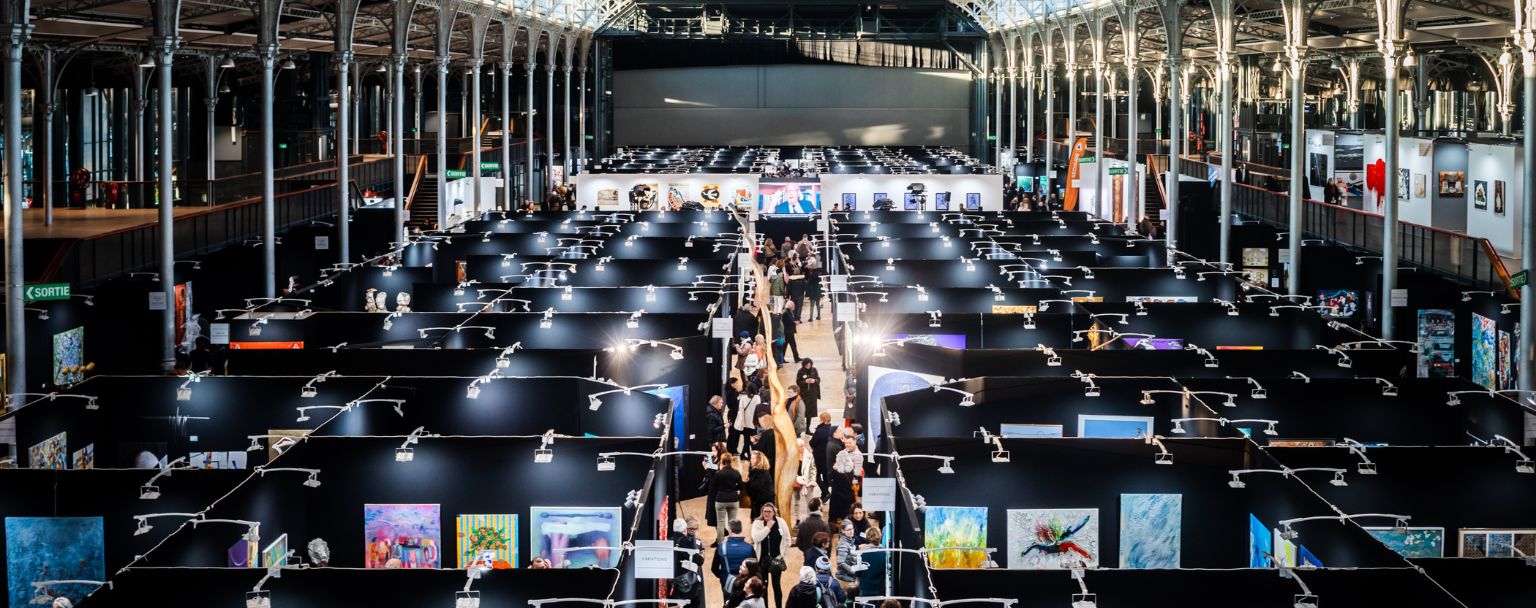
foire d’art contemporain illustrant le fonctionnement du marché de l’art international

Understanding the Mechanisms That Determine the Value of Artworks

The art market fascinates as much as it intrigues. Each year, certain artworks reach spectacular prices at international auctions, while thousands of artists attempt to find their place in a system often perceived as opaque.

But how does the contemporary art market really work ? Who determines the price of artworks? And why do some artists achieve recognition quickly while others remain largely invisible?

To understand how the art market functions, it is necessary to examine the economic, social, and institutional mechanisms that structure this complex artistic ecosystem.

The Art Market : A Structured Economic System

Unlike many other economic sectors, the art market is highly stratified. It is organized into several distinct levels, each playing a specific role in the circulation of artworks and the recognition of artists.

This structure explains why the spectacular sales observed at major auction houses represent only a small part of the real economy of art.

The Different Levels of the Art Market

The Secondary Market : Auctions and Established Works

The secondary market refers to the resale of artworks that have already been acquired. It is primarily dominated by major auction houses.

This segment generally involves works by already recognized artists. Transactions can reach very high amounts and often involve international collectors.

These high-profile sales contribute to strengthening the market value of certain artists and attract the attention of both media and investors.

The Primary Market : The Role of Galleries

The primary market refers to the first sale of an artwork, usually carried out through a gallery.

This is where the careers of contemporary artists are largely built. Galleries select artists, organize exhibitions, and cultivate relationships with collectors.

Prices are generally set by the gallery in agreement with the artist and tend to increase gradually as the artist gains recognition.

The Emerging Market : Discovering New Artists

The emerging market often represents the first stage of an artist’s career.

It includes young galleries, alternative art fairs, artist collectives, and digital platforms. Although transactions in this segment are generally more modest, it plays a crucial role in discovering new artistic talents.

The Central Role of Galleries in the Art Market

Within the contemporary art market, galleries play a decisive role.

They do far more than simply sell artworks. Gallery owners often act as career agents, selecting artists, organizing exhibitions, increasing their visibility, and gradually building their reputation.

Some influential galleries can significantly accelerate an artist’s recognition and influence their trajectory within the international art market.

Collectors as Key Actors in the Art Market

Art collectors represent another essential pillar of the art market.

Their influence extends far beyond the act of purchasing. By consistently supporting certain artists, lending works to exhibitions, or participating in cultural foundations, collectors contribute to shaping artistic recognition.

Some historical figures have had a profound impact on the history of art.

The collector Peggy Guggenheim, for example, supported numerous modern artists and played a major role in promoting the international avant-garde.

The Influence of Museums and Cultural Institutions

Cultural institutions also play a crucial role in artistic recognition.

When an artist is exhibited in a museum or included in a public collection, their artistic legitimacy increases significantly. Such events can have a direct impact on the artist’s market value.

The art market therefore functions both as an economic system and as a system of cultural recognition.

Why Some Artworks Gain Value

The value of an artwork does not depend solely on its aesthetic quality.

It results from a combination of factors :

  • the reputation of the artist
  • support from galleries
  • interest from collectors
  • institutional exhibitions
  • the circulation of the work within the market.

The sociology of art shows that artistic recognition is often the result of a collective process involving multiple actors.

Understanding the Art Market to Better Understand Art

Analyzing the art market does not mean reducing artistic creation to a purely financial logic.

On the contrary, it helps us better understand the social and economic conditions in which artworks are produced, circulated, and recognized.

Artists, galleries, collectors, and institutions together form a complex ecosystem where artistic value is constructed.

Understanding these mechanisms ultimately allows us to better grasp how the history of contemporary art is shaped.

Subscribe to ART MAG and receive each issue in advance, in print and digital formats.
👉 Subscribe: 6 issues / 1 year

Articles to Read

Categories
International

Creating During War: How Iranian Artists Continue to Paint, Film and Dream Despite the Conflict

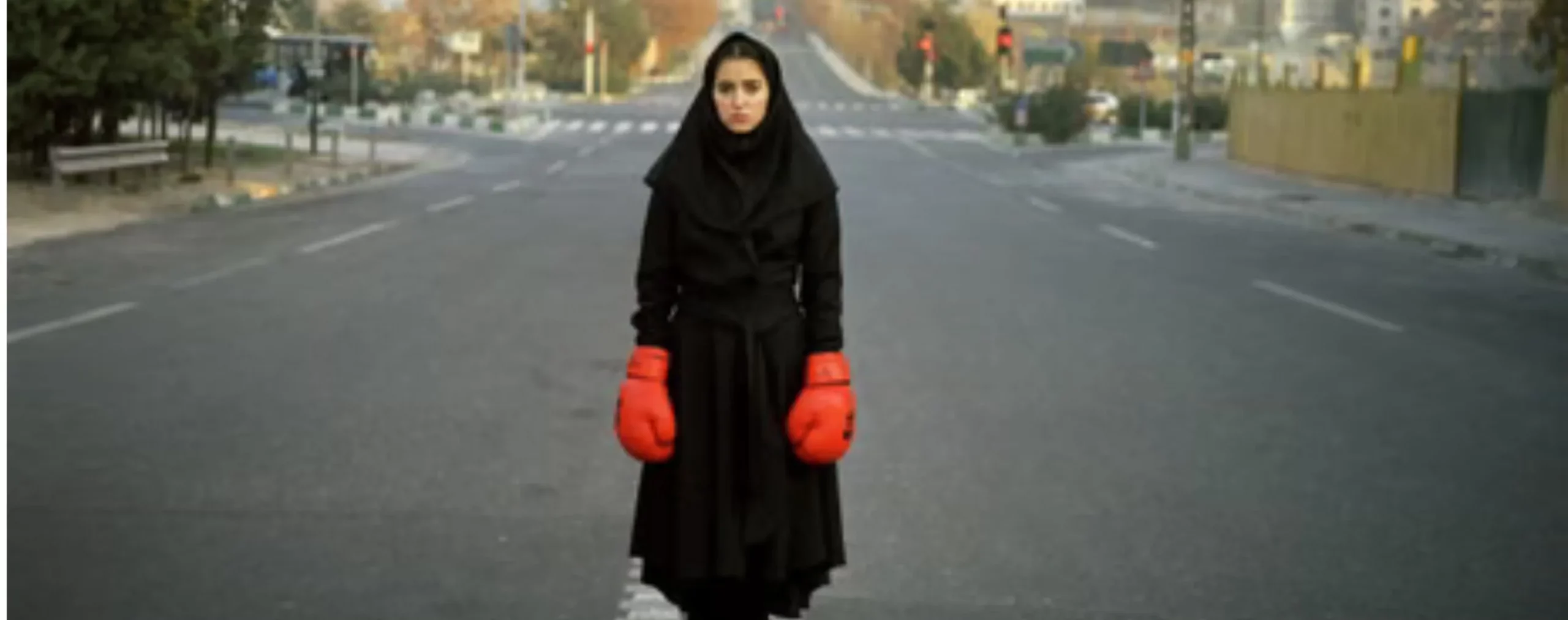
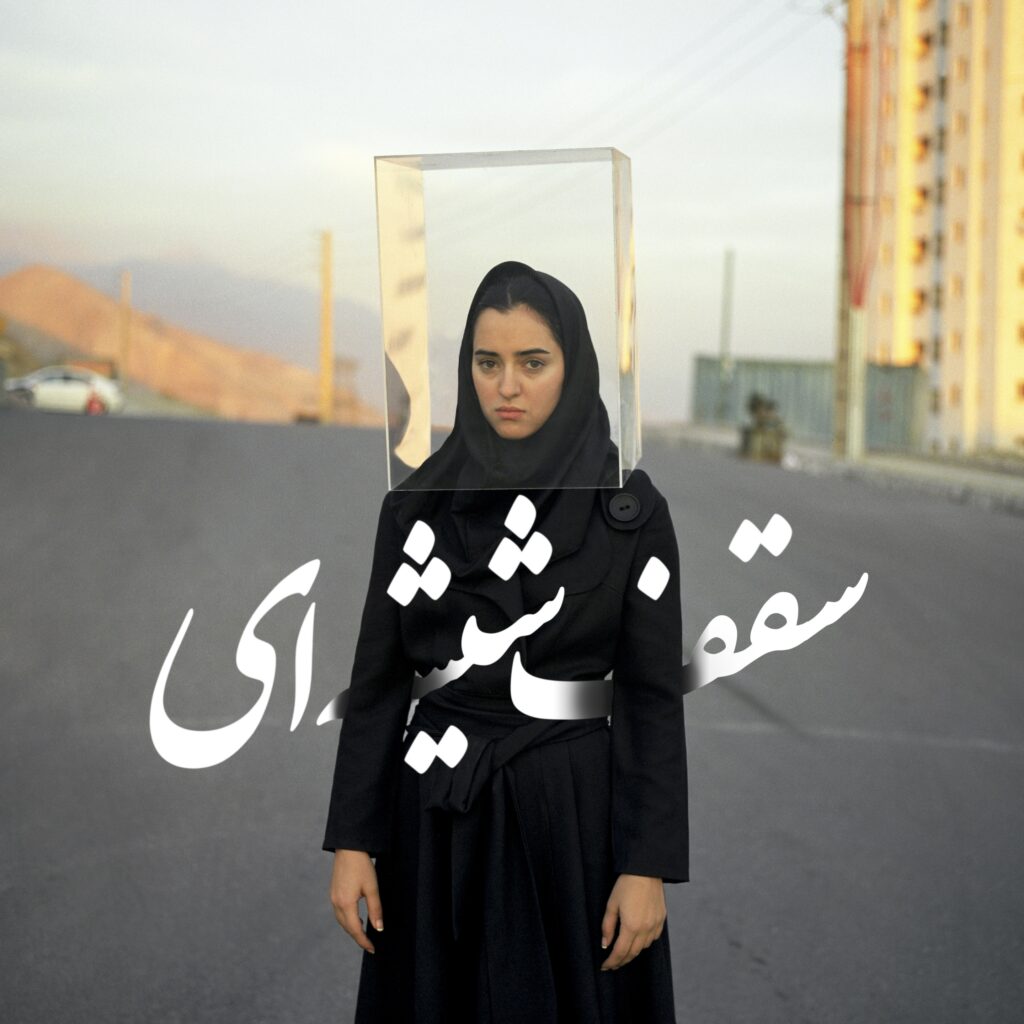
Photographie issue de la série Listen de Newsha Tavakolian, explorant la place des femmes et la question de la voix artistique dans la société iranienne.

When Art Refuses to Disappear

In times of war, some voices fade away. Others grow stronger.

As military tensions surrounding Iran reshape the fragile balance of the Middle East, another reality unfolds far from diplomatic conferences and military briefings: the reality of artists who continue to create.

In improvised studios, in apartments turned into workshops, or thousands of miles away from their homeland, these artists pursue their work. Not because the conditions are favorable, but because creation becomes a way of surviving history as it unfolds.

For many Iranian artists, art is not only an aesthetic practice—it becomes a form of resilience.

Creating Under Pressure

Creating art during wartime means working under constant uncertainty.

Galleries may close overnight. Exhibitions are cancelled. Travel becomes difficult. The art market slows down.

Yet artistic production does not stop.

Some artists work with limited resources, using simple or recycled materials. Others turn to digital platforms, sharing their work online when traditional exhibition circuits become inaccessible.

In such conditions, art changes its role. It is no longer only about producing aesthetic objects. It becomes a tool to understand, interpret, and document reality.

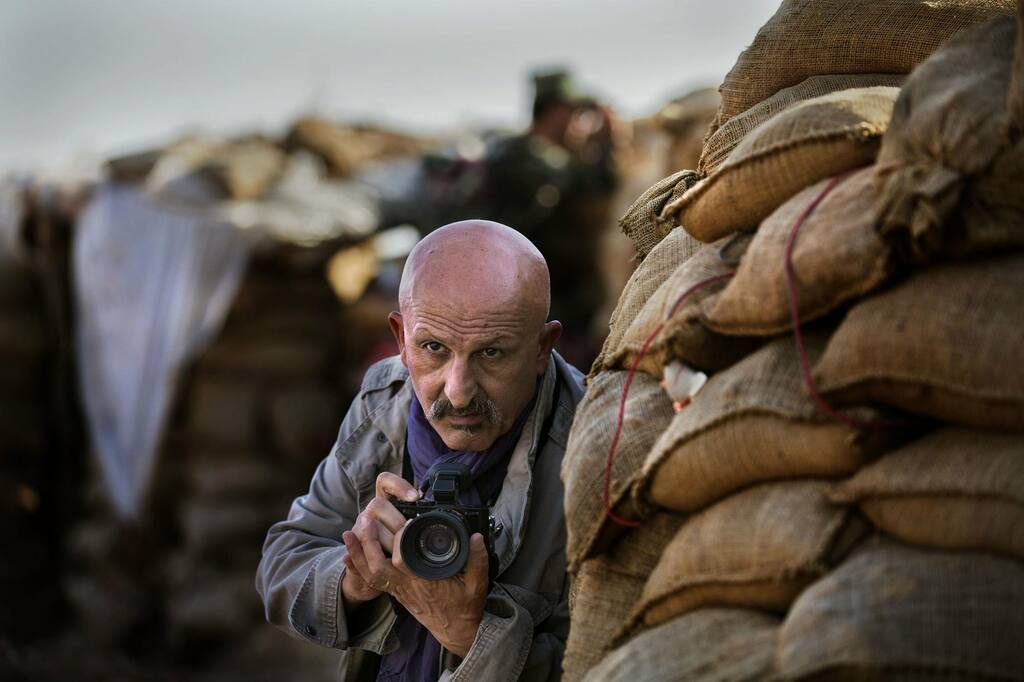
Photo : Reza / Webistan / Libération – Florence Donnarel. A photographer documents the realities of conflict in the Middle East. For many Iranian and Middle Eastern artists, photography has become a way of bearing witness to war.

Art as a Testimony of War

Across several countries in the Middle East, contemporary art has increasingly become a form of visual testimony.

Artists photograph urban landscapes transformed by political crises. They use archives, fragments of media imagery, or objects collected from cities to create works that reflect the experience of conflict.

Ruins, abandoned buildings, and deserted landscapes become powerful artistic motifs.

Yet these works do not only represent destruction. They also capture how societies attempt to continue living despite war.

Through painting, photography, and film, artists create visual narratives that reveal emotions often absent from political or military reports.

Photo: Newsha Tavakolian / Magnum Photos – from the series Listen (2011).

Exile : A New Geography of Iranian Art

For many Iranian artists, war and political tensions reinforce an older reality: exile.

Over the past decades, a significant Iranian artistic diaspora has emerged in major global cities.

In Paris, Berlin, London, or New York, Iranian artists continue their work while remaining deeply connected to the events unfolding in their homeland.

Their work often explores themes such as:

  • memory
  • identity
  • borders
  • migration

Exile becomes a source of creativity. Artists explore the distance between their present lives and the memories of the country they left behind.

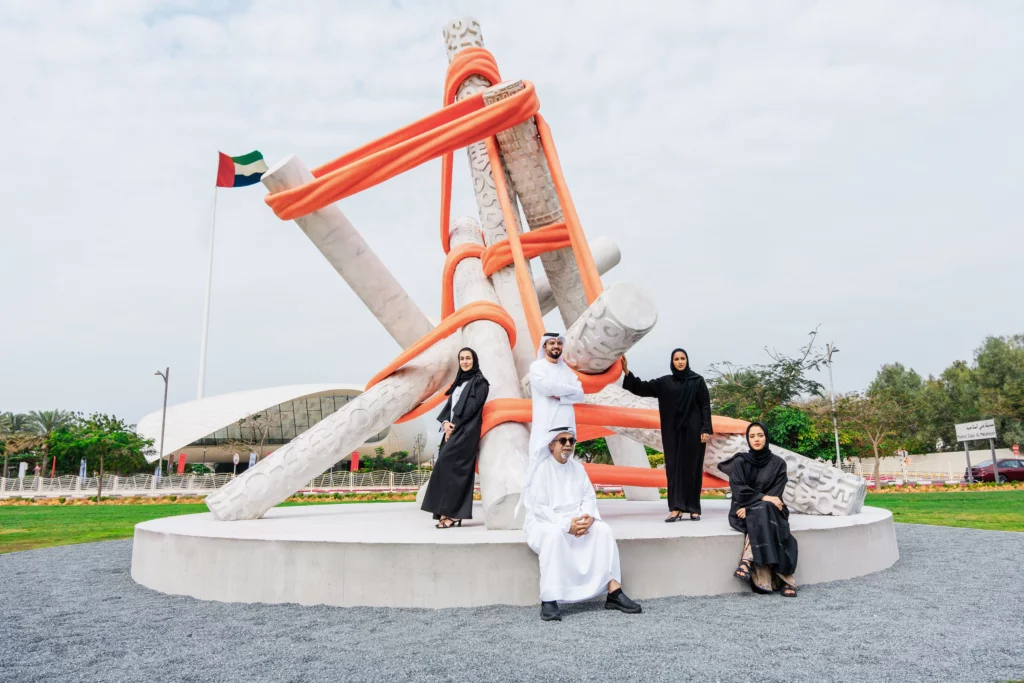
The Union of Artists outside the Etihad Museum in Dubai, with the artists, from left to right: Shaikha Al Mazrou, Khalid Al Banna, Mohamed Ahmed Ibrahim (seated), Asma Belhamar and Afra Al Dhaheri. Courtesy Dubai Culture.

Dubai : A Cultural Hub in the Middle East

In a region often marked by political instability, some cities are emerging as cultural platforms.

Dubai has become one of the most important artistic centers in the Middle East. The city hosts international galleries, collectors, and art fairs that attract artists from across the region.

For many creators from Iran or the Levant, Dubai offers a rare opportunity: the possibility to exhibit their work in a relatively stable environment.

The city now functions as a bridge between local artistic scenes and the global art market.

Why Art Becomes Essential in Times of Crisis

In the face of violent conflict, art may appear fragile. Yet it plays a crucial role in understanding history.

Artists capture experiences that political and military reports often fail to reveal: fear, loss, hope, and the resilience of societies attempting to rebuild.

Their works become sensitive archives of the present.

Decades from now, these images may help us understand what it meant to live through this period of tension.

Creation as a Form of Resistance

War transforms societies, but it rarely succeeds in silencing artistic creation.

On the contrary, moments of crisis often produce works that leave a lasting mark on the history of art.

Today, Iranian and Middle Eastern artists continue to work in challenging circumstances. Their works testify to a complex historical moment in which creativity attempts to resist the violence of the world.

And perhaps this is where the true power of art lies: even when history seems dominated by conflict, artists continue to imagine other possible narratives.

Categories
Inside the Art Market

Sociology and Economics of the Art Market : Understanding What Really Determines the Value of an Artwork

foire internationale d'art contemporain marché de l'art galeries et collectionneurs

Why do some artworks sell for millions while others remain largely unknown? How does an artist’s value emerge? And who ultimately decides what counts in the history of art?

To understand the contemporary art market, it is not enough to focus on spectacular auction results or record-breaking sales. Behind these figures lies a complex ecosystem where economic dynamics, social networks, cultural institutions, and collectors’ strategies intersect.

The sociology and economics of the art market provide essential tools for understanding these often invisible mechanisms that shape an artist’s career and determine the value of a work of art.

The Art Market as a Structured Ecosystem

The global art market functions as a multi-layered ecosystem composed of distinct but interconnected segments.

At the top sits the market for blue-chip artworks, dominated by major international galleries and leading auction houses. Works circulating within this segment are typically created by established artists whose reputations are already secured through museum exhibitions, institutional collections, and long-standing gallery representation.

A second level consists of the network of established galleries and international art fairs. This segment plays a crucial role in shaping the careers of living artists. While prices are generally more accessible than in the blue-chip market, entry into this sphere remains highly selective and largely governed by professional networks.

Finally, the emerging market includes early-career artists, experimental galleries, and increasingly digital platforms. Although financial transactions at this level are often smaller, this segment functions as the laboratory of the art world, where new artistic practices and future market leaders often emerge.

This layered structure explains why high-profile auction results represent only a fraction of the real economic activity within the art world.

Who Really Creates an Artist’s Value ?

Contrary to common belief, the value of an artwork is not determined solely by its aesthetic quality.

Instead, value emerges through a complex network of actors who participate in the process of artistic legitimization :

  • galleries
  • collectors
  • curators
  • art critics
  • cultural institutions
  • international art fairs.

When an artist receives support from several of these actors simultaneously, their visibility increases significantly and their market value can evolve rapidly.

From a sociological perspective, artistic recognition is rarely the result of a single factor. Rather, it is produced through collective processes in which reputation, professional networks, and cultural context all play decisive roles.

Subscribe to ART MAG and receive each issue in advance, in print and digital formats.
👉 Subscribe: 6 issues / 1 year

The Central Role of Collectors

Collectors occupy a particularly influential position within the art market.

Their role extends far beyond the act of purchasing. By consistently acquiring works from specific artists, lending them to exhibitions, or supporting museums and cultural institutions, collectors actively participate in shaping artistic reputations.

Throughout the twentieth century, certain collectors played a decisive role in the recognition of major artistic movements. The American collector Peggy Guggenheim, for example, was instrumental in promoting the European avant-garde and supporting the emergence of Abstract Expressionism in the United States.

Similarly, the writer and collector Gertrude Stein helped shape the early recognition of artists such as Pablo Picasso and Henri Matisse in the Parisian avant-garde of the early twentieth century.

These examples illustrate how collectors can become key actors in the construction of art history itself.

Museums and Institutions : The Power of Cultural Legitimacy

Cultural institutions play an equally decisive role in the structure of the art market.

When an artist is exhibited in a major museum or included in a public collection, their artistic legitimacy is significantly reinforced. Institutional acquisitions often stabilize the long-term value of an artist’s work and contribute to the consolidation of their reputation.

The art market therefore operates simultaneously as an economic system and a symbolic system in which institutional recognition directly influences market valuation.

Transformations in the Contemporary Art Market

Over the past two decades, the global art market has undergone significant transformations.

Several factors have contributed to these changes:

  • the rapid growth of international collectors
  • the globalization of the art market
  • the expansion of digital platforms
  • the emergence of new generations of buyers.

Social media and online platforms now allow certain artists to reach global audiences without relying exclusively on traditional gatekeepers such as galleries or institutions. As a result, the structure of the art market continues to evolve, opening new opportunities while also creating new forms of competition.

These transformations make the sociological and economic analysis of the art market more relevant than ever.

Understanding the Market to Better Understand Art

Studying the art market does not reduce art to financial speculation. On the contrary, it provides insight into the social, cultural, and economic conditions in which artworks are created, circulated, and recognized.

Artists, collectors, galleries, curators, and institutions together form a complex ecosystem where artistic value is constantly negotiated and redefined.

Understanding these dynamics ultimately allows us to better grasp how contemporary art history itself is being written.

Subscribe to ART MAG and receive each issue in advance, in print and digital formats.
👉 Subscribe: 6 issues / 1 year

Categories
Featured Artist - International - Painting - Paris - Photography - Sculpture

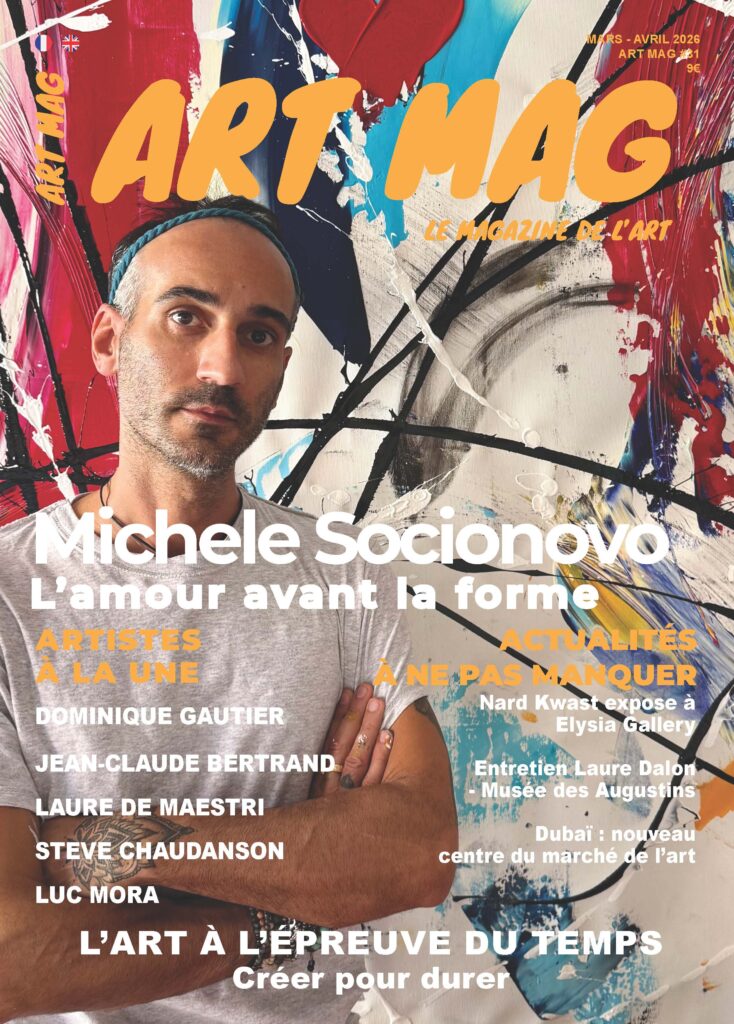
Featured Artists in ART MAG Issue #31

ART MAG Issue #31 (March–April 2026) highlights several contemporary artists whose work reflects the diversity and vitality of today’s global art scene. From abstract painting and monumental sculpture to experimental photography and culturally inspired drawing, these artists explore new visual languages and innovative forms of artistic expression.

Through these artist profiles, ART MAG continues its editorial mission: to spotlight the artists shaping the contemporary international art scene.

Here are six artists to discover in this new issue.

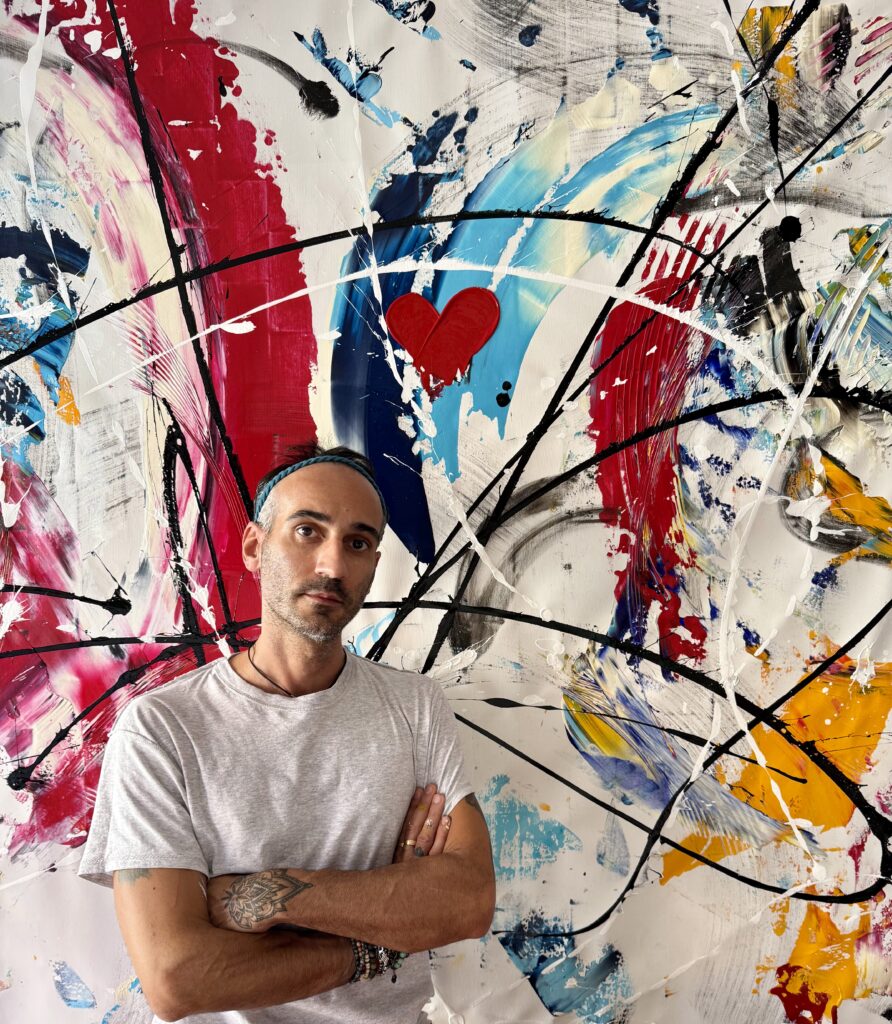
Michele Socionovo in front of one of his words "Amour Abstrait" magazine art mag international
Michele Socionovo in front of one of his words “Amour Abstrait”

Michele Socionovo : Emotion Before Form

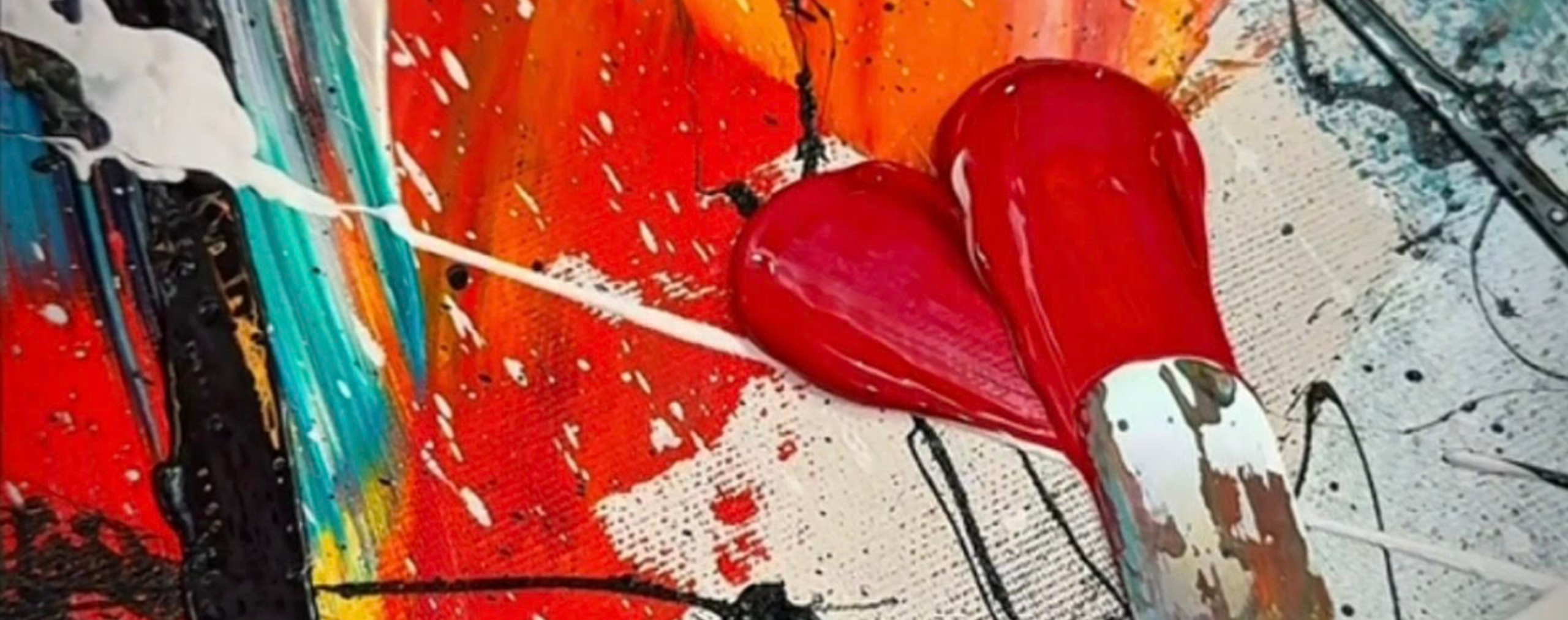
Italian contemporary artist Michele Socionovo develops an abstract painting practice centered on emotion and intuition. His work, which he describes as “abstract love,” explores the raw sensations that exist before intellectual interpretation.

His paintings are built through layered pictorial compositions and instinctive gestures, where color becomes a space for free expression. Rather than narrating a story, Socionovo’s art invites viewers to experience the work through its pure emotional and sensory dimension.

Within the field of contemporary abstract art, his approach emphasizes the immediacy of feeling and the expressive power of color.

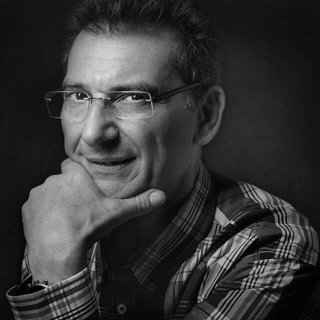
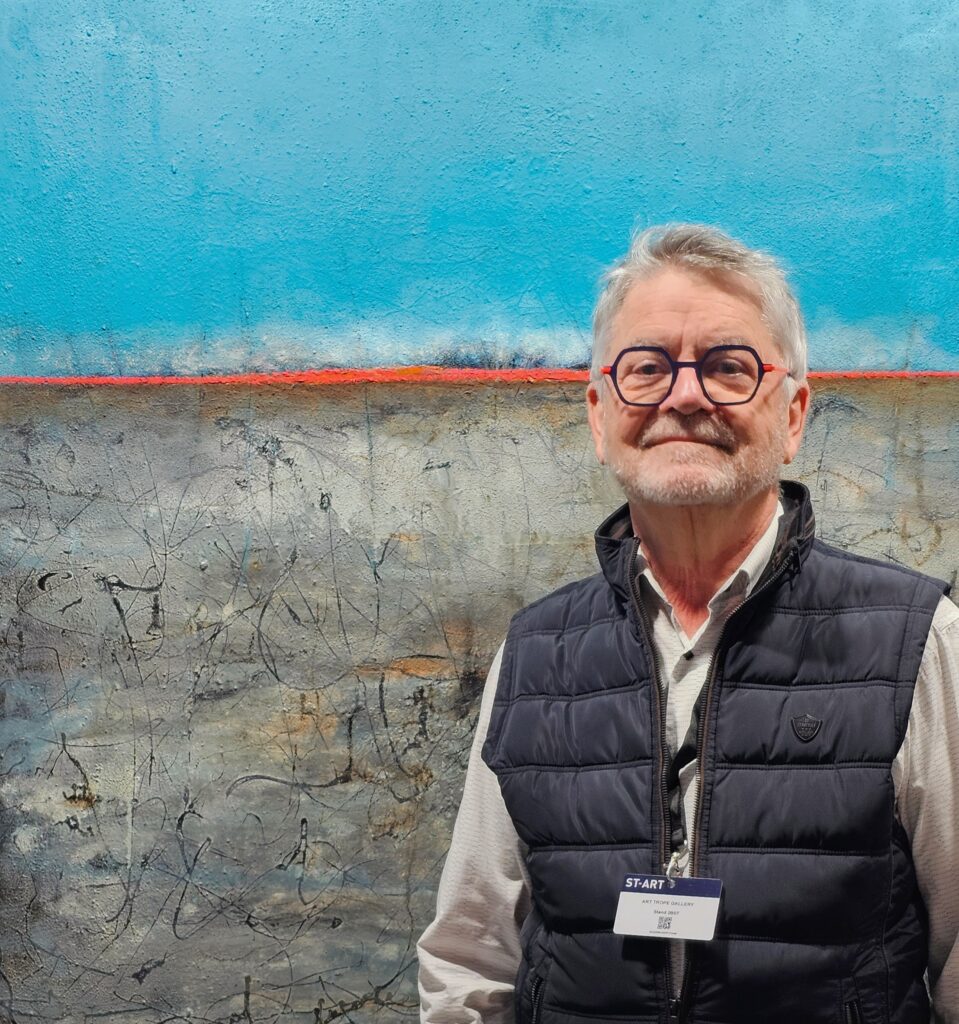
Portrait of the artist Dominique Gautier
Dominique Gautier

Dominique Gautier : Transforming the Image

Artist Dominique Gautier explores the boundaries between photography and digital abstraction. His works often originate from simple visual elements—reflections, bubbles, liquids, or stained glass—which he transforms through digital recomposition.

These transformations create vibrant chromatic landscapes where light and color circulate through a dynamic visual space.

Through this process, Gautier develops an experimental approach to contemporary photography, blending traditional visual observation with digital artistic innovation.

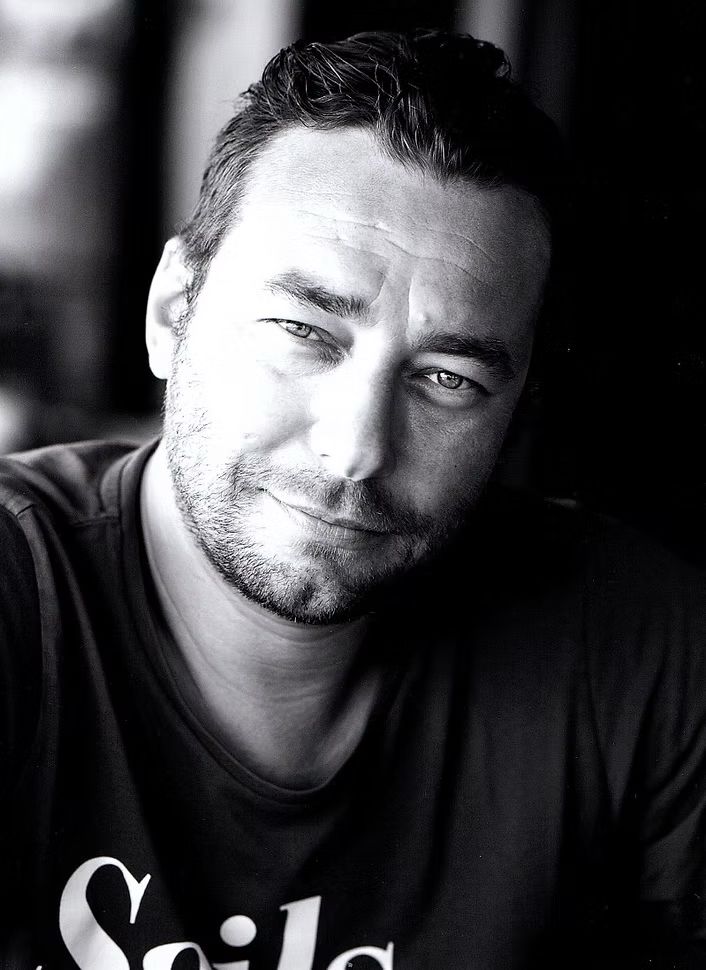
Portrait of the artist Jean Claude Bertrand Magazine art mag international
Jean-Claude Bertrand

Jean-Claude Bertrand : Painting as a Sensory Experience

For more than twenty-five years, Jean-Claude Bertrand has developed a body of work based on sensory memory and pictorial exploration.

His painting is strongly influenced by jazz, translating the musical concepts of improvisation, rhythm, and breath into visual compositions.

Built through successive layers of color and texture, his paintings create uncertain horizons where the viewer enters a contemplative visual space. Bertrand’s work positions painting as a multi-sensory artistic experience, bridging music, memory, and visual abstraction.

Portrait of Laure De Maestri Magazine Art Mag International
Laure de Maestri

Laure de Maestri : Between Japanese Tradition and Contemporary Creation

The graphic work of Laure de Maestri draws inspiration from the rich iconography of Japanese culture.

Created using India ink and marker techniques, her drawings stand out for their precision of line and meticulous attention to detail.

Through her compositions, the artist explores Japanese cultural symbols—samurai armor, textile patterns, and elements of folklore—while offering a contemporary interpretation of traditional visual heritage.

Her work bridges Eastern artistic traditions and modern graphic expression.

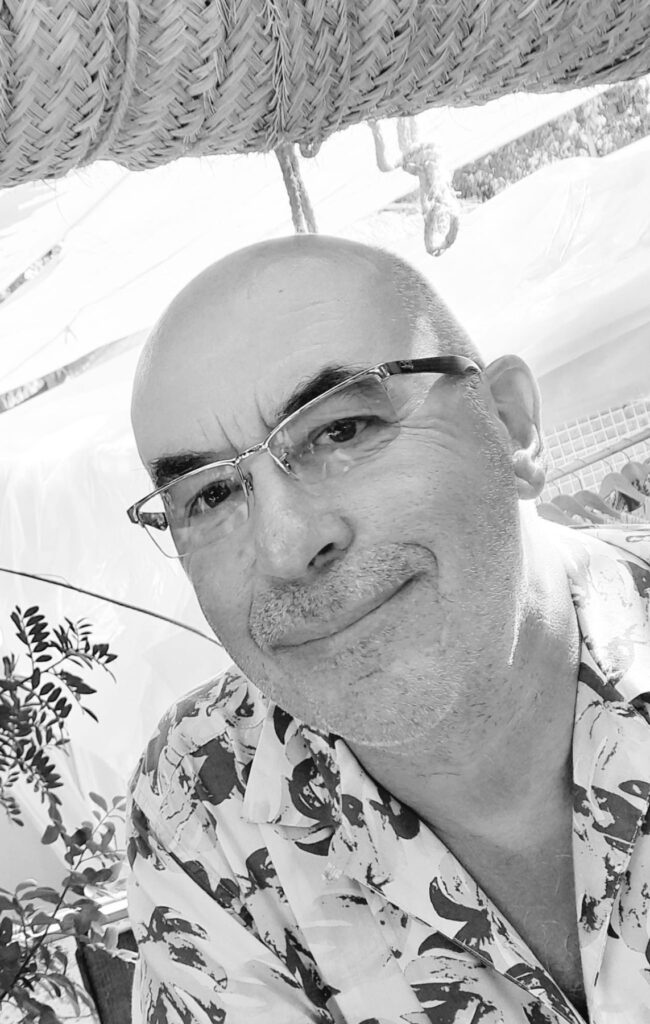
Portrait of steve Chaudanson
Steve Chaudanson

Steve Chaudanson : Monumental Sculpture

Artist Steve Chaudanson develops a sculptural practice in which steel becomes a powerful artistic language.

His monumental sculptures exist at the intersection of industrial strength and organic sensitivity, creating striking works designed for public spaces.

One of his major works, “Megalodon,” is a monumental sculpture over eleven meters long installed at the Port of Fréjus, inspired by the marine world.

Through scale, material, and spatial presence, Chaudanson contributes to the field of contemporary monumental sculpture.

Portrait of Luc Mora
Luc Mora

Luc Mora : Color as Energy

In the abstract paintings of Luc Mora, color becomes a field of energy.

Spontaneous gestures and strong chromatic contrasts generate immersive compositions that capture the viewer’s attention.

This gestural abstraction offers a direct visual experience, where the vibration of color functions as a powerful emotional and expressive force.

The Contemporary Art Scene in ART MAG

Through these six artists, ART MAG Issue #31 offers a broad perspective on the diversity of contemporary artistic practices: abstract painting, monumental sculpture, experimental photography, and graphic drawing.

The magazine continues its commitment to highlighting artists who contribute to the evolution of the international contemporary art scene.

Discover ART MAG Issue #31

These artists are featured in ART MAG Issue #31 (March–April 2026).

👉 Discover the full magazine, along with additional artists, exhibitions, and in-depth analysis of the contemporary art world in this new issue.

To read more, download ART MAG N°31