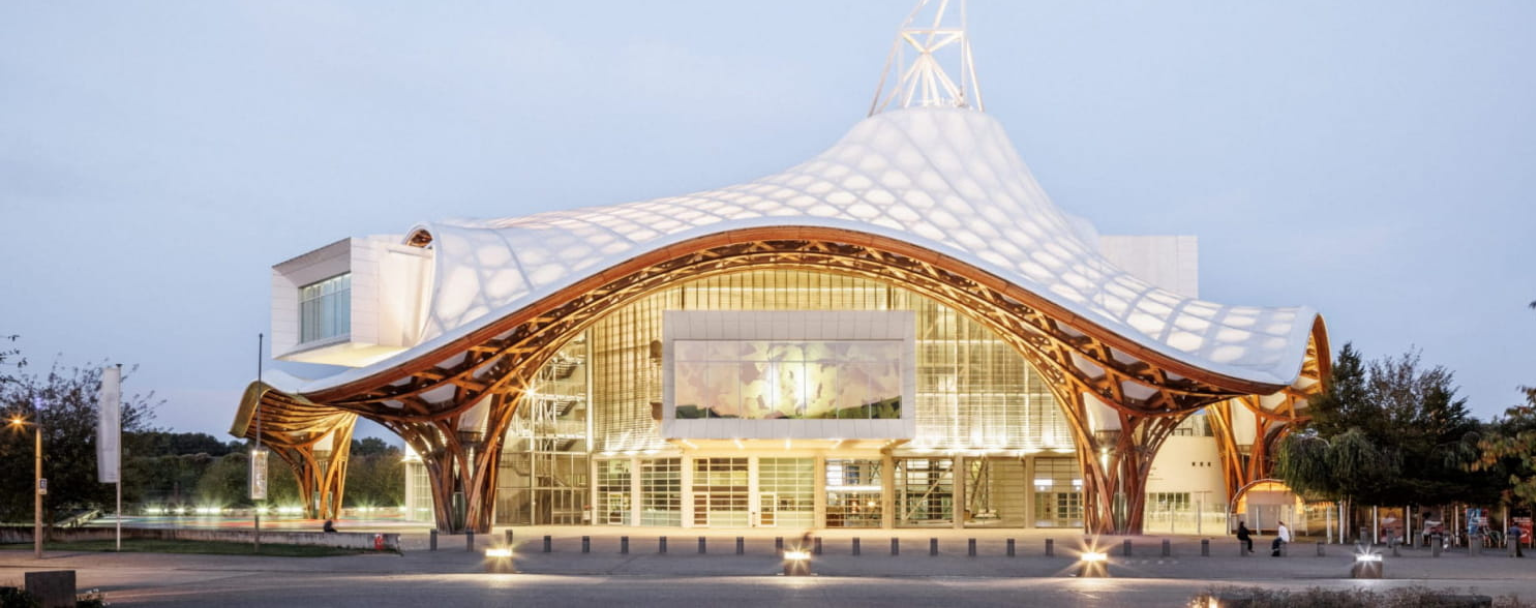
Curated by Michel Gauthier, the exhibition brings together one hundred works spanning more than seventy years, offering an in-depth exploration of one of the most radical and influential figures of concrete and abstract art.
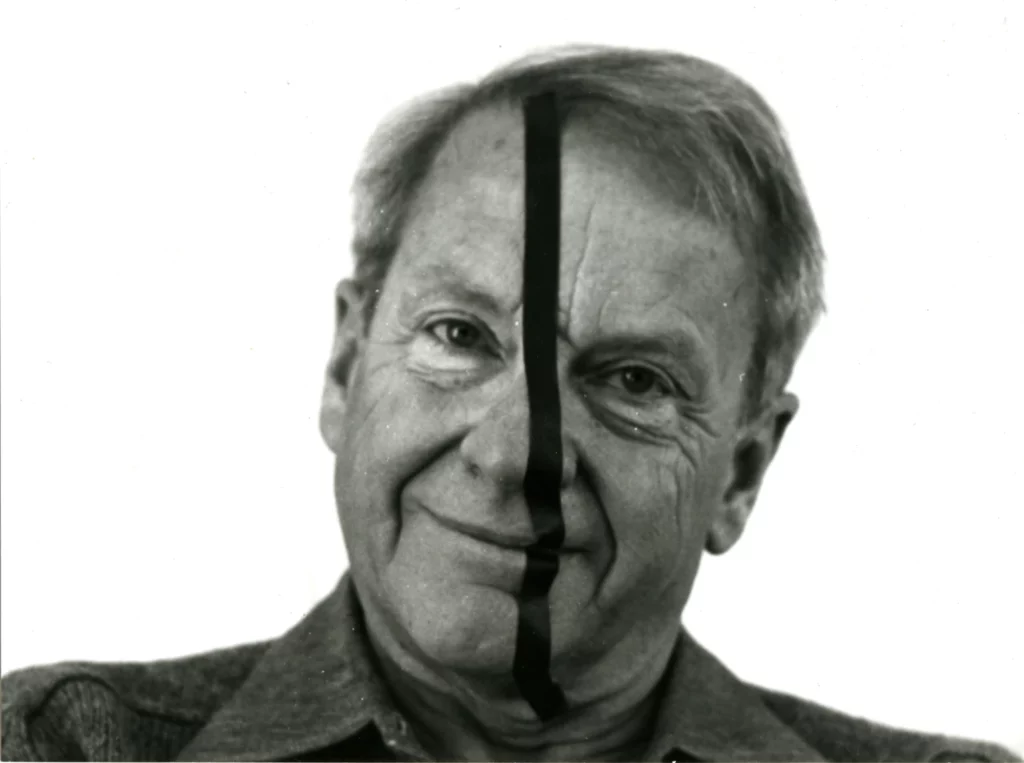
François Morrelet, Mask King Tape, 1985
Between geometric rigor and conceptual irony
François Morellet’s work is built on the tension between strict systems and chance. From early figurative paintings to luminous installations, his art embraces rules, grids and mathematical structures, often subverted by humor and optical disruption.
Influenced by Max Bill and inspired by the architecture of the Alhambra, Morellet developed a visual language that challenges expressive subjectivity in favor of perceptual experience and intellectual play.
Part of the national “100 x Morellet” program
The exhibition is part of 100 x Morellet, a nationwide program launched by the Centre Pompidou to mark the centenary of the artist’s birth.
This ambitious initiative unfolds across France through exhibitions, public installations, conferences and international symposia, reaffirming Morellet’s enduring influence on contemporary art and architecture.
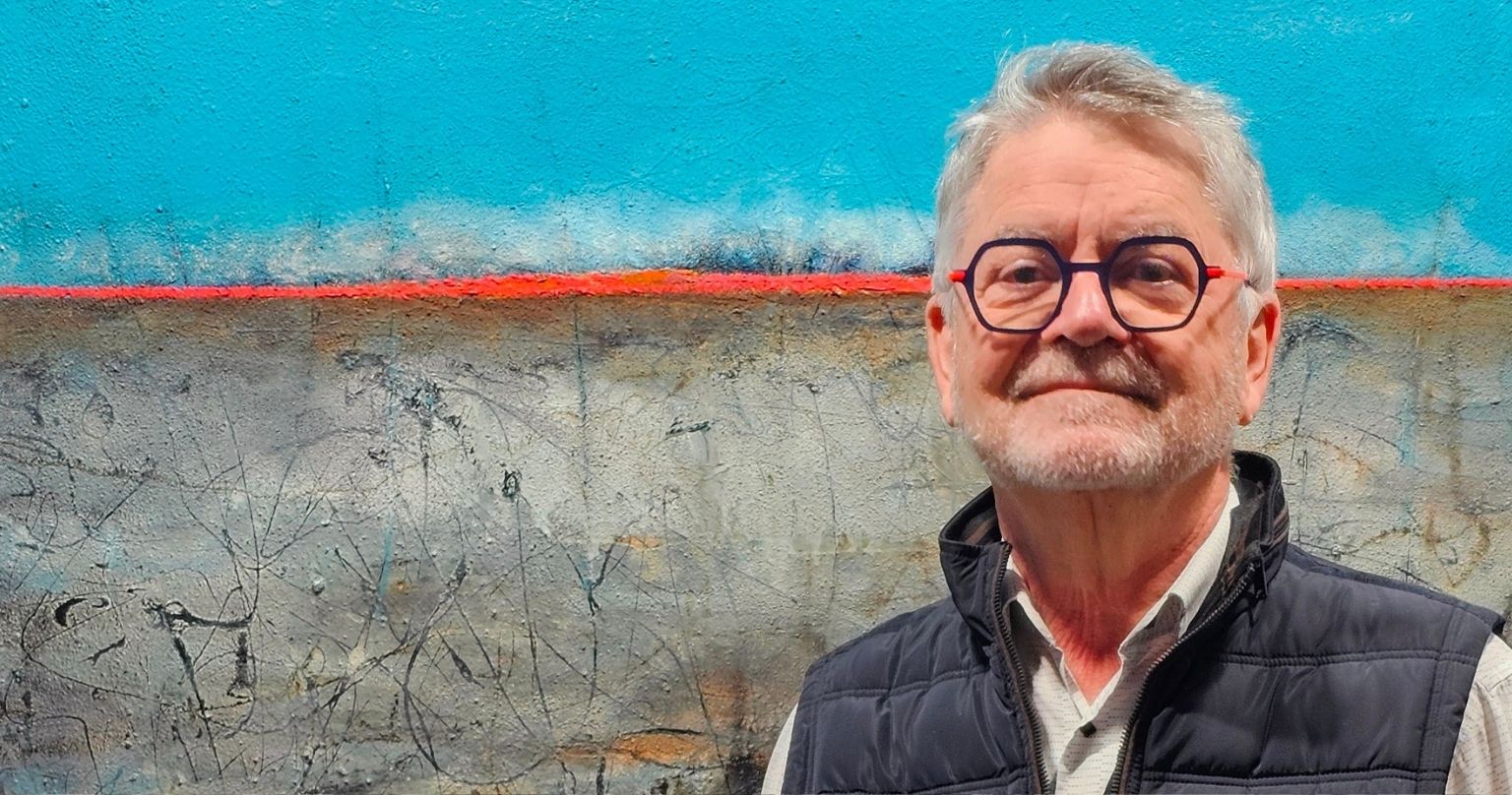
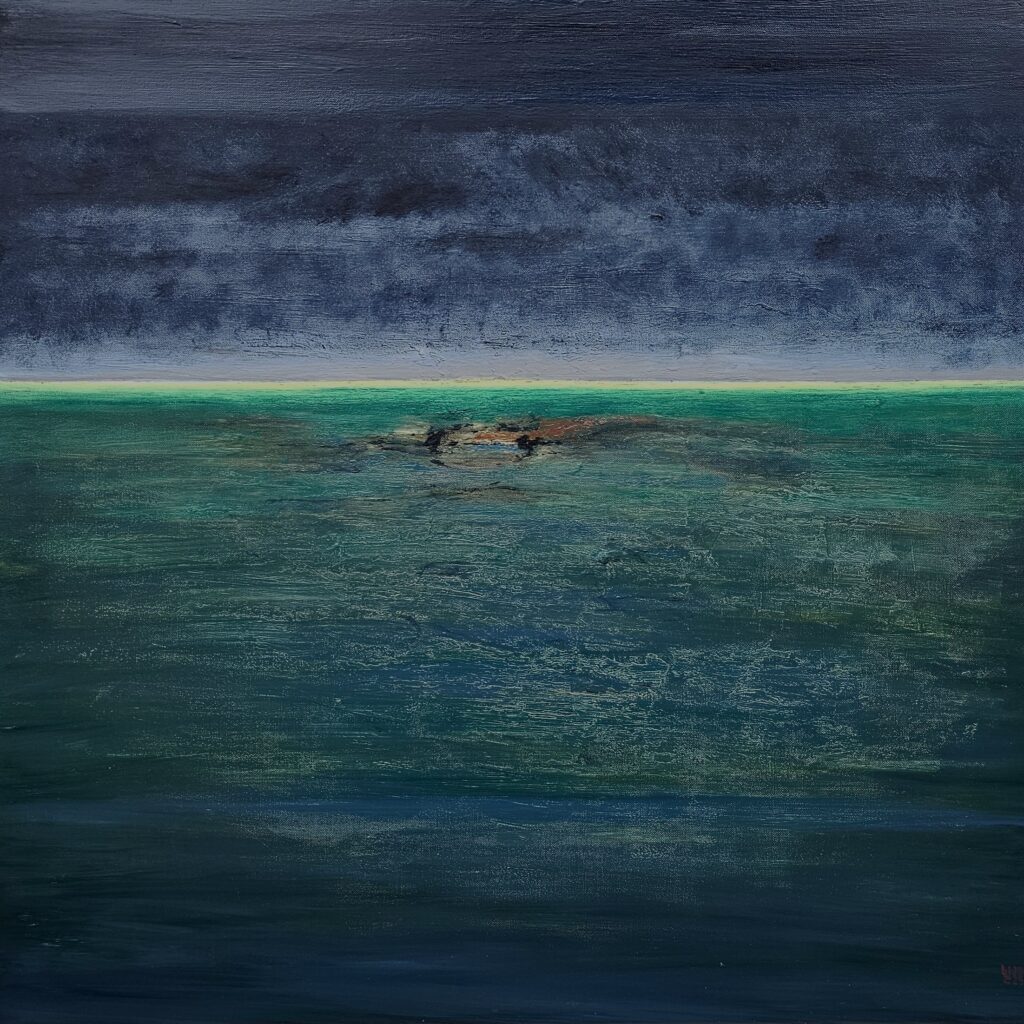
jean-claude bertrand develops a form of contemporary painting in which color, material, and gesture express deep sensory experiences rather than figurative subjects.
“for me, painting is a commitment; authenticity is essential.”
Trained at the nancy school of fine arts, his background in graphic design and communication has given him a strong visual rigor. in the late 1990s, he returned to painting out of an inner necessity.
Influenced by jazz, he builds his work around improvisation, rhythm, and breathing. he explores the five senses — music, perfumes, wines, landscapes — translating their intensity into painting.
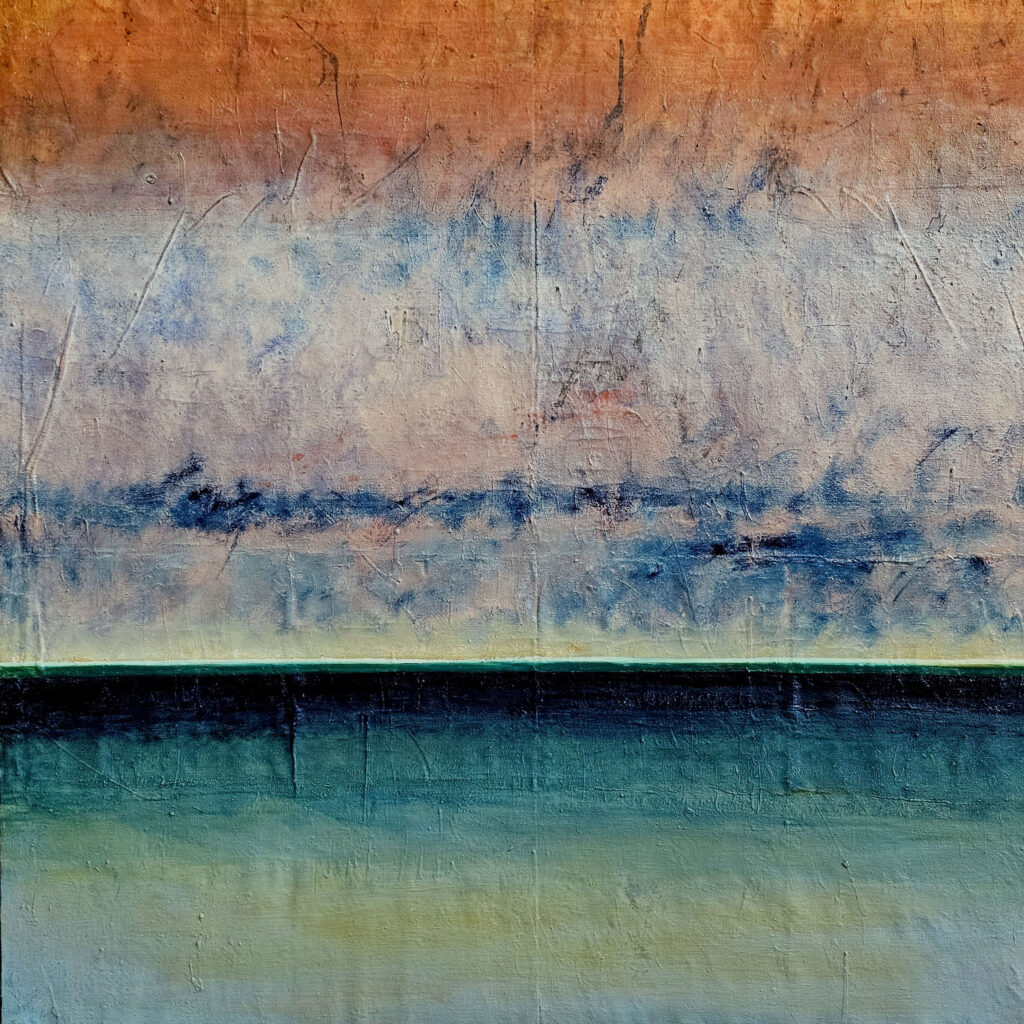
His new horizons series presents abstract, inner landscapes composed of layers of color and emotion.
Oil on canva 100 x 100 cm – 2025 – Adagp 2026
An internationally recognized practice
Exhibited in france and abroad (world art dubai, st-art, lille art up!), jean-claude bertrand’s work is featured in numerous private collections across europe and the united states.
Featured in art mag 31
Jean-claude bertrand’s work is featured in art mag 31, a publication dedicated to contemporary art.
Before understanding, we feel. Before naming, we remain silent.
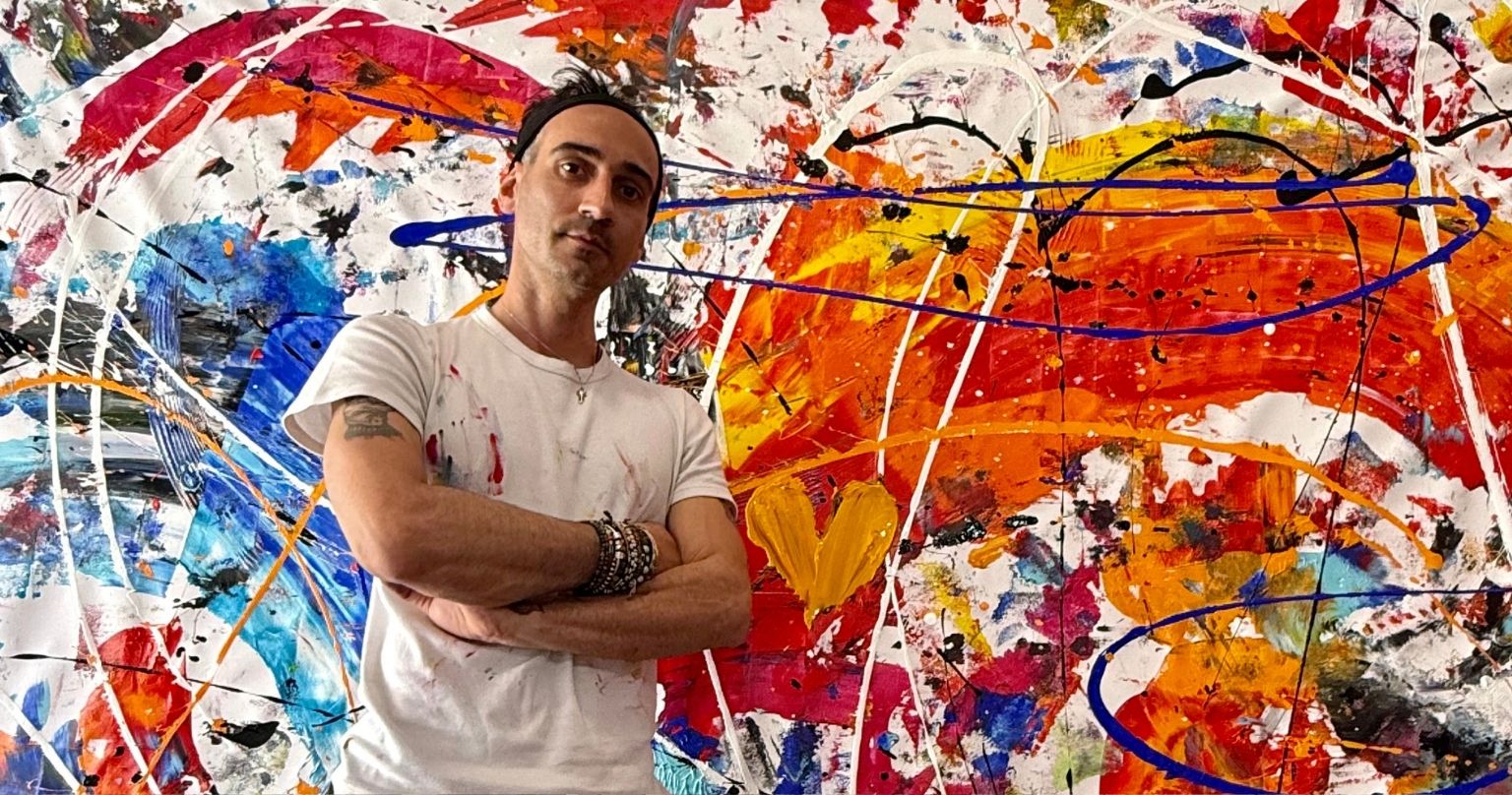
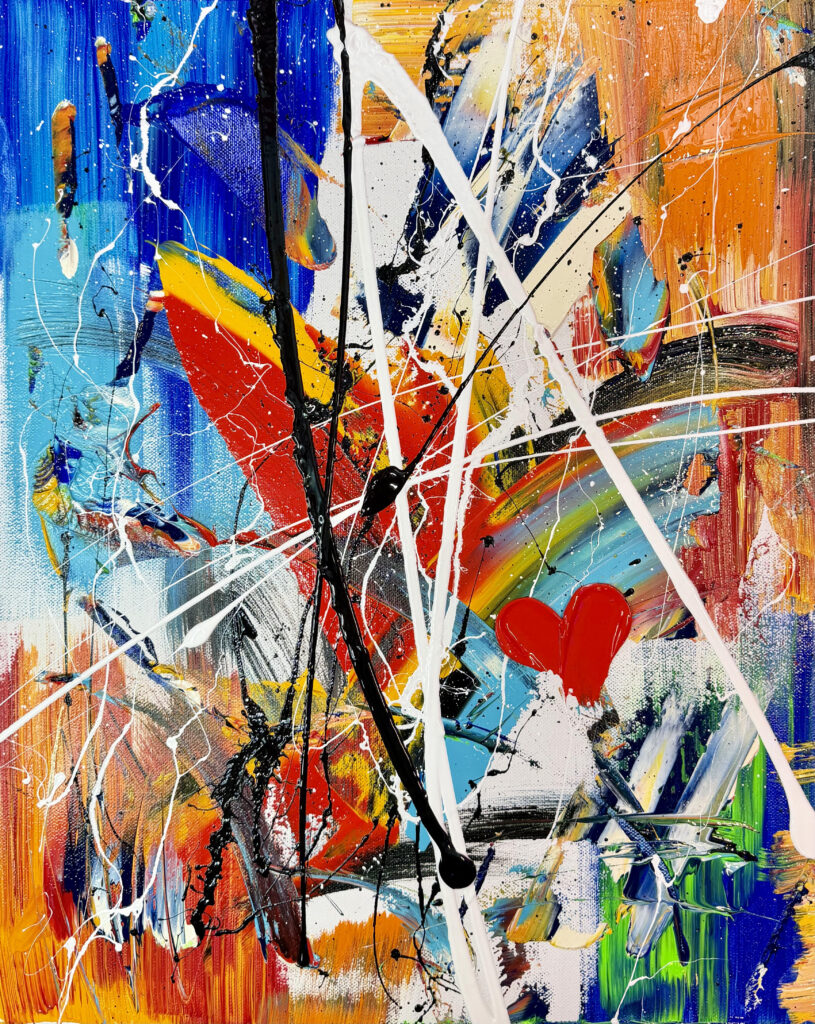
In front of Michele Socionovo’s works, there is nothing to decode—only something to experience. His abstract painting does not aim to tell a story but to create a presence, a vibration, a space where emotion comes before thought.
Amour Abstrait : feeling rather than explaining
Through his concept of Amour Abstrait, Michele Socionovo does not attempt to represent love, but to explore its original state—fragile, undefined, and silent. A form of love that exists before language, before form, before any attempt at control.
Each canvas becomes an immediate emotional experience, free from imposed meaning or narrative.
Born in Ancona, on Italy’s Adriatic coast, the artist developed a deep connection to silence, time, and open horizons. Self-taught, his practice is driven by necessity rather than choice:
“At a certain point, painting was no longer a choice, but a vital necessity.”
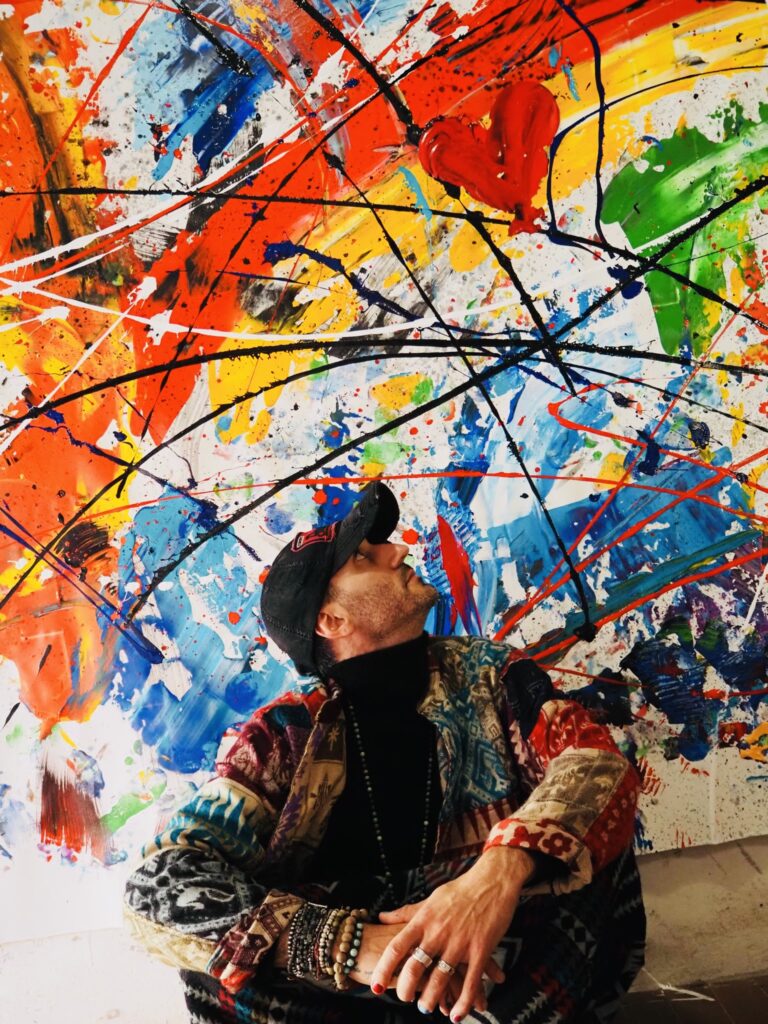
His process is instinctive. No sketches, no predefined structure. A sound, a phrase, or an emotional state can trigger the act of painting.
Layers build organically. Colors interact, overlap, and respond to each other. The gesture is direct—never corrected, sometimes imperfect, always sincere.
“The gesture is the exact point where emotion meets matter.”
An open experience for the viewer
In Michele Socionovo’s work, nothing is imposed. There is no predefined symbolism to interpret. Forms and marks emerge from the moment.
Meaning, if it exists, belongs entirely to the viewer.
The artwork does not provide answers—it creates a space. A space of silence, often, where personal experience can unfold.
A Singular Approach to Contemporary Art
In a contemporary art world often driven by visual excess or conceptual complexity, Michele Socionovo proposes a different path: one of restraint, essential emotion, and duration.
His work stands as a quiet yet powerful alternative—focused not on spectacle, but on presence.
Today, his artistic journey is gaining recognition and is featured in ART MAG Issue 31, alongside other contemporary artists.
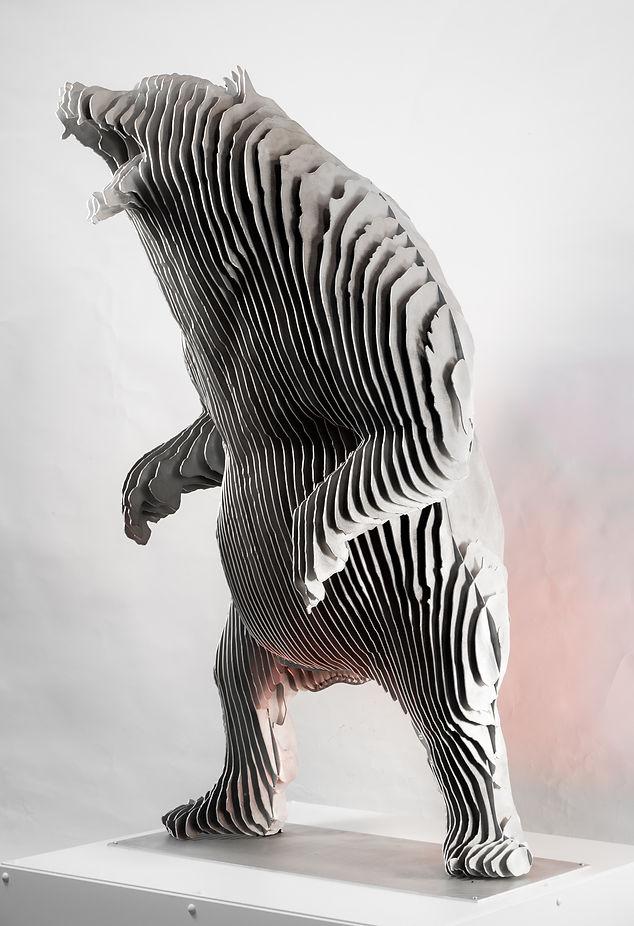
Steve Chaudanson : A contemporary artist redefining steel sculpture
Steve Chaudanson is a French contemporary sculptor renowned for his innovative steel artworks. His practice is built on a unique approach where material becomes expressive, transforming metal into dynamic and almost living structures.
Through a technique based on layered cutting and precise assembly, his sculptures create a striking sense of movement. This distinctive visual language positions Steve Chaudanson as a key figure in contemporary metal sculpture.
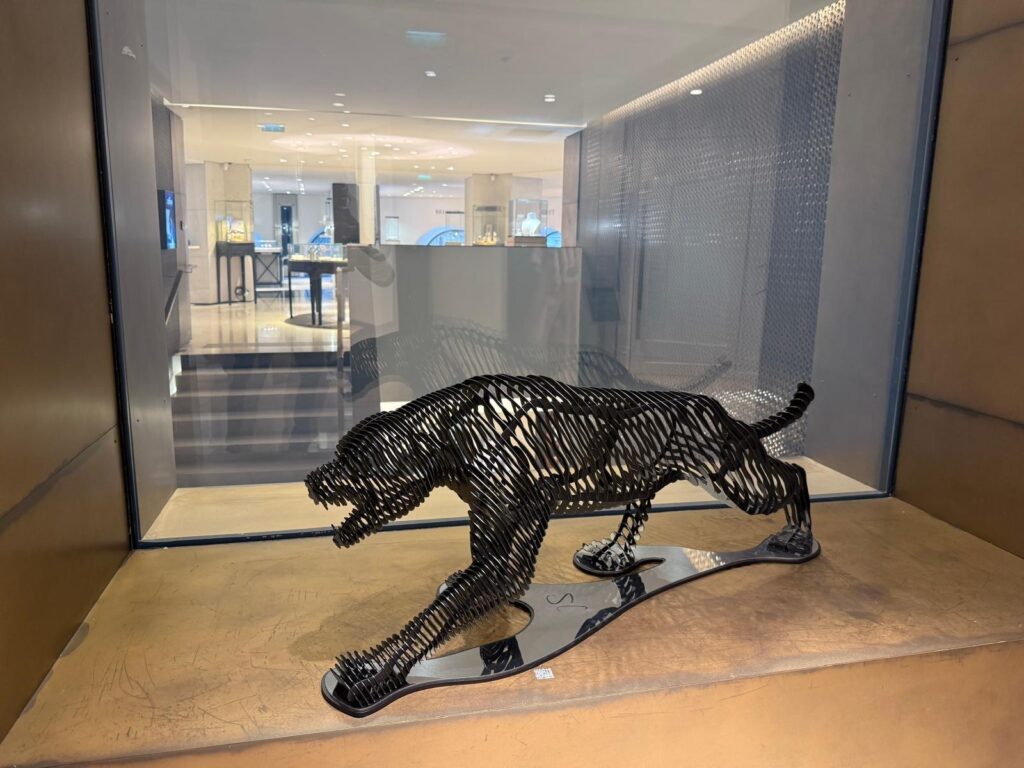
Panther
A Unique Technique : steel sculpture between industrial precision and emotion
Steve Chaudanson’s artistic universe is based on:
cut steel sculpture
the assembly of successive lines to create volume
an aesthetic inspired by engineering and industrial design
a constant search for movement and fluidity
His works embody a controlled tension between mechanical power and organic sensitivity, making them instantly recognizable in the contemporary art landscape.
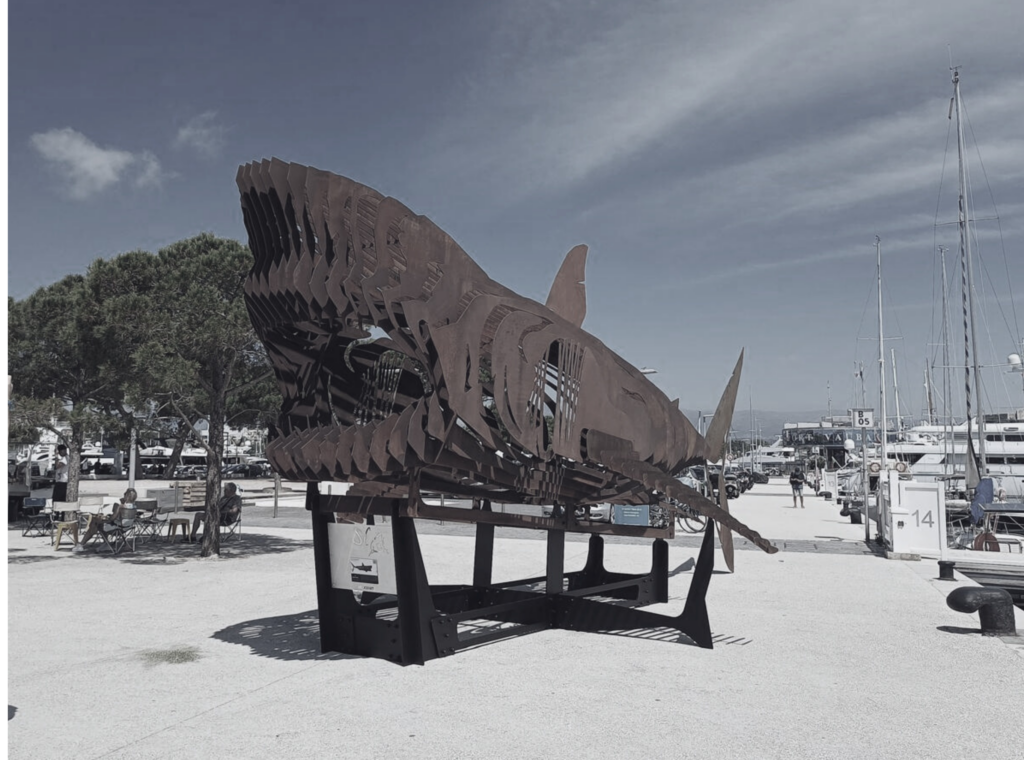
Among his major works, Megalodon is a monumental sculpture installed at the Port of Fréjus. This impressive piece perfectly illustrates Steve Chaudanson’s artistic ambition.
large-scale steel sculpture
representation of a prehistoric shark
immersive artwork with strong visual impact
reflection on the power and fragility of the marine world
This work confirms his expertise in contemporary monumental sculpture and strengthens his visibility among collectors and institutions.
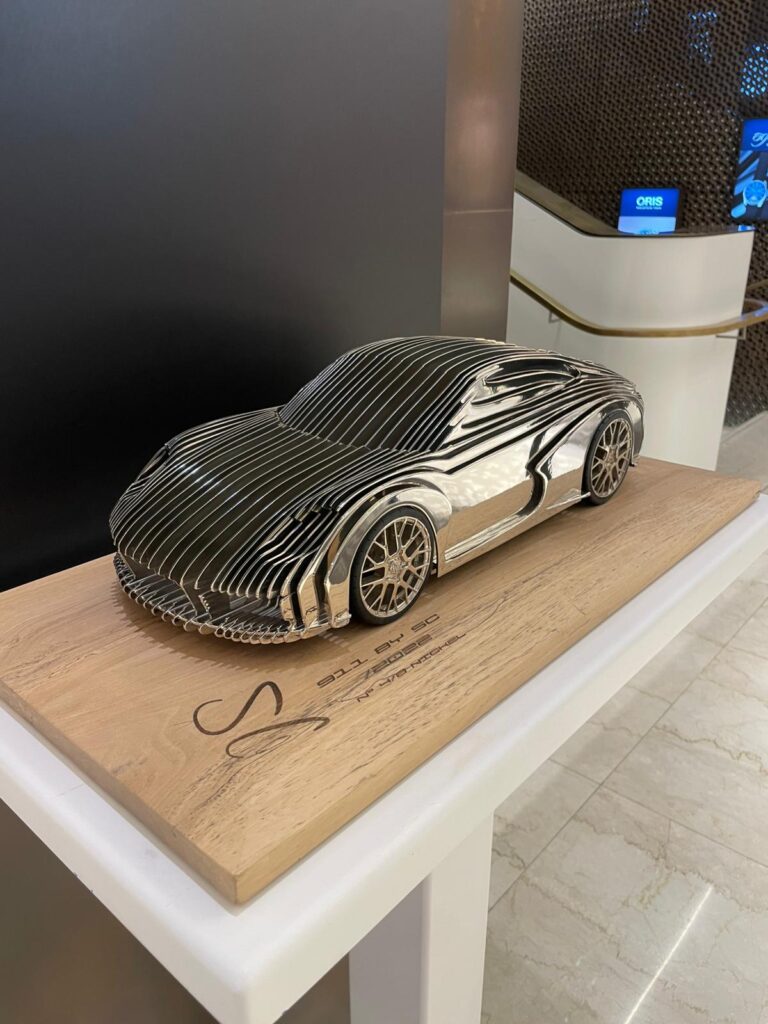
911 by SC
Between Art and mechanics : A strong automotive ifluence
Steve Chaudanson also explores the world of luxury automobiles. Inspired by iconic brands such as Ferrari and Pagani, he transforms these references into sculptural works.
His automotive creations become:
collectible sculptures
contemporary art objects
artistic interpretations of movement and speed
This hybrid approach between contemporary art and automotive design appeals to a demanding and passionate audience.
Why Steve Chaudanson Is an artist to watch in 2026
Contemporary artist specializing in high-end steel sculpture
Monumental works with strong aesthetic value
Distinctive and recognizable visual signature
Strong appeal for collectors and architectural projects
Steve Chaudanson, A leading name in contemporary steel sculpture
Steve Chaudanson stands out as a major contemporary sculptor whose work in steel pushes the boundaries of artistic creation. Combining monumental sculptures, mechanical inspiration, and technical mastery, his work fully aligns with key trends in contemporary art.
If you are looking for a contemporary artist specializing in steel sculpture, Steve Chaudanson is an essential name to discover today.
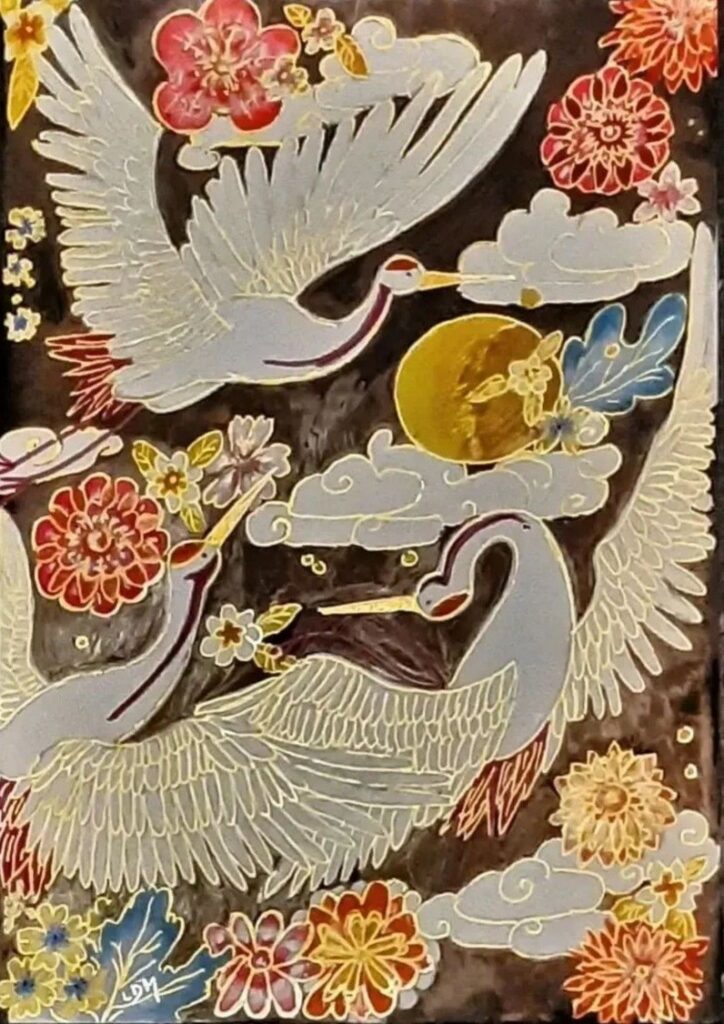
At the Bouzonville media library (57), Laure de Maestri’s exhibition invites visitors on a unique visual journey blending art, Japanese culture, and iconographic research. Specializing in ink drawing, alcohol markers, and gold gel ink, the artist creates a richly detailed universe where textures, patterns, and balanced compositions play a central role.
Each work is part of an approach that is both aesthetic and documentary. Samurai armor, landscapes inspired by photography, figures drawn from Japanese folklore, and traditional textile patterns come together to form an imaginative world rooted in precise cultural references. This methodology gives her work an immersive and educational dimension that is rare in contemporary graphic arts.
Designed as a thematic journey, the Bouzonville exhibition stands out for its accessibility. The drawings are accompanied by explanatory texts that help visitors understand the symbols and elements depicted. The artist does more than simply present her work—she shares her research, offering a truly educational experience.
Among the standout pieces, a composition dedicated to Japanese cranes perfectly illustrates the symbolic richness of her work. Associated with peace, longevity, and the famous legend of a thousand origami cranes, these figures come to life in a piece inspired by kimono patterns, combining decorative finesse with visual storytelling.
Through this exhibition, Laure de Maestri offers a sensitive interpretation of a Japan that is both real and imagined. Her work lies at the crossroads of contemporary illustration, cultural research, and artistic creation, turning each drawing into a true vehicle of knowledge.
Dominique Gautier, a self-taught artist shaped by his travels and a constant fascination with luminous phenomena, has developed a distinctive photographic approach. Through meticulous digital recomposition, he transforms reality into an autonomous visual material, at the intersection of abstraction, light, and imagination.
A Photographic Approach Between Experimentation and Transfiguration
Dominique Gautier builds his images from simple elements: reflections, bubbles, stained glass, and liquids. Yet far from any faithful reproduction, he engages in a process of transformation that profoundly alters the original perception.
Photography becomes a field of exploration where light is manipulated, recomposed, and amplified. Reality gradually dissolves, giving way to an autonomous, immersive, and sensory creation.
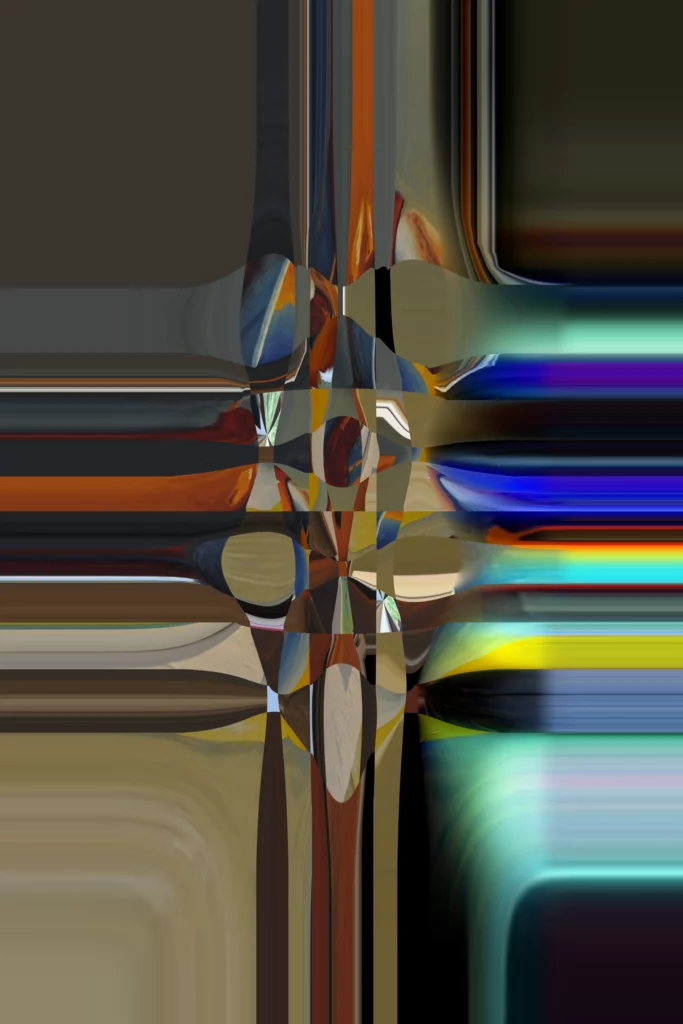
With Aiguillages, Dominique Gautier presents a work structured by flows of color and lines converging toward an invisible focal point.
Luminous yellows, carrying a solar energy, interact with deep blues that evoke the ocean or outer space. The image appears in constant transformation—it breathes, flows, and evolves.
Depending on its orientation, the work reveals multiple interpretations:
abstract landscape
cosmic vision
suggested silhouettes or forms
This multiplicity of readings fully reflects the artist’s intent: to offer an open experience, free from imposed narrative.
A Second Work: Immersion and Visual Vibration
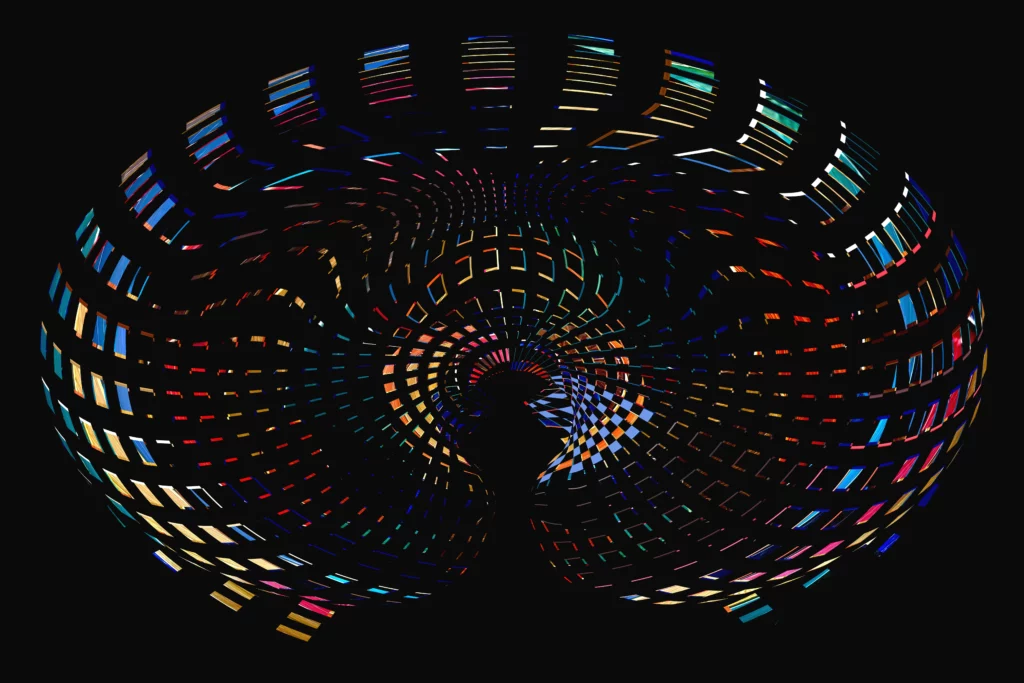
The second work extends this exploration into a more organic dimension.
Forms unfold like liquid layers, crossed by circular movements and chromatic tensions. Areas of depth create a sense of pull, almost hypnotic.
The image becomes a true field of visual energy, where viewers can project their own perceptions:
Dominique Gautier stands out through his ability to combine technical precision with artistic intuition.
Each image results from a long process involving:
experimentation
digital transformations
progressive adjustments
Photography becomes a living material, shaped until it reaches a subtle balance between control and unpredictability.
Dominique Gautier : A Contemporary Work in Constant Evolution
In a world saturated with instant imagery, Dominique Gautier offers an alternative: a slow, constructed, and immersive form of photography.
His works do not tell stories—they evoke sensations. They invite the viewer to pause, to explore, and to imagine.
With these two new creations, the artist confirms the coherence of his visual language and asserts a strong signature within the field of contemporary abstract photography.
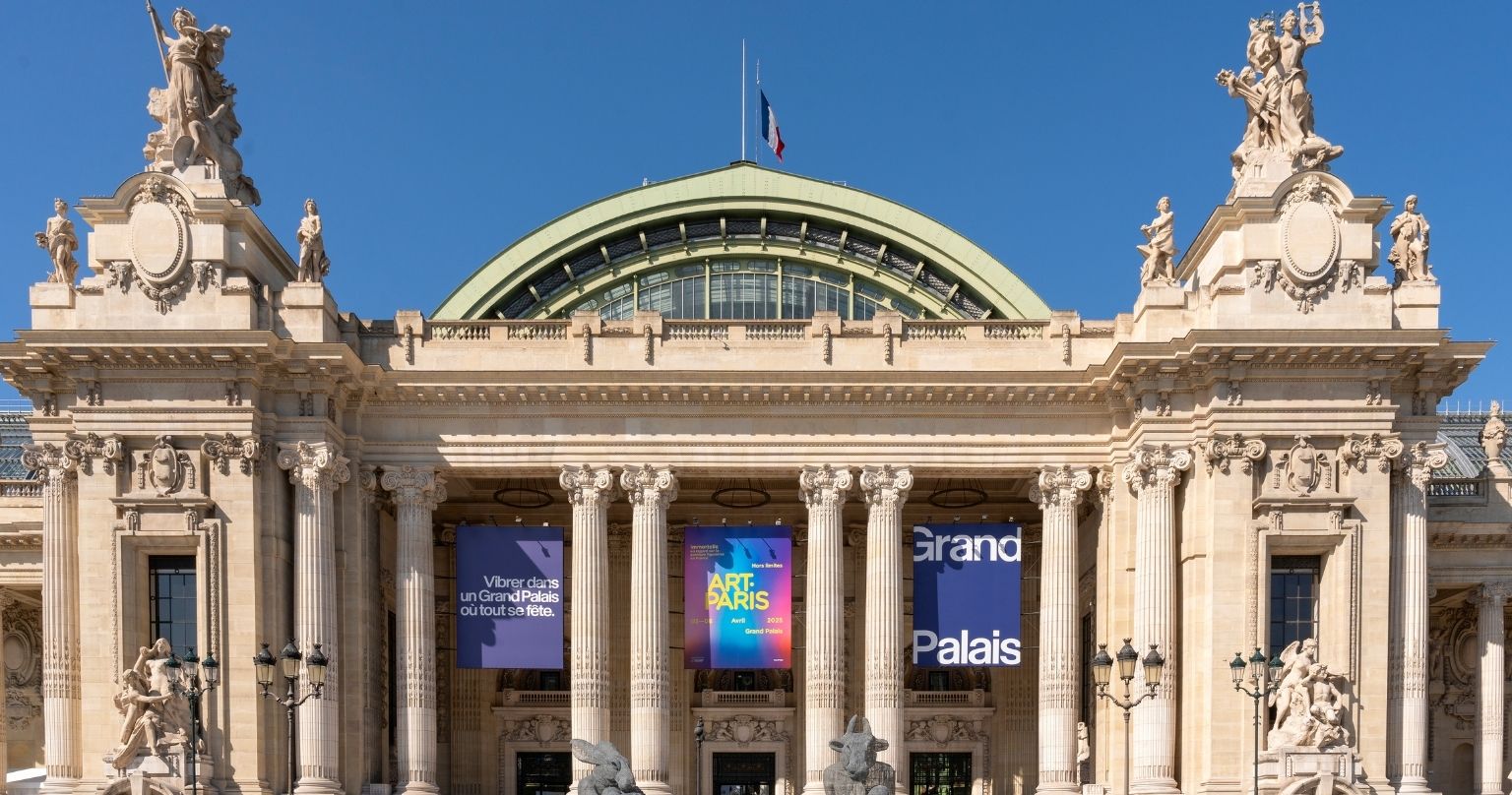
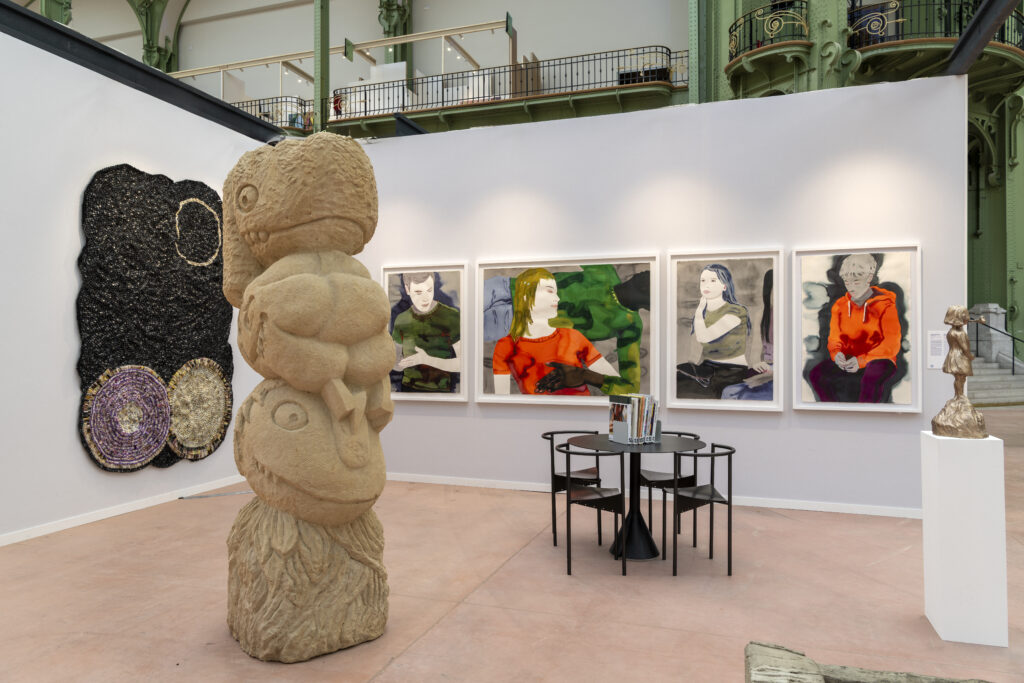
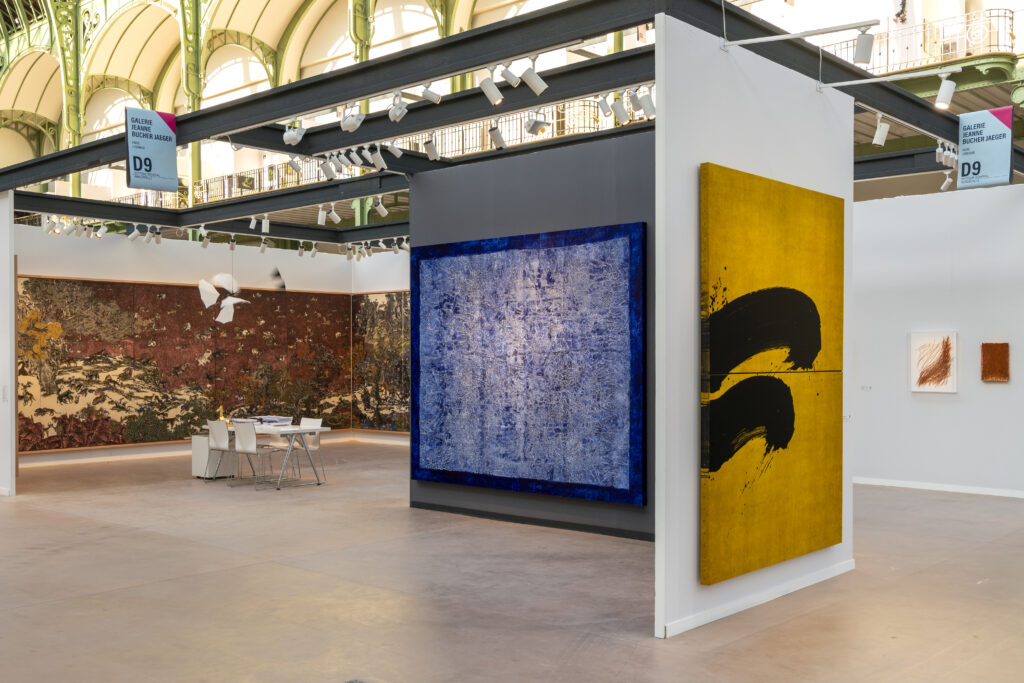
Art Paris 2026: A Major Contemporary Art Fair at the Grand Palais
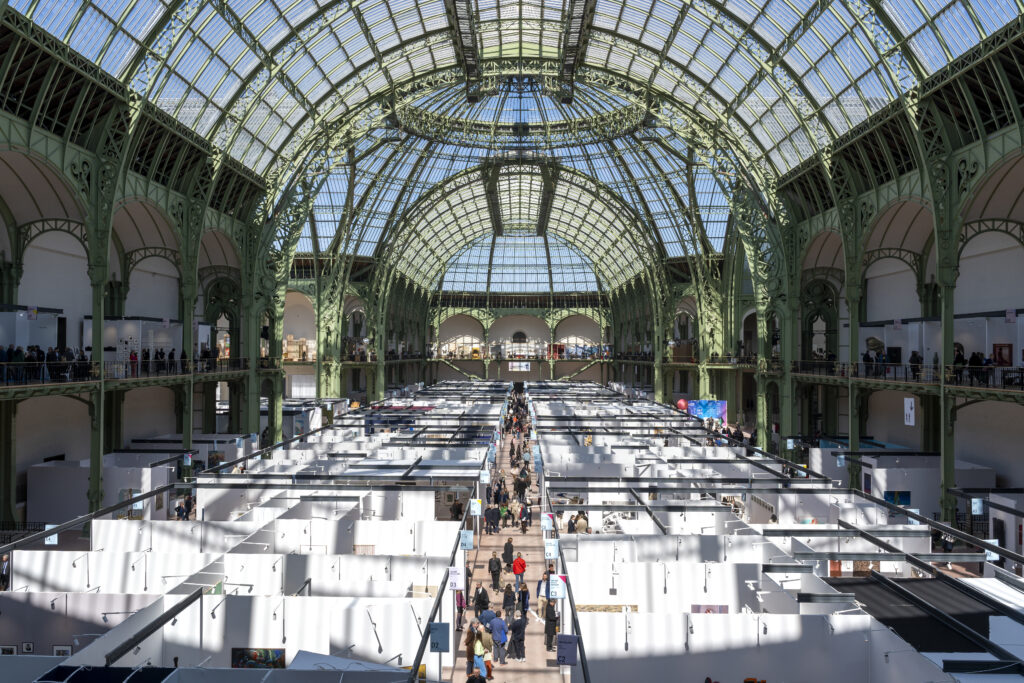
Art Paris 2026, held from April 9 to 12, 2026 at the Grand Palais, confirms its role in the contemporary art market. With nearly 170 French and international galleries, the fair offers a strategic reading of market trends, balancing local anchoring with global openness.
In an increasingly homogenized landscape, Art Paris asserts a distinctive position among European art fairs. Since its return to the Grand Palais nave, it appears to have found a spatial and strategic equilibrium, redefining its place alongside major international fairs such as Art Basel or Frieze.
The 2026 edition extends this dynamic. Largely French yet open to international participation, the selection reflects a deliberate choice: to resist the standardization of the global market while maintaining strong international appeal.
The curated section Babel – Art and Language in France goes beyond questioning the role of text in art. It highlights a broader condition: a world saturated with signs, where language no longer guarantees clarity but instead generates instability.
The artworks on display do not aim to illustrate discourse. Rather, they test its limits, fragment its structures, and shift its uses. Text becomes surface, material—even obstacle. Meanwhile, the image, far from stabilizing meaning, contributes to its dispersion.
In this context, the legacy of conceptual art is no longer a model but a starting point. What is at stake is less a critique of language than an exploration of its excess.
What Are the Contemporary Art Market Trends at Art Paris 2026?
Beyond the diversity of participating galleries, Art Paris 2026 highlights several key trends in the contemporary art market.
The fair reflects a transitional moment: the market appears more cautious, yet more structured. Galleries favor coherent proposals, often centered on established artists or those in a consolidation phase, while still maintaining openness toward emerging practices.
This tension between stability and exploration is one of the defining features of the 2026 edition.
Art Paris 2026: Language as a Contemporary Artistic Trend
The “Babel – Art and Language in France” section illustrates a significant evolution in contemporary practices. Language is no longer simply a tool, but an unstable material subject to fragmentation and reconfiguration.
In a context saturated with signs, artworks no longer aim to produce fixed meaning. Instead, they test its limits and reveal its tensions. Text and image jointly contribute to a dispersion of meaning.
This approach extends the legacy of conceptual practices while transforming it: rather than critiquing language, it explores its excess.
Key Themes at Art Paris 2026: Memory, Repair, and Contemporary Narratives
In contrast to this instability, another major axis emerges: that of repair.
The works presented within this framework engage with time, memory, and the fractures shaping contemporary narratives. Repair does not mean returning to an original state; rather, it involves working with alteration and making its traces visible.
This orientation reflects a broader shift in the contemporary art market, where issues related to care, transmission, and individual narratives are gaining increasing importance.
Art Paris 2026 and the Art Market: Diversity of Galleries and Economic Strategies
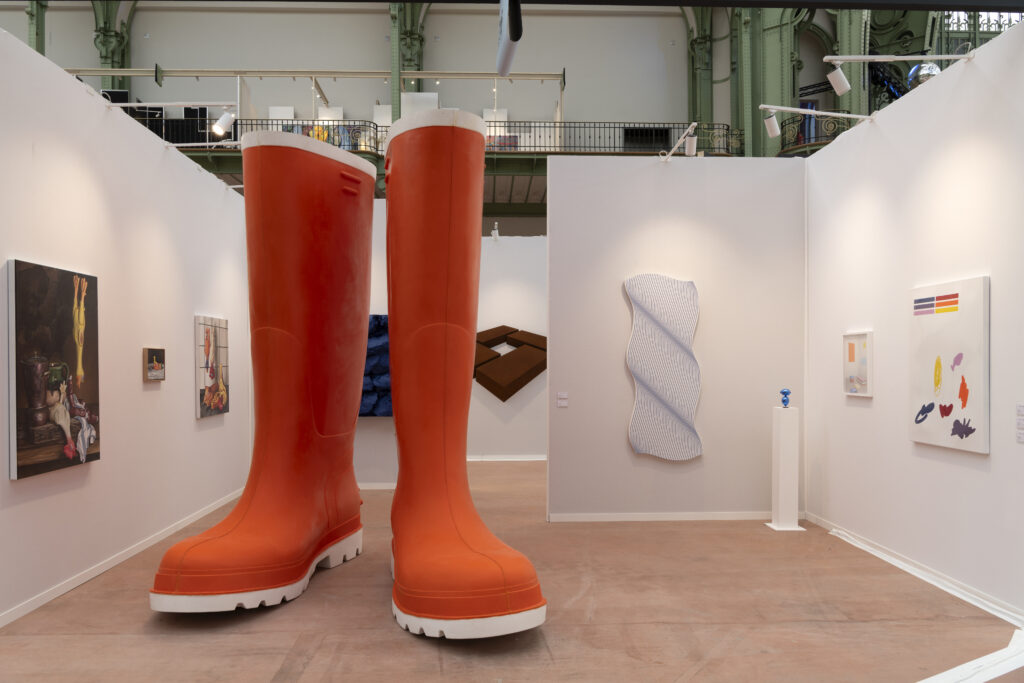
Art Paris 2026 does not aim to create a spectacle of scale. Instead, it constructs a controlled space of circulation where galleries, artworks, and discourses coexist without saturation.
The “Promesses” sector, dedicated to young galleries, plays a key role in this balance. It is not merely a showcase for emerging talent, but a space where new forms of visibility and economic models are tested.
In a market marked by caution—already visible in 2025—this diversity appears as a central strategic asset.
The Role of the Grand Palais in Shaping Art Paris 2026
The return to the Grand Palais goes beyond logistics. It is part of a broader reconfiguration of the Parisian art scene.
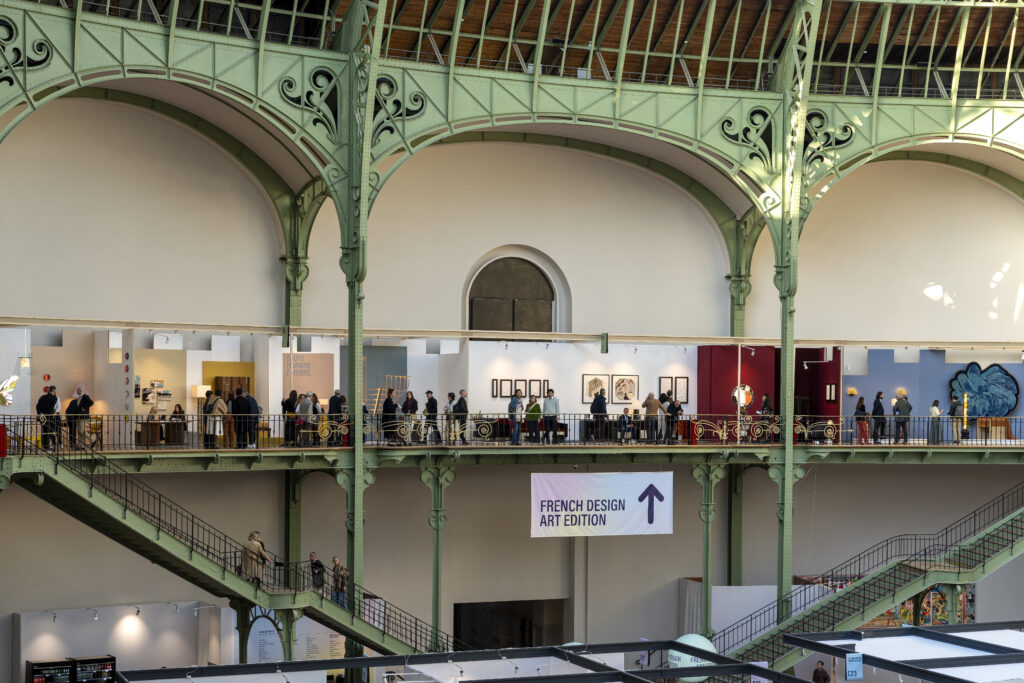
The architecture of the nave enables a fluid circulation of both viewers and artworks, avoiding the saturation effect often seen in large international fairs. It allows works to be perceived in continuity rather than juxtaposition.
Art Paris 2026 in Relation to Major International Art Fairs
Within the global landscape, Art Paris occupies an intermediate position. Less spectacular than some international fairs, it favors a more analytical and grounded approach.
This positioning offers an alternative to dominant models, often characterized by strong standardization. It also allows the fair to maintain a distinct identity centered on the French scene while remaining open internationally.
Art Paris 2026 : Key Contemporary Art Market Trends to Watch
Several key elements emerge from this edition:
a growing presence of French galleries
a more cautious yet structured market
increased attention to narratives and memory
diversification of artistic practices
a strengthened role for emerging galleries
These trends confirm a shift toward greater nuance and complexity within the art market.
Should You Follow Art Paris 2026?
Art Paris 2026 stands as a relevant observatory of the contemporary art market. Without directly competing with major global fairs, it offers a more nuanced reading of current dynamics.
Between explorations of language, attention to traces, and diversity of practices, the fair suggests a different way of engaging with the present.
Art Paris 2026 takes place from April 9 to April 12, 2026, at the Grand Palais in Paris. The fair brings together French and international galleries focused on modern and contemporary art.
Where is Art Paris 2026 held?
The fair is held at the Grand Palais, an iconic venue in the Parisian art scene. Its architecture allows for a fluid circulation between booths and enhances the presentation of artworks.
How many galleries are participating in Art Paris 2026?
Art Paris 2026 features around 170 galleries. The selection reflects both the French art scene and international participation.
What are the main art market trends at Art Paris 2026?
The 2026 edition highlights several key trends in the contemporary art market: a more cautious market environment increased focus on narratives and memory diversification of artistic practices growing visibility of emerging galleries
Why is Art Paris an important art fair?
Art Paris stands out as a major European art fair thanks to its distinctive positioning. It offers a balance between accessibility and curatorial rigor, while highlighting the French contemporary art scene.
What is the role of Art Paris in the contemporary art market?
Art Paris occupies an intermediate position between major global art fairs and more local events. It serves as a relevant observatory of contemporary art market trends, particularly in Europe.
Can you buy artworks at Art Paris 2026?
Yes, Art Paris is a commercial art fair where collectors can purchase artworks directly from participating galleries. It attracts both new buyers and established collectors.
Which artists or galleries should you follow at Art Paris 2026?
Art Paris showcases a wide range of artists, from established figures to emerging talents. The section dedicated to young galleries is particularly relevant for discovering new voices in contemporary art.
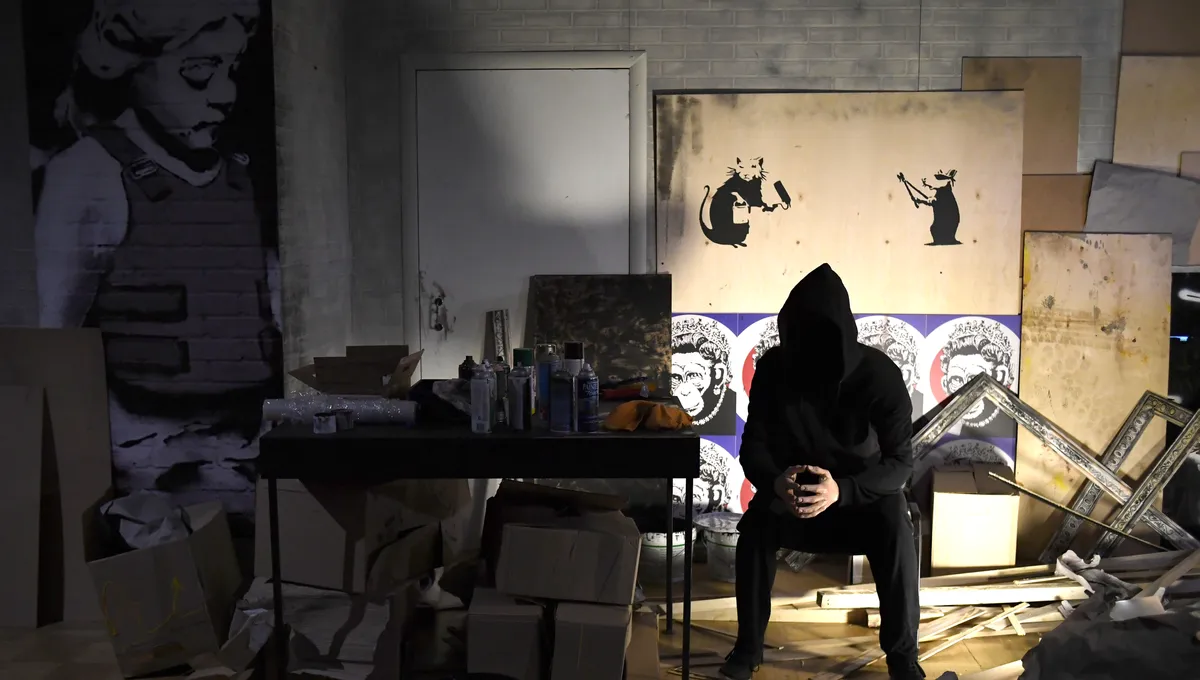
Paranoid Pictures / The Kobal Collection / Aurimages
For more than two decades, Banksy has remained one of the most mysterious figures in contemporary art. His works suddenly appear on walls across the world — from London and New York to Gaza and Kyiv — yet the identity of the artist behind them has never been officially confirmed.
Now, a major investigation published on March 13, 2026 by Reuters claims to have uncovered the real person behind the pseudonym. After years of research and analysis of documents spanning more than two decades, journalists say the elusive street artist may finally have been identified.
According to the investigation, Banksy could be Robin Gunningham, a British man born in 1973 in the city of Bristol.
If confirmed, this revelation would mark a significant moment in the history of street art and could reshape how the public understands one of the most influential artists of the 21st century.
Robin Gunningham : The man allegedly behind Banksy
The name Robin Gunningham has circulated for years in discussions about Banksy’s identity. As early as the mid-2000s, journalists and researchers suggested that the Bristol-born artist might be the person behind the world-famous graffiti.
Bristol itself played a key role in the rise of modern street art and graffiti culture during the 1990s. It was also the environment in which Banksy’s distinctive stencil style first emerged.
According to the Reuters investigation, Gunningham may have taken additional steps to protect his anonymity over the years. Reports suggest that he legally adopted the name David Jones, a very common name in the United Kingdom, which would have helped obscure his identity.
Using such an ordinary name would make it much harder to trace his movements or connect him to Banksy’s public works.
A global investigation spanning over 20 years
To support the claim that Robin Gunningham may be Banksy, reporters examined a wide range of evidence including:
police archives
immigration records
eyewitness accounts
travel data
historical media reports
Several key events appear to support the theory.
The New York incident in 2000
One of the earliest pieces of evidence dates back to September 2000 in New York City.
According to court documents cited in the investigation, police detained a man who had been caught painting graffiti on a billboard located on the roof of a building on Hudson Street.
The man reportedly identified himself as Robin Gunningham.
While this incident does not definitively prove that he is Banksy, it establishes an early connection between Gunningham and international graffiti activity.
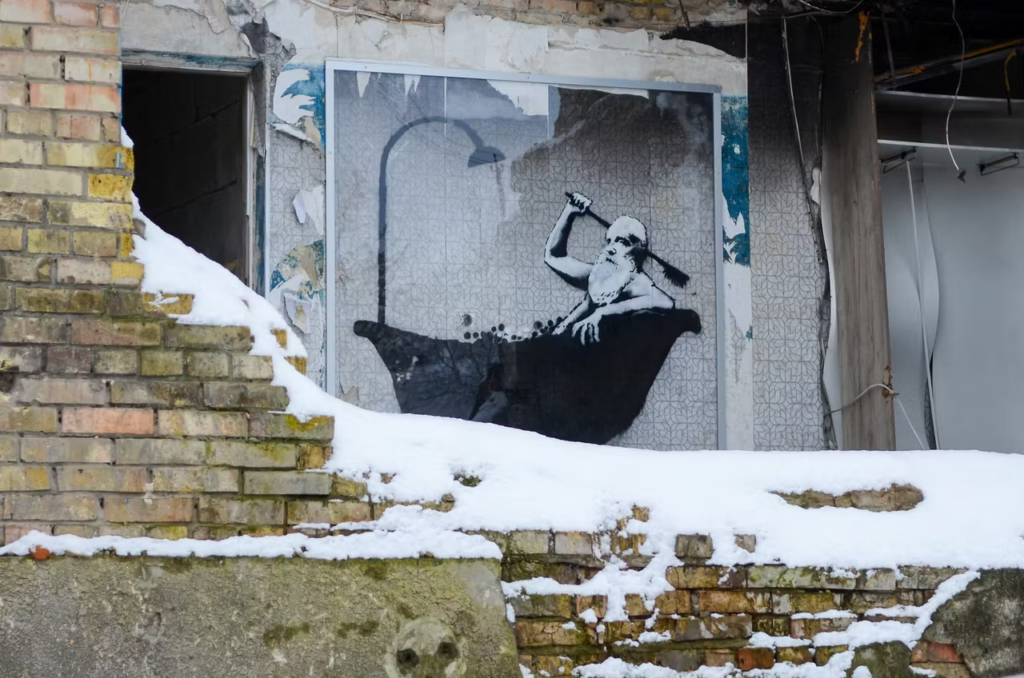
A mural created in 2022 by Banksy on a wall in the Ukrainian village of Horenka, near Kyiv, which was heavily damaged by Russian army bombardments. Photo taken on November 19, 2022. Credit : Oleksandra Butova / NurPhoto / AFP.
Banksy’s murals in Ukraine in 2022
Another important clue comes from Ukraine, where several artworks attributed to Banksy appeared in late 2022 during the war with Russia.
Murals were discovered near Kyiv, including in the town of Horenka. Banksy later confirmed on social media that he was responsible for some of these works.
According to immigration records referenced in the investigation, a man named David Jones, sharing the same birth date as Robin Gunningham, crossed the Polish-Ukrainian border on October 28, 2022.
This timing coincides with the appearance of the murals.
Although the evidence is circumstantial, it strengthens the theory linking Gunningham to the famous street artist.
The Sotheby’s shredding stunt
Banksy is known not only for his politically charged art but also for his spectacular public stunts.
One of the most famous occurred in 2018, during a Sotheby’s auction in London.
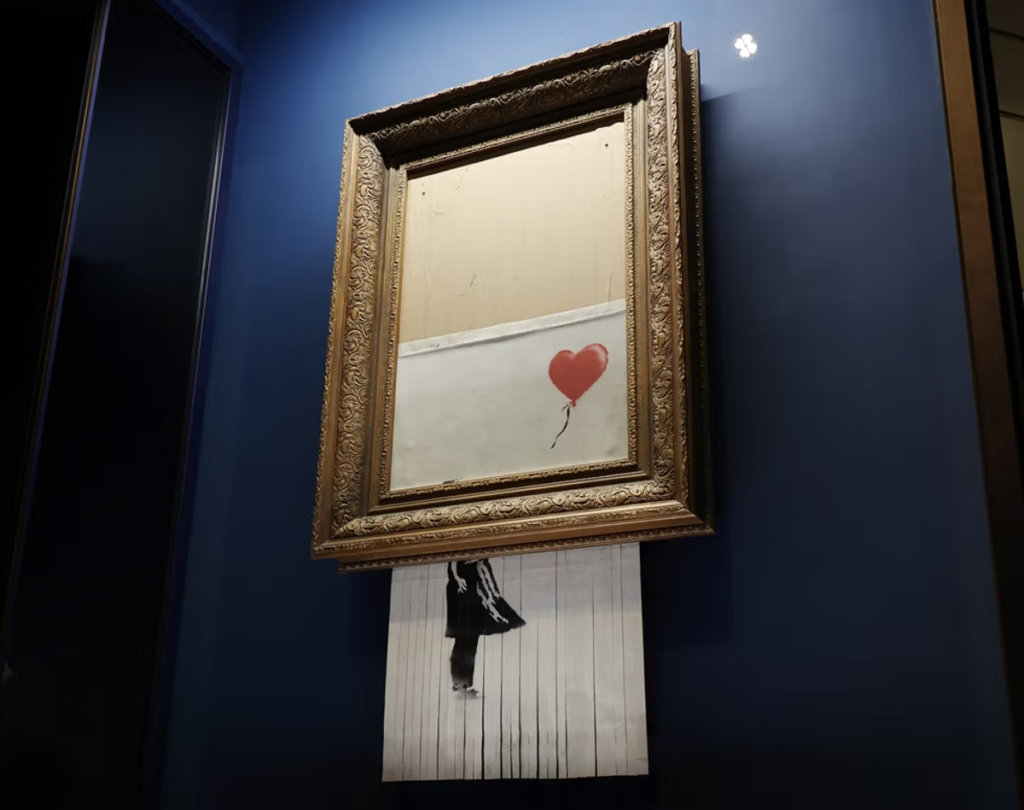
Girl With Balloon, one of Banksy’s most famous works, depicts a young girl releasing a red heart-shaped balloon, symbolizing hope and fragility. The image has become a global icon of street art.
Moments after the artwork Girl With Balloon sold for more than £1 million, the painting began to self-destruct inside its frame, partially shredding itself in front of a stunned audience.
Banksy later revealed that he had secretly installed the mechanism inside the frame years earlier.
According to reports cited in the investigation, a man matching the physical description of Robin Gunningham was allegedly seen in the auction room at the time, wearing glasses that may have contained a hidden camera.
The event demonstrated Banksy’s ability to control media narratives while still preserving his anonymity.
A popular theory about Massive Attack dismissed
For years, another theory dominated speculation about Banksy’s identity.
Some observers believed the artist might actually be Robert Del Naja, the lead singer of the British band Massive Attack. This theory was partly based on the fact that Banksy artworks often appeared in cities shortly before or after Massive Attack concerts.
However, the Reuters investigation concludes that Robert Del Naja is not Banksy, although he may be a close friend or collaborator of the artist.
This finding appears to close one of the most widely discussed theories surrounding the mystery.
Despite the detailed investigation, the identity of Banksy has never been officially confirmed.
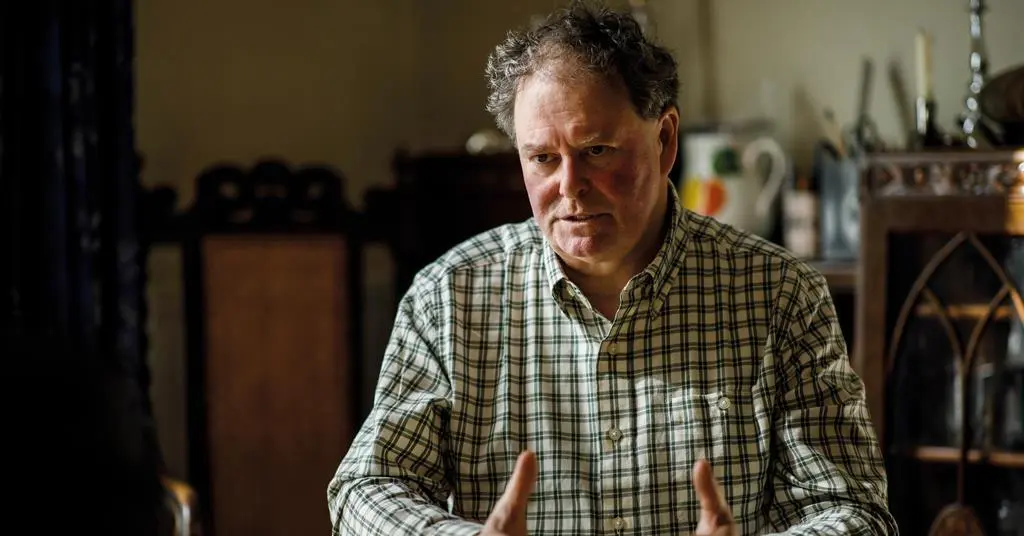
The artist’s lawyer, Mark Stephens, has strongly disputed the claims. He warned that attempts to publicly identify Banksy could put the artist at risk.
Stephens stated that Banksy already faces behavior from certain individuals that can be described as obsessive, threatening, or extremist.
Maintaining anonymity has always been essential for the artist, not only for personal safety but also because many of his works are created illegally in public spaces.
Why Banksy’s anonymity matters
Beyond the curiosity surrounding the mystery, Banksy’s anonymity is deeply connected to his artistic message.
Unlike many contemporary artists who cultivate celebrity status, Banksy has consistently avoided public recognition. By remaining anonymous, he shifted attention away from himself and toward the ideas expressed in his work.
His art frequently addresses major global issues such as:
war
social inequality
capitalism
surveillance
migration
political power
In many ways, Banksy’s invisibility has become part of the artwork itself.
Would revealing Banksy’s identity Change his legacy?
If Banksy’s identity were ever confirmed, it could significantly alter the way his work is perceived.
The mystery surrounding the artist has played a major role in building the legend of Banksy and amplifying the impact of his interventions in public spaces.
However, many experts argue that the power of his images and messages goes far beyond the question of who created them.
Today, Banksy’s works sell for millions of dollars at major auction houses, and his influence on global street art culture is undeniable.
Whether the artist is truly Robin Gunningham or not, Banksy remains one of the most important and provocative figures in contemporary art.
And ironically, even after decades of investigation, the mystery of Banksy continues to captivate the world.
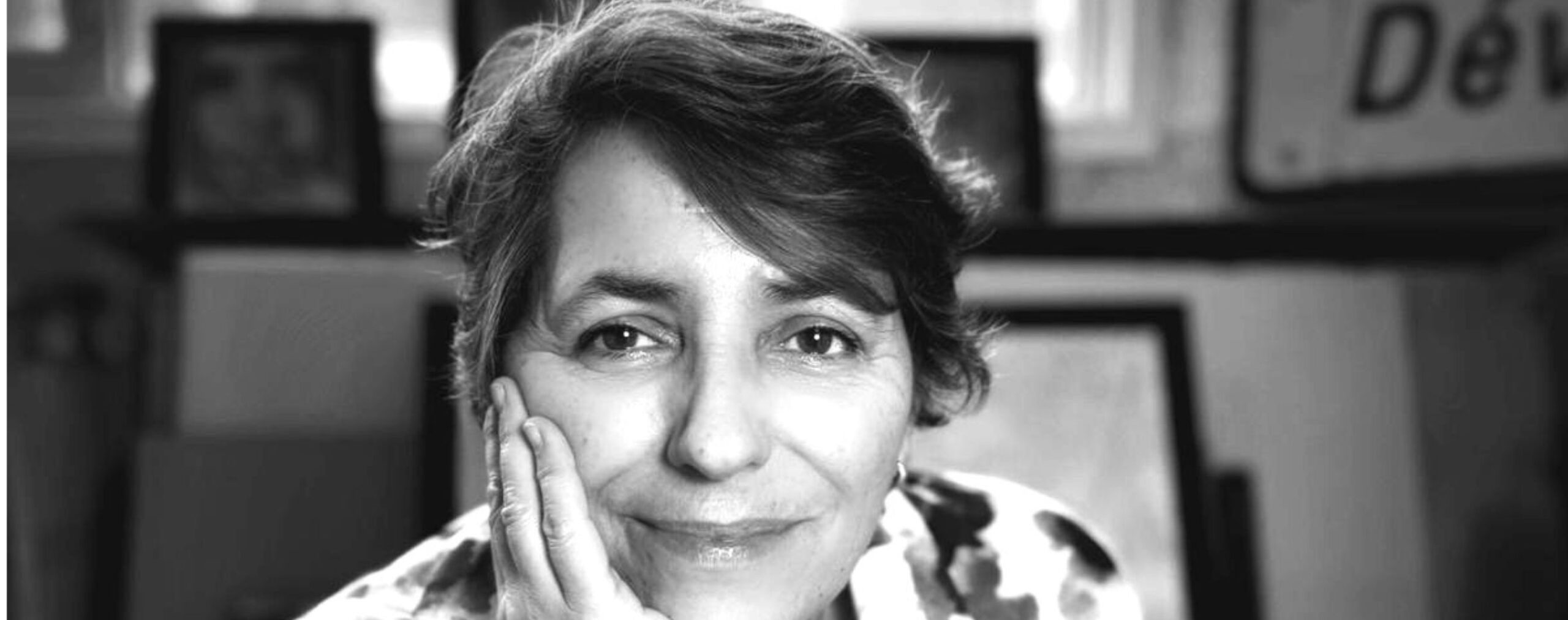
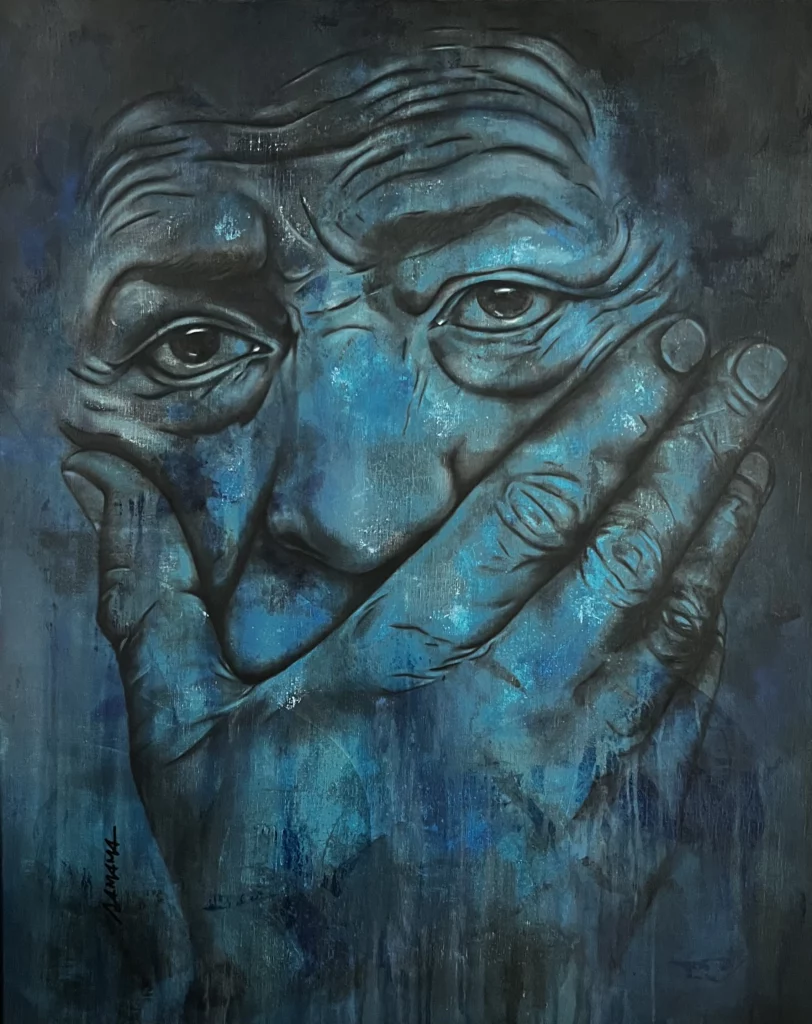
Across several major artistic events throughout the year, Frédérique Samama has been steadily establishing a distinctive artistic voice. Working primarily with black stone, the artist develops an intimate exploration of faces and hands, where graphic precision meets psychological intensity.
Balancing control of gesture with emotional depth, her drawings belong to a form of expressive contemporary figuration in which the face becomes a territory of inner resonance.
Bleu intérieur – Oil, acrylic and black stone – 92 x 73 cm
A presence across the contemporary art scene
Over recent months, Frédérique Samama’s work has appeared with notable consistency within a number of significant exhibitions and salons on the French art scene.
This growing visibility reflects the coherence of a practice centred on the human figure and the emotional density of the gaze. The recent award of the Silver Medal of Arts, Sciences and Letters further confirms the recognition of an artistic approach grounded in both technical mastery and psychological sensitivity.
Through these exhibitions, the artist continues to explore drawing as a medium capable of revealing the subtle tension between presence and vulnerability.
Faces and hands : drawing as a language
At the core of Frédérique Samama’s work lies a meticulous study of faces and hands, fragments of the body that she isolates and transforms into autonomous subjects.
Under her line, these elements become spaces where fragility, determination and memory converge.
The use of black stone, a medium she handles with remarkable control over tonal density, lends the drawings a nearly mineral gravity. Figures appear suspended against deliberately abstract backgrounds, removed from narrative context and brought into a state of quiet intensity.
Within this interplay between formal rigour and spatial dissolution, the line becomes a form of writing. Samama does not merely depict : she reveals.
A work in evolution
Frédérique Samama’s recent works confirm the coherence of a practice that combines technical discipline with emotional depth.
Situated within contemporary expressive figuration, her work proposes a vision in which vulnerability becomes an active force. The face emerges as a site of memory, presence and human intensity.
An evolving body of work that continues to deepen its own territory : the face as a place where inner experience becomes visible.
Discover the full feature in Art Mag
The complete portrait of Frédérique Samama, her artistic journey and a deeper exploration of her work are featured in Art Mag – print edition, which dedicates a special article to this artist and the development of her practice.
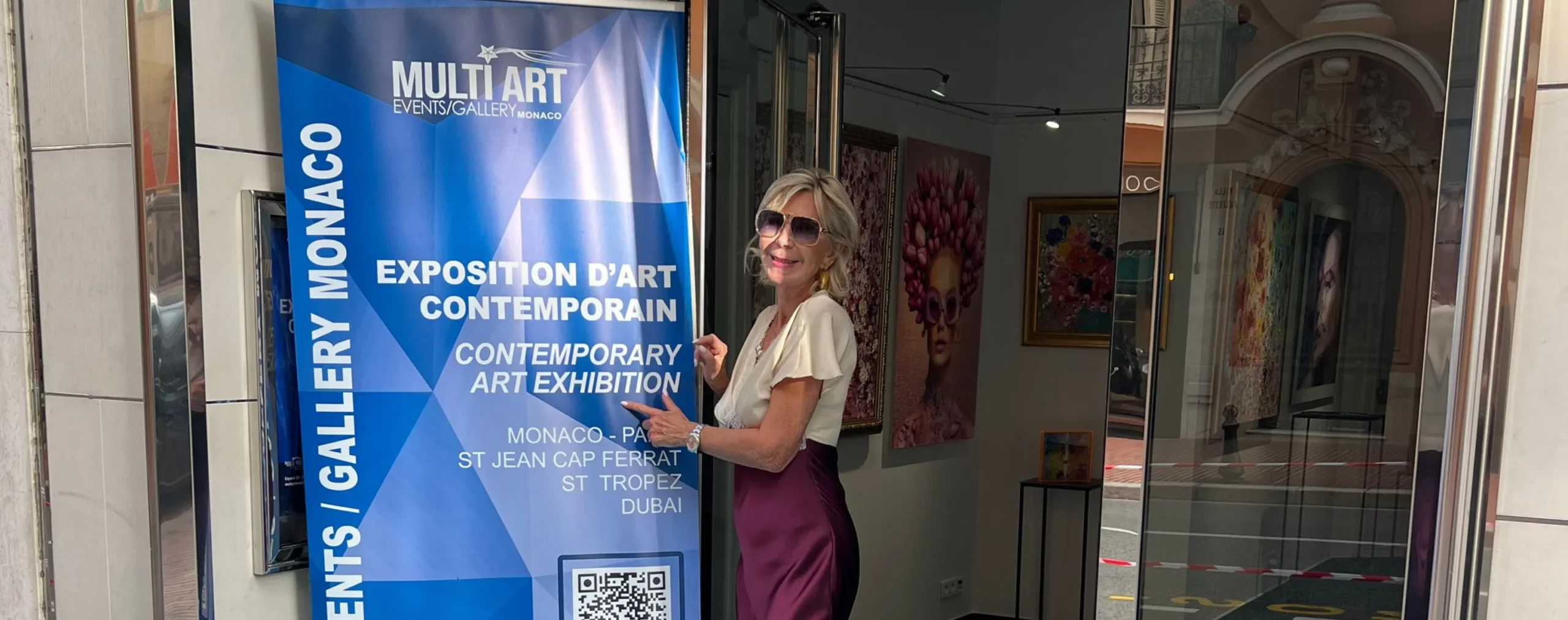
In Monaco, Multi Art Gallery has developed a distinctive approach to contemporary art over the past several years. Founded by Wendy Lauwers, the gallery has established itself as an artistic platform where emerging artists, international collectors, and exceptional venues come together.
At the crossroads of an art gallery, curatorial practice, and an international artistic network, Multi Art Gallery conceives exhibitions in which artworks engage in dialogue with one another, creating an aesthetic experience designed as a coherent whole.
An Art Gallery Born from an Unconventional Path
Having lived in Monaco for more than three decades, Wendy was not originally destined for the art world. Her career began in the textile industry and international fashion trade shows, where she developed a keen eye for materials, lines, and visual balance.
A pivotal encounter with a bronze sculptor opened a new chapter in her life. This artistic collaboration, marked by several international exhibitions, allowed her to gain insight into the dynamics of the contemporary art market.
A few years later, this experience led to the creation of Multi Art Gallery Monaco, founded with the ambition of building a space capable of supporting multiple artists at once.
Exhibitions as Artistic Landscapes
The signature of MultiArt Gallery lies in its distinctive curatorial approach.
Rather than simply displaying works side by side, exhibitions are conceived as artistic constellations, where sculptures, paintings, contemporary photography, and digital art interact in a carefully balanced visual dialogue.
Each exhibition becomes a true showcase, allowing artistic universes to resonate with one another.
Between Monaco, the French Riviera, and the International Art Scene
Over the years, MultiArt Gallery has developed a presence across several artistic scenes.
The gallery regularly organizes exhibitions on the French Riviera, while also participating in major international events such as Miami Art Week, one of the most important gatherings in the contemporary art world.
These exchanges allow the artists represented by the gallery to connect with an international audience of collectors and art enthusiasts.
A Human Approach to the Art Market
At the heart of MultiArt Gallery’s philosophy lies a simple conviction: art is first and foremost an emotional experience.
For Wendy, collecting art is not merely an investment strategy but an intimate relationship between a work of art and the person who encounters it.
This sensitive approach guides both the selection of artists and the way the gallery supports collectors and art lovers.
Discover the World of MultiArt Gallery
Today, Multi Art Gallery continues its mission : to bring forward new artistic talents while creating exhibitions that are both accessible and demanding.
The full portrait of Wendy, her perspective on the evolution of the art market, and behind-the-scenes insights into the gallery can be discovered in Art Mag, print edition, which features a dedicated article on this Monaco-based gallery with a distinctive trajectory.