


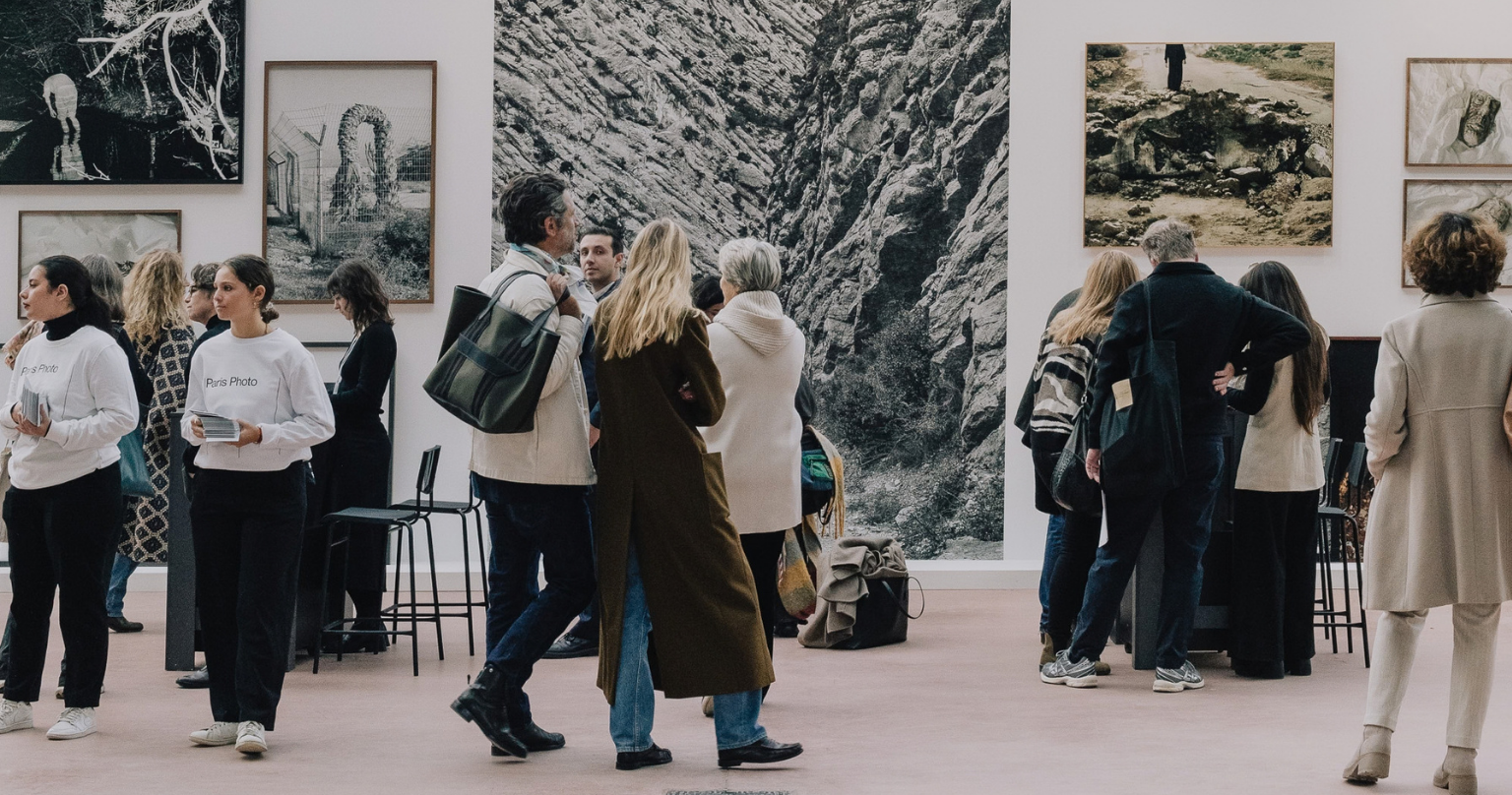
From 12 to 15 November 2026, Paris Photo returns to the Grand Palais for its 29th edition, marked by the Bicentenary of Photography. From the earliest 19th-century processes to AI-generated images, the fair portrays a medium whose boundaries have rarely seemed so fluid.
Celebrating two hundred years of photography at a time when our relationship with images is undergoing one of its most profound transformations gives Paris Photo 2026 particular resonance.
From 12 to 15 November, international galleries, artists, publishers, institutions and collectors will gather beneath the glass roof of the Grand Palais. Yet beyond its role as a major art-market event, this edition raises a question that now runs through contemporary photographic practice: what still constitutes a photograph when an image can be captured, transformed, computed or entirely generated?
Support independent publishing! Subscribe to ART MAG and receive each issue in advance, in both print and digital format
👉 Subcribe 6 issues / 1 year
From the pioneers of photography to new forms of image-making
The dialogue between history and contemporary creation is evident in the Main Sector, which brings together 152 galleries from 31 countries.
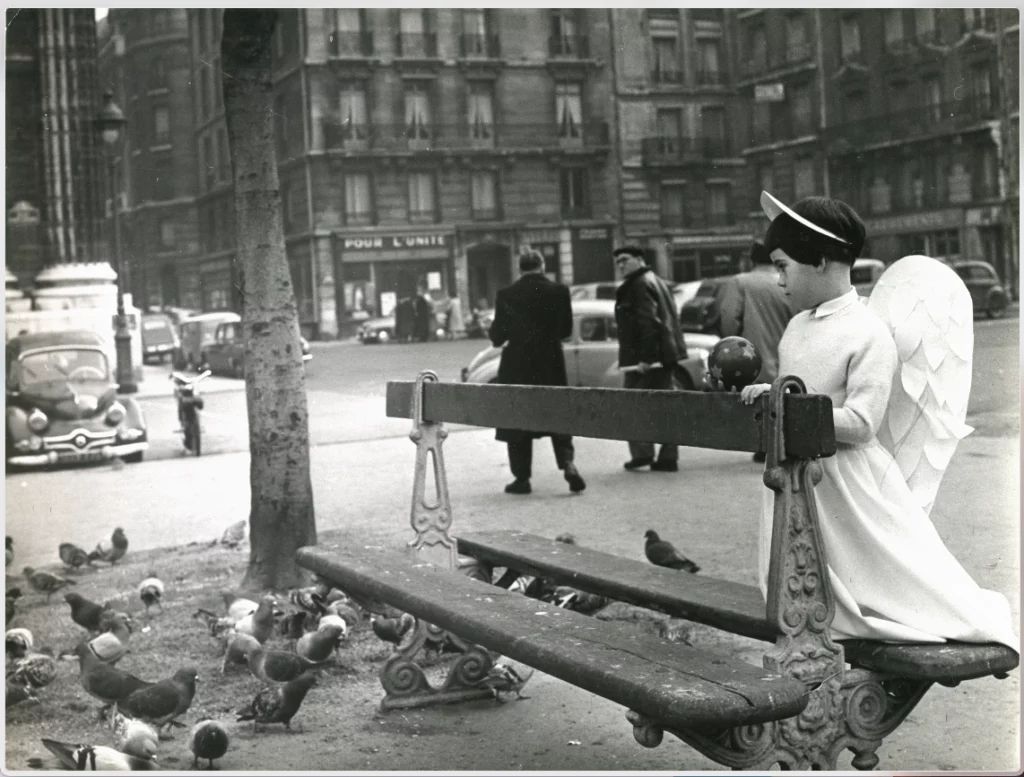
To mark the Bicentenary, several presentations return to the very origins of the medium. Hans P. Kraus Jr. will notably bring together works by Louis Daguerre, William Henry Fox Talbot, Anna Atkins and Girault de Prangey, reminding us just how experimental the earliest decades of photography already were.
Two centuries later, that experimentation continues with radically different tools.
The Digital Sector, now curated by Marco De Mutiis, explores the new conditions in which images are produced and circulated: photorealistic artificial intelligence, algorithms, smartphones, social media and digital environments.
Photography can therefore no longer be defined solely by the camera that produced it. It has become a territory where image capture, data, programming and digital manipulation converge.
Support independent publishing! Subscribe to ART MAG and receive each issue in advance, in both print and digital format
👉 Subcribe 6 issues / 1 year
“Disappearance”: when photography questions reality
It is perhaps within the Voices sector that this reflection finds its most compelling expression.
For its third edition, curators Zasha Colah and Francesco Zanot have chosen a particularly evocative theme: Disappearance.
The choice is far from incidental. Photography was built upon the promise of fixing what might otherwise disappear. Two hundred years later, it is the status of photography itself that appears increasingly unstable.
The works presented address the disappearance of landscapes, communities and social realities, while also examining the erosion of the medium’s traditional boundaries. Photography, painting, sculpture, installation, software manipulation and artificial intelligence intersect to challenge what has long been considered one of photography’s defining characteristics: its presumed relationship with reality.
At a time when a perfectly plausible image can exist without any camera ever having recorded the scene it depicts, this question extends far beyond the artistic field.
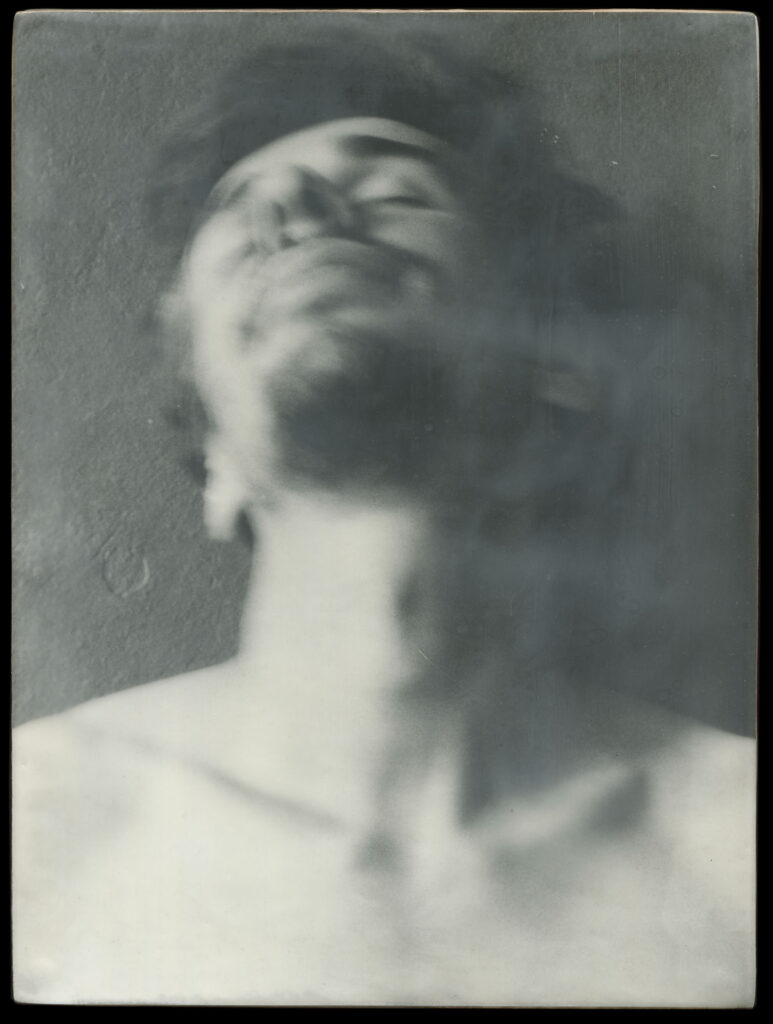
The Centre Pompidou reveals its photographic collection
Another highlight of the 2026 edition, Révéler will present a selection specially conceived for the Grand Palais from the Centre Pompidou’s photography collection.
Around one hundred works by nearly thirty historical and contemporary artists will offer different perspectives on how images can be conceived and produced.
Man Ray, Brassaï, Constantin Brancusi and László Moholy-Nagy are among the artists represented.
Rather than offering a strictly chronological history, the presentation highlights the extent to which photography has always functioned as a laboratory. Framing, experimentation, appropriation and the transformation of light and material were part of its development long before the emergence of digital technologies.
Support independent publishing! Subscribe to ART MAG and receive each issue in advance, in both print and digital format
👉 Subcribe 6 issues / 1 year
A new generation expands the boundaries of the medium
This transformation is also visible in Emergence, which brings together twenty projects from nine countries.
For many of the selected artists, photography is no longer necessarily an end in itself. Instead, it becomes one material among others, combined with textiles, archives, installation, poetry or architecture.
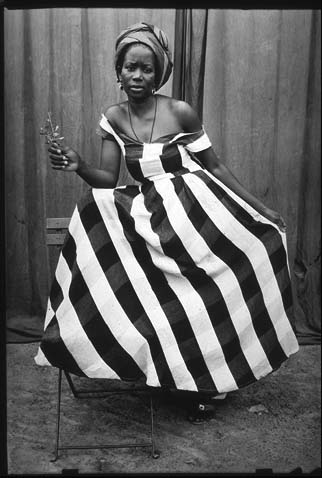
Agnes Essonti Luque examines colonial history and the restitution of objects; Dev Dhunsi brings documentary practice into dialogue with diasporic narratives and textiles; while Randa Mirza combines photography, poetry and calligraphy to address the destruction caused by war in southern Lebanon.
These practices reveal a profound shift. Contemporary photography no longer seeks merely to show the world; it also questions the ways in which images construct our narratives, memories and representations.
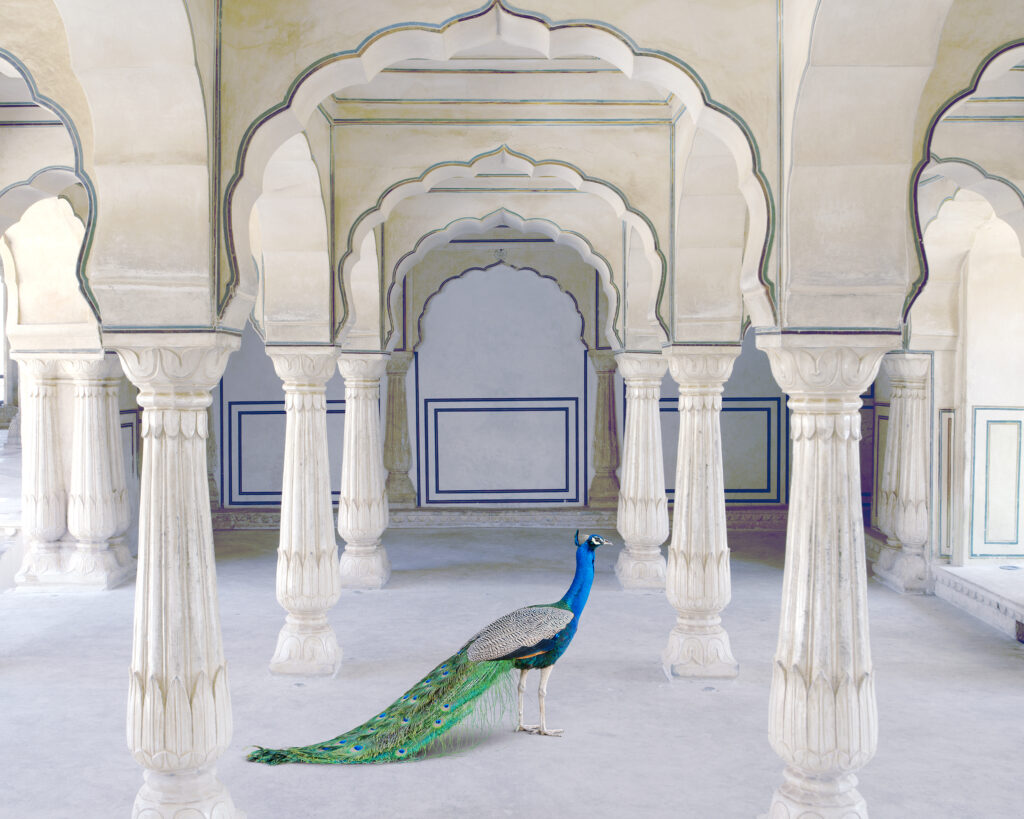
Two hundred years later, what is a photograph?
Paris Photo 2026 could have turned the Bicentenary into a purely historical celebration. The significance of this edition lies precisely elsewhere.
By bringing the pioneers of the 19th century into dialogue with major 20th-century figures, emerging artists and contemporary digital practices, the fair reminds us that photography has never stopped reinventing itself.
Yet the current transformation may be of a different order. For almost two centuries, despite the many possibilities for manipulation, photography retained a physical connection with something that had existed in front of the lens. Artificial intelligence and generative imagery are now challenging that assumption.
The question, therefore, is no longer simply what photography can represent, but what still makes an image a photograph.
That may ultimately be what makes Paris Photo 2026 particularly significant: it celebrates two centuries of history at the precise moment when the medium is once again being forced to redefine its boundaries.
Paris Photo 2026
12–15 November 2026
Grand Palais, Paris
Support independent publishing! Subscribe to ART MAG and receive each issue in advance, in both print and digital format
👉 Subcribe 6 issues / 1 year
FAQ – PARIS PHOTO 2026
Paris Photo 2026 will take place from 12 to 15 November 2026 in Paris. The 29th edition of the fair will be held as part of the Bicentenary of Photography celebrations.
Where will Paris Photo 2026 be held?
Paris Photo 2026 will take place at the Grand Palais in Paris, bringing together international galleries, artists, publishers, institutions and collectors for four days.
What can visitors see at Paris Photo 2026?
The fair brings together historical and contemporary photography across several sectors: Main and Prismes, Voices, Digital, Emergence and Publishers. The 2026 edition notably explores new digital practices and the growing role of artificial intelligence in image-making.
Why is Paris Photo 2026 celebrating the Bicentenary of Photography?
The 2026 edition marks 200 years of photography. Paris Photo explores the history and evolution of the medium, from its earliest processes to contemporary transformations driven by digital technologies and generative imagery