


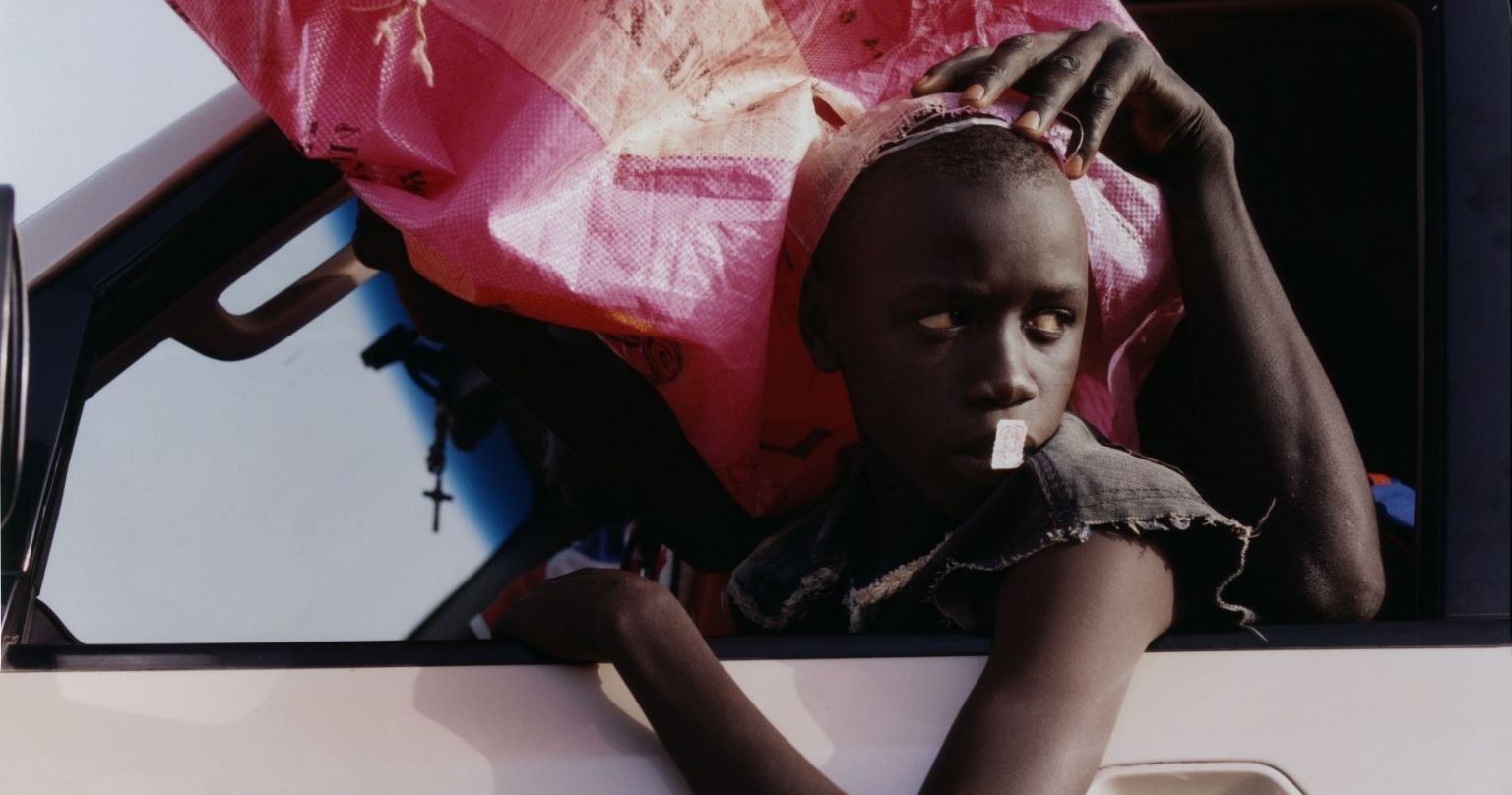
More than 300 photographs, over 90 artists, and a collection built over three decades. Presented at the Jeu de Paume, Fragile Beauty could simply be seen as a spectacular exhibition devoted to one of the world’s most significant private photography collections. Yet behind the works of Richard Avedon, Nan Goldin, Irving Penn and Robert Mapplethorpe lies another story: the story of a way of seeing, patiently shaped over time.
Great collections often impress because of their scale.
Seven thousand photographs.
Hundreds of iconic prints.
Some of the most celebrated names in modern and contemporary photography brought together in a single exhibition.
But after a few galleries, those numbers begin to fade into the background. The photographs start to converse with one another. Themes echo across the exhibition. Individual choices gradually reveal a deeper coherence.
The visitor is no longer simply looking at a collection.
Instead, they begin to discover the personalities of those who built it.
Every Collection Tells a Story—But Rarely the One We Expect
It is tempting to view a major collection as a symbol of success or exceptional wealth.
Fragile Beauty invites a very different reading.
Fashion photography stands alongside photojournalism. Portraits of celebrities are displayed next to images exploring identity, social struggles and life on the margins. Nothing appears to have been selected simply to illustrate an official history of photography.
Instead, every photograph seems to have been chosen because, at a particular moment, it meant something to Elton John and David Furnish.
The collection stops being an inventory.
It becomes a narrative.
A Collector Does Not Begin by Buying Art. They Begin by Learning to See.
Perhaps this is the exhibition’s most valuable lesson.
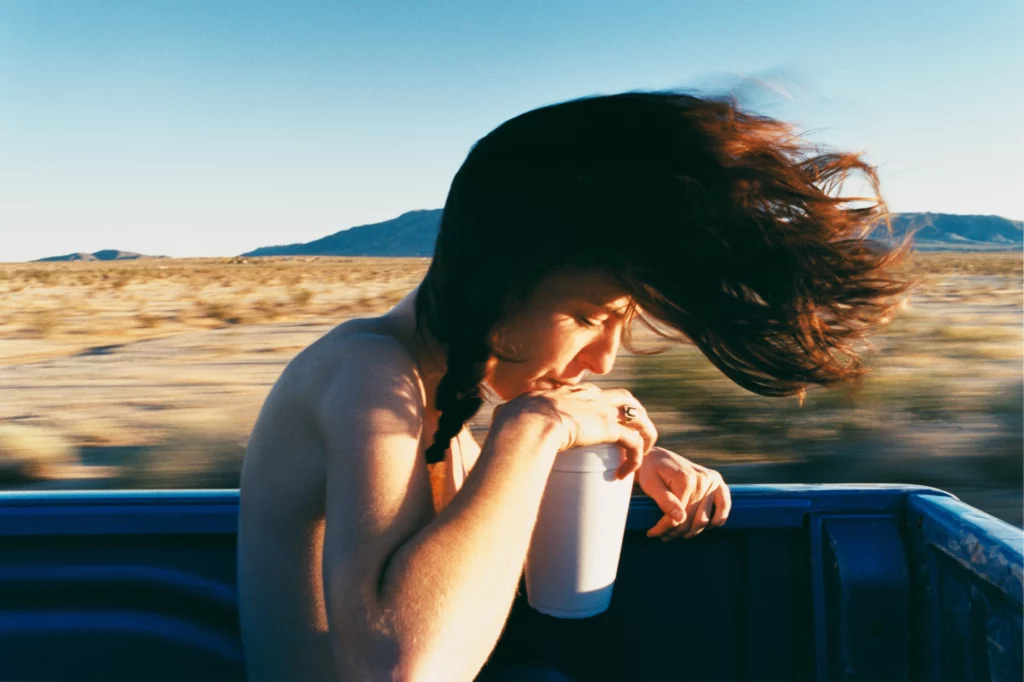
In the exhibition catalogue, Elton John explains that before acquiring photographs by Irving Penn or Man Ray, he simply lived surrounded by posters. Gradually, he learned how to recognise the quality of a print, understand its provenance and history, and sometimes wait years before finding the work he was looking for.
One sentence perfectly sums up this philosophy:
“A picture doesn’t have to cost a million dollars to make you happy. It can be anything—even a photograph torn from a newspaper.”
These words remind us of something the art market occasionally allows us to forget.
Money allows you to acquire artworks. Vision allows you to build a collection.
The distinction is fundamental.
An artwork can be purchased in minutes.
A collector’s eye takes a lifetime to develop.
What Photographs Reveal About Their Collectors
As visitors move through Fragile Beauty, it becomes increasingly clear that the selected works speak as much about those who collected them as about those who created them.
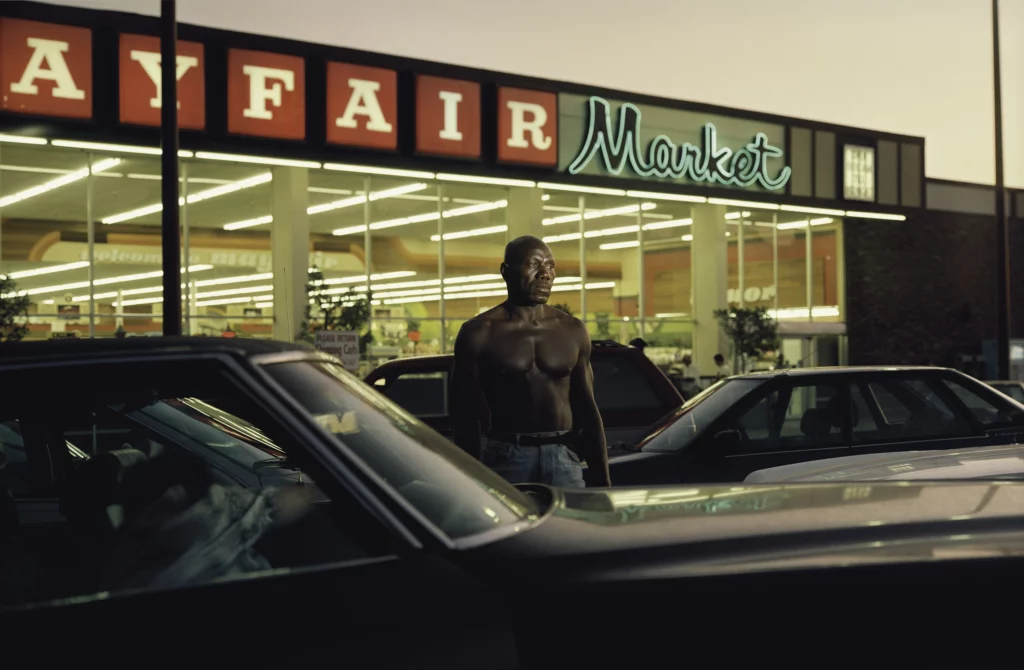
The exhibition explores themes of freedom, identity, desire, social engagement, memory and celebrity. Together, these photographs form a sensitive map of the emotions, convictions and questions that have accompanied Elton John and David Furnish for more than three decades.
A great collection is therefore never simply an accumulation of artworks.
It reflects a particular way of seeing the world.
Why This Exhibition Goes Beyond Photography
This is undoubtedly what makes Fragile Beauty so compelling.
The exhibition is not intended solely for photography enthusiasts.
It speaks to all of us.
Why does one image move us so deeply?
Why do certain artworks remain with us throughout our lives while others quietly fade from memory?
At what point does buying artworks become collecting?
These questions extend far beyond the art market.
They touch upon our relationship with time, memory and transmission.
A Reflection Continued in ART MAG No. 33
While preparing our feature on collecting, we deliberately chose not to produce another exhibition review.
Instead, we began with a more fundamental question:
What truly makes a collector?
📖 ART MAG No. 33 is available in both print and digital editions.
Using Elton John and David Furnish’s collection as a starting point, ART MAG No. 33 explores how a collection takes shape, how taste develops over time, and what artworks ultimately reveal about the people who choose to live with them.
Because a collection never tells only the story of art.
Quietly, it also tells the story of a way of seeing.
FAQ – Elton John’s Collection and the Fragile Beauty Exhibition
Sir Elton John began collecting photography in the early 1990s. Together with David Furnish, he has assembled a collection of more than 7,000 prints, guided primarily by passion and personal vision rather than investment. The collection includes both masters of photography and contemporary artists whose work reflects social and cultural issues.
Where can Elton John’s photography collection be seen in France?
A selection of more than 300 photographs is presented in Fragile Beauty at the Jeu de Paume in Paris from 12 June to 27 September 2026. The exhibition brings together major works from Elton John and David Furnish’s renowned photography collection
How many works are included in Elton John’s collection?
Elton John and David Furnish’s photography collection now comprises more than 7,000 photographs and is considered one of the world’s leading private collections dedicated to twentieth- and twenty-first-century photography.
Which photographers are featured in Fragile Beauty?
The exhibition includes works by internationally acclaimed photographers such as Irving Penn, Richard Avedon, Nan Goldin, Robert Mapplethorpe, Diane Arbus, Herb Ritts, Ryan McGinley and Philip-Lorca diCorcia, among many others.
Is collecting art an investment or a passion?
Elton John’s collection demonstrates that great collections are not built solely on financial value. They emerge from curiosity, a trained eye and lasting commitment to artists and subjects that resonate personally. While artworks may appreciate over time, Fragile Beauty reminds us that collecting is, above all, a deeply personal journey