


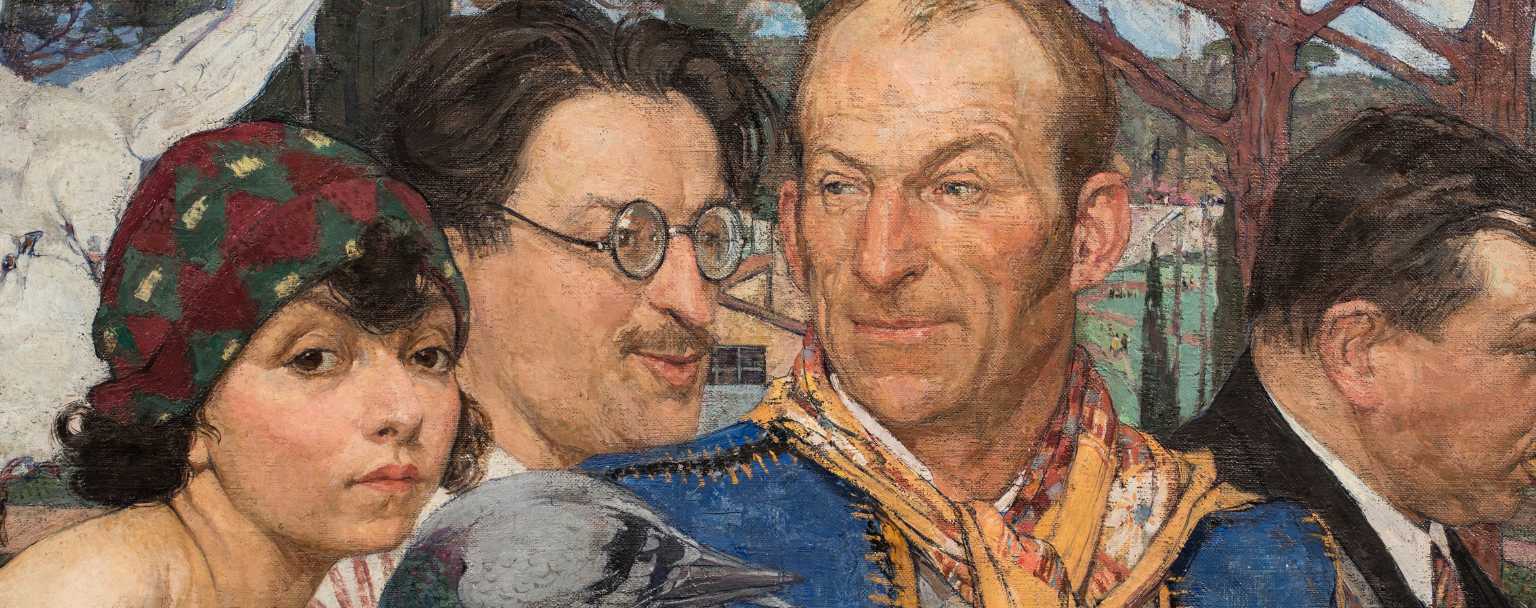
Exhibition — Odette Pauvert at La Piscine (Roubaix): the first woman painter to win the Grand Prix de Rome presents a classical modernity nourished by Italy and the monumental language of Art Deco. A rich itinerary — Rome, Paris, Brittany, Spain — that reframes the interwar years. October 11, 2025 – January 11, 2026.

Why this exhibition is unmissable
- First woman painter to win the Grand Prix de Rome (1925) — a milestone in the history of French art.
- A fresh lens on Art Deco — Pauvert’s painting combines frontal compositions, matte palettes, and the portrait-landscape formula rooted in the Quattrocento.
- A rich itinerary — Rome (Villa Medici); Paris and the ambition of the grand décor; Brittany; Spain (Casa de Velázquez); then the domestic intimacy of the postwar years.
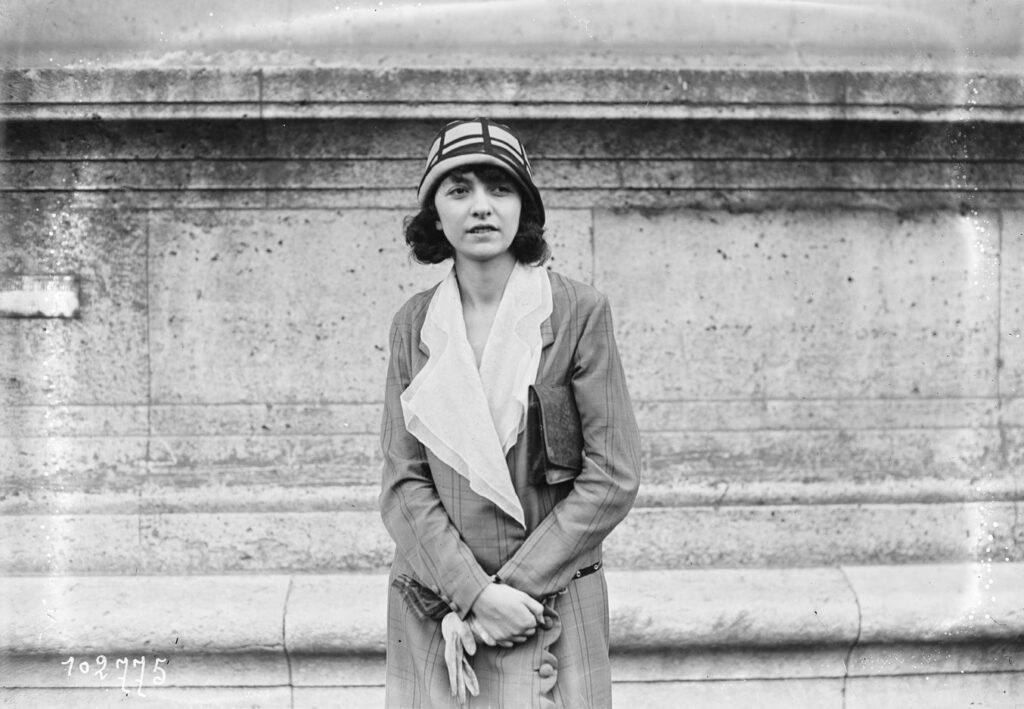
Who is Odette Pauvert?
Born in 1903, Odette Pauvert trained at the École des Beaux-Arts (Paris) and won the Grand Prix de Rome in 1925, becoming the first woman painter to receive the prize. As a resident at the Villa Medici (1926–1929), she forged a distinctive style: crisp contours, matte color, decorative clarity, and the signature “portrait-landscape.”
Returning to Paris, she asserted an ambition for mural painting (Église du Saint-Esprit; a Paris school; a Sèvres nursery; Exposition of 1937) even if public commissions remained scarce in a highly competitive environment.

Exhibition itinerary (highlights)
- Rome, the “intoxication” (1926–1929) — Italian revelation: frontality, matteness, references to Renaissance fresco and 15th-century masters.
- Paris & the grand décor (1930–1937) — The mural ideal takes shape: building sites and public projects; painting conceived at architectural scale.
- Brittany — Landscapes, figures, and legends: a current anchored in regional traditions.
- Spain (1934) — Stay at the Casa de Velázquez: large charcoal and red chalk drawings; the energy of Castilian and Andalusian landscapes.
- Postwar & the intimate — Marriage (1937), children, material constraints: smaller formats and domestic scenes.
Must-see works
- Promotion 1926 (1927), Villa Medici — a signature work from the Roman period.
- Invocation to Our Lady of the Waves (1925) — the breadth of an inhabited classicism.
- Habib Benglia (1931) and Paris 1932 (Yvonne Pesme) — portraits with assertive frontality.
- The Torero (1934) — taut lines and stylized volumes.
- Odile, Yves and Rémy at the Rond-Point des Champs-Élysées (1946) — a domestic turn without renunciation.

Practical info & context
- Dates: October 11, 2025 → January 11, 2026. Opening: Friday, October 10, 2025, from 6 pm (open to all).
- Venue: La Piscine – Musée d’art et d’industrie André Diligent, 23 rue de l’Espérance, 59100 Roubaix.
- Part of the Art Deco centenary and La Piscine’s commitment to women artists.

FAQ
Who was Odette Pauvert ?
A French painter (1903–1966), the first woman painter to win the Grand Prix de Rome (1925) and a resident at the Villa Medici (1926–1929). She developed a classical modernity informed by the Quattrocento, spanning portraits, landscapes, and mural projects.
What are the exhibition dates in Roubaix ?
October 11, 2025 – January 11, 2026 at La Piscine – Roubaix.
Which key works can visitors see?
Promotion 1926 (1927), Invocation to Our Lady of the Waves (1925), Habib Benglia (1931), Paris 1932 (Yvonne Pesme), The Torero (1934), Odile, Yves and Rémy at the Rond-Point des Champs-Élysées (1946).
Why is the exhibition linked to Art Deco ?
It aligns with the Art Deco centenary and shows how, in the Art Deco era, Pauvert proposed an alternative modernity grounded in tradition and decorative ambition.