


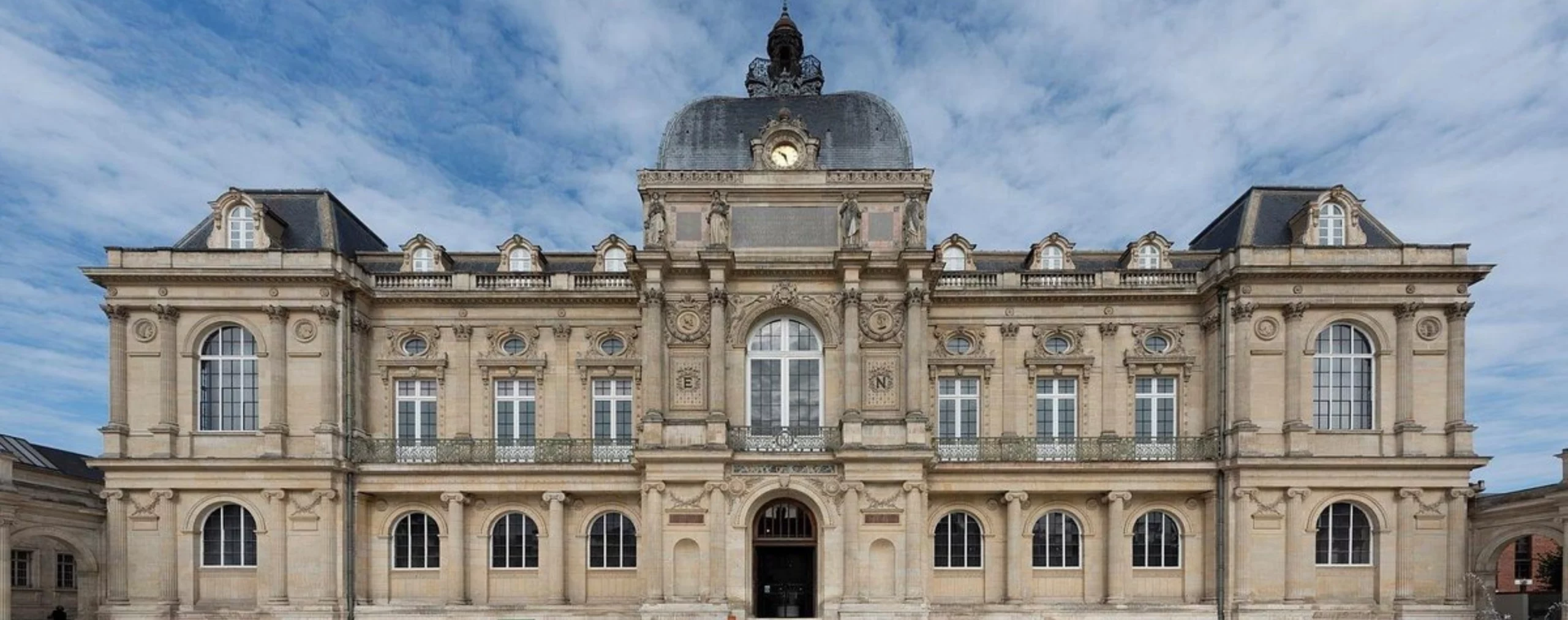
In Amiens, the Musée de Picardie Unveils an Exceptional 2026 Program
In Amiens, the Musée de Picardie will confirm in 2026 its ambition to stand as a major regional encyclopedic museum. Combining heritage conservation, long-term scholarly projects, and a demanding artistic program, the institution is establishing itself as one of the leading cultural hubs in the Hauts-de-France region.
Under the direction of Pierre Stépanoff, alongside curators Agathe Jagerschmidt-Seguin (Archaeology) and Maya Derrien (Modern and Contemporary Art), the museum has developed a season structured around several highlights, ranging from ancient Egypt to contemporary photography, as well as the treasures of Old Master drawings.
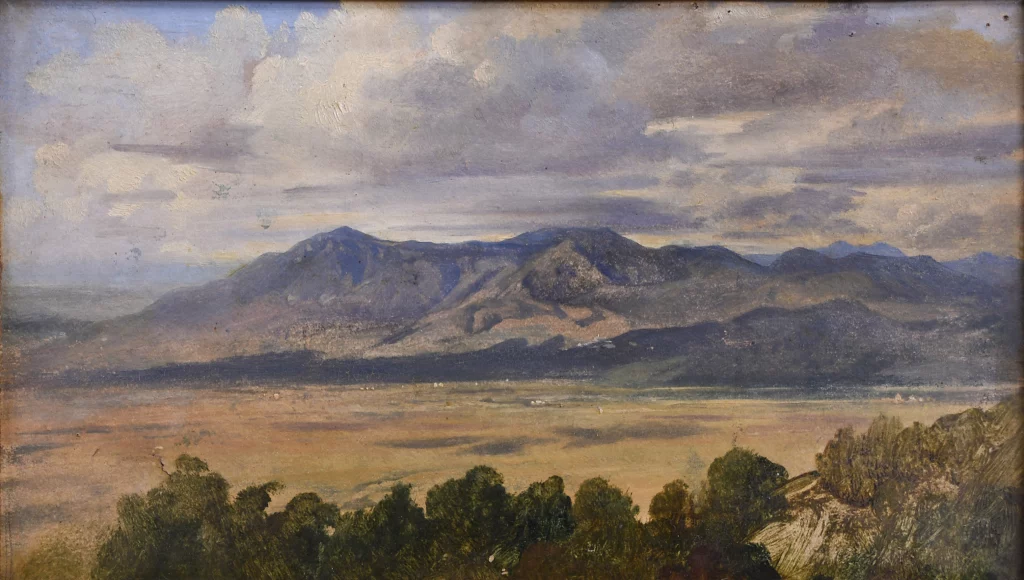
2026 Patronage Campaign: Restoring 26 Unpublished Nineteenth-Century Paintings
The season will open on 6 February 2026 with a new participatory patronage campaign. The objective is to fund the restoration of 26 works by Charles-Philippe Larivière, a major nineteenth-century academic painter, winner of the Prix de Rome and author of numerous commissions for the Palace of Versailles.
Some of these sketches and small oil studies on paper, produced in particular during the artist’s Roman stay at the Villa Medici, have been kept in storage for decades. They will be progressively restored with public support. Donors will be able to choose directly which work they wish to sponsor. The restored paintings will be integrated into the permanent galleries from December 2026.
Support independent publishing! Subscribe to ART MAG and receive each issue in advance, in both print and digital format
👉 Subcribe 6 issues / 1 year
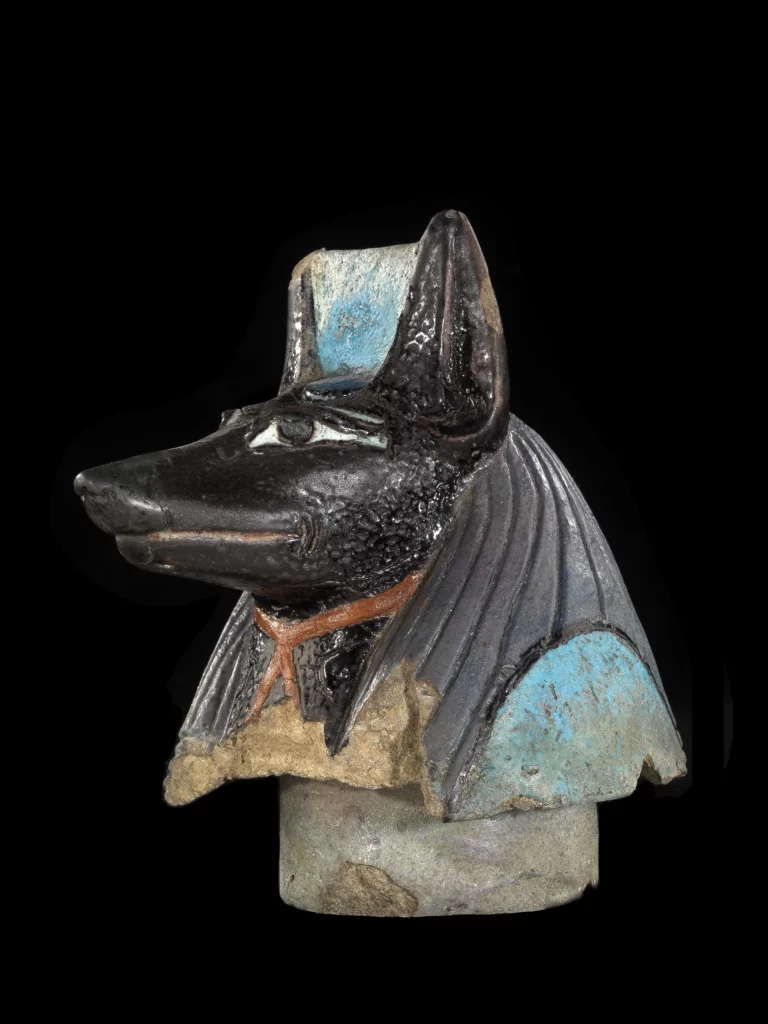
“Egypt Transformed”: A Rethought and Enriched Collection
In April 2026, the museum will inaugurate a decisive stage in the reconfiguration of its archaeological collections with the exhibition “Egypt Transformed – Collection 2026.”
The result of several years of scholarly research, this project has enabled:
- the integration of approximately 90 objects previously unidentified or kept in storage,
- an ambitious restoration campaign,
- an exceptional long-term loan of 31 works from the Louvre Museum.
The exhibition will present a selection of around 60 objects in order to encourage in-depth interpretation and a renewed reading of the collections. Canopic jars, figures of Osiris, Isis, and Horus, ritual alabasters, and fragments of funerary walls will create an immersive journey into the beliefs and practices of ancient Egypt.
A major highlight is expected in the summer around an extremely rare object associated with Tutankhamun, accompanied by a scientific reconstruction and a facsimile. This stage prepares the future permanent display of the Egyptian collections, scheduled for around 2028.
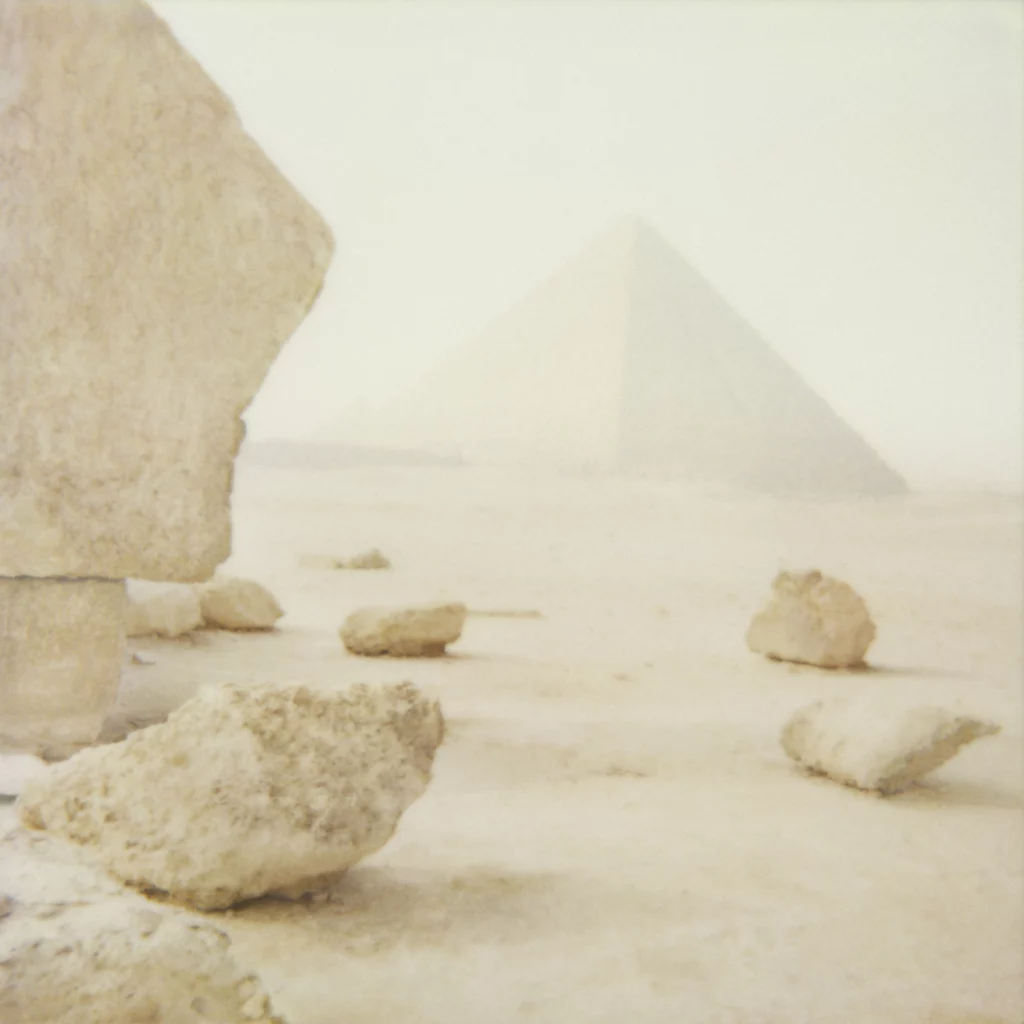
Flore: Contemporary Photography in Dialogue with the Memory of Egypt
In direct dialogue with this heritage project, the museum will also present the exhibition “Eternal Egypt – Photographs by Flore.” A French-Spanish artist based in the Somme region, Flore explores memories of her childhood in Alexandria through around twenty photographs produced between 2007 and 2025.
Working with a large-format camera and Polaroid, she develops a slow, sensitive, and deeply sensory visual language. The images will be displayed in the former Egyptian galleries and will interact with a selection of archaeological objects chosen by the artist, creating an immersive experience between intimate memory and millennia-old heritage.
Support independent publishing! Subscribe to ART MAG and receive each issue in advance, in both print and digital format
👉 Subcribe 6 issues / 1 year
Summer 2026: Hidden Treasures of French Drawing
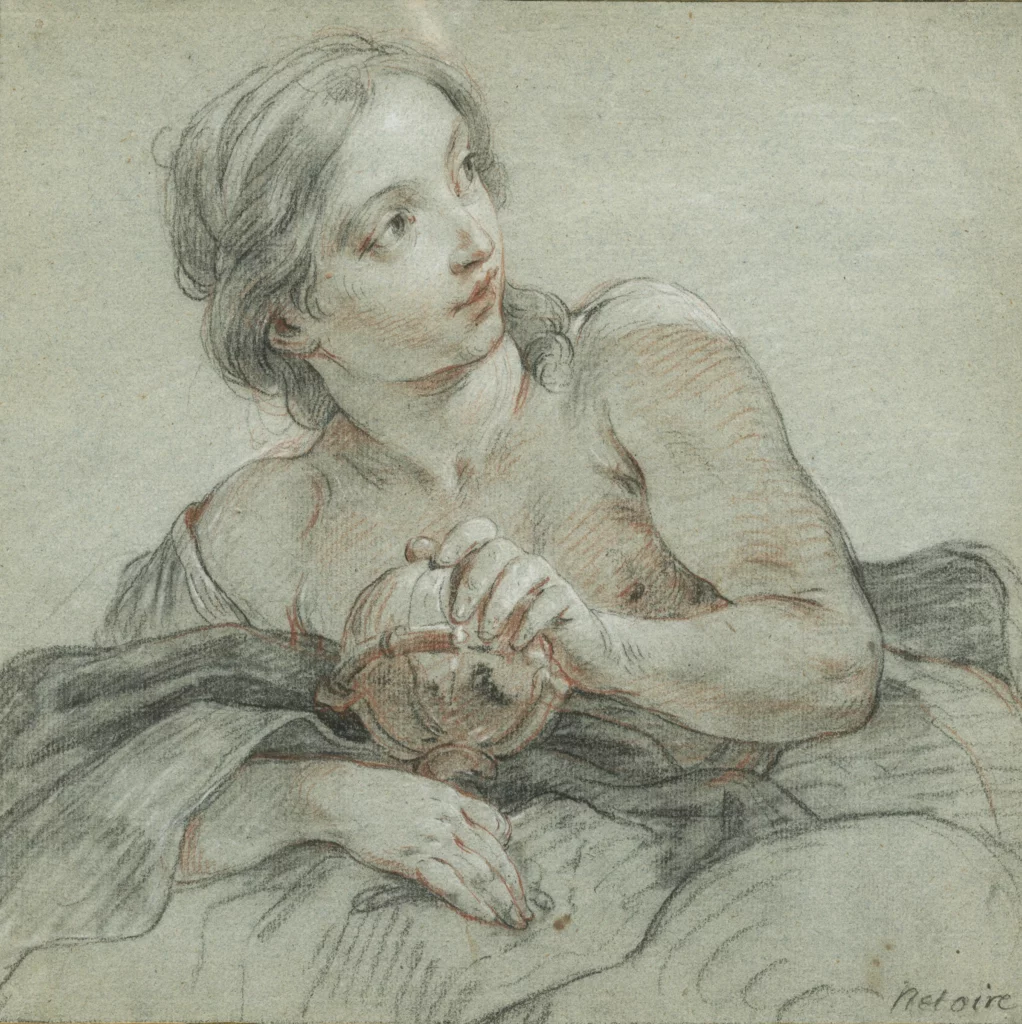
A major highlight of the season, the large summer exhibition “All of History – French Drawings of the 17th and 18th Centuries” will run from 27 June to 27 September 2026.
Approximately 170 drawings exclusively from French private collections will be brought together, many of them rarely shown to the public. The exhibition will feature works by Poussin, Watteau, Claude Lorrain, Hubert Robert, and François Le Moyne, as well as more little-known artists, revealing the geographical and stylistic diversity of French drawing.
Preparatory studies, decorative designs, and autonomous works will illustrate the fundamental role of drawing in artists’ training and in the creation of major masterpieces. The museum will also present several key works from its own collection, including Maurice-Quentin de La Tour’s pastel self-portrait.
December 2026: A Renewal of the Permanent Collections
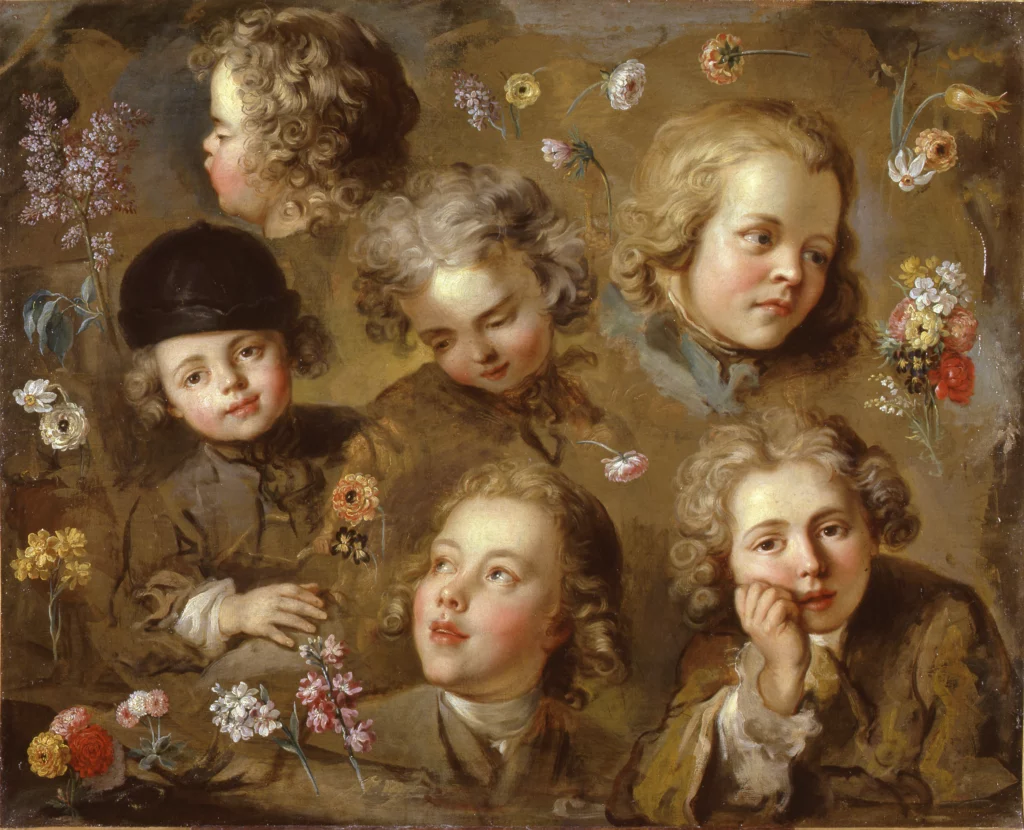
On 12 December 2026, a new phase of the extensive reinstallation of the permanent collections will be inaugurated. Sculptures, monumental paintings, restored works, and recent acquisitions will enrich the visitor route, with particular attention given to regional production and to works long kept in storage.
Larivière’s restored paintings will be one of the key markers of this renewal, illustrating the museum’s commitment to conservation and the transmission of heritage.
Jules Verne House: When Literature Dialogues with the Living World
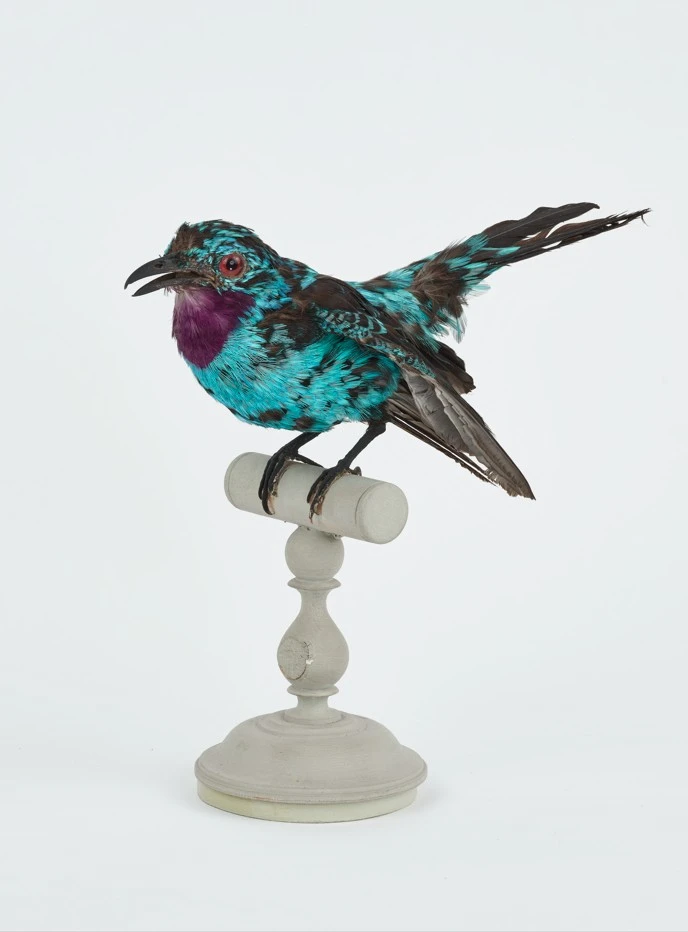
The final major event of the year, at the Jules Verne House, will be the exhibition “Jules Verne and Animals,” on view from 3 July 2026 to 11 January 2027. Rarely exhibited natural history specimens, including a great auk now extinct, will be shown alongside excerpts from Jules Verne’s works.
The exhibition will explore the many facets of animals in Verne’s imagination: scientific object, poetic figure, fantastic character, and an early ecological concern.
Amiens: A Premium Cultural Destination in 2026
With nearly 70,000 works in its collections and a remarkably dense program, the Musée de Picardie confirms its structuring role within the French cultural landscape. Its strategy combines scholarly excellence, broad public appeal, and sustainable heritage development.
In 2026, Amiens establishes itself as an essential cultural destination for art and museum enthusiasts.
Related Articles
- Albert Maignan at the Musée de Picardie : A Must-See Exhibition in Amiens
- Lise Terdjman — « Très chère Louise » au Musée de Picardie
Support independent publishing! Subscribe to ART MAG and receive each issue in advance, in both print and digital format
👉 Subcribe 6 issues / 1 year