


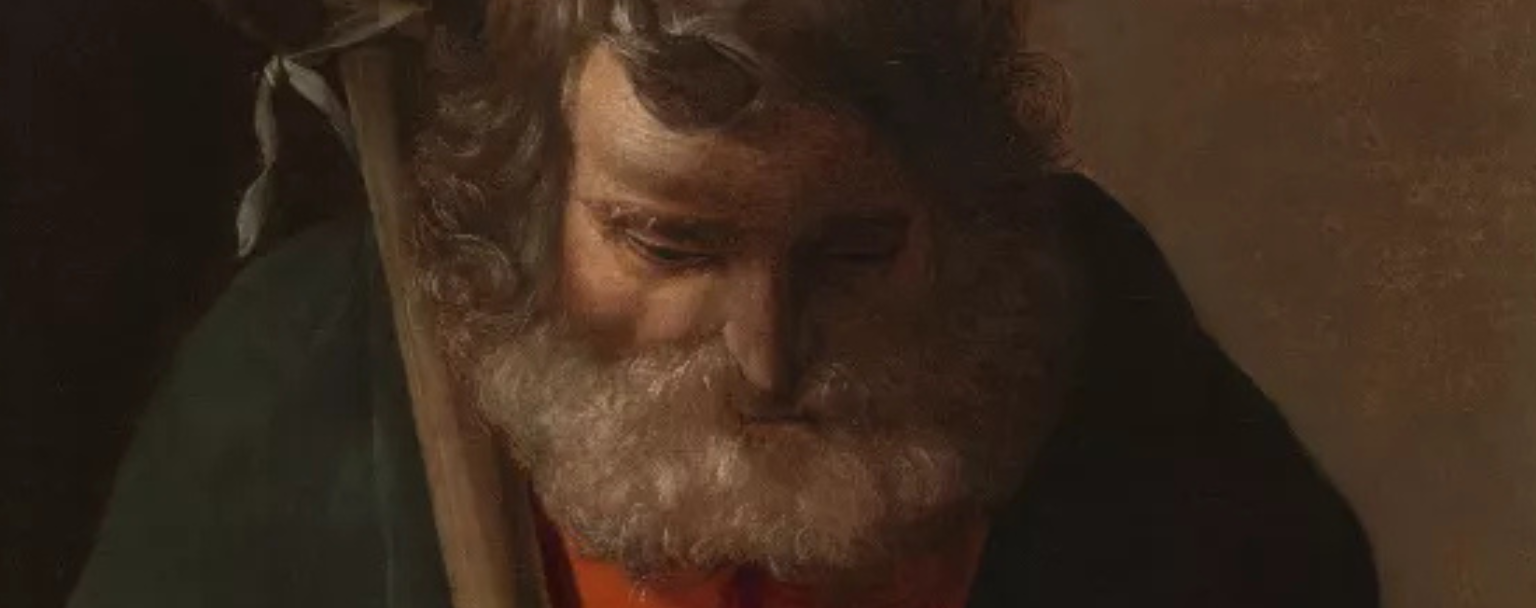
From 11 September 2025 to 25 January 2026, the Jacquemart-André Museum is dedicating a unique exhibition to Georges de La Tour (1593–1652).
The first major retrospective in France since the one at the Grand Palais in 1997, the event offers a fresh take on a rare and luminous painter, a master of deeply spiritual chiaroscuro.
Georges de La Tour, a major painter of the 17th century
Born in Vic-sur-Seille, Georges de La Tour worked for major patrons, including the Dukes of Lorraine and Louis XIII. In 1638, war destroyed his home and studio in Lunéville, prompting him to move closer to Paris.
Despite his fame during his lifetime, he fell into obscurity after his death in 1652. At the beginning of the 20th century, historians rediscovered his work, restoring his place among the great French painters nearly three centuries later.
A themed tour focusing on light
The exhibition brings together nearly thirty paintings and graphic works from French and foreign public and private collections.
The thematic tour highlights Georges de La Tour’s originality, particularly his candlelit night scenes.
Rather than directly imitating Caravaggio, La Tour developed his own personal interpretation of chiaroscuro. His radical realism and the simplicity of his compositions give his paintings a striking emotional power and modernity.
Two key works to see in the exhibition
The Newborn (circa 1645)
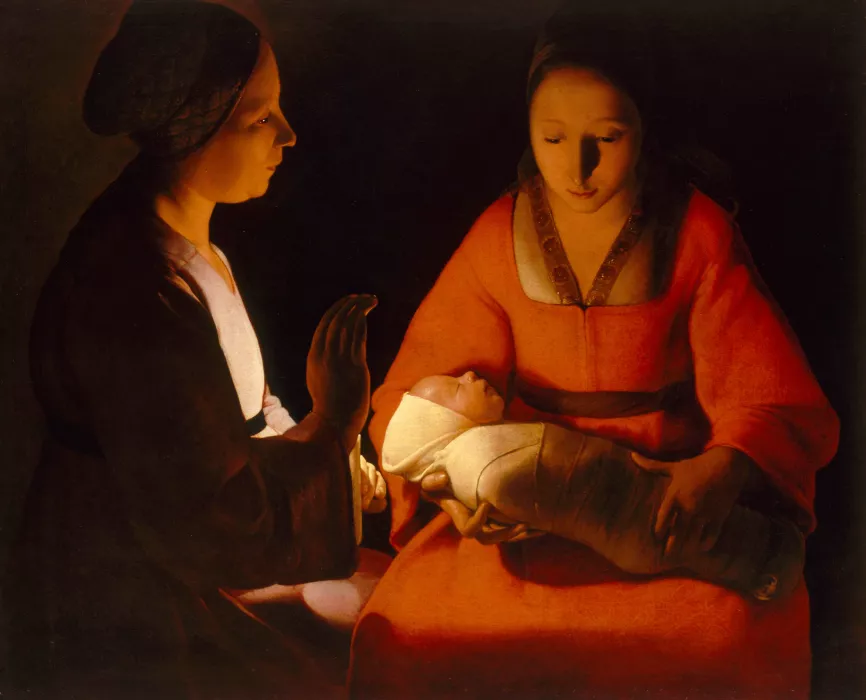
In The Newborn, subdued lighting shapes the faces and creates a meditative atmosphere; the work is one of the artist’s most famous nocturnes.
The Dice Players (circa 1650–1651)
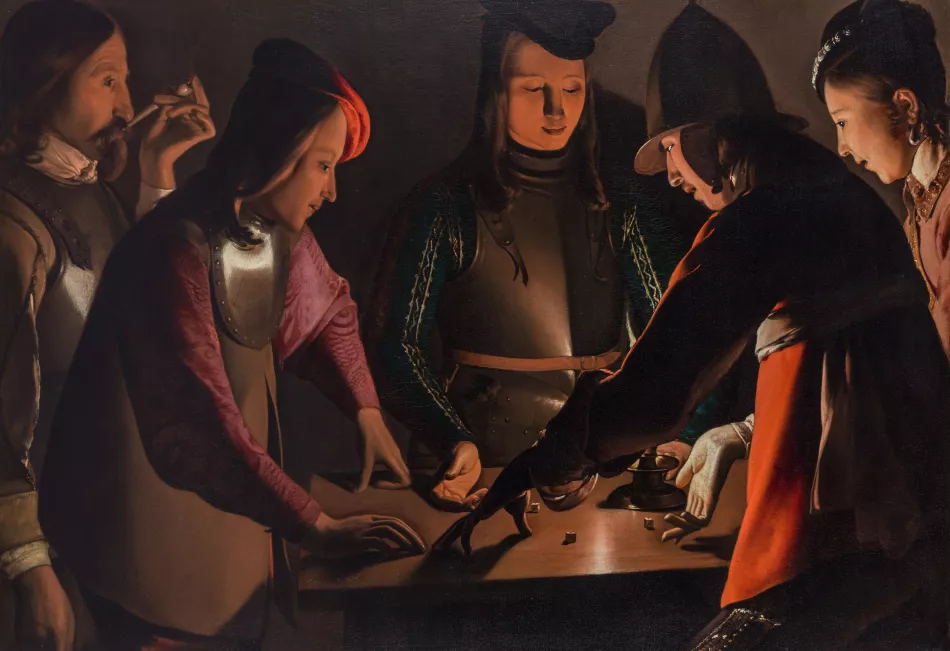
With Les Joueurs de dés (The Dice Players), Georges de La Tour creates a silent drama, where gestures and glances maintain a controlled tension. The work illustrates his attraction to Caravaggio-esque subjects and his ability to humanise his figures.
See also : Artemisia Gentileschi at the Musée Jacquemart-André: A Must-See Exhibition
FAQ :
It will be held from 11 September 2025 to 25 January 2026 at the Jacquemart-André Museum.
The first major retrospective in France since 1997, offering a fresh perspective on a rare example of European Caravaggism.
The exhibition brings together nearly thirty iconic works, including The Newborn and The Dice Players.
The museum is located at 158 Boulevard Haussmann, in the 8th arrondissement of Paris.
The museum is open daily from 10 a.m. to 6 p.m., with late opening on Fridays until 10 p.m. and at weekends until 8 p.m.