


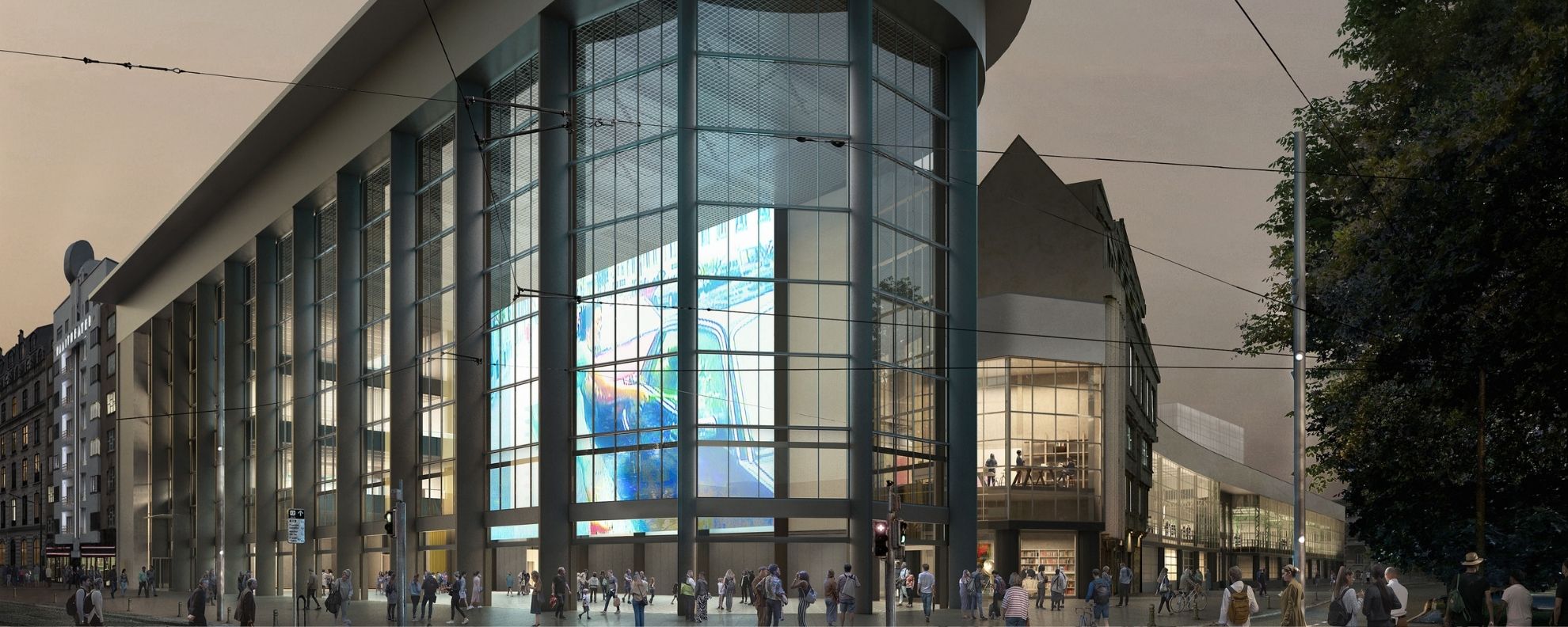
KANAL–Centre Pompidou will open on 28 November 2026 in Brussels’ former Citroën garage. This 40,000 m² cultural complex will bring together modern and contemporary art, architecture, performance, public spaces and social venues. More than just a new museum, KANAL aims to transform an iconic industrial building into a cultural space open to the city.
KANAL–Centre Pompidou at a Glance
- Public opening: 28 November 2026
- Location: former Citroën garage, near the Brussels Canal
- Surface area: 40,000 m²
- Opening programme: ten exhibitions
- Main exhibition: A truly immense journey
- Works on display: more than 350 in the main exhibition
- Architects: noAarchitecten, EM2N and Sergison Bates architects
- Artistic Director: Kasia Redzisz
- Partner: Centre Pompidou
From a Citroën Garage to a 40,000 m² Museum
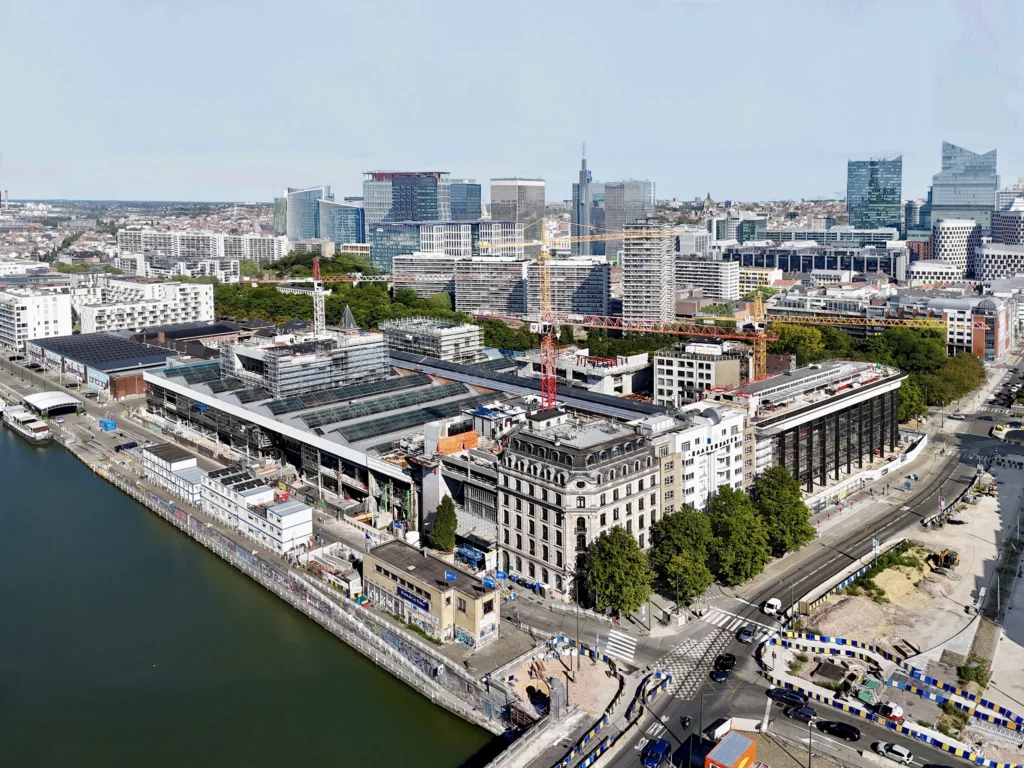
In Brussels, the former Citroën garage occupies a distinctive place in the urban landscape. Located near the canal, this modernist building, constructed in the 1930s, was long associated with cars, commerce and movement.
From 28 November 2026, it will become home to KANAL–Centre Pompidou, a new cultural institution dedicated to modern and contemporary art, architecture and live artistic creation.
The change of function is considerable. Yet the project does not seek to erase the site’s industrial history. Instead, it draws on the building’s monumental scale, structure and memory to imagine a new way of inhabiting it.
Where vehicles once circulated, artworks, artists, visitors and local residents will now come together.
Support independent publishing! Subscribe to ART MAG and receive each issue in advance, in both print and digital format
👉 Subcribe 6 issues / 1 year
An Architecture That Preserves Its Industrial Memory
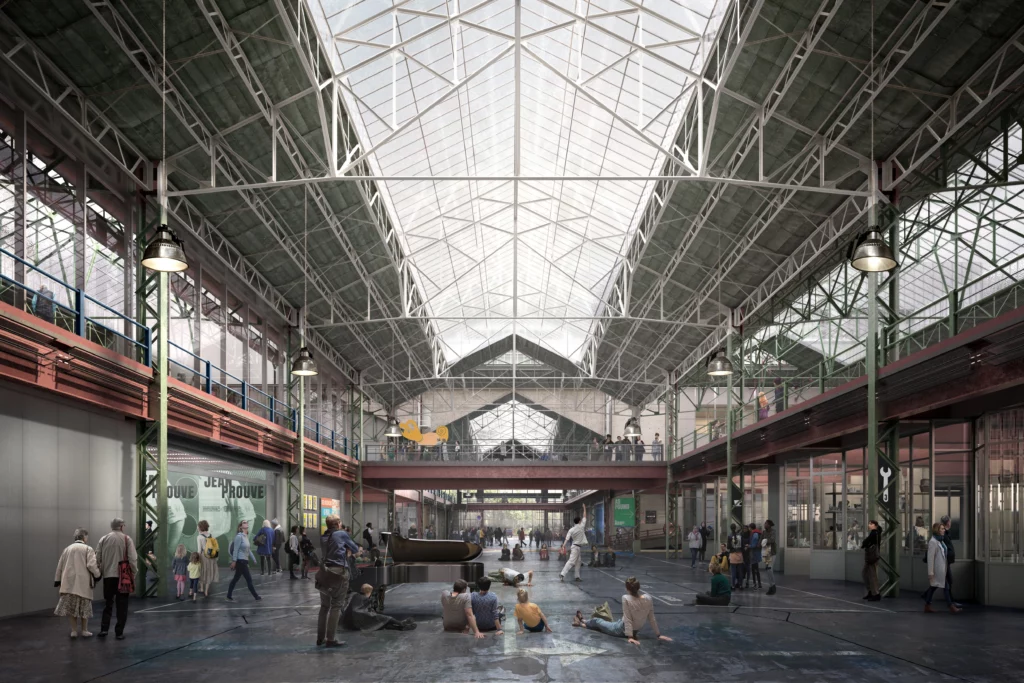
The transformation of the former Citroën garage was entrusted to noAarchitecten, EM2N and Sergison Bates architects, working together as Atelier KANAL.
The architectural project preserves the elements that define the building’s identity: its glass façade, former workshops, vast floor plates, open volumes and industrial circulation routes. These features are not merely decorative. They become the very fabric of the future museum.
Rather than creating an institution entirely detached from its surroundings, the architects chose to work with the existing structure. Visitors will therefore be able to perceive traces of the building’s former automotive activity while discovering the new spaces devoted to artistic creation.
The architecture also creates connections between the exhibition galleries, meeting places and freely accessible public areas. The building will therefore be more than a container for artworks: it will directly shape the visitor experience.
A Museum Brussels Residents Can Walk Through
KANAL–Centre Pompidou will not simply consist of a succession of galleries. A library, research and archive centre, lounge, bookshop, playground, bakery, restaurants, panoramic viewpoint and rooftop will complement the exhibition spaces.
This diversity considerably broadens the ways in which the building can be used. People will be able to come to KANAL to see an exhibition, but also to read, work, have lunch, attend an event or simply walk through the building.
Some of these spaces will remain accessible independently of ticketed exhibitions. In this way, the museum can gradually become part of the neighbourhood’s everyday life and attract people who might not ordinarily visit art institutions.
This dimension is essential. At 40,000 m², KANAL could easily appear as an impressive but distant cultural monument. Instead, the organisation of its spaces seeks to create a sense of proximity and encourage regular visits.
Support independent publishing! Subscribe to ART MAG and receive each issue in advance, in both print and digital format
👉 Subcribe 6 issues / 1 year
Ten Exhibitions for KANAL’s Opening
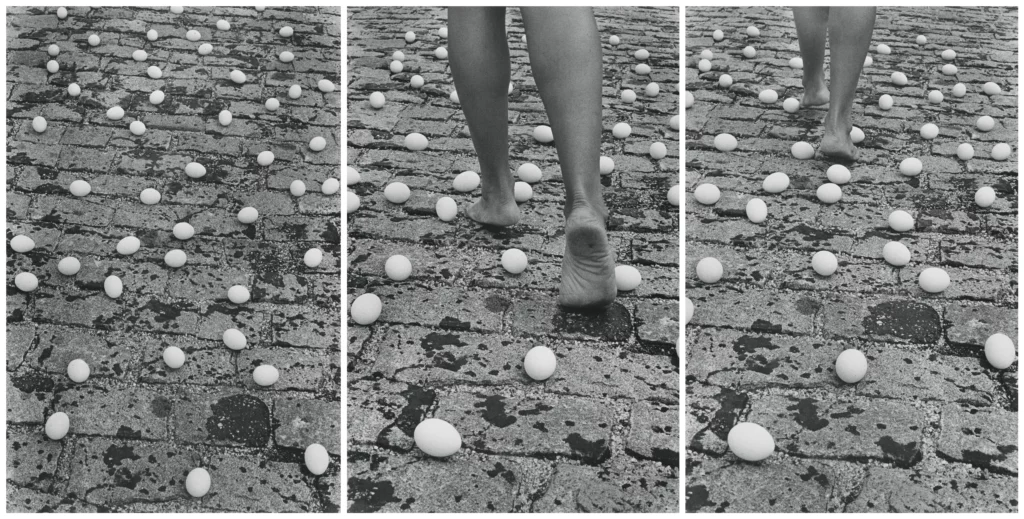
For its opening, KANAL–Centre Pompidou will present ten exhibitions bringing together modern art, contemporary creation, architecture, performance and sound practices.
The inaugural programme will not be structured around a single narrative. Instead, it will create dialogues between historical works, contemporary artists, commissions conceived specifically for the building and projects connected to the Brussels art scene.
The objective is therefore not simply to fill the monumental volumes of the former garage. It is to demonstrate how different disciplines and generations of artists can inhabit and activate the space.
In total, more than 250 artists are expected to be represented across the opening programme.
A truly immense journey: More Than 350 Works in Motion
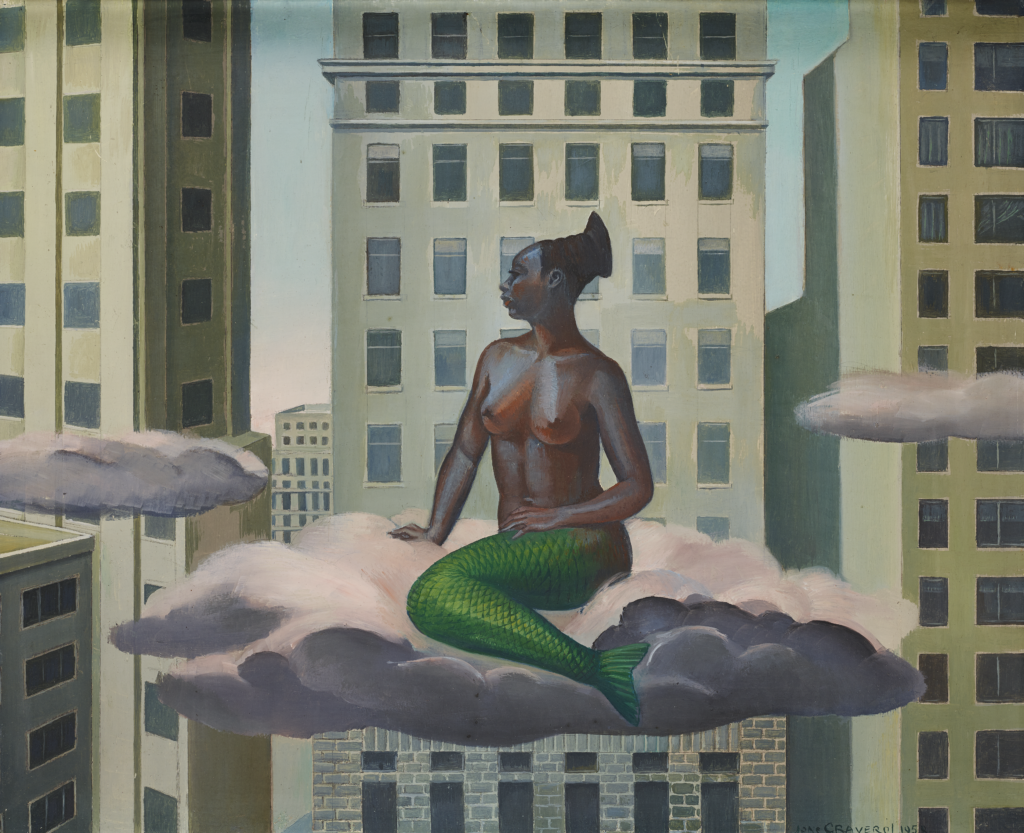
The main exhibition, entitled A truly immense journey, will bring together more than 350 works. Most will come from the Centre Pompidou collection, complemented by works belonging to KANAL and several Belgian public and private collections.
On view from 28 November 2026 to 10 January 2028, the exhibition will explore the movement of people, ideas and artistic practices from the beginning of the twentieth century to the present day.
This approach directly echoes the museum’s location. Historically, the Brussels Canal was a route for trade, exchange and migration. Here, it becomes the starting point for an artistic journey without a single destination.
The exhibition will bring into dialogue major figures in the history of modern and contemporary art, including Sonia Delaunay, Lygia Clark, Marcel Broodthaers, Kader Attia, Henri Matisse and Alberto Giacometti.
Rather than presenting a strictly chronological history, A truly immense journey will offer an interpretation based on the circulation of forms, narratives and influences.
New Works Conceived for KANAL’s Spaces
The inaugural programme will also give an important place to contemporary artists and projects developed in direct relation to the architecture.
Otobong Nkanga will transform one of the building’s vast open spaces into a more intimate meeting place. Through textiles and the circulation of narratives, the artist will confront the monumentality of the former garage with a more sensitive and collective experience.
Manon de Boer will present the exhibition ** Blindsight **, while Joëlle Tuerlinckx will present ** La première fois **. Joshua Serafin will develop a world in which past, present and identities respond to one another.
With ** NO SHOW **, performance and sound will also play a significant role. The project will bring together around twenty Brussels-based or Brussels-connected artists, reflecting the vitality of the local scene.
These projects demonstrate that KANAL will not rely solely on the prestige of the Centre Pompidou collection. The museum also intends to become a space for production, experimentation and visibility for today’s artists.
Support independent publishing! Subscribe to ART MAG and receive each issue in advance, in both print and digital format
👉 Subcribe 6 issues / 1 year
KANAL Architecture: Imagining the City of Tomorrow
Architecture and landscape will form a second major focus of the institution. KANAL Architecture, incorporating the activities and collections of the former CIVA, will have its own exhibition, research and archive spaces.
The exhibition ** Right to the City – Right to the Future ** will notably examine urban transformations and ways of imagining the city of tomorrow.
This reflection has particular resonance in Brussels. The Belgian capital is shaped by multiple histories, languages and social realities. Its architectural transformations are inseparable from questions of housing, mobility, access to public space and coexistence between different communities.
KANAL will therefore be able not only to exhibit architecture, but also to make it a subject of collective debate.
A New Cultural Crossroads in Brussels
KANAL’s location near the canal is part of the transformation of an area long considered peripheral despite its proximity to Brussels’ historic centre.
The museum could become a link between different Brussels neighbourhoods. Its ability to fulfil this role will depend in particular on the permeability of the building, the accessibility of its spaces and the collaborations developed with artists, schools, associations and local cultural organisations.
The challenge therefore goes beyond creating a new tourist destination. KANAL will also need to find its place in the everyday life of the city and its residents.
By transforming a former car garage into a space for cultural circulation, KANAL is already creating a symbolic shift. Where vehicles were once serviced, artworks will now be exhibited, projects produced and knowledge shared.
The architectural strength of the site may lie precisely in this continuity: preserving traces of its original function while giving the building a new future. On 28 November 2026, Brussels will therefore discover not simply a museum, but a building returned to new uses.
Support independent publishing! Subscribe to ART MAG and receive each issue in advance, in both print and digital format
👉 Subcribe 6 issues / 1 year
Frequently Asked Questions About KANAL–Centre Pompidou
KANAL–Centre Pompidou will open to the public on 28 November 2026 in the former Citroën garage, near the Brussels Canal.
KANAL will present exhibitions of modern and contemporary art, architectural projects, performances, sound works and creations conceived specifically for the building.
The main exhibition, A truly immense journey, will bring together more than 350 works, primarily from the Centre Pompidou collection, alongside works from KANAL’s collection and Belgian collections.
The architectural project was designed by noAarchitecten, EM2N and Sergison Bates architects, working together as Atelier KANAL.
The cultural complex occupies a total area of 40,000 m² within Brussels’ former Citroën garage.
Several areas have been designed as public spaces, including the library, lounge, bookshop, playground and dining areas. These will allow visitors to discover and experience KANAL beyond its exhibitions alone.
To continue exploring the subject, discover our analysis in ART MAG International No. 34: “Is Brussels Inventing a New Museum Model?”
For visiting dates and practical information, see the official KANAL–Centre Pompidou programme.
To read more, download ART MAG N°34