


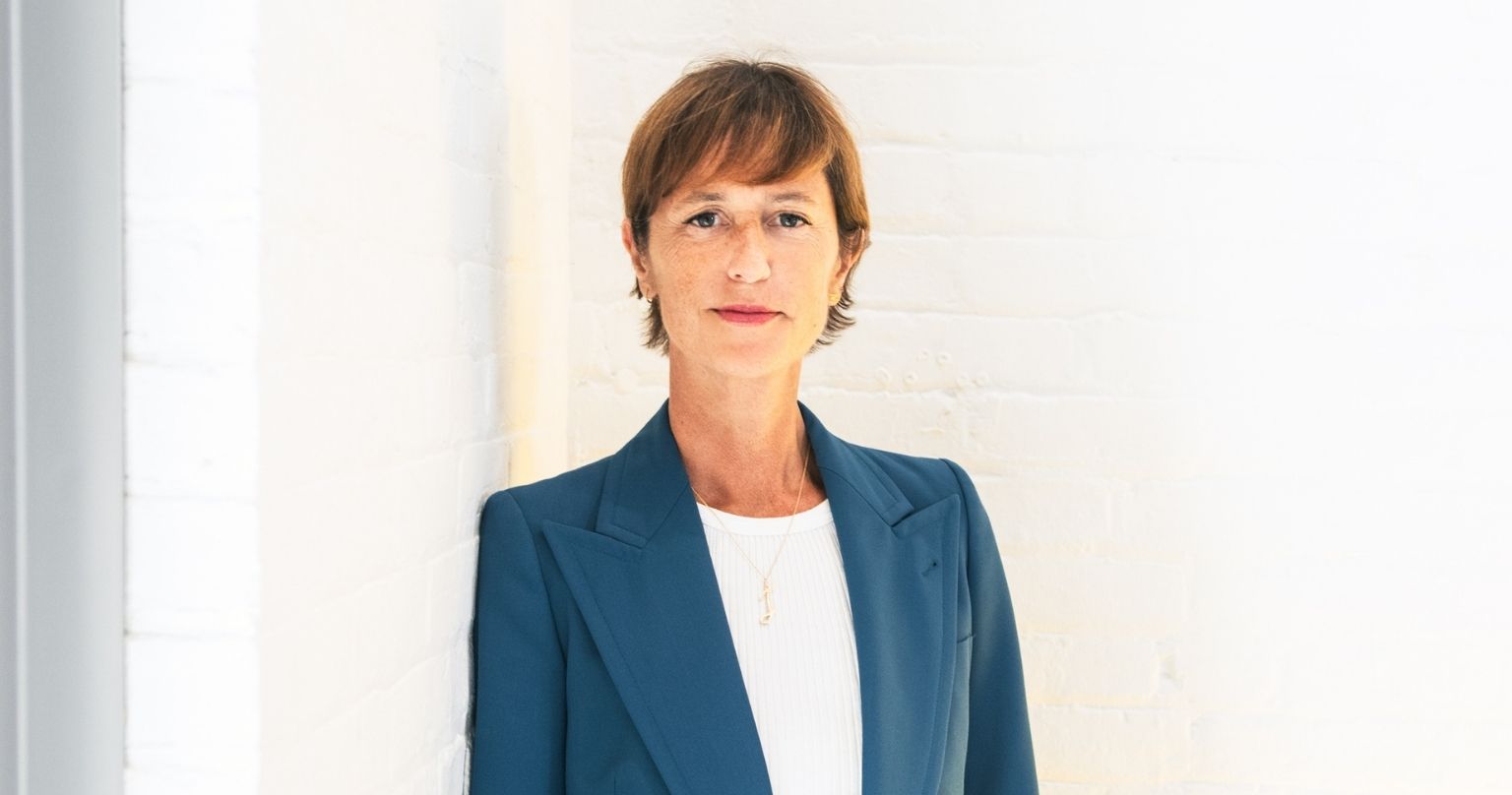
The contemporary art world is about to witness a major leadership change. From 1 January 2027, British curator Jessica Morgan will become Director of Tate, succeeding Maria Balshaw. More than a simple change in management, her appointment marks the beginning of a new chapter for one of the world’s most influential art institutions and could shape the direction of contemporary art in the years ahead.
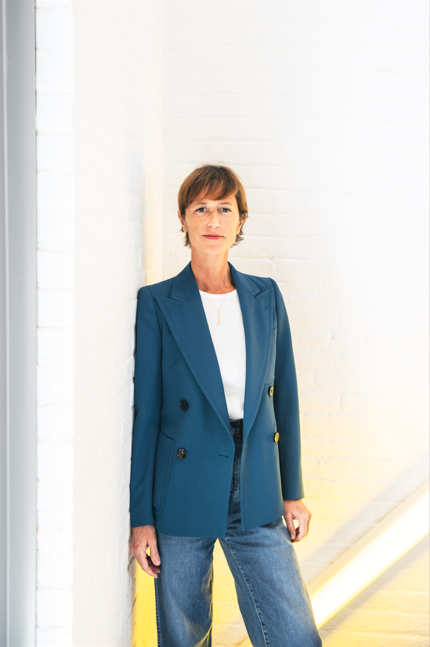
Jessica Morgan Succeeds Maria Balshaw as Director of Tate
Tate’s Board of Trustees has officially announced the appointment of Jessica Morgan as the institution’s new Director. Currently Director of the Dia Art Foundation in New York, she will take up her position on 1 January 2027, becoming the tenth Director in Tate’s history.
Her appointment comes at a pivotal moment for the British institution. Tate is preparing for the reopening of Tate Liverpool in 2027 following its major redevelopment while continuing to expand its internationally renowned collections.
Beyond a leadership transition, Morgan’s appointment reflects Tate’s commitment to strengthening its global influence in an increasingly interconnected museum landscape.
Support independent publishing! Subscribe to ART MAG and receive each issue in advance, in both print and digital format
👉 Subcribe 6 issues / 1 year
Who Is Jessica Morgan?
Jessica Morgan is widely recognised as one of the leading curators of contemporary art of her generation.
An art historian by training, she holds degrees from the University of Cambridge and the Courtauld Institute of Art. Throughout her career, she has built an international reputation across some of the world’s most respected museums and cultural institutions.
Before joining Tate, she served as:
- Curator at the Museum of Contemporary Art Chicago;
- Chief Curator at the Institute of Contemporary Art Boston.
She joined Tate in 2002, where she spent more than a decade developing major exhibitions and expanding the institution’s international collection before becoming The Daskalopoulos Curator, International Art at Tate Modern.
In 2015, she was appointed Director of the Dia Art Foundation, internationally recognised for its commitment to Minimalism, Conceptual Art and large-scale site-specific installations.
Transforming the Dia Art Foundation
Jessica Morgan’s appointment is closely linked to her successful leadership of Dia Art Foundation.
During her tenure, the institution underwent significant transformation.
Among her key achievements were:
- expanding free public access across Dia’s sites;
- leading major capital improvement projects;
- commissioning ambitious new artistic projects;
- broadening the collection to include a more diverse range of contemporary artistic practices;
- strengthening Dia’s international profile.
Her leadership has been praised for balancing artistic excellence, institutional growth and public accessibility.
Why This Appointment Matters
The appointment of a museum director extends far beyond administrative responsibilities.
At an institution such as Tate, the Director has a long-term influence over:
- acquisitions;
- major exhibitions;
- artist commissions;
- international partnerships;
- research programmes;
- collection development;
- relationships with collectors, museums and cultural organisations worldwide.
In other words, the Director helps shape how contemporary art is presented, interpreted and preserved for future generations.
For this reason, Jessica Morgan’s appointment will be closely watched by artists, curators, galleries, collectors and museum professionals across the world.
Support independent publishing! Subscribe to ART MAG and receive each issue in advance, in both print and digital format
👉 Subcribe 6 issues / 1 year
An International Vision for Contemporary Art
One defining characteristic of Jessica Morgan’s career is its international outlook.
She has collaborated with artists from across the globe and curated major exhibitions on several continents.
Among her recent projects are:
- Artistic Director of the 10th Gwangju Biennale in South Korea;
- the retrospective dedicated to Lee Ufan in Venice (2026);
- Minimal, the critically acclaimed exhibition presented at the Bourse de Commerce – Pinault Collection in Paris (2025–2026).
This global perspective aligns closely with Tate’s own evolution into an institution representing artistic practices far beyond the United Kingdom.
Tate: One of the World’s Leading Art Institutions
Founded in 1897, Tate has become one of the most influential museum organisations dedicated to modern and contemporary art.
It comprises four museums:
- Tate Modern, devoted to international modern and contemporary art;
- Tate Britain, dedicated to British art;
- Tate Liverpool, currently undergoing redevelopment;
- Tate St Ives, exploring the relationship between artists and the landscape of Cornwall.
Together, these museums welcome millions of visitors every year.
Tate also loans thousands of artworks to museums worldwide and has built the world’s largest museum membership programme, with more than 160,000 Tate Members and almost 190,000 young people participating in Tate Collective.
The Challenges Ahead
As Director of Tate, Jessica Morgan will oversee several major strategic priorities.
These include:
- reopening Tate Liverpool;
- continuing the international expansion of Tate’s collections;
- commissioning new contemporary artworks;
- broadening audience engagement;
- responding to environmental and digital challenges facing museums.
Her experience at Dia Art Foundation suggests she will continue to champion artists, experimentation and international dialogue.
Support independent publishing! Subscribe to ART MAG and receive each issue in advance, in both print and digital format
👉 Subcribe 6 issues / 1 year
What Does This Mean for Contemporary Artists?
Although leadership changes do not immediately alter exhibition programmes, they often influence an institution’s direction over the long term.
Jessica Morgan’s curatorial interests suggest Tate may continue to support:
- immersive installations;
- experimental artistic practices;
- international collaborations;
- interdisciplinary projects;
- ambitious site-specific commissions.
For artists, galleries and curators, her appointment offers important insight into the future direction of one of the world’s most influential contemporary art institutions.
A New Chapter for Tate
By appointing Jessica Morgan, Tate has chosen a leader whose career combines curatorial excellence, institutional leadership and international experience.
Her return to London after more than a decade leading Dia Art Foundation comes at a time when museums worldwide are redefining their role in society through greater inclusivity, broader collections and stronger engagement with contemporary artistic practices.
The art world will closely watch the first initiatives of her directorship, as they are likely to influence museum practice and contemporary art discourse well beyond the United Kingdom.
Support independent publishing! Subscribe to ART MAG and receive each issue in advance, in both print and digital format
👉 Subcribe 6 issues / 1 year
FAQ
Jessica Morgan is a British art historian and curator. She will become Director of Tate on 1 January 2027 after serving as Director of the Dia Art Foundation since 2015.
The Director of Tate shapes the institution’s acquisitions, exhibitions, artist commissions and international partnerships, making the role one of the most influential positions in the global art world.
Tate is a network of four museums—Tate Modern, Tate Britain, Tate Liverpool and Tate St Ives—and is widely regarded as one of the world’s leading institutions for modern and contemporary art.
She will officially take up the role on 1 January 2027, succeeding Maria Balshaw.