


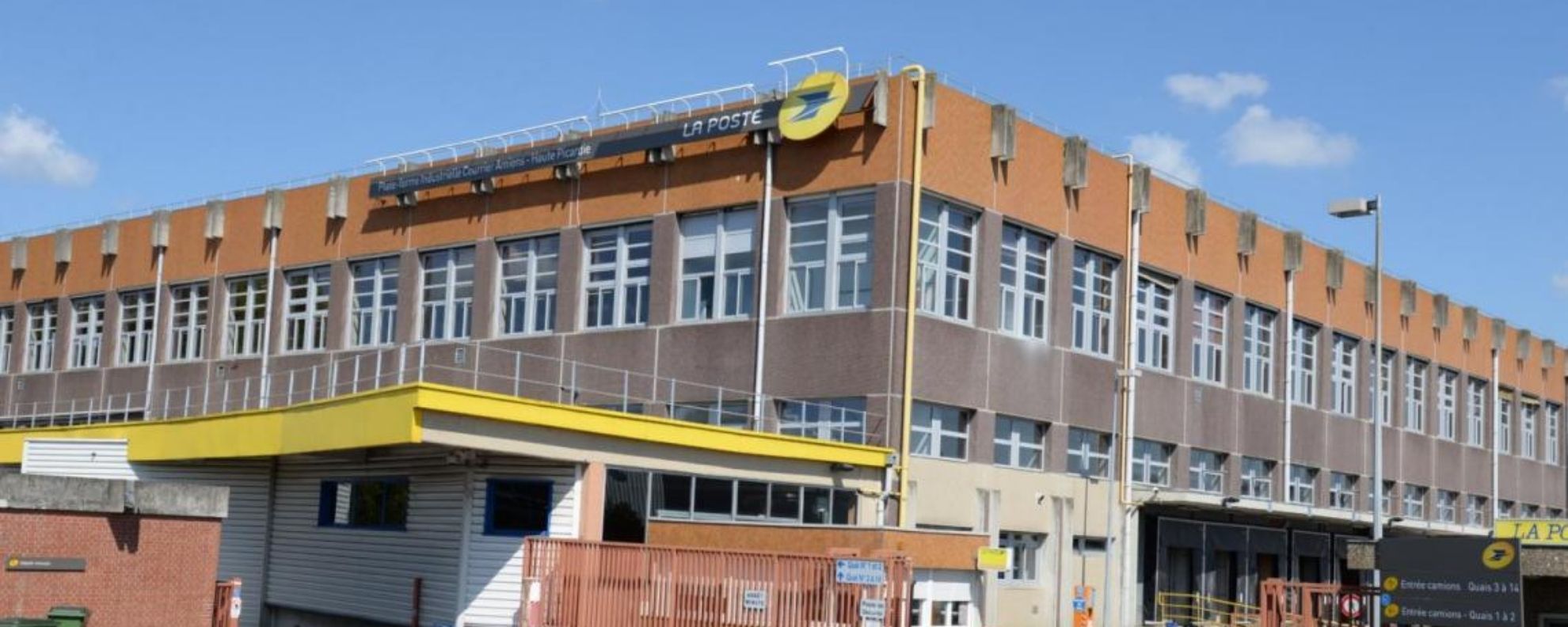
Factories, manufacturing plants, mines, power stations and warehouses… Across Europe, former industrial sites are being transformed into exhibition venues, contemporary art centres and artists’ residencies. This shift is far more than an architectural trend. It reflects a profound evolution in contemporary art, which increasingly seeks spaces rich in history as well as places to exhibit.
For more than a century, these buildings played a central role in industrial development. They produced automobiles, textiles, coal, machinery, or served as major logistics hubs for postal services. Their architecture was designed for efficiency: vast open spaces, abundant natural light and robust structures capable of supporting intensive industrial activity.
When factories closed, many of these buildings were abandoned. They became visible symbols of deindustrialisation. Yet from the 1990s onwards, perceptions began to change. What some regarded as obsolete industrial wastelands, others recognised as an extraordinary architectural and cultural heritage.
Today, these former industrial sites have become some of the most sought-after spaces for cultural institutions and contemporary artists.
But why?
Because Places Already Tell a Story
Unlike a traditional gallery or a museum designed as a neutral exhibition space, a former factory has its own identity.
Its brick walls, steel beams, large skylights and timeworn floors bear witness to an industrial past. Long before visitors encounter the artworks, the building itself is already telling a story.
This sense of memory is particularly compelling for contemporary artists.
Much of today’s artistic practice explores themes such as territory, transformation, collective memory and social change. Former industrial sites embody these very ideas. They are no longer simply a backdrop; they become an integral part of the narrative.
The artwork enters into dialogue not only with the space itself but also with the visitor’s perception of that space.
Spaces Designed for Production… Reimagined for Creation
Artists are drawn to these buildings for another reason: their architecture naturally lends itself to contemporary artistic practices.
Large-scale installations, immersive environments, performances and monumental sculptures require spaces that few conventional exhibition venues can provide.
Former factories often offer hundreds—or even thousands—of square metres of uninterrupted floor space. Their soaring ceilings, expansive skylights and exposed steel structures enable artists to work on a scale rarely possible in traditional galleries.
Industrial architecture therefore does more than simply house artworks—it actively shapes the way they are experienced.
Giving Industrial Heritage a New Purpose
The transformation of these buildings is also part of a broader commitment to preserving industrial heritage.
For decades, industrial architecture remained largely overlooked in heritage conservation policies. Yet these sites tell an essential chapter of the economic and social history of their regions.
Repurposing them as cultural venues preserves their identity while giving them a meaningful new role.
This approach also responds to today’s environmental challenges. Adapting an existing building reduces demolition, limits the consumption of new materials and contributes to a more sustainable model of urban development.
In this sense, contemporary art has become an important driver in the preservation and reactivation of industrial heritage.
Landmark Examples Across Europe
This movement is visible in cities throughout Europe.
In Amiens, the former Tri Postal is currently being transformed into the PIC – Platform for Innovation, Images and Creation. The project will bring together the FRAC Picardie contemporary art collection, higher education institutions and a range of cultural organisations, transforming a former logistics facility into a major creative hub.
In Boulogne-Billancourt, Île Seguin continues its remarkable transformation. Once home to the Renault factories for several decades, the island has evolved into a vibrant cultural district. Following the opening of La Seine Musicale, the new Large contemporary art centre further reinforces the site’s artistic identity with an international programme dedicated to contemporary creation.
In Marseille, La Friche la Belle de Mai, housed in a former tobacco factory, has become one of Europe’s leading cultural venues. Exhibitions, artists’ studios, residencies, concerts and performances coexist within the site, demonstrating the extraordinary potential of repurposed industrial spaces.
In London, Tate Modern remains perhaps the world’s most celebrated example. Housed in the former Bankside Power Station, the museum welcomes millions of visitors every year. Its vast Turbine Hall has become an iconic space for monumental installations that would be impossible to present in more conventional museums.
In Germany, the former coal mining complex of Zollverein, a UNESCO World Heritage Site, demonstrates how industrial heritage and contemporary artistic creation can reinforce one another. Former mines and industrial buildings now host exhibitions, festivals and international cultural events.
Places That Also Transform Cities
The impact of these transformations extends far beyond the art world.
Such cultural venues attract new visitors, encourage the development of cafés, bookshops, artists’ studios and creative businesses, and contribute to the regeneration of neighbourhoods that were often neglected for decades.
They also create places where artists, residents, students, researchers, collectors and cultural professionals come together.
Former industrial sites are no longer simply exhibition venues—they have become vibrant cultural ecosystems.
Contemporary Art as a Way of Revealing the Memory of Place
The success of these projects reminds us of a simple truth: a building does not lose its identity when its purpose changes.
On the contrary, its history becomes one of its greatest assets.
Where industrial goods were once produced, ideas, emotions and cultural exchanges now emerge. Rather than erasing the past, artists embrace it, question it and incorporate it into their creative practice.
This is perhaps why former industrial sites occupy such an important place within Europe’s contemporary cultural landscape today. They demonstrate that contemporary art is not merely searching for exhibition spaces—it is seeking places capable of telling a story.
And perhaps that is their greatest strength: reminding us that heritage is defined not only by what we preserve, but also by what we choose to reinvent.