


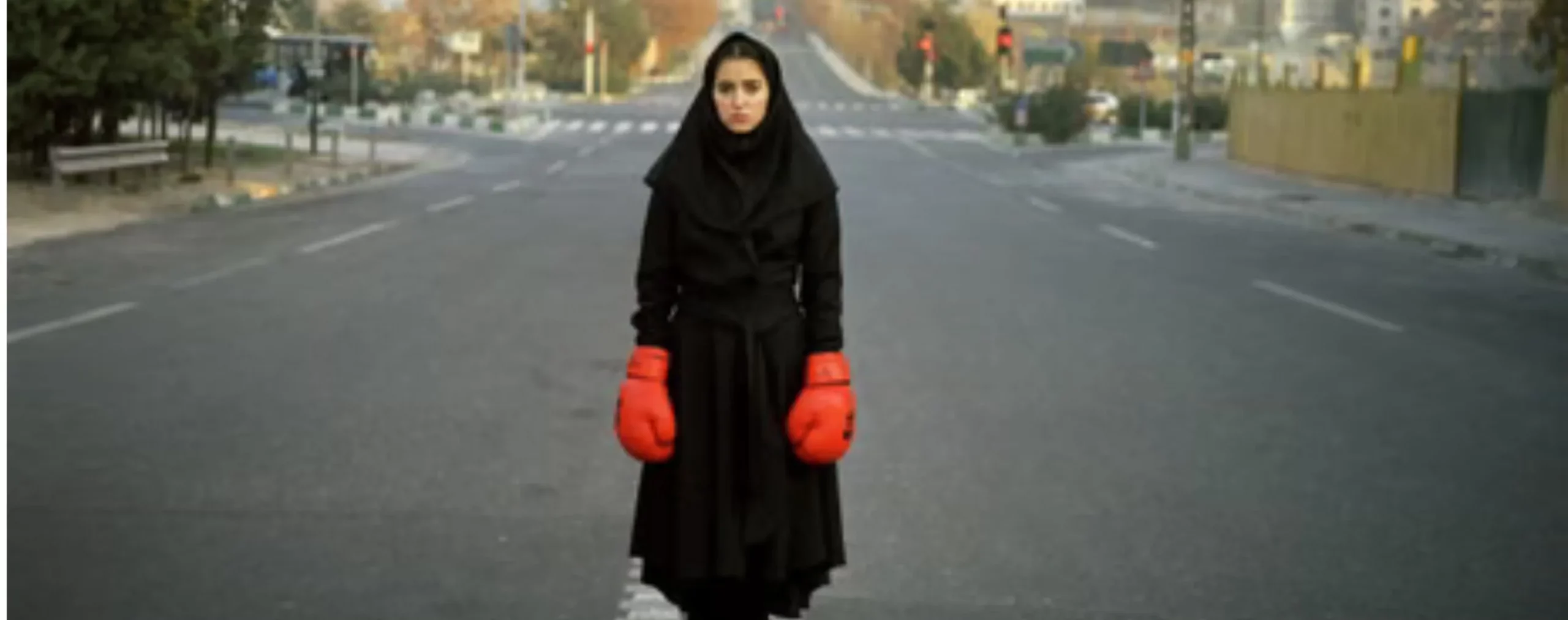
When Art Refuses to Disappear
In times of war, some voices fade away. Others grow stronger.
As military tensions surrounding Iran reshape the fragile balance of the Middle East, another reality unfolds far from diplomatic conferences and military briefings: the reality of artists who continue to create.
In improvised studios, in apartments turned into workshops, or thousands of miles away from their homeland, these artists pursue their work. Not because the conditions are favorable, but because creation becomes a way of surviving history as it unfolds.
For many Iranian artists, art is not only an aesthetic practice—it becomes a form of resilience.
Creating Under Pressure
Creating art during wartime means working under constant uncertainty.
Galleries may close overnight. Exhibitions are cancelled. Travel becomes difficult. The art market slows down.
Yet artistic production does not stop.
Some artists work with limited resources, using simple or recycled materials. Others turn to digital platforms, sharing their work online when traditional exhibition circuits become inaccessible.
In such conditions, art changes its role. It is no longer only about producing aesthetic objects. It becomes a tool to understand, interpret, and document reality.
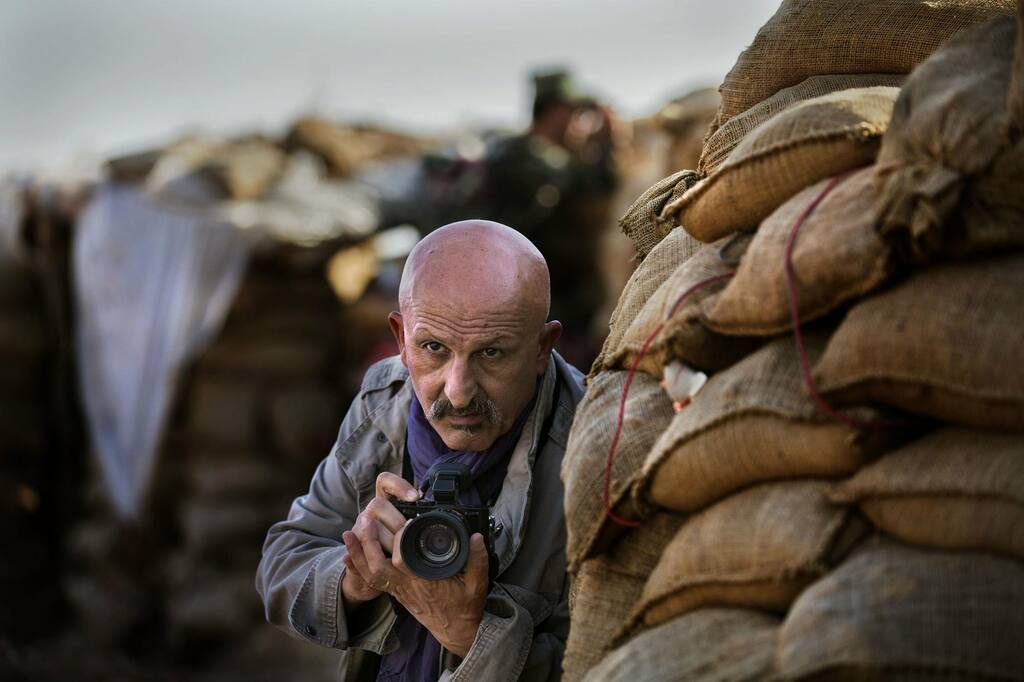
Art as a Testimony of War
Across several countries in the Middle East, contemporary art has increasingly become a form of visual testimony.
Artists photograph urban landscapes transformed by political crises. They use archives, fragments of media imagery, or objects collected from cities to create works that reflect the experience of conflict.
Ruins, abandoned buildings, and deserted landscapes become powerful artistic motifs.
Yet these works do not only represent destruction. They also capture how societies attempt to continue living despite war.
Through painting, photography, and film, artists create visual narratives that reveal emotions often absent from political or military reports.
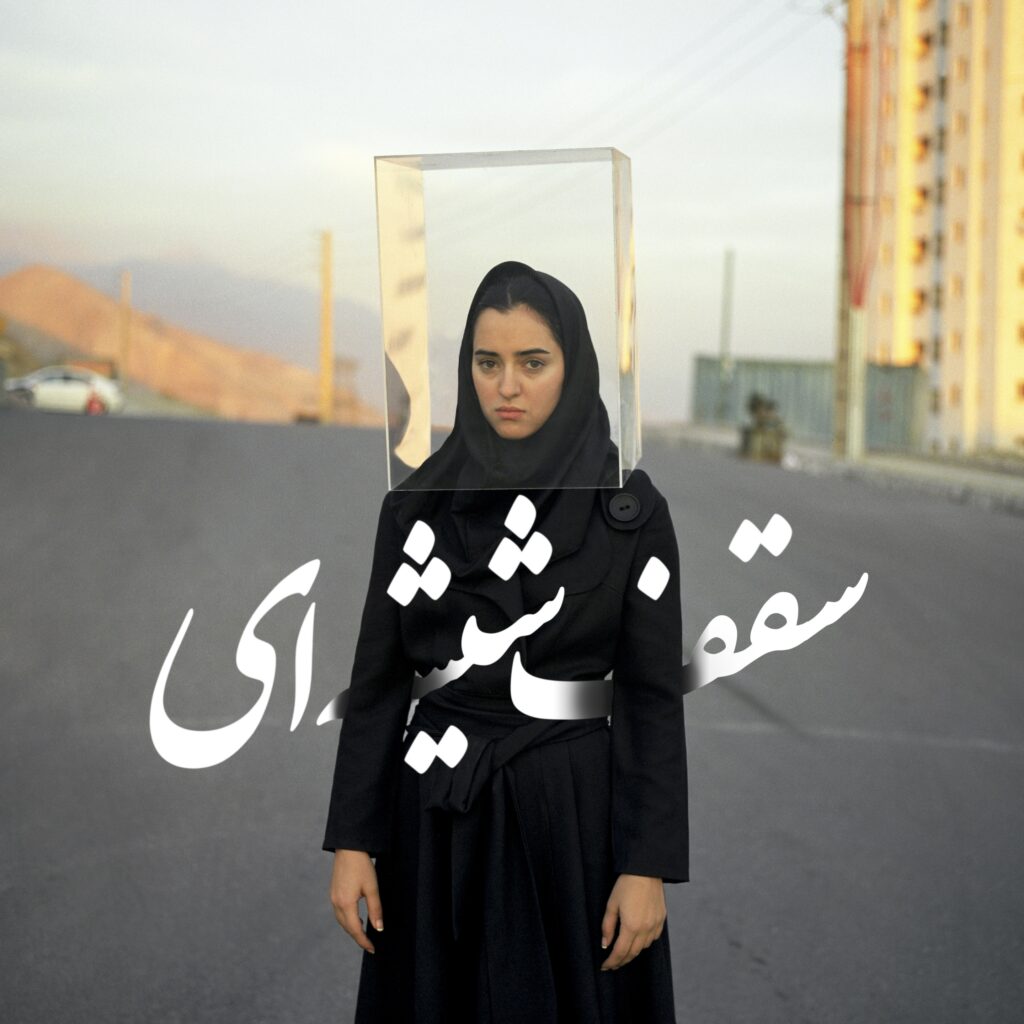
Exile : A New Geography of Iranian Art
For many Iranian artists, war and political tensions reinforce an older reality: exile.
Over the past decades, a significant Iranian artistic diaspora has emerged in major global cities.
In Paris, Berlin, London, or New York, Iranian artists continue their work while remaining deeply connected to the events unfolding in their homeland.
Their work often explores themes such as:
- memory
- identity
- borders
- migration
Exile becomes a source of creativity. Artists explore the distance between their present lives and the memories of the country they left behind.
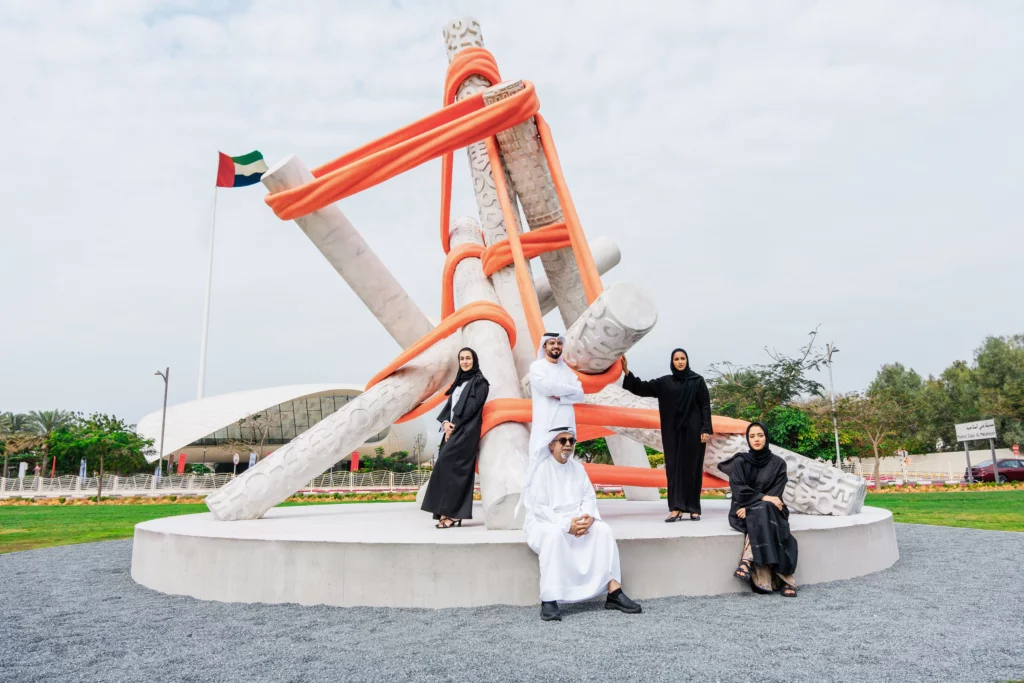
Dubai : A Cultural Hub in the Middle East
In a region often marked by political instability, some cities are emerging as cultural platforms.
Dubai has become one of the most important artistic centers in the Middle East. The city hosts international galleries, collectors, and art fairs that attract artists from across the region.
For many creators from Iran or the Levant, Dubai offers a rare opportunity: the possibility to exhibit their work in a relatively stable environment.
The city now functions as a bridge between local artistic scenes and the global art market.
Why Art Becomes Essential in Times of Crisis
In the face of violent conflict, art may appear fragile. Yet it plays a crucial role in understanding history.
Artists capture experiences that political and military reports often fail to reveal: fear, loss, hope, and the resilience of societies attempting to rebuild.
Their works become sensitive archives of the present.
Decades from now, these images may help us understand what it meant to live through this period of tension.
Creation as a Form of Resistance
War transforms societies, but it rarely succeeds in silencing artistic creation.
On the contrary, moments of crisis often produce works that leave a lasting mark on the history of art.
Today, Iranian and Middle Eastern artists continue to work in challenging circumstances. Their works testify to a complex historical moment in which creativity attempts to resist the violence of the world.
And perhaps this is where the true power of art lies: even when history seems dominated by conflict, artists continue to imagine other possible narratives.