


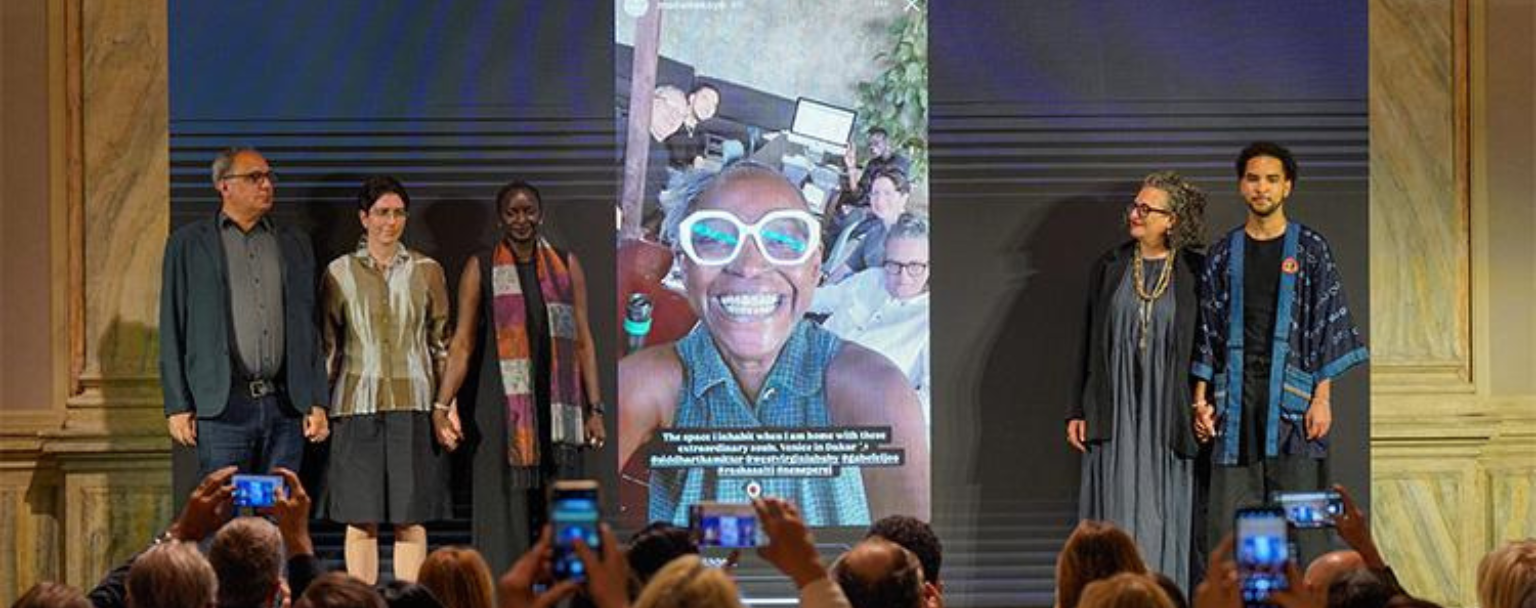
The Biennale Arte 2026 is already emerging as one of the major artistic events of the year. Titled In Minor Keys, this 61st edition is built on the deeply sensitive and poetic vision of Cameroonian curator Koyo Kouoh. Having passed away in May 2025, she leaves behind a project of rare coherence, driven by a simple yet powerful idea: to listen to what the world whispers rather than what it shouts.
Running from 9 May to 22 November 2026, across the Giardini, the Arsenale, and various sites throughout Venice, this Biennale promises a sensory, meditative, and deeply human experience—breaking away from the visual excess often seen in contemporary exhibitions.
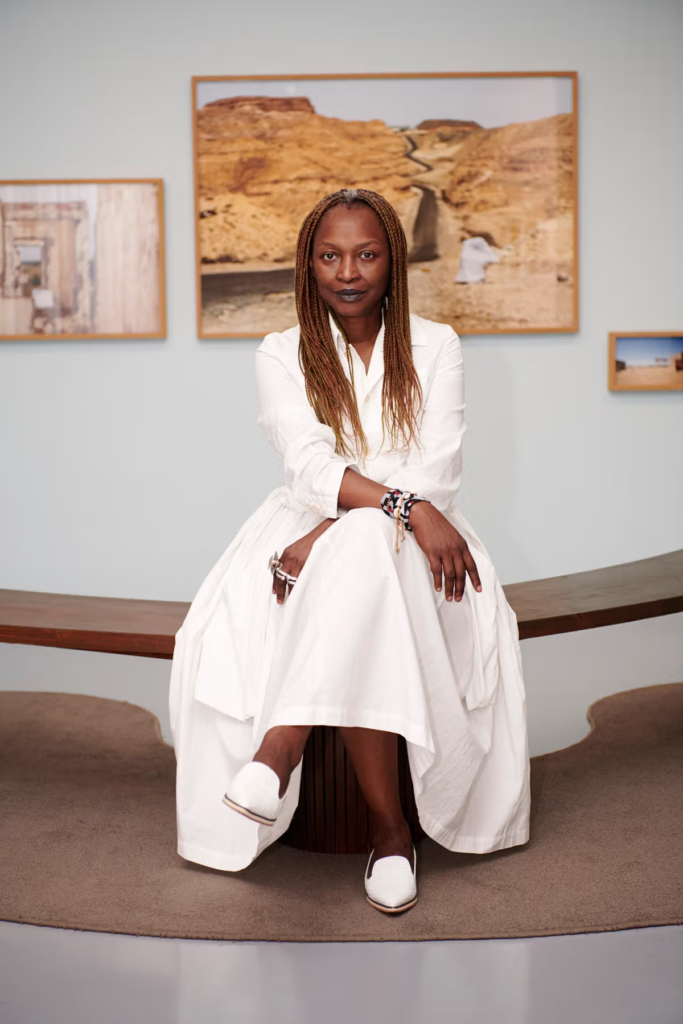
“In Minor Keys”: when the Biennale chooses softness to speak about the world
At the heart of the project lies the notion of minor tonalities.
In her curatorial text, Koyo Kouoh evokes these lower frequencies—spaces where one turns toward slowness, relationship, and poetry.
Far from overwhelming statements, In Minor Keys offers:
- a sensitive, almost musical experience;
- an immersion in intimate, restorative artistic forms;
- a parcours conceived as a polyphony of voices, inspired by jazz, blues, morna, and Creole songs;
- a relational aesthetic prioritising the human, attentive listening, and the fragility of our worlds.
This 2026 Biennale does not seek to persuade, but to move.
Support independent publishing! Subscribe to ART MAG and receive each issue in advance, in both print and digital format
👉 Subcribe 6 issues / 1 year
👉 Offer ART MAG
A free, polyphonic, organic journey
The 2026 Biennale follows an archipelago-like logic. Each artist, each work, each exhibition space becomes an island connected to the others by invisible bridges: emotions, rhythms, materials, vibrations.
Visitors will encounter:
Sensory worlds
A meditative exhibition working with slowness, silence, and resonance.
Creole gardens
Drawing from Glissant, Kouoh imagines a creolised garden: a rich, self-protective ecosystem where forms coexist, support one another, and respond.
Spaces of care
The works become oases in a world saturated with crises.
A festival of ensembles
Rather than a single overarching message, the Biennale 2026 proposes a poly-rhythm—a chorus of voices improvising, dialoguing, and responding like a jam session.
Why this Biennale will have global impact
The strength of In Minor Keys lies in its singular position:
it rejects visual saturation, overabundance, and the spectacle of global exhibitions.
Instead, the 2026 Biennale:
- restores vernacular practices, slow gestures, and ancestral knowledge;
- places artists at the centre as mediators rather than performers;
- reconnects art with its emotional and social functions;
- aligns with the critical issues of 2026: ecology, cultural archipelagos, polyphony, decolonising imaginaries, collective care.
This makes it one of the most anticipated exhibitions in the world.
A powerful tribute to Koyo Kouoh
Because the exhibition is realised exactly according to her plans, with the approval of her family, In Minor Keys becomes an act of transmission.
Koyo Kouoh leaves behind:
- a relational vision of the world;
- a radical defence of Afro-descendant artists and plural knowledge systems;
- a deeply anti-colonial, poetic, embodied gaze;
- a conception of art as breath, rhythm, meditation, and care.
The 2026 Biennale stands as one of the final major curatorial works of her time — and perhaps her most intimate.
📍 Biennale Arte 2026 — Practical Information
Dates: 9 May – 22 November 2026
Locations: Giardini, Arsenale, and various sites across Venice
Theme: In Minor Keys
Why you should follow this edition
The Biennale Arte 2026 reinvents the museum experience.
It restores attention to what the world often overlooks: sensitivity, slowness, discreet voices.
It opens a new path for contemporary creation: more human, softer, more polyphonic.
Support independent publishing! Subscribe to ART MAG and receive each issue in advance, in both print and digital format
👉 Subcribe 6 issues / 1 year
👉 Offer ART MAG