

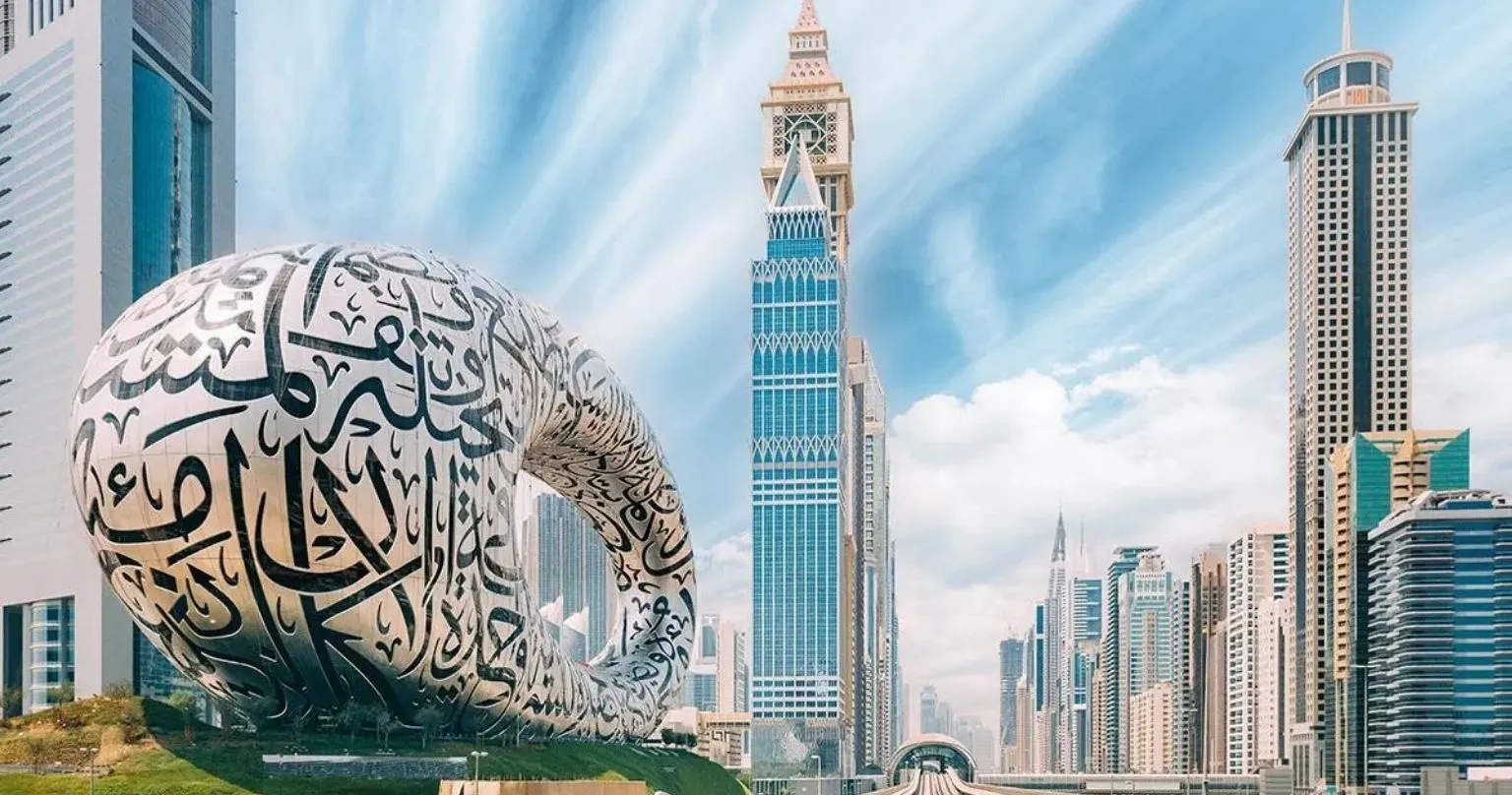
The postponement of World Art Dubai 2026 from its traditional April schedule to November 2026 goes far beyond a simple calendar adjustment. Behind this decision lies a profound transformation of Dubai’s art market and, more broadly, of the Gulf’s cultural landscape.
As Dubai has established itself in recent years as one of the new global centers of the contemporary art market, this strategic shift raises an important question: is the Gulf’s artistic model evolving toward a more institutional, international, and competitive phase?
Why Was World Art Dubai 2026 Postponed?
Originally scheduled for spring 2026, World Art Dubai will now take place from November 19 to 22, 2026, at Expo City Dubai.
Officially, organizers provided very few detailed explanations. However, several factors help explain the postponement.
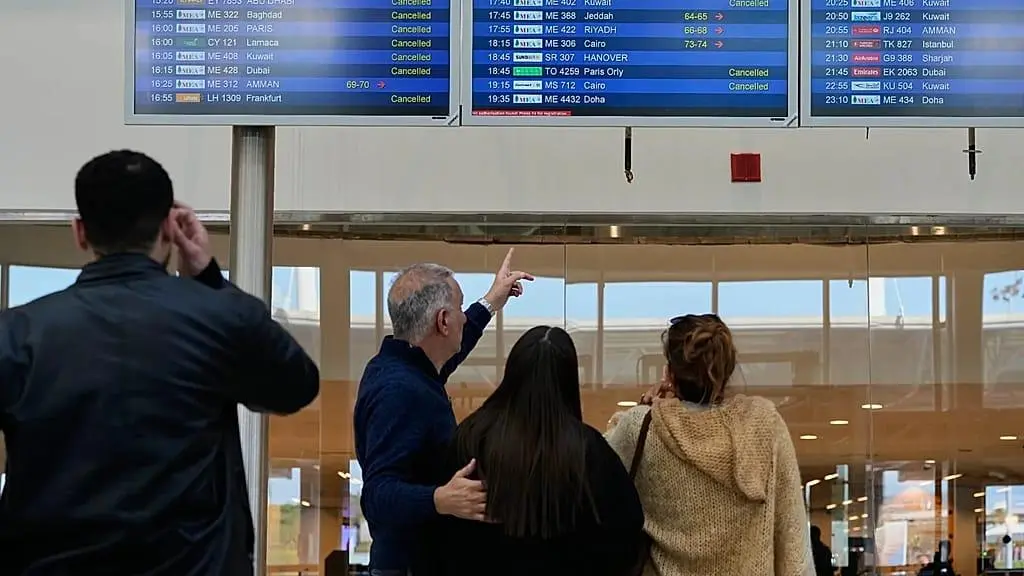
Spring 2026 was marked by an especially tense geopolitical context in the Middle East:
- rising regional tensions;
- disruptions to air traffic;
- postponement of several international events;
- a temporary slowdown in business tourism across the Gulf.
In an international art market heavily dependent on the mobility of collectors, gallerists, and investors, maintaining an international fair in April represented a significant risk. As we also analyzed in our article dedicated to Iranian artists facing conflict, geopolitical tensions are now directly influencing contemporary creation and international cultural circulation.
But this explanation alone is not sufficient.
Support independent publishing! Subscribe to ART MAG and receive each issue in advance, in both print and digital format
👉 Subcribe 6 issues / 1 year
👉 Offer ART MAG
Dubai Seeks to Strengthen Its Position in the Global Art Market
For more than a decade, Dubai has invested heavily in cultural soft power. The art market now plays a major strategic role in the city’s development.
Dubai no longer seeks only to attract luxury tourists. It now aims to become:
- a global cultural platform;
- a hub for the contemporary art market;
- an international center for cultural investment;
- a meeting point between Europe, Asia, Africa, and the Middle East.
Within this context, the repositioning of World Art Dubai in November appears to be a highly strategic decision.
Growing Competition Between Gulf Art Fairs
The Gulf art market is currently undergoing rapid transformation.
For years, Art Dubai largely dominated the region’s high-end art scene, while World Art Dubai occupied a more accessible segment featuring:
- emerging artists;
- independent galleries;
- more affordable works;
- a broader and younger audience.
But this segmentation is becoming increasingly blurred.
Collectors in the Gulf are gaining influence, while the region’s major fortunes now seek institutional recognition comparable to that of major European and American collectors.
The market itself is becoming more sophisticated through:
- the rise of private foundations;
- the creation of museums;
- the arrival of international galleries;
- growing cultural investments;
- the professionalization of collecting.
As a result, art fairs themselves are being forced to reposition.
Support independent publishing! Subscribe to ART MAG and receive each issue in advance, in both print and digital format
👉 Subcribe 6 issues / 1 year
👉 Offer ART MAG
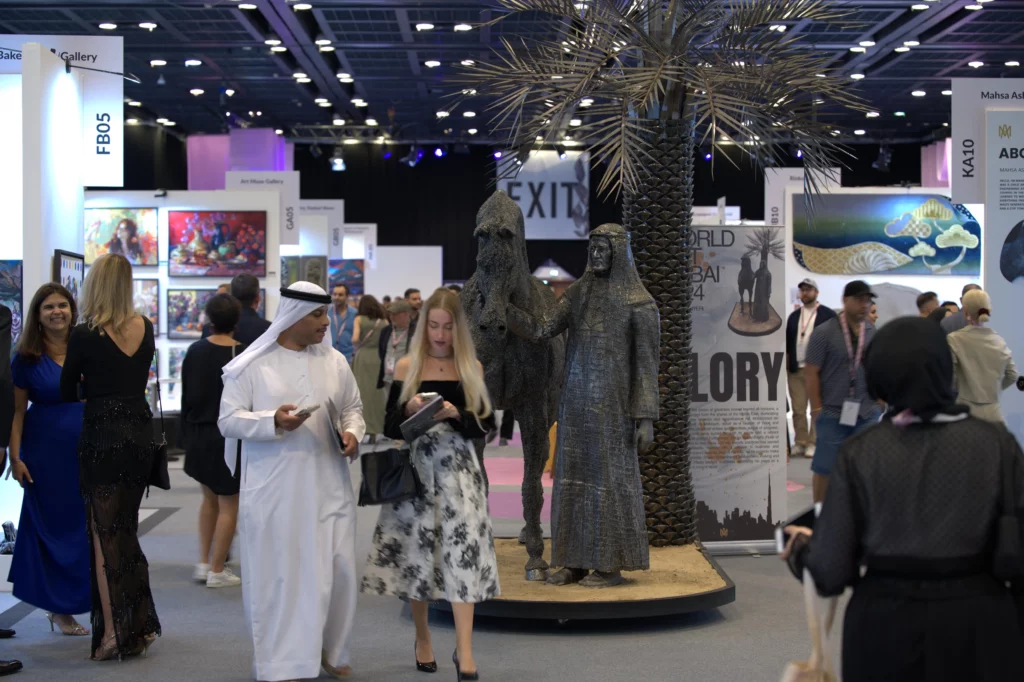
Why the November Timing Matters
The move to November is far from insignificant.
This period now corresponds to the Gulf’s high cultural season:
- more favorable weather;
- the return of international visitors;
- increased collector presence;
- a denser artistic calendar.
The new positioning also brings World Art Dubai closer to the calendar of Abu Dhabi Art, reinforcing the UAE’s regional visibility within the international art market.
This change may allow Dubai to better capture international flows within the contemporary art market.
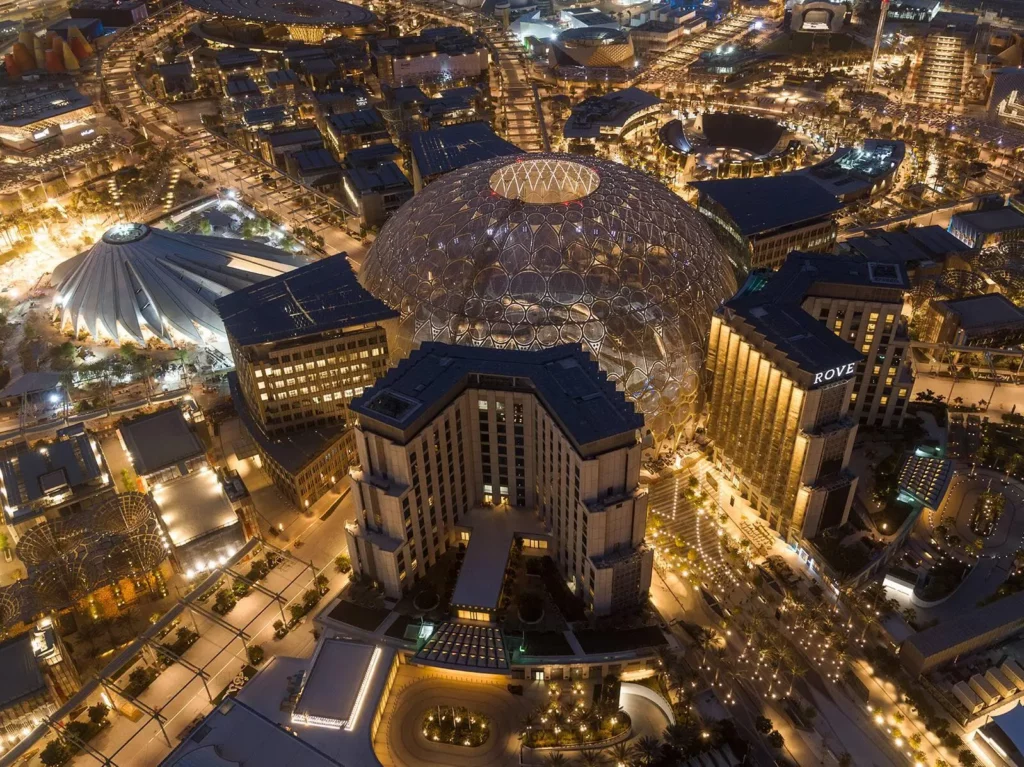
Expo City Dubai: The New Cultural Symbol of Dubai
The relocation of the fair to Expo City Dubaï also sends a powerful message.
Expo City now represents one of the UAE’s major strategic projects focused on:
- innovation;
- the creative economy;
- technology;
- cultural development;
- international attractiveness.
The venue goes far beyond a simple exhibition space. It contributes to constructing the image of a futuristic and culturally influential Dubaï.
For World Art Dubaï, this move clearly signals a desire to move upmarket.
Dubai’s Art Market Is Becoming More Institutional
One of the Gulf art market’s major transformations lies in its progressive institutionalization.
Dubai’s initial model was largely based on:
- commerce;
- events;
- luxury;
- tourism attractiveness.
Today, the market is evolving toward a more sustainable model built around:
- structured private collections;
- long-term cultural investments;
- institutional development;
- regional cultural diplomacy.
This transformation is gradually bringing Dubai closer to the world’s major artistic centers.
The Postponement Also Reveals a New Fragility
The Gulf art market is gaining power, but it is also becoming increasingly exposed to global geopolitical balances.
International art fairs now depend on:
- air traffic flows;
- regional stability;
- capital circulation;
- luxury tourism;
- the confidence of international investors.
In this context, the postponement of World Art Dubai acts as a revealing signal: the Gulf art market has become important enough to be directly impacted by major global tensions.
Support independent publishing! Subscribe to ART MAG and receive each issue in advance, in both print and digital format
👉 Subcribe 6 issues / 1 year
👉 Offer ART MAG
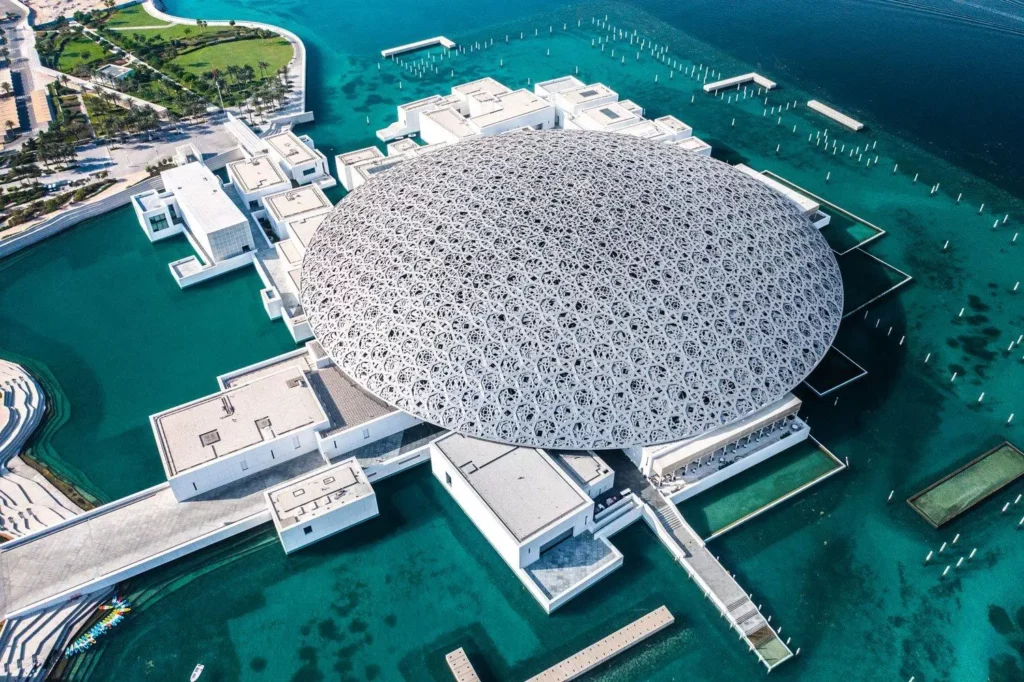
Dubai Faces Growing Cultural Competition in the Middle East
Dubai now faces increasingly strong regional cultural competition.
While:
- Doha continues its museum diplomacy;
- Abu Dhabi develops major cultural institutions;
- Riyadh invests massively in creative industries;
Dubai seeks to maintain its position as an international artistic platform.
The repositioning of World Art Dubai may therefore announce a more ambitious cultural strategy.
Toward a Transformation of “Accessible” Art Fairs?
The evolution of World Art Dubai also raises a broader question:
what future remains for accessible art fairs in an increasingly premiumized market?
The global art market is now becoming increasingly polarized:
- on one side, ultra-luxury fairs;
- on the other, digital sales platforms.
Between these two poles, mid-range fairs must redefine their identity.
World Art Dubai now appears to be searching for a new balance:
- preserving accessibility;
- while reinforcing international credibility;
- attracting more collectors;
- and integrating into a global cultural strategy driven by Dubai.
Through its new cultural architecture, the Gulf is progressively asserting its ambition to become a major player in the global contemporary art market.
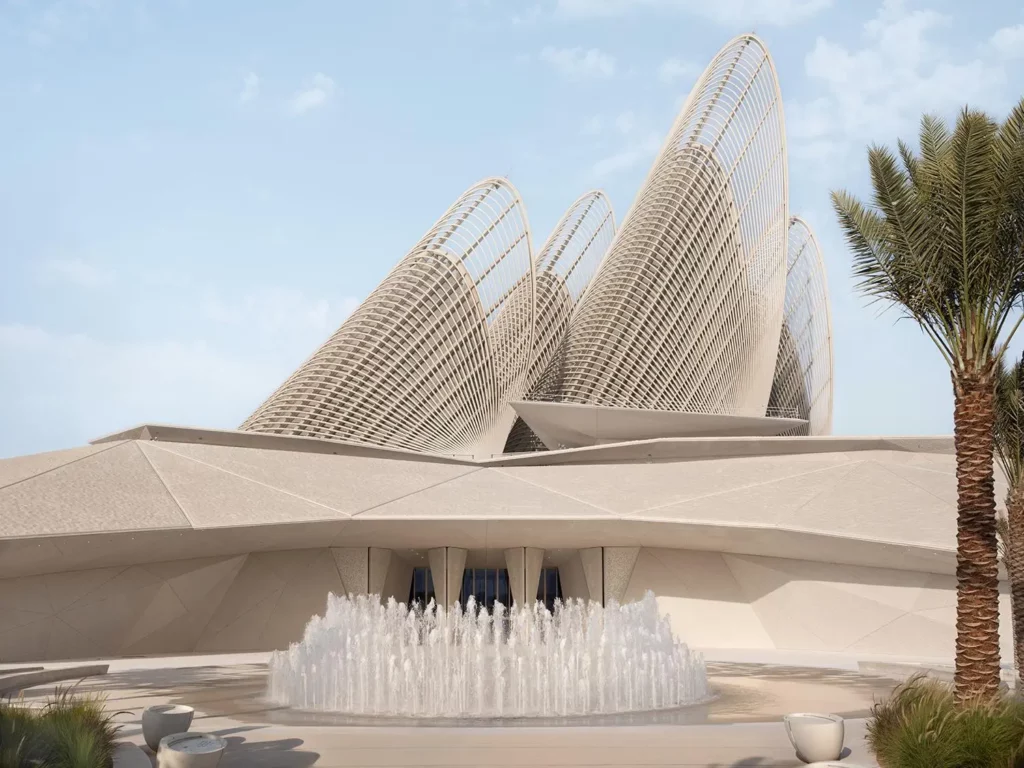
Dubai Confirms Its Ambition to Become a Global Art Capital
The postponement of World Art Dubai 2026 is probably not just a simple scheduling adjustment.
On the contrary, it reveals an acceleration of the Gulf art market’s transformation:
- professionalization of collecting;
- rise of institutions;
- increased regional competition;
- internationalization of fairs;
- strategic use of culture as a tool of influence.
Through this repositioning, Dubai demonstrates that it no longer wants merely to participate in the global art market.
It now aims to become one of its major centers.
Support independent publishing! Subscribe to ART MAG and receive each issue in advance, in both print and digital format
👉 Subcribe 6 issues / 1 year
👉 Offer ART MAG