Categories
Drawing

David Bouyou — Drawing Fragility

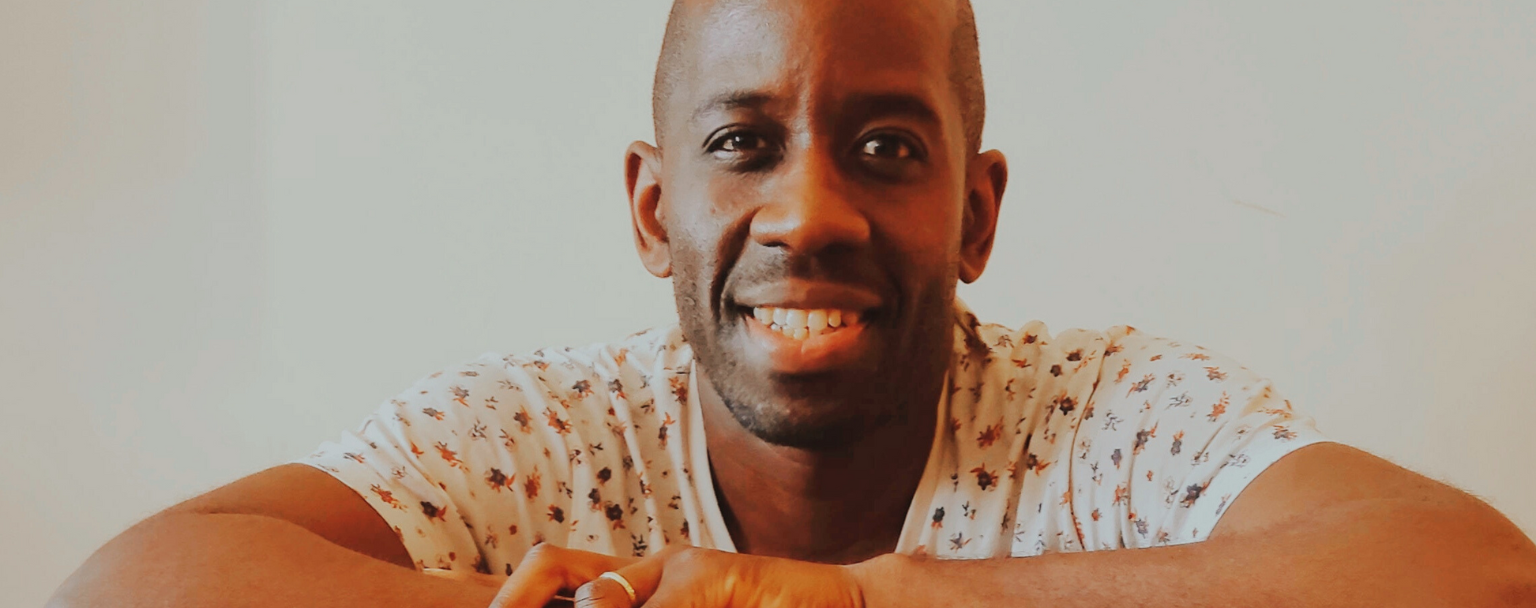
Portrait de david Bouyou

French artist of Congolese origin, David Bouyou turns drawing into an art of attention. His portraits and animals become sites of memory where beauty meets the finitude of life. From his childhood in Congo to his exhibitions in Provence, Picardy, and now abroad, his journey traces an ethics of the gaze — humble, steadfast, and deeply human.

Jaguars

Childhood of Observation: The First Gazes

The gesture appeared early. As a child, David constantly asked for “paper, paper, paper,” absorbed in the contemplation of his grandfather’s farmyard. Two motifs took root — the animal and the face — and never left him. Arriving in France at around three years old, he continued to draw relentlessly, refining in adolescence his taste for realistic and expressive portraits.
This practice of observation forged in him a rare quality: an attentiveness to life, to the imperceptible movement that crosses all living beings.

Learning to Step Aside: The Blois School

In Blois, he spent three years studying art, design, and graphic arts. This training marked a turning point. It pushed him to leave his comfort zone, to question drawing itself, and to explore other visual languages.
That inner shift, he says, shaped his practice. He discovered that drawing is not just the reproduction of reality, but a poetic interpretation, a dialogue between the gaze and silence.

Amy

The Silence of the Line — Then the Return

After art school, David Bouyou took another path: theological studies in Bordeaux, a pastoral commitment, and nearly eight years during which drawing faded from his life. The thread was picked up again in 2019 with an elephant — a symbol of memory and resilience.
The 2020 lockdown gave him time. Living in Provence, he decided to give drawing the place it deserved. Commissions started to flow, particularly through Instagram, where his graphic universe captivated viewers with its depth and simplicity.
From Provence to New York: An International Flight

His first exhibition took place in Provence in October 2021, followed by another in Picardy in 2022. In 2023, a Spanish gallery owner discovered his work on Instagram and invited him to an international art fair — one of his pieces received the jury’s honors.
Since then, his drawings have crossed borders, reaching New York and Miami. The artist speaks of these opportunities with serene wonder:

“I savor each step as a gift.”

Portraits and Animals: The Beauty of Vulnerability

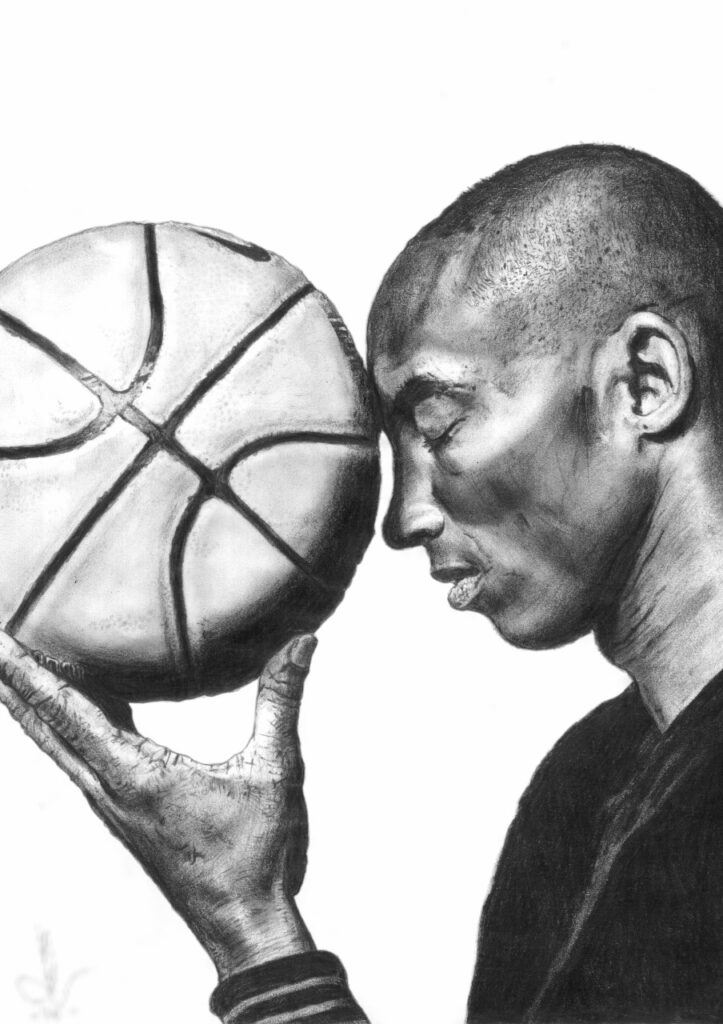
David Bouyou’s portraits are silent tributes. The first, dedicated to Kobe Bryant after the 2020 tragedy, was born from personal emotion. Others followed — including Gaspard Ulliel — as meditations on life’s fragility.
For him, drawing is an act of presence: capturing the moment before it disappears.
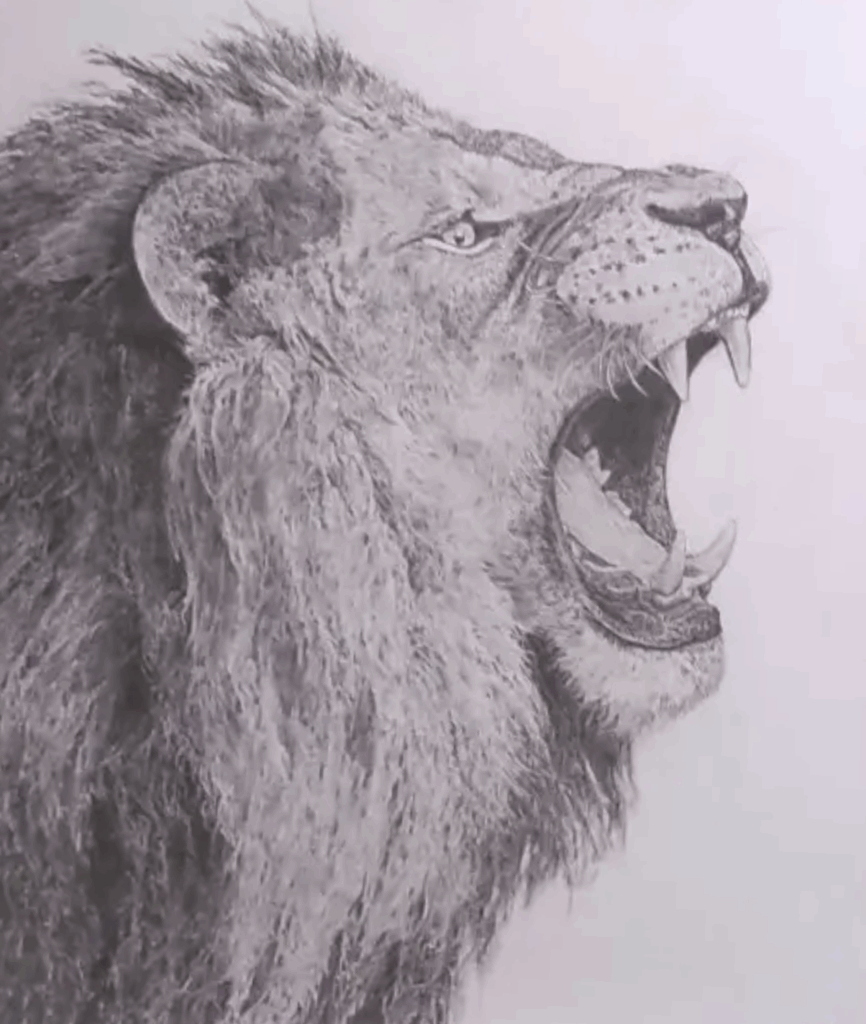
In his animal drawings, the artist conveys majesty without excess: lions, elephants, and horses share the same wounded innocence as his human faces. His line does not show off — it watches over.
This “calm gravity”, the hallmark of his style, is born from his attention to the beauty of the fragile.

Want to see more ?
👉 Order ART MAG N°29
👉 Subscribe to 6 issues / 1 year
👉 Give ART MAG as a gift
Kobe

An Ethics of the Gaze

Trained in theology, David Bouyou does not preach — he listens to the world.
His faith, he says, teaches him to “let go of small battles” and focus on what matters: inner peace and meaningful traces.

“We all have a message to share,” he confides. His message flows through the line — a humanism of drawing, simple, direct, universal.
This sincerity resonates equally with families commissioning portraits and with international gallery owners and collectors.

Why His Work Resonates Today

At a time when digital images saturate our attention, David Bouyou reminds us of the power of drawing — its slowness, emotional precision, and responsibility toward life.
His art doesn’t impose. It invites us to look differently — to sense beauty through vulnerability.
In a rushed world, he chooses the tenderness of the line. And perhaps that is where his modernity lies.

📰 Read More in ART MAG

Find the full interview, exclusive artworks, and the series “Fragilities of the Living” in the latest issue of ART MAG.

👉 Order your copy today to discover David Bouyou’s universe — his intimate drawings and inspiring journey from Provence to Congo to Miami.

🛒 Order ART MAG — Dive into the gaze of an artist who draws fragility with strength and light.

❓ FAQ — David Bouyou, the Artist of Line and Fragility

Who is David Bouyou?
David Bouyou is a French-Congolese artist whose work explores the beauty and fragility of life. Through portraits and animal drawings, he celebrates memory, presence, and vulnerability. His journey, marked by a childhood in Congo and studies in art and theology, nurtures a deeply human and contemplative body of work.

What is David Bouyou’s artistic style?
His style is defined by precise, quiet line work, attention to light and texture, and restrained emotion. Combining realism and introspection, he translates the vulnerability of life without overemphasizing technical virtuosity.

Where does David Bouyou exhibit his work?
After his first exhibitions in Provence (2021) and Picardy (2022), David Bouyou was discovered by a Spanish gallery owner in 2023. His works have since traveled to New York and Miami, where they captivated international audiences with their emotional intensity and refined aesthetics.

What themes recur in his drawings?
Recurring themes include faces and animals — symbols of memory and innocence. His portraits (such as Kobe Bryant or Gaspard Ulliel) explore human finitude, while his animals embody the tranquil strength of the living world. For him, drawing is an act of attention and gratitude.

What role does theology play in his artistic path?
His spiritual journey and theological studies have shaped an ethics of the gaze: a sense of time, silence, and creative responsibility. Without ever imposing religious discourse, he invites an attentive listening to the world — each drawing becoming a meditation on life.

Why does his work move so many people?
Because it speaks to everyone. His works do not seek to impress but to be present. They invite us to slow down, to observe, to feel.
In a world overloaded with images, David Bouyou offers a form of visual peace — an art of tenderness and truth.

Want to see more ?
👉 Order ART MAG N°29
👉 Subscribe to 6 issues / 1 year
👉 Give ART MAG as a gift
Pour lire la suite, téléchargez ART MAG N°29
Categories
Art Fair - News - Photography

Paris Photo 2025 : My Top 3 Highlights at the Grand Palais — The Artists You Can’t Miss This Year

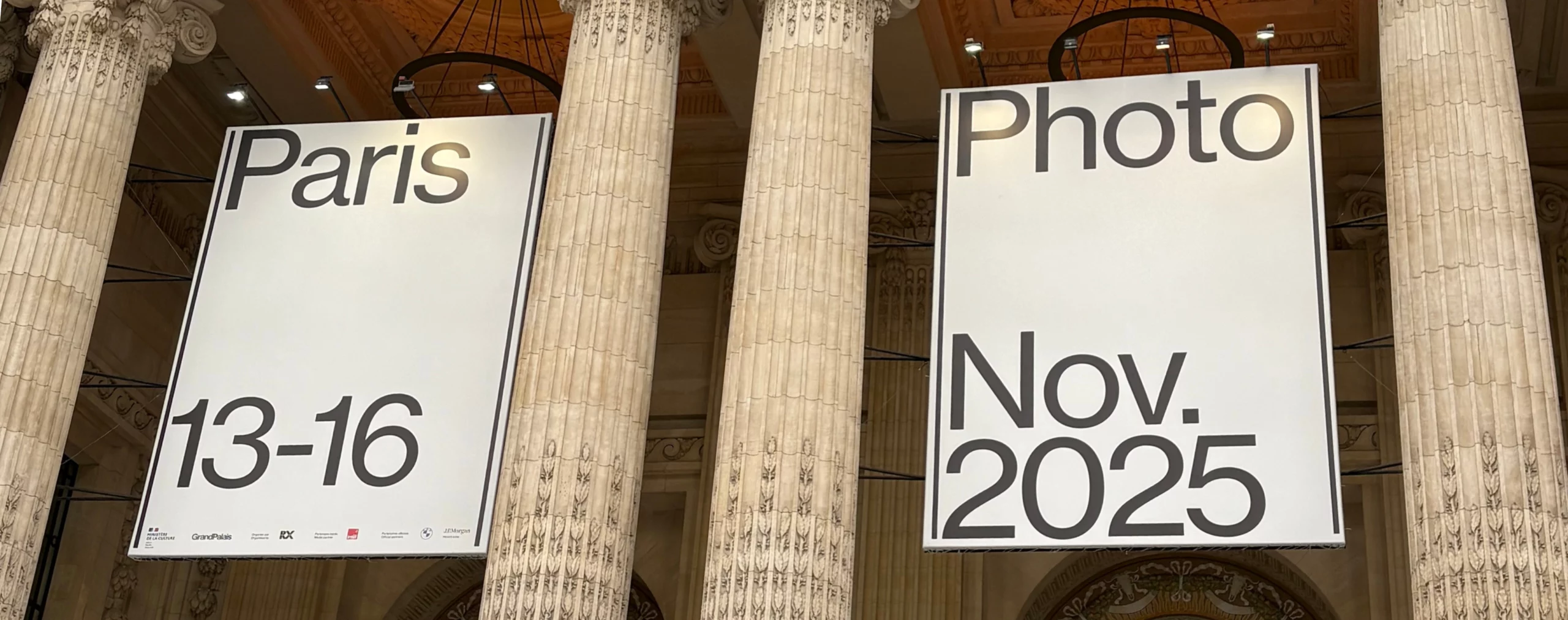
Affiches monumentales de Paris Photo 2025 suspendues entre les colonnes du Grand Palais, annonçant l’édition du 13 au 16 novembre 2025.
Art Mag

Paris Photo 2025 has transformed the Grand Palais into a true world capital of photography. With 222 exhibitors from 33 countries, the fair offers a unique panorama of contemporary creation.
Amid this vibrant energy, three encounters stood out. Three artists, three approaches, three powerful emotions — and three reasons not to miss this edition.

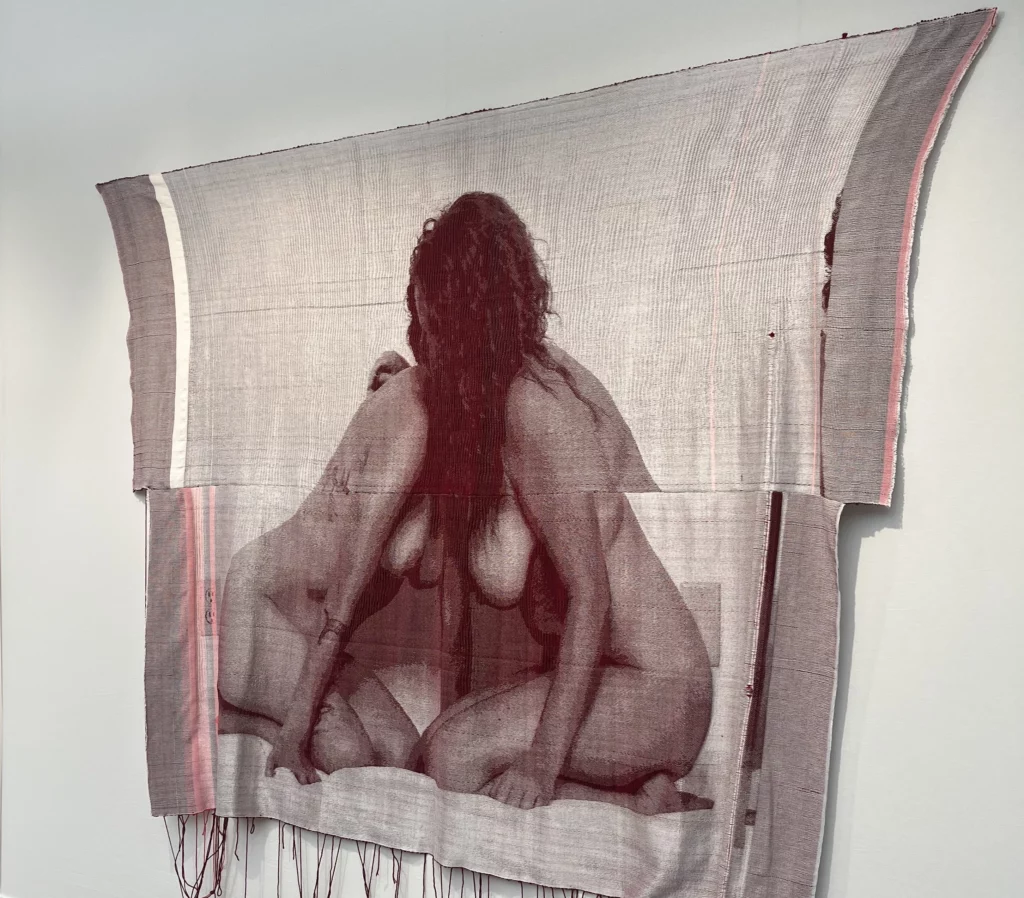
Monumental woven works by Mia Weiner exhibited by Homecoming Gallery at Paris Photo 2025, showcasing her thread-by-thread textile self-portraits. Art Mag Magazine
Mia Weiner / Galerie Homecoming, Stand N01, Emergence Sector

1. Mia Weiner — When the body becomes digital tapestry

Homecoming Gallerystand N01, Emergence sector

My first visual shock: the monumental self-portraits by Mia Weiner, represented by Homecoming Gallery.
In her series You’re My Son, the American artist turns digital imagery into textile matter: each pixel becomes a thread, hand-woven with breathtaking precision.

Monumental woven works by Mia Weiner exhibited by Homecoming Gallery at Paris Photo 2025, showcasing her thread-by-thread textile self-portraits. Art Mag Magazine
Mia Weiner / Galerie Homecoming, Stand N01, Emergence Sector

Why it’s a highlight ?

  • A powerful, unapologetic, political presence of the female body.
  • A subtle dialogue between technology and craftsmanship.
  • Textures that make the image feel alive.

Mia Weiner questions how women’s bodies are seen and represented in a digital age — and she does so with raw, vibrant poetry.

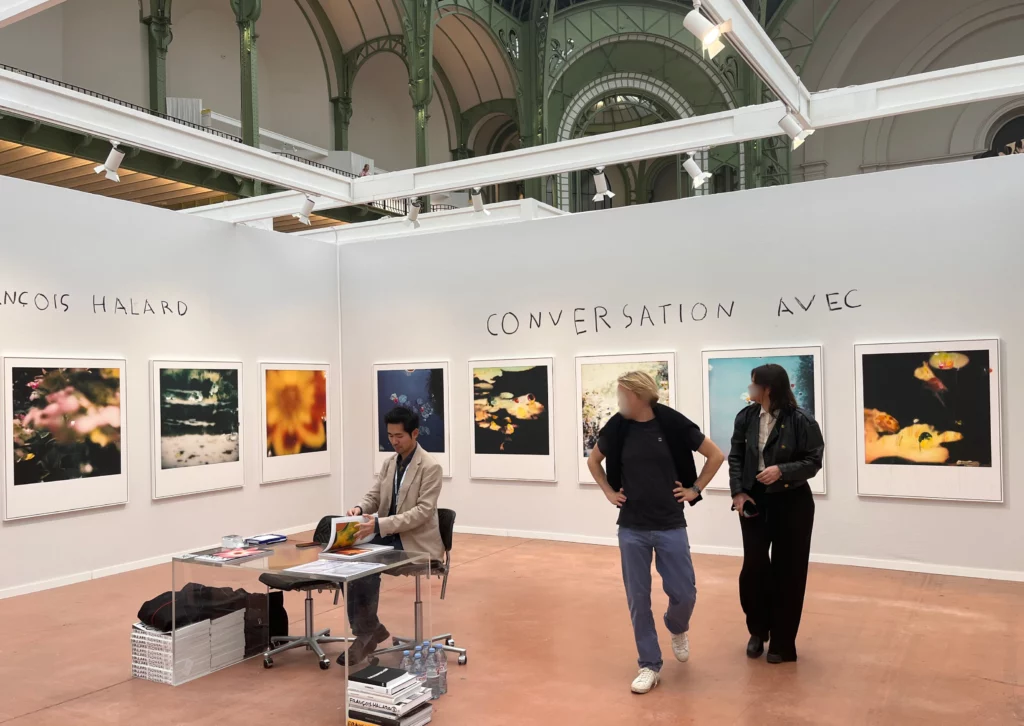
 Ruttkowski;68 gallery stand at Paris Photo 2025, presenting François Alary’s “Conversation with Monet” series under the Grand Palais glass roof. Art Mag Magazine
François Alary / Galerie Ruttkowski;68, Stand D26 main sector

2. François Alary — An unexpected dialogue with Claude Monet

Ruttkowski;68 Gallery – Stand D26 main sector

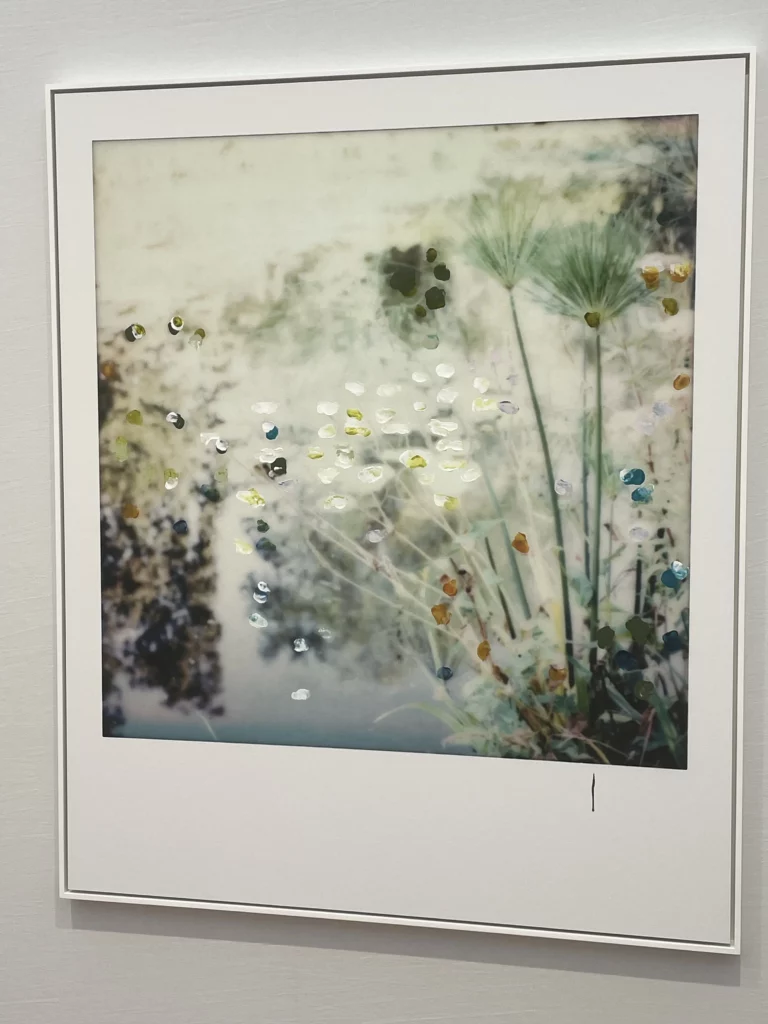
Next, I headed to Ruttkowski;68, where French photographer François Alary presents an elegant and intimate new series.
After forty years in New York, working for Vogue, Vanity Fair, and more, Alary takes a more contemplative turn.

His series reimagines the gardens of Giverny:

  • scanned Polaroids,
  • hand-painted oil gestures,
  • color spilling beyond the frame,
  • dialogue between photographic blur and painterly texture.
Photograph by François Alary exhibited by Ruttkowski;68 at Paris Photo 2025, blending a soft-focus Polaroid with colorful oil strokes inspired by the gardens of Giverny. Art Mag Magazine
François Alary / Galerie Ruttkowski;68, Stand D26 main sector

Why it’s a highlight
These images create a visual conversation with Monet without ever imitating him — capturing an impressionist spirit while offering a resolutely contemporary gaze.

Support independent publishing! Subscribe to ART MAG and receive each issue in advance, in both print and digital format
👉 Subcribe 6 issues / 1 year
👉 Offer ART MAG

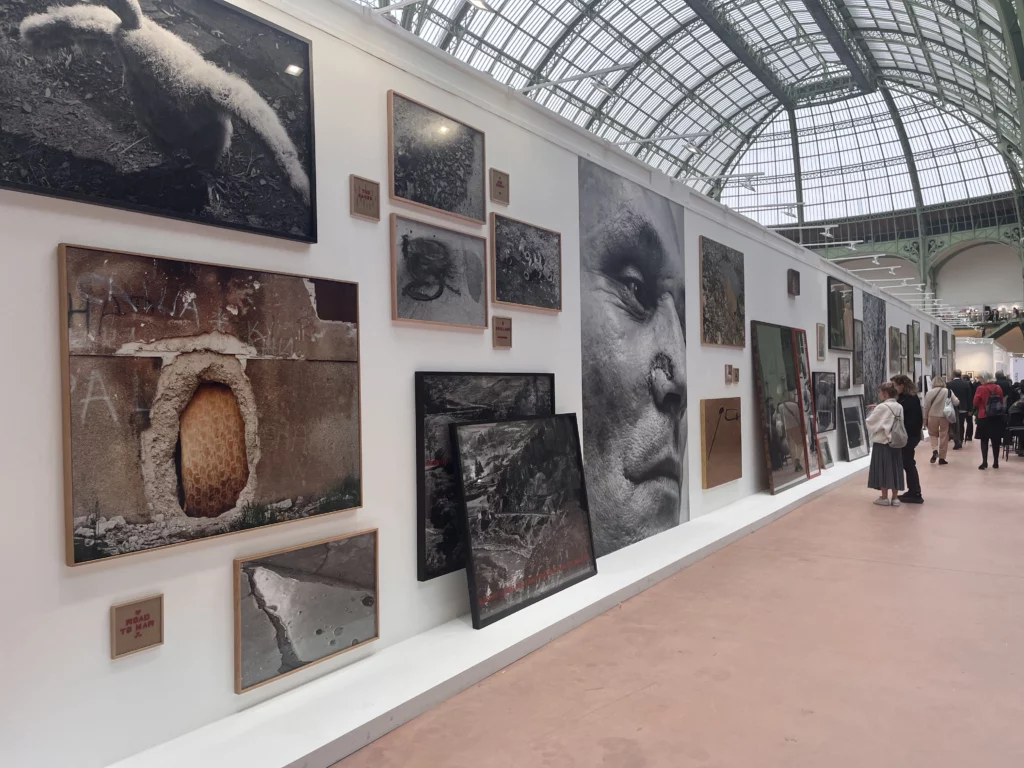
Wall display by Poggi Gallery dedicated to Sophie Ristelhueber at Paris Photo 2025, bringing together forty years of images exploring war traces and wounded landscapes. Art Mag Magazine
Sophie Ristelhueber / Poggi Gallery, Stand A24 – Main Sector

3. Sophie Ristelhueber — The memory of wounded landscapes

Poggi Gallery – Stand A24 – Main Sector

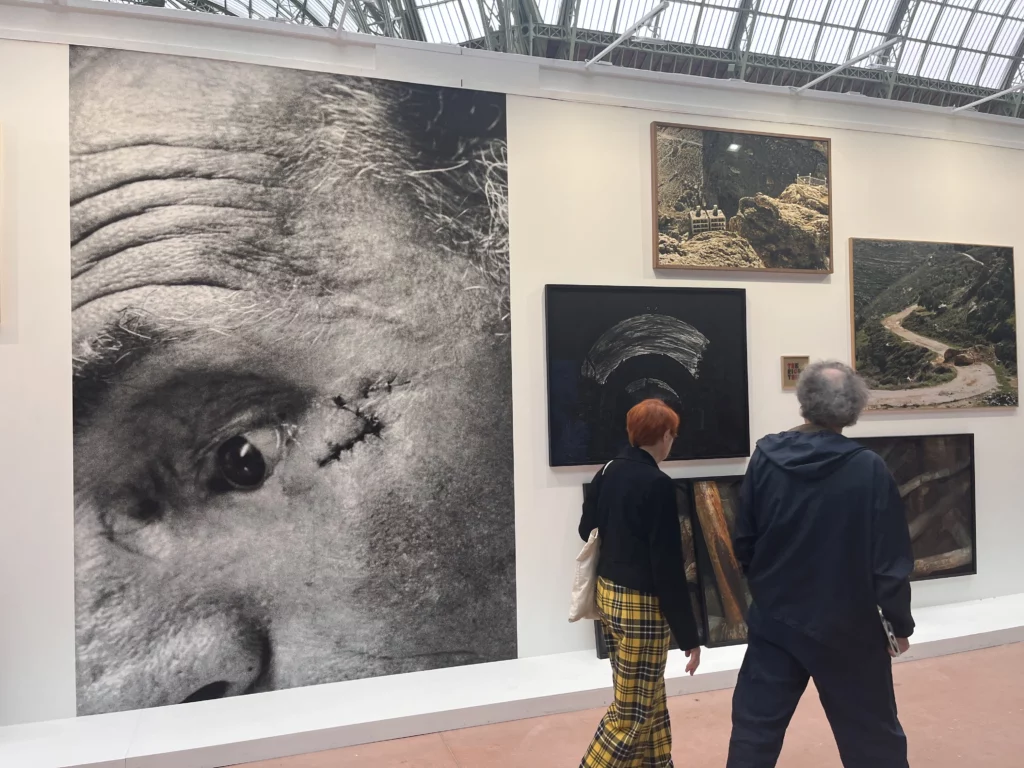
The third striking moment: Poggi Gallery’s stand dedicated to Sophie Ristelhueber, one of France’s most influential photographers and recipient of the prestigious Hasselblad Award.

Facing a 40-meter-long wall, tracing four decades of work, visitors are immersed in an oeuvre shaped by the world’s scars:

  • territories marked by conflict,
  • landscapes turned into bodies,
  • ruins transformed into memory.
 Poggi Gallery’s display at Paris Photo 2025, featuring a monumental black-and-white portrait of Sophie Ristelhueber with visible scars, surrounded by photographs of landscapes marked by conflict. Art Mag Magazine
Sophie Ristelhueber / Poggi Gallery, Stand A24 – Main Sector

Why it’s a highlight
Each image feels like a sensitive investigation, turning landscapes into silent witnesses. You leave this stand deeply moved, as if you had crossed a wounded yet fiercely alive territory.

What I take away from Paris Photo 2025: three artists, three visions, one shared breath

This 2025 edition reminds us that photography is not just a medium — it is a living language, capable of uniting technique, memory, the body, pain, softness, and innovation.

👉 Mia Weiner reinvents textile.
👉 François Alary reinvents Monet.
👉 Sophie Ristelhueber reinvents how we look at the world’s scars.

Three artists to follow closely, three committed galleries, and a fair that confirms that Paris remains — more than ever — the world capital of the photographic image.

Read also :

Support independent publishing! Subscribe to ART MAG and receive each issue in advance, in both print and digital format
👉 Subcribe 6 issues / 1 year
👉 Offer ART MAG

Categories
International - News

Luxembourg Art Week 2025: An XXL Edition Propelling Luxembourg to the Heart of the International Art Scene

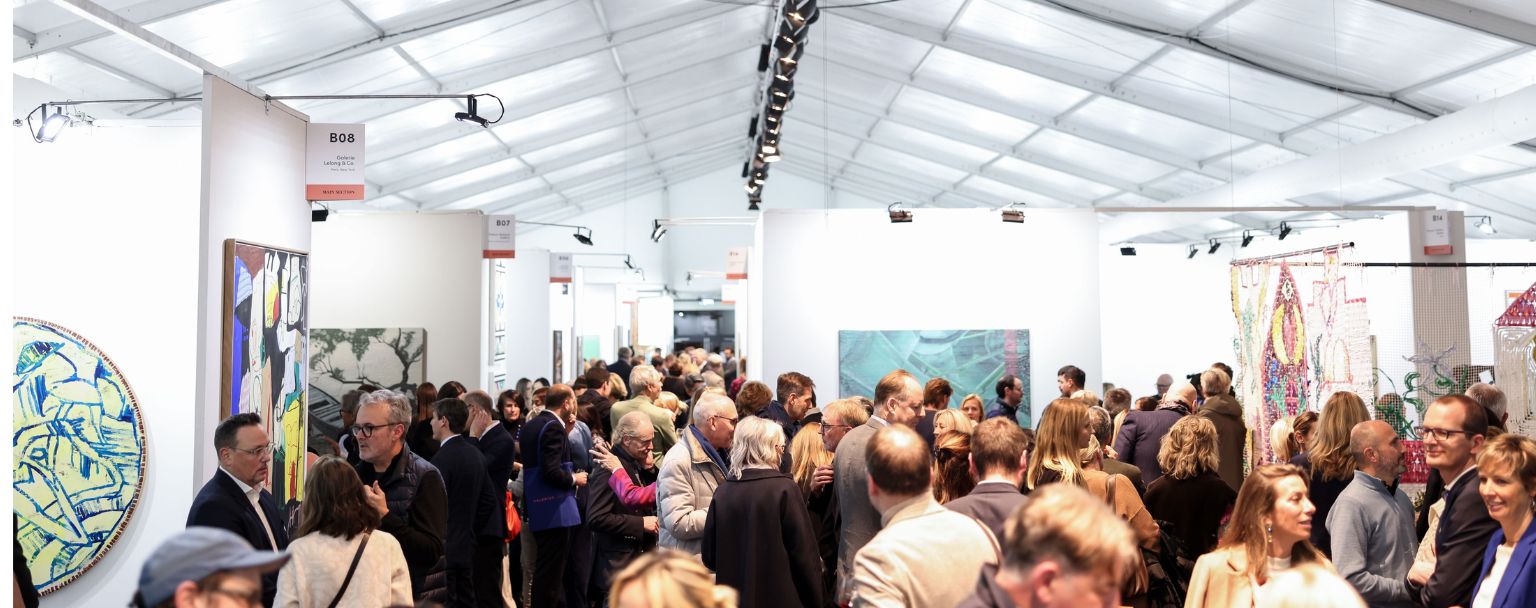
Luxembourg Art Week 2025 is shaping up to be one of the most ambitious art fairs of the year. From 21 to 23 November, the event brings together 77 galleries, 15 represented countries, and a uniquely cosmopolitan audience in Europe.
With 48% international residents, Luxembourg has become a cultural laboratory where collectors, institutions, and emerging scenes intersect.

Montreal in the spotlight : the most anticipated Focus of the 2025 edition

A major highlight this year: the fair celebrates Montreal, an artistic scene renowned for its freedom, energy, and ability to reinvent visual forms.

The four Montreal galleries featured in the Focus are:

  • Chiguer art contemporain – northern landscapes, narrative ice worlds, climate transformation.
  • Duran Contemporain – six emerging figurative and abstract painters: a panorama of new pictorial languages.
  • Art Mûr – Eddy Firmin, Holly King, Hédy Gobaa: hybrid, decolonial, and strikingly contemporary voices.
  • Galeries Bellemare Lambert – a solo show by Quebec–Belgian artist Jérôme Bouchard on industrial landscapes.

Support independent publishing! Subscribe to ART MAG and receive each issue in advance, in both print and digital format
👉 Subcribe 6 issues / 1 year
👉 Offer ART MAG

A strong selection : 77 exhibitors, 22 newcomers, and a remarkably high artistic level

Luxembourg Art Week confirms its draw with a rigorous and forward-looking selection.

Main Section – 50 leading galleries

Ceysson & Bénétière, Galerie Lelong, Zidoun-Bossuyt, Nosbaum Reding, Galerie Zlotowski…
The fair consolidates its role as a European hub.

Exhibition view at Galerie Porte B: painted works with botanical motifs and wooden cut-out sculptures displayed in a bright white space with light parquet flooring — photo by French Kate.
Galerie Porte B – Paris

Take Off – 18 emerging artists

A section that attracts critics, collectors, and young audiences every year.
The best of the new generation, at accessible prices.

Cultural institutions – 5 invited structures

Ensad Nancy, Konschthal Esch, EKA Kunsthalle Trier…
A strong territorial anchor paired with a decisively international outlook.

Art Talks, Art Walk, Artflo: a programme designed for the visitor experience

Luxembourg Art Week has grown beyond the traditional art fair format: it has become a complete cultural ecosystem.

Art Talks

Conferences addressing :

  • digital creation and AI
  • ecology in contemporary art
  • the future of collecting
  • curatorial issues

Insightful discussions that reinforce the intellectual dimension of the fair.

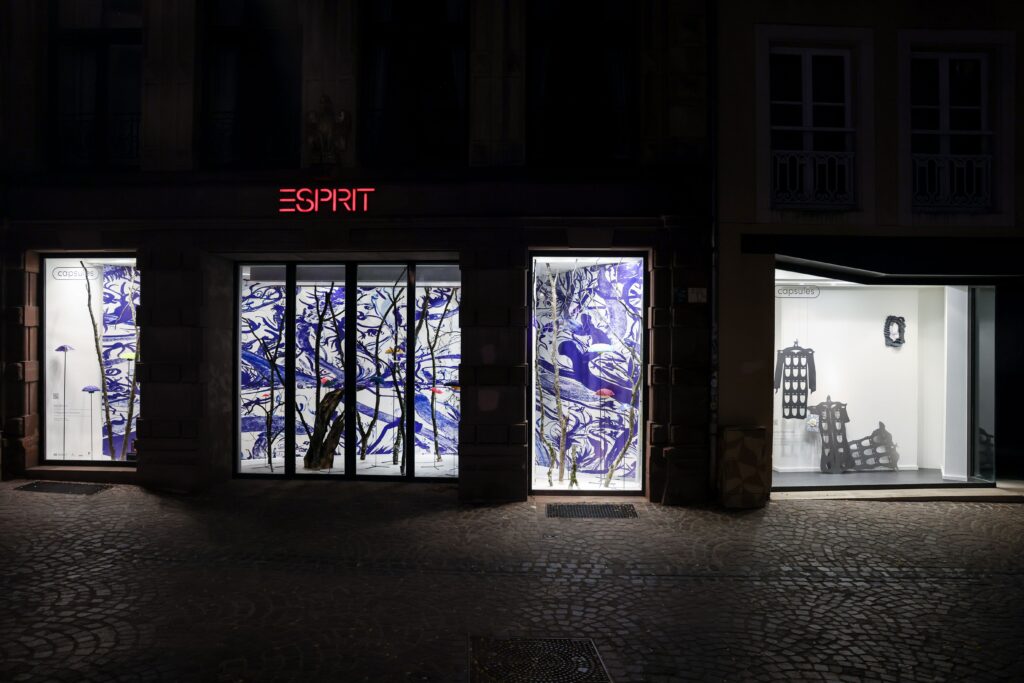
Capsules – Luxembourg Art Week 2025: nighttime view of Anna Bochkova’s blue-and-white installation Soft Futures, paired with black sculptures displayed in a street-facing window — an urban intervention photographed at night. magazine art mag
© Sophie Margue magazine art mag
© Sophie Margue 

Art Walk : Luxembourg turned into an open-air art trail

An outdoor programme including:

  • a sculpture route from the Gare district to Boulevard Royal
  • Capsules: exhibitions displayed in empty shop windows accessible 24/7
  • visits across partner galleries and institutions

Art flows into the city, creating a seamless experience between fair and territory.

Artflo : an enhanced digital fair

An innovative application enabling visitors to:

  • locate stands via an intelligent map
  • save their favourites
  • contact galleries directly
  • extend the fair experience afterward
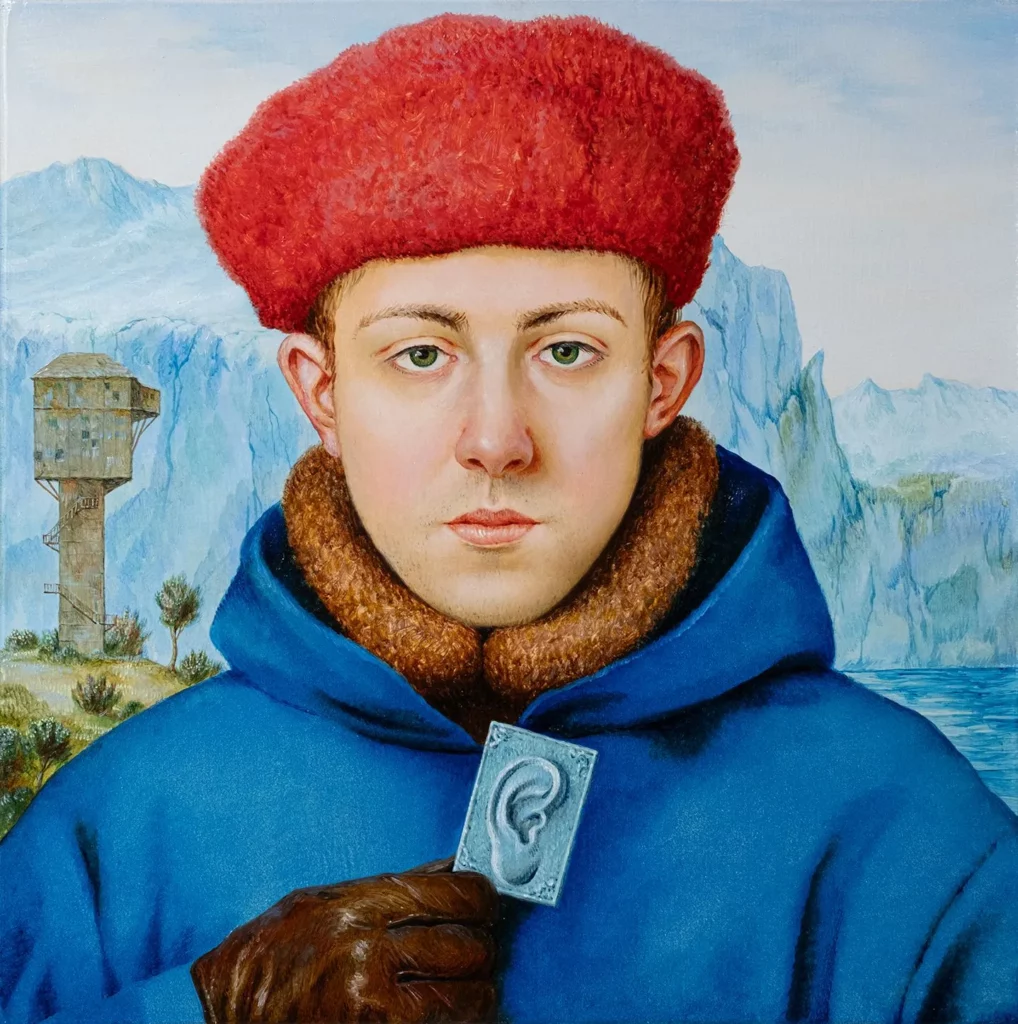
Painted portrait of a young man wearing a large red beanie and a blue coat, holding a card engraved with an ear, set against mountain and glacier landscapes — artwork presented by a Belgian gallery at Luxembourg Art Week.
Belgian Gallery – Red hat – Oil Painting – 30 x 30 cm – 2026

Collecting 101: collecting art under €4,000

To attract a new generation of buyers, the fair launches Collecting 101:
a curated path of artworks under €4,000, highlighted with a special sticker.

Objective:
👉 make art buying simpler, clearer, and less intimidating.

One of the fair’s most strategic — and most anticipated — initiatives.

Why the 2025 edition is a key moment for art in Europe

Luxembourg Art Week achieves something rare :
being simultaneously European, local, ambitious, and accessible.

  • 77 galleries
  • A major Quebec guest scene
  • A city transformed by art
  • An increasingly connected fair
  • Artworks for all levels of collectors

Everything points to the 2025 edition becoming one of the most closely followed — by collectors and market observers alike.

Support independent publishing! Subscribe to ART MAG and receive each issue in advance, in both print and digital format
👉 Subcribe 6 issues / 1 year
👉 Offer ART MAG

❓ FAQ – Luxembourg Art Week 2025

What is Luxembourg Art Week?

Luxembourg Art Week is the leading contemporary art fair in Luxembourg. Each year, it brings together international galleries, institutions, emerging artists, and a diverse audience of collectors, professionals, and art enthusiasts. The 2025 edition marks its 11th year.

When does Luxembourg Art Week 2025 take place?

From 21 to 23 November 2025, on the Champ du Glacis in the heart of Luxembourg City.

How many galleries are participating in 2025?

The fair hosts 77 galleries and institutions from 15 countries, including 22 newcomers.

What is the theme or focus of the 2025 edition?

The main focus spotlights the Montreal art scene, with four invited galleries:
Chiguer art contemporain, Duran Contemporain, Art Mûr, and Galeries Bellemare Lambert.

What is Collecting 101?

A curated selection of artworks under €4,000, designed to help newcomers start a collection easily and confidently.

Which activities are offered during the fair?

Art Talks (conferences)
Art Walk (city-wide art trail)
Artflo, the digital fair experience
exhibitions across partner institutions in Luxembourg City

Where are the in-city exhibitions located?

Art Walk exhibitions are distributed throughout the city centre: Gare district, Boulevard Royal, Capsules window installations, and partner institutions.

Is Luxembourg Art Week accessible to new collectors?

Yes. Thanks to Collecting 101, emerging-artist sections, and works at varied price points, the fair is suitable for seasoned collectors as well as those wishing to start their first collection.

Categories
News

Paris Photo 2025, Photo Days, Offprint… the month Paris becomes the capital of image

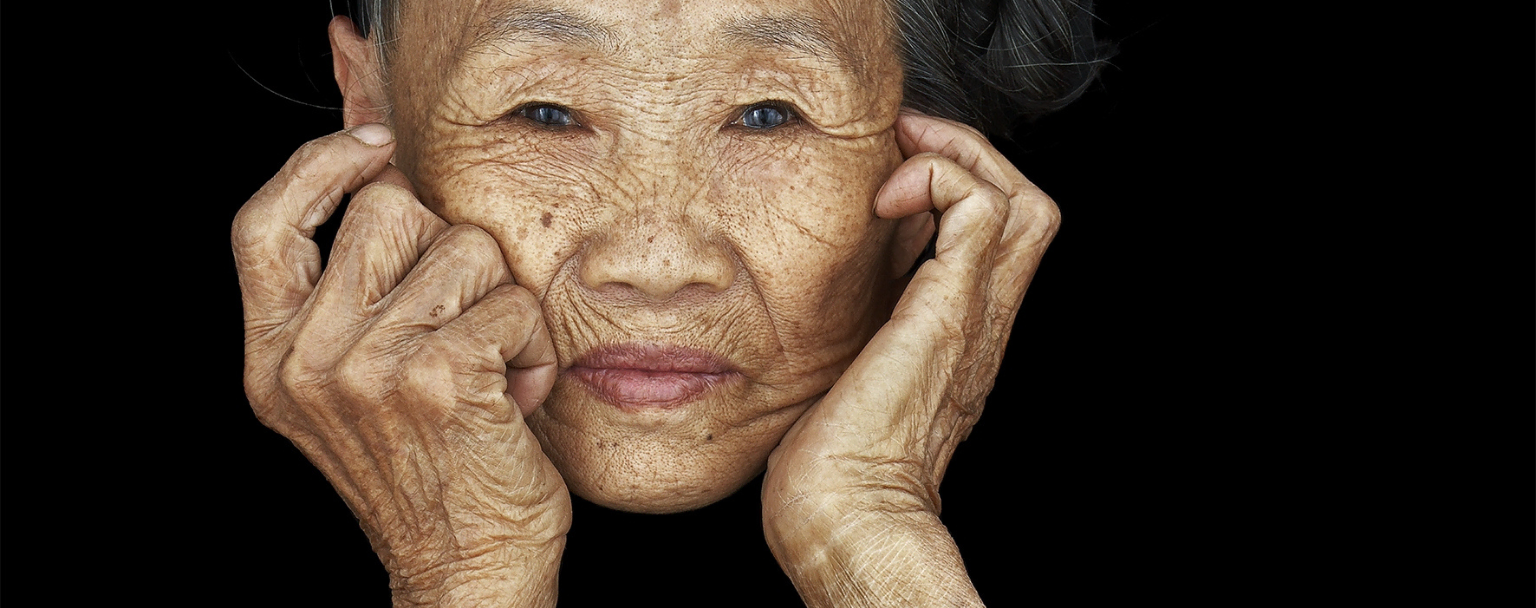
Portrait en gros plan d’une femme âgée sur fond noir, mains posées sur le visage – photographie d’Antoine Schneck, série « Chen Nai Ben », présentée à Photo Days 2025, Galerie Harcourt, partenaire de Paris Photo – magazine ART MAG.
Antoine Schneck

In November, Paris transforms into the world capital of photography. Between Paris Photo, PhotoSaintGermain, Offprint and Photo Days, the entire city celebrates every form of visual expression — from photobooks to monumental prints.

Paris Photo 2025 : the great mass of the medium

From 13 to 16 November 2025, Paris Photo returns to the majestic setting of the Grand Palais.
Directed by Florence Bourgeois and Anna Planas, this 28th edition brings together 222 galleries and publishers from 33 countries.

The sectors Main, Digital, Emergence, Voices and Editions offer a comprehensive panorama of contemporary photography, balancing heritage with innovation.

Through the curatorial vision of Devika Singh (Courtauld Institute) and Nadine Wietlisbach (Fotomuseum Winterthur), Paris Photo 2025 becomes a global-scale exhibition — a space where photography reflects on its own future.

Read also: Paris Photo 2025: Photography Through the Lens of the Contemporary World

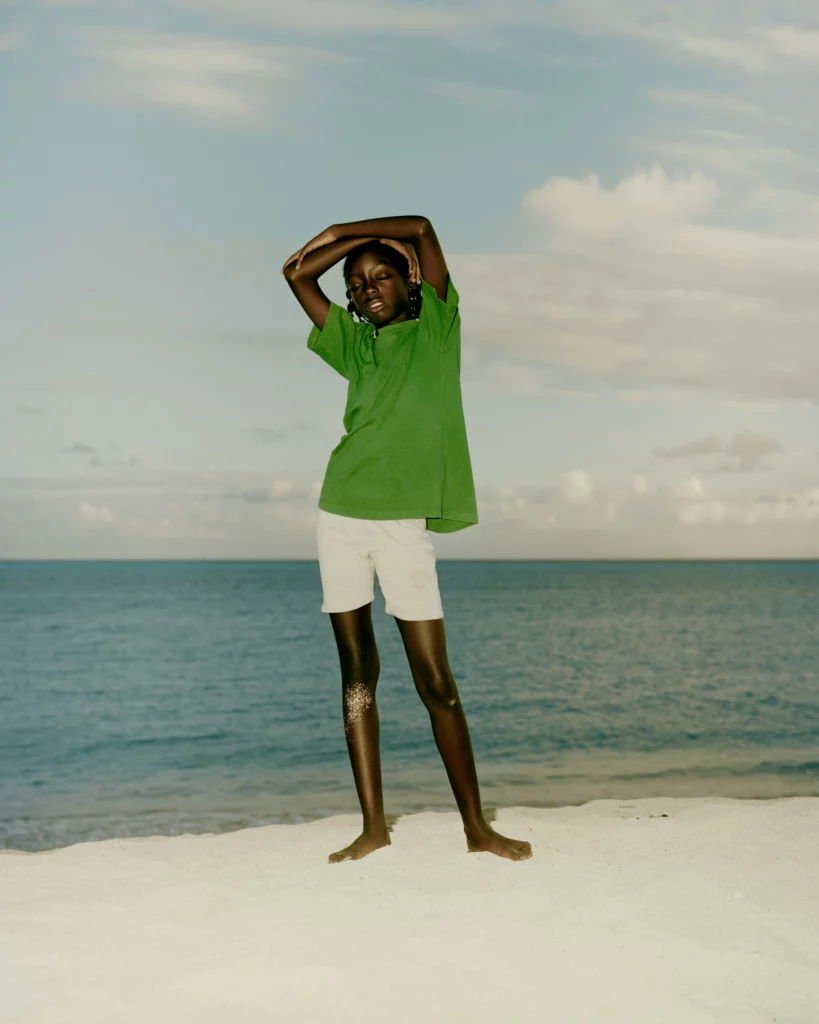
Portrait “Amelia” (2023) by Gilleam Trapenberg – a fine-art print depicting a young girl on a beach under soft tropical light, presented at Paris Photo 2025. ART MAG.
Gilleam Trapenberg, Amelia, 2023 – Homecoming Gallery, shown at Paris Photo 2025
Beneath the Caribbean sky, a portrait infused with quiet dignity. The artist explores Afro-Caribbean identities through light, poise and tenderness.

Support independent publishing!
Subscribe to ART MAG and receive each issue in advance, in print and digital.
👉 Subscribe – 6 issues / 1 year
👉 Give ART MAG

Off-site events : photography everywhere in Paris

Around the Grand Palais, creativity expands, multiplies and breaks free.

Offprint Paris: the independent editorial scene

Held at Césure, in the 5th arrondissement, Offprint gathers over 150 independent publishers working across art, design and visual culture.
Each table becomes an encounter: the photobook is no longer just a medium, but a work in itself.

Salon a ppr oc he: intimate experimentation

At Le Molière, Rue de Richelieu, the 9th edition of a ppr oc he focuses on photography as a sensory and material gesture.
A tightly curated selection of artists restores the tactile, almost visceral nature of the photographic print.

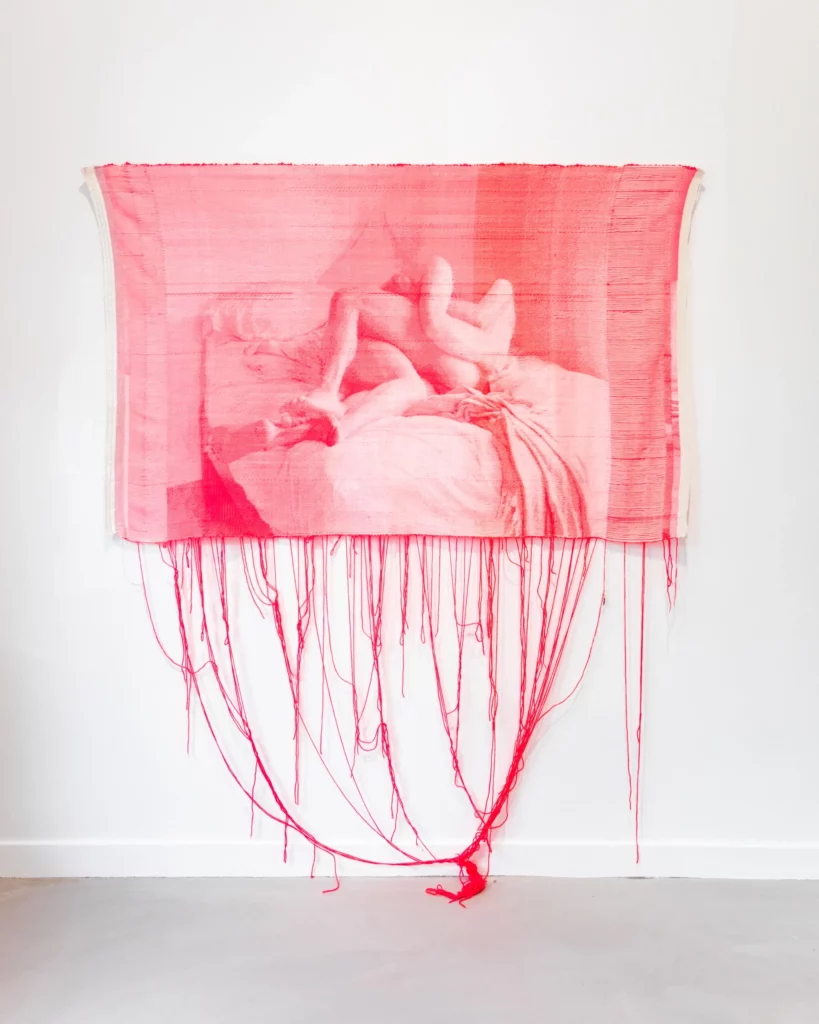
Pink tapestry depicting a reclining body on a bed, with red threads falling to the floor — “A Flash of Heat” (2024) by artist Mia Weiner, presented at Paris Photo 2025, Homecoming Gallery — ART MAG magazine.
Mia Weiner, A Flash of Heat (2024)
A tapestry of red threads evoking bodily memory and the sensuality of gesture. Presented at Paris Photo 2025, Homecoming Gallery.
© Courtesy of the artist & Homecoming Gallery.

PhotoSaintGermain and Photo Days: Paris becomes an open-air museum

From the 7th arrondissement’s city hall to the Centre Culturel Irlandais, from Saint-Germain’s galleries to art bookstores, PhotoSaintGermain traces a poetic, open itinerary.
The event invites wandering: Anne-Lise Broyer, Florence Henri, Daragh Soden and others unfold narratives where light becomes a language.

Even broader, the Photo Days festival radiates across the Île-de-France region:

  • galleries (Clémentine de la Féronnière, Thaddaeus Ropac, Fisheye)
  • museums (Carnavalet, MAC VAL)
  • unusual venues (Chapelle de Clairefontaine, Studio Frank Horvat)

Every exhibition becomes an open window onto the world.

Read also:

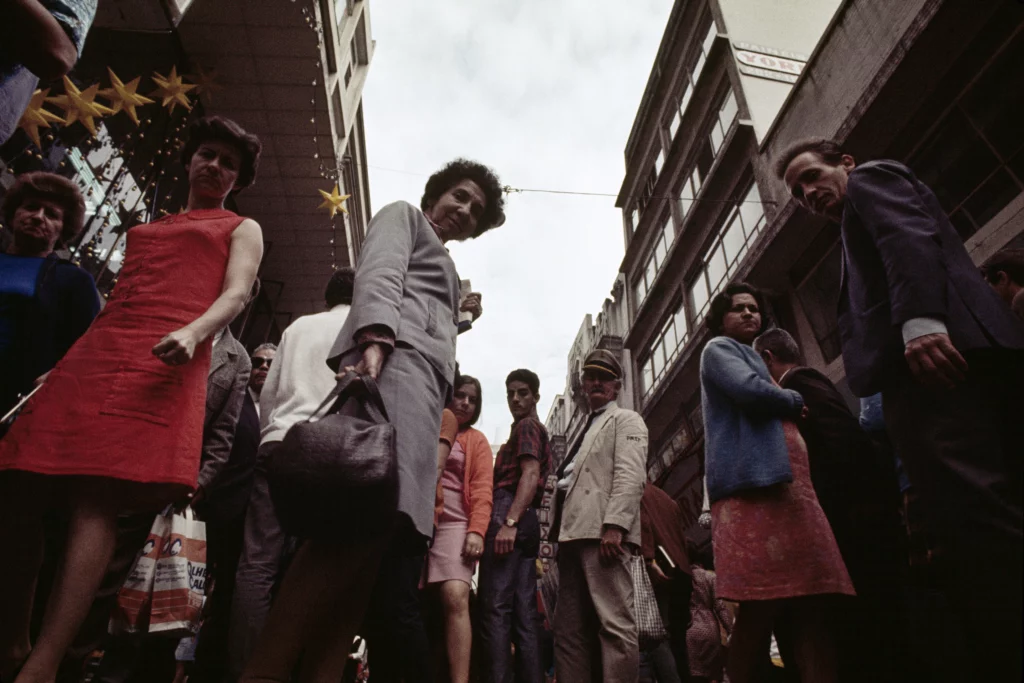
Street scene from the series “Rua Direita” (1970) by Claudia Andujar – an upward-angle photograph capturing urban life and human presence, exhibited at Paris Photo 2025. ART MAG.
Claudia Andujar, Rua Direita, 1970 – Galeria Vermelho, shown at Paris Photo 2025
Through a bold angle, the Brazilian photographer captures the urban crowd and the humanity of passers-by. A historic moment where the street becomes a social stage.

Photography as the art of connection

These events are more than exhibitions: they form an ecosystem.
Between institutions and independents, between books and images, Paris creates a dialogue of practices, formats and perspectives.

This November 2025 affirms photography as a collective, living art, a mirror of our memories and our transformations.

Practical information

Support independent publishing!
Subscribe to ART MAG and receive each issue in advance, in print and digital.
👉 Subscribe – 6 issues / 1 year
👉 Give ART MAG

FAQ – Paris Photo 2025

What is Paris Photo?

Paris Photo is the world’s largest international fair dedicated to photography. It brings together galleries, artists and publishers from around the globe.

When and where is Paris Photo 2025?

From 13 to 16 November 2025, at the Grand Palais, Paris.

What other photo events can I see in Paris?

Offprint Paris, PhotoSaintGermain, Polycopies, Photo Days and the a ppr oc he salon all animate the entire month of November

How much is the Paris Photo entry ticket?

Admission is between €35 and €40, but many parallel events are free.

Support independent publishing!
👉 Subscribe – 6 issues / 1 year
👉 Give ART MAG

Categories
News - Photography

Paris Photo 2025 : Photography Through the Lens of the Contemporary World

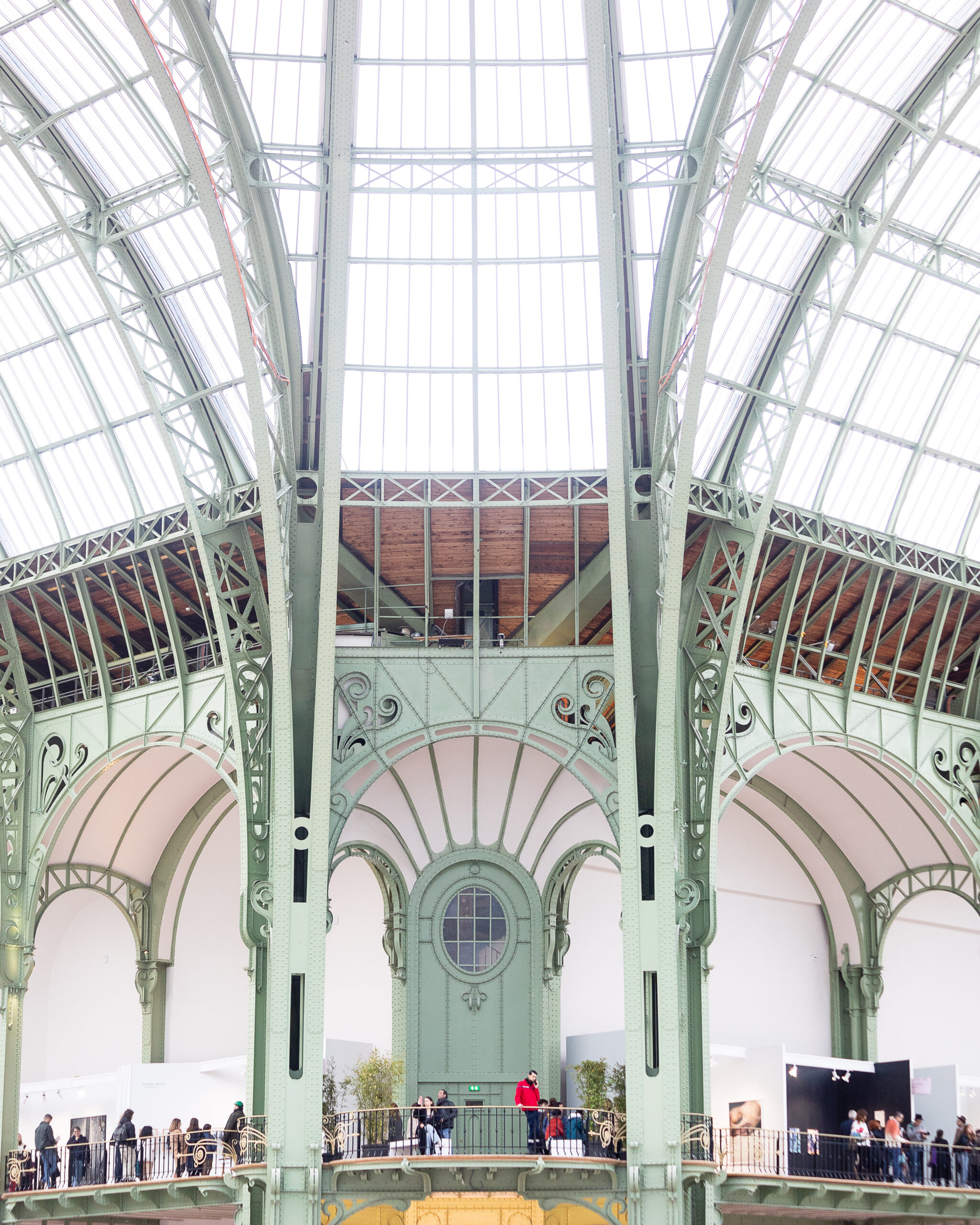
Vue d’ensemble de Paris Photo 2025 au Grand Palais – foire internationale de la photographie contemporaine article dans art mag
Grégoire Grange

A Triumphant Return to the Grand Palais

From November 13 to 16, 2025, Paris Photo celebrates its 28th edition with 222 exhibitors from 33 countries. Under the direction of Florence Bourgeois and Anna Planas, the fair asserts itself as the world’s leading event for photography and the image. Between history and avant-garde, it offers a panorama where memory, vision, and innovation engage in constant dialogue.

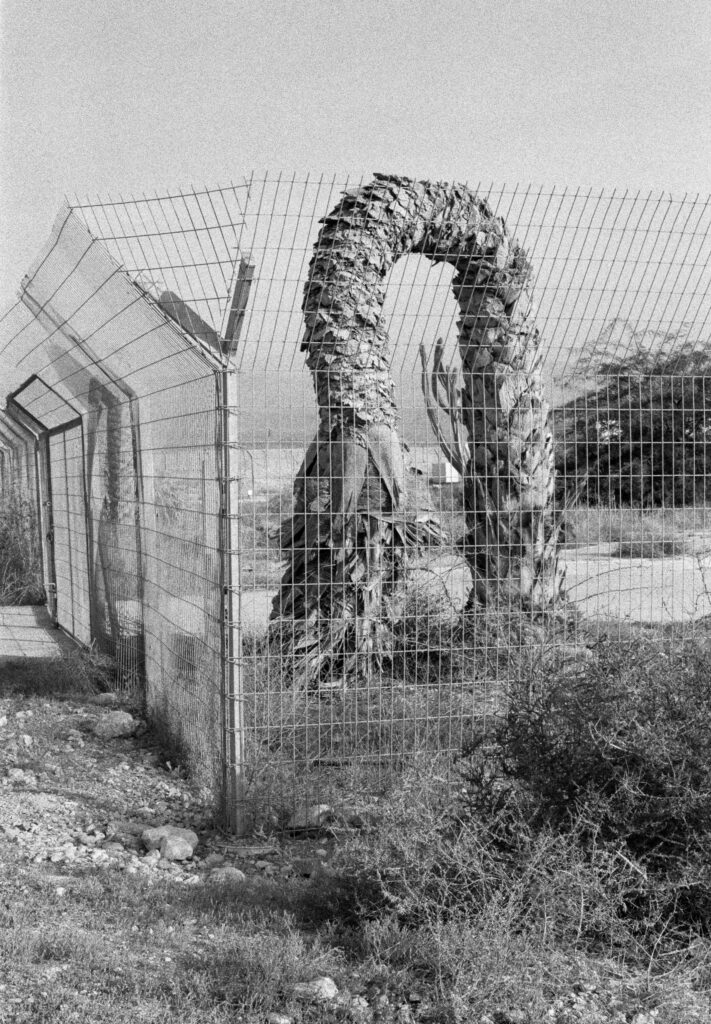
Photograph Pont Allenby 2 (2016) by Sophie Ristelhueber – a border landscape steeped in history, reflecting on war and the human trace, presented by Galerie Poggiali. pubished by Art Mag
Pont Allenby #2 (2016), Sophie Ristelhueber – Galerie Poggi – Winner of the 2025 Hasselblad Award

Five Movements of Vision

The fair unfolds through five sectors: Main, Voices, Digital, Emergence, and Publishers.
In the Main sector, established masters meet contemporary explorers of the medium: Sophie Ristelhueber presents a monumental 36-meter-long installation, while Adrian Sauer questions the materiality of the image.
Curators Devika Singh and Nadine Wietlisbach infuse Voices with a reflection on landscape and kinship — two themes that weave photography into the fabric of the real.

Home Song (2020–25) by Torbjørn Rødland – an intimate and unsettling scene blending tenderness and tension, presented by Galerie Eva Presenhuber at Paris Photo 2025. Published by Art Mag
Home Song (2020–25), Torbjørn Rødland – Galerie Eva Presenhuber, Zurich – Digital Sector

When the Image Becomes Data

Curated by Nina Roehrs, the Digital sector explores the era of augmented reality: artists such as Kevin Abosch and Cole Sternberg (for the Giga – UNICEF project) investigate connectivity and digital memory.
Here, photography expands — it becomes data, trace, and consciousness.

Black and white photograph by Bérangère Fromont from the series République (2024), exhibited at Paris Photo 2025 – a sensitive exploration of the intimate and the political. Published by ART MAG.
République (2024), Bérangère Fromont – Galerie Bacqueville – Voices Sector, curated by Devika Singh

Emerging Talents and Transmission

On the balconies of the Grand Palais, the Emergence sector unveils twenty artists of the new generation: Marine Lanier, Atong Atem, Camila Falquez, and Sylvie Bonnot among them.
French artist Marine Lanier receives the 2025 Maison Ruinart Prize for her series Alchimia, a poetic tale about life and the cycles of nature.
This same spirit of transmission resonates in Le Labo, a life-size model of an analog laboratory, and in the Cnap exhibition Faire Familles / Making Families, dedicated to the metamorphoses of kinship.

Support independent publishing! Subscribe to ART MAG and receive each issue in preview, in both print and digital versions.
👉 Subscribe to 6 issues / 1 year
👉 Give ART MAG as a gift

Elles × Paris Photo: The Power of the Female Gaze

Directed this year by Devrim Bayar, the Elles × Paris Photo program examines the relationship between figure and setting, presence and erasure.
Since its launch in 2018, the share of women photographers has risen from 20% to 39% in seven years — a tangible, vital evolution in a visual world long shaped by the male gaze.

Untitled (Acrobacia), 2012, by Rosângela Rennó – black-and-white photograph evoking memory and the fragility of the body, exhibited at Paris Photo 2025. Published by ART MAG.
Untitled (acrobacia) (2012), Rosângela Rennó – Collection Estrellita B. Brodsky – Exhibition The Last Photo

Memory Under Pressure: The Last Photo

Presented for the first time in Europe, The Last Photo — the collection of Estrellita B. Brodsky — brings together more than sixty Latin American works, from Diane Arbus to Vik Muniz.
This manifesto-exhibition symbolically marks the end of the analog era and opens a reflection on the contemporary instability of the image — now fluid, replicated, shared, sometimes erased.

A World of Photography

More than a fair, Paris Photo 2025 is a laboratory of vision.
Beneath the glass roof of the Grand Palais, the image ceases to be a mere trace: it becomes a critical and universal language, a shifting mirror of a world in search of meaning.
Between the visible and the invisible, the tangible and the virtual, photography here reclaims its true vocation: to illuminate, to connect, to think.

Support independent publishing! Subscribe to ART MAG and receive each issue in preview, in both print and digital versions.
👉 Subscribe to 6 issues / 1 year
👉 Give ART MAG as a gift

FAQ Paris Photo 2025 (dates, artists, practical information)

What is Paris Photo?

Paris Photo is the largest international fair dedicated to photography and contemporary image-making. Each year, it brings together galleries, publishers, and artists from around the world at the Grand Palais. In 2025, the event celebrates its 28th edition, featuring 222 exhibitors from 33 countries.

When and where does Paris Photo 2025 take place?

The 2025 edition will be held from November 13 to 16, 2025, at the Grand Palais in Paris. This long-awaited return follows several years of renovation, reopening in a renewed space where historic galleries and emerging scenes converge.

Which artists and projects can be discovered this year?

Among the highlights:
Sophie Ristelhueber, winner of the Hasselblad Award, with a monumental installation;
Marine Lanier, recipient of the 2025 Maison Ruinart Prize, for her poetic series Alchimia;
The exhibition The Last Photo, from the Estrellita B. Brodsky Collection;
The Voices and Elles × Paris Photo programs, celebrating diversity and the role of women in contemporary creation.

Why visit Paris Photo 2025?

Because this edition shines a light on photography in all its dimensions — analog, digital, experimental, social, and political.
Beneath the glass roof of the Grand Palais, Paris Photo 2025 is more than a fair: it is a laboratory of ideas, a place of transmission and critical reflection on our world.vue du grand palais

Support independent publishing! Subscribe to ART MAG and receive each issue in preview, in both print and digital versions.
👉 Subscribe to 6 issues / 1 year
👉 Give ART MAG as a gift

Categories
News

Studio Marie-Claude Beaud, the new benchmark auditorium for contemporary art in Paris

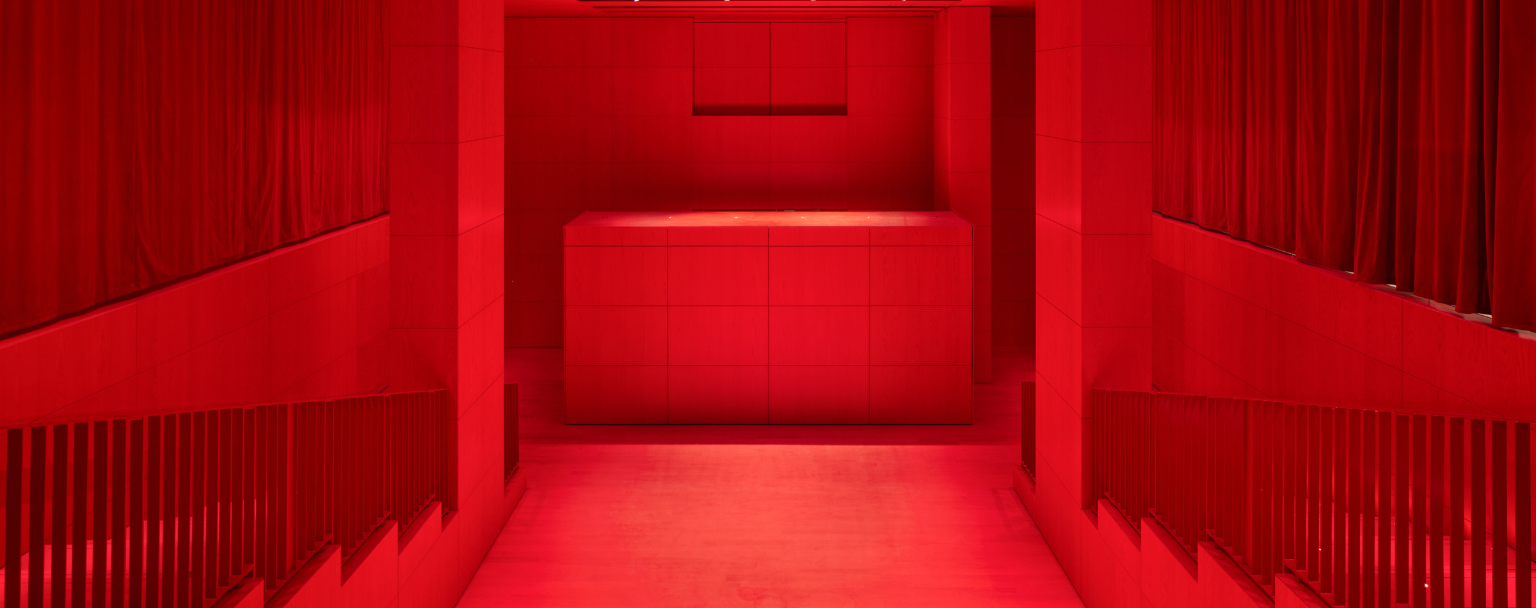
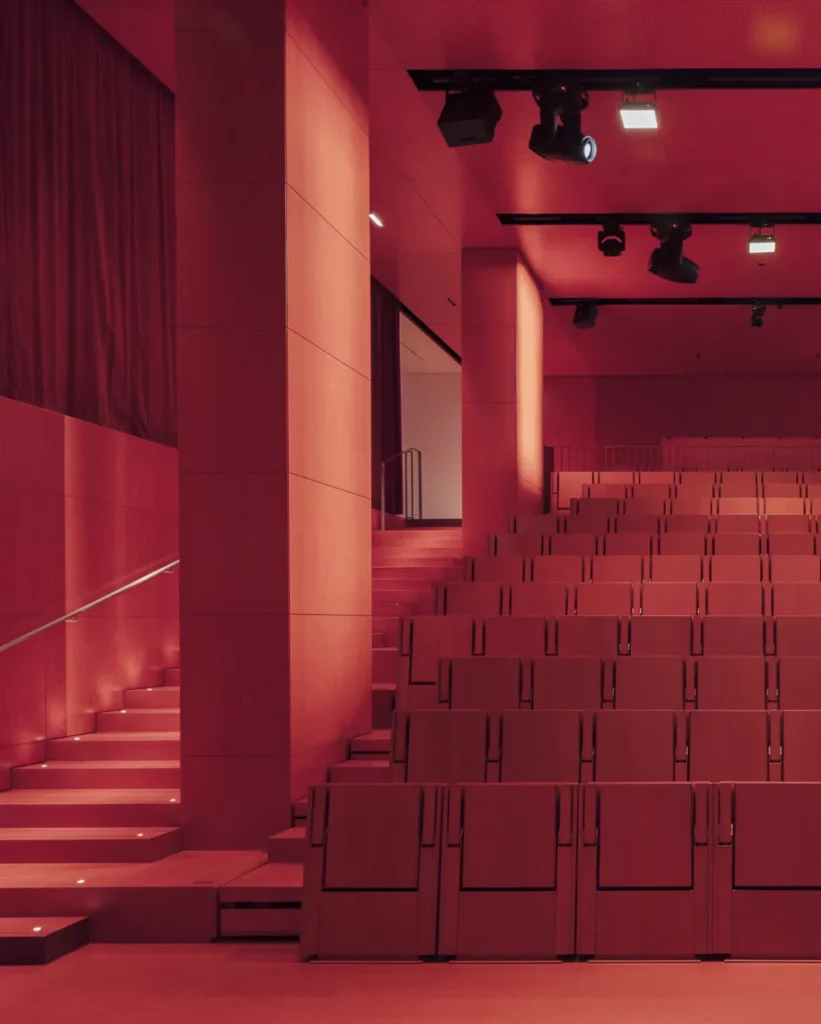
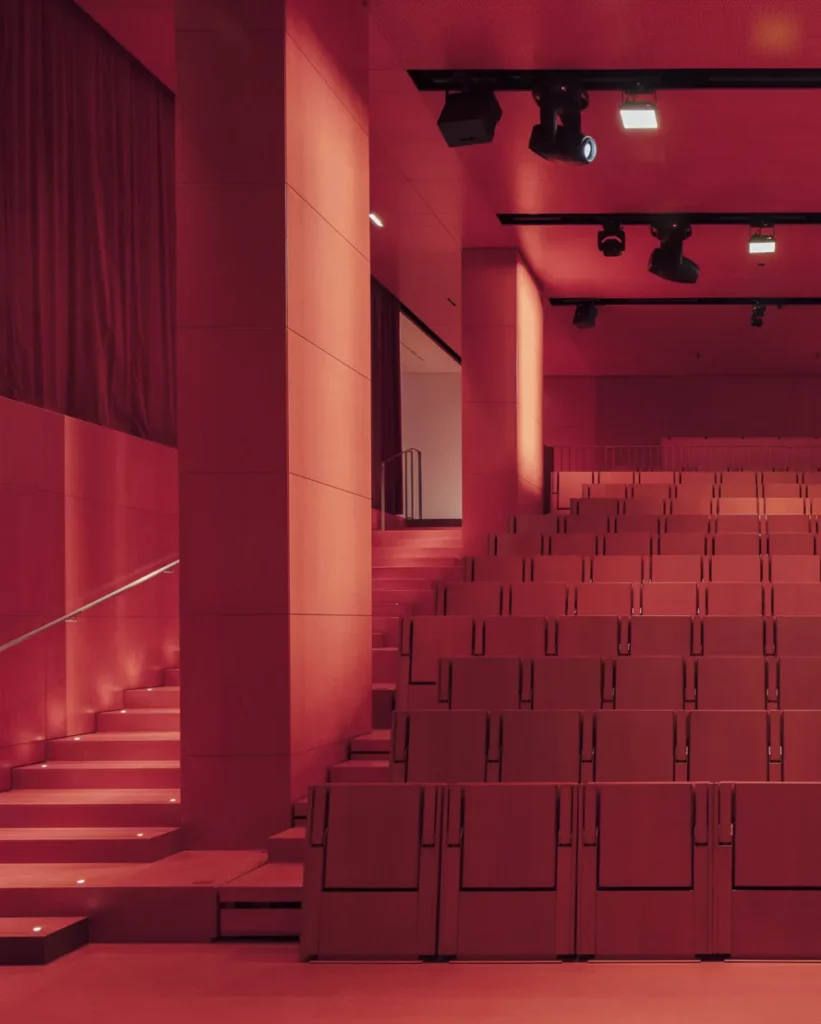
Intérieur du Studio Marie-Claude Beaud au Palais-Royal, auditorium de 110 places du nouveau bâtiment de la Fondation Cartier conçu par Jean Nouvel, baigné d’une lumière rouge immersive et dédié aux arts vivants, projections et rencontres.
La Fondation Cartier pour l’art contemporain, 2 place du Palais-Royal, Paris. © Jean Nouvel / ADAGP, Paris, 2025.
Martin Argyroglo

The Studio Marie-Claude Beaud is part of the newly-built Fondation Cartier pour l’art contemporain.
It was inaugurated in October 2025 at the Palais‑Royal.
The building was designed by architect Jean Nouvel.

This auditorium has 110 seats.
Its purpose is clear: to host live artistic formats.
The venue supports performances, film projections, debates, public readings, and artist conversations.

A museum built for dialogue

The studio honors pioneer Marie-Claude Beaud (1946–2021).
She reshaped cultural institutions by integrating cross-disciplinary approaches.
Thanks to her work, design, video art, fashion, cinema, and science entered museum spaces.
She believed museums must generate conversation, not only display art.

A modular architectural feat

The building spans 8,500 m² open to visitors.
6,500 m² are dedicated to exhibitions.
Five movable steel platforms allow the space to transform.
This creates a spectacular but adaptable environment for art and scenography.

Here, architecture reaches upward with light and vertical structures.
The Studio Marie-Claude Beaud provides the balance.
It slows the pace, brings audiences closer, and makes art personal.
It is a space to listen.
A space to exchange ideas.
A space where art is narrated, not just observed.

The heart of live cultural programming in 2025

The studio will anchor major cultural events in Paris, including:

  • talks between artists and curators,
  • exclusive film screenings,
  • contemporary art lectures,
  • debates connected to the inaugural exhibition General Exhibition,
  • hybrid evening programs blending visual arts, music, and performance.

The format responds to a growing public demand.
Audiences now seek live cultural experiences, not only static exhibitions.
This positions the studio as one of Paris’ most strategic new cultural venues for contemporary art.

studio marie claude Beaud auditorium de 110 place au coeur du Palais Royal
Fondation Cartier pour l’art contemporain, 2 Place du Palais-Royal, Paris
Crédits : © Jean Nouvel / ADAGP, Paris, 2025. Photo © Martin Argyroglo.

Support independent publishing! Subscribe to ART MAG and receive each issue in advance, in both print and digital format
👉 Subcribe 6 issues / 1 year
👉 Offer ART MAG

How many people can the auditorium accommodate?

110 seated guests.

What types of events take place here?

Performances, screenings, artist talks, lectures, panels, debates.

Where is the Studio Marie-Claude Beaud located?

Inside the new building of Fondation Cartier at the Palais-Royal in central Paris.

Categories
News

Studio Marie-Claude Beaud, the new benchmark auditorium for contemporary art in Paris

Intérieur du Studio Marie-Claude Beaud au Palais-Royal, auditorium de 110 places du nouveau bâtiment de la Fondation Cartier conçu par Jean Nouvel, baigné d’une lumière rouge immersive et dédié aux arts vivants, projections et rencontres.
La Fondation Cartier pour l’art contemporain, 2 place du Palais-Royal, Paris. © Jean Nouvel / ADAGP, Paris, 2025.
Martin Argyroglo

The Studio Marie-Claude Beaud is part of the newly-built Fondation Cartier pour l’art contemporain.
It was inaugurated in October 2025 at the Palais‑Royal.
The building was designed by architect Jean Nouvel.

This auditorium has 110 seats.
Its purpose is clear: to host live artistic formats.
The venue supports performances, film projections, debates, public readings, and artist conversations.

A museum built for dialogue

The studio honors pioneer Marie-Claude Beaud (1946–2021).
She reshaped cultural institutions by integrating cross-disciplinary approaches.
Thanks to her work, design, video art, fashion, cinema, and science entered museum spaces.
She believed museums must generate conversation, not only display art.

A modular architectural feat

The building spans 8,500 m² open to visitors.
6,500 m² are dedicated to exhibitions.
Five movable steel platforms allow the space to transform.
This creates a spectacular but adaptable environment for art and scenography.

Here, architecture reaches upward with light and vertical structures.
The Studio Marie-Claude Beaud provides the balance.
It slows the pace, brings audiences closer, and makes art personal.
It is a space to listen.
A space to exchange ideas.
A space where art is narrated, not just observed.

The heart of live cultural programming in 2025

The studio will anchor major cultural events in Paris, including:

  • talks between artists and curators,
  • exclusive film screenings,
  • contemporary art lectures,
  • debates connected to the inaugural exhibition General Exhibition,
  • hybrid evening programs blending visual arts, music, and performance.

The format responds to a growing public demand.
Audiences now seek live cultural experiences, not only static exhibitions.
This positions the studio as one of Paris’ most strategic new cultural venues for contemporary art.

Fondation Cartier for Contemporary Art, 2 Place du Palais-Royal, Paris. © Jean Nouvel / ADAGP, Paris, 2025. Photo © Martin Argyroglo.

The Studio Marie-Claude Beaud has redefined what an art auditorium can be in a major capital.
By placing artistic expression and conversation at the center, it opens a new cultural chapter for contemporary art in Paris.
It embodies a museum model that is closer to people, active, and built around shared experience.
A quieter space within a bold architectural framework, it ensures art is heard, narrated, debated, and lived.

Support independent publishing! Subscribe to ART MAG and receive each issue in advance, in both print and digital format
👉 Subcribe 6 issues / 1 year
👉 Offer ART MAG

FAQ

How many people can the auditorium accommodate?

110 seated guests.

What types of events take place here?

Performances, screenings, artist talks, lectures, panels, debates.

Where is the Studio Marie-Claude Beaud located?

Inside the new building of Fondation Cartier at the Palais-Royal in central Paris.

Categories
News

Jean Nouvel Reinvents the Fondation Cartier at the Palais-Royal

Facade de la Fondation Cartier au Palais royal Architecte Jean Nouvel
Martin Argyroglo

A New Architectural Icon in the Heart of Paris

Behind the classical stone façade of 2 Place du Palais-Royal, Jean Nouvel has designed one of the most ambitious museum transformations in Europe.
What appears from the outside as a refined Haussmannian building conceals a living, moving structure — an architectural organism made of steel, light and void.

The latest images reveal what visitors may never witness directly: the monumental, exposed skeleton of the future Fondation Cartier, engineered to adapt, transform and breathe.

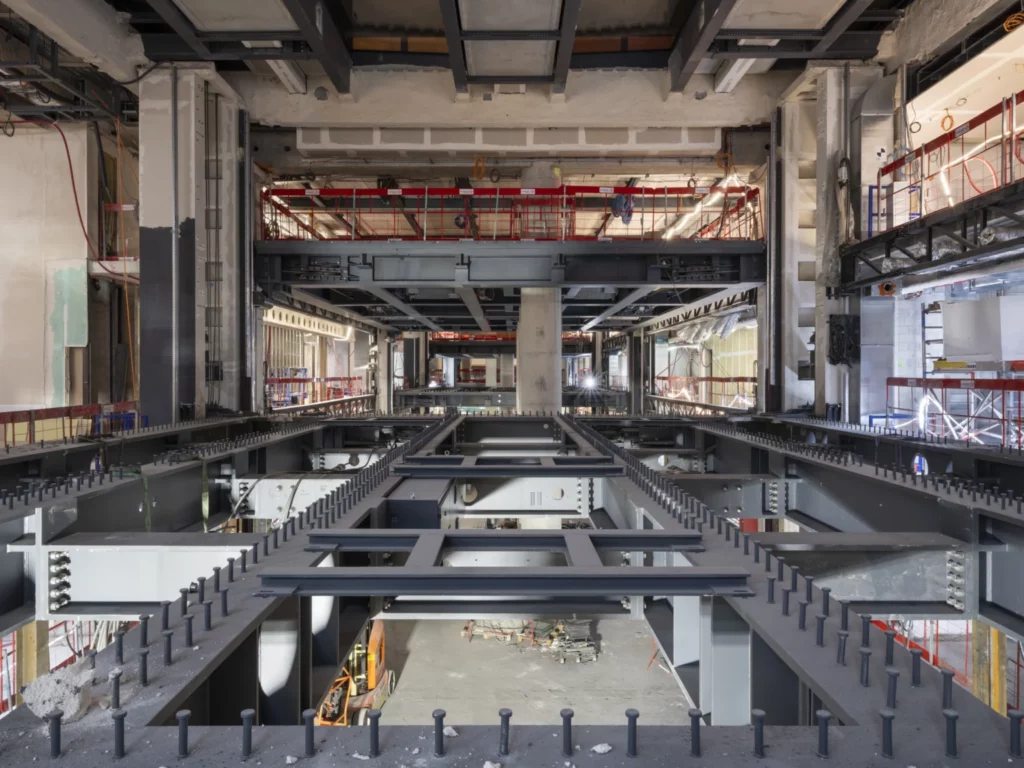
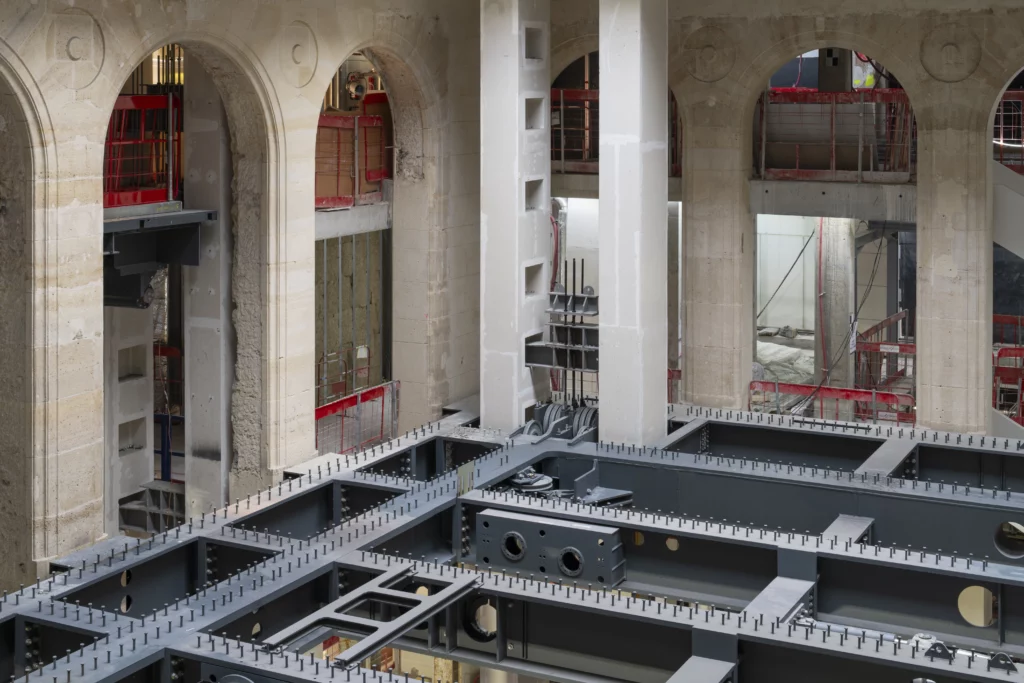
Interior view of the construction site of the Fondation Cartier at the Palais-Royal, revealing the monumental steel framework designed by Jean Nouvel — an architecture in motion at the heart of Paris. Photo © Martin Argyroglo

Inside the Monumental Steel Framework

Beneath the restored 19th-century arches, the interior unfolds like an industrial cathedral.
Suspended steel platforms float between pillars.
Every cable, beam and joint contributes to the silent choreography shaping the future museum.

Stone meets metal.
Weight meets flexibility.
Heritage meets mechanics.

Nouvel turns the former Louvre des Antiquaires into a raw, poetic machine — a building that exposes its anatomy as an artistic gesture.

View of the glass ceiling and adjustable walkways of the Fondation Cartier at the Palais-Royal, where Jean Nouvel orchestrates a dynamic play of light and space. Photo © Martin Argyroglo

Light, Movement and the Architecture of the Future

Nouvel did not rebuild a museum — he carved out an active void.
Light travels across steel surfaces, brushing raw pillars and slipping under glass ceilings.

At the heart of the design lies a radical idea:
the building is an instrument of perception.
A sculptural device revealing the sky, the material and the movement within.

Support independent publishing! Subscribe to ART MAG and receive each issue in advance, in both print and digital format
👉 Subcribe 6 issues / 1 year
👉 Offer ART MAG

View of the glass ceiling and adjustable walkways of the Fondation Cartier at the Palais-Royal, where Jean Nouvel orchestrates a dynamic play of light and space. Photo © Martin Argyroglo

Five Mobile Platforms: A World First

The Fondation Cartier becomes a transformable space composed of five massive steel platforms — machines capable of rising and descending to eleven different heights.

This allows the museum to reinvent its architecture for every exhibition, performance or installation:

  • monumental sculptures
  • theatre-based works
  • immersive environments
  • sensitive, intimate pieces

The building is no longer fixed; it responds to the art it hosts.

La Fondation Cartier pour l’art contemporain, 2 place du Palais-Royal, Paris.
© Jean Nouvel / ADAGP, Paris, 2025. Photo © Martin Argyroglo

An Industrial Cathedral Hidden Behind Haussmann Stone

Behind its discreet Parisian façade, the Fondation Cartier reveals a vast interior nave, illuminated by natural light visible from Rue de Rivoli.
The newly built volumes are crossed by bridges, vertical shafts of light, and suspended platforms that recall the rigging of a theatre.

Nouvel merges past and present into a single architectural gesture:
a cathedral of industry, tailored for contemporary art.

A Museum Designed to Evolve With Art

As the construction phase transitions toward completion, the industrial rigor softens: the glass roofs clear, the golden arches shine, and verticality returns.

Nouvel signs a manifesto for the museums of the 21st century:
a structure that adapts to artists, responds to exhibitions, and reshapes itself with the city.

Fondation Cartier pour l’art contemporain, 2 Place du Palais-Royal, Paris. © Jean Nouvel / ADAGP, Paris, 2025. Photo © Martin Argyroglo

A New Space for Encounters

The building also includes the Studio Marie-Claude Beaud, a 110-seat auditorium designed for talks, screenings and performances — extending the Fondation’s mission of dialogue between artists, curators and audiences.

👉 Read more in ART MAG: our focus on the Studio Marie-Claude Beaud

Practical Information

📍 Fondation Cartier pour l’art contemporain
2, Place du Palais-Royal, Paris 1st
🗓️ Opening: October 2025
🎨 Inaugural exhibition: Exposition Générale

👉 Read in ART MAG: Exposition Générale, the grand opening of the Fondation Cartier.

Support independent publishing! Subscribe to ART MAG and receive each issue in advance, in both print and digital format
👉 Subcribe 6 issues / 1 year
👉 Offer ART MAG

FAQ – Fondation Cartier Palais-Royal & Jean Nouvel’s Architecture

When does the new Fondation Cartier open?

In October 2025, at 2 Place du Palais-Royal, Paris 1st, facing the Louvre.
The inaugural exhibition Exposition Générale will present major works from forty years of contemporary creation.

Who designed the new building?

The architecture is by Jean Nouvel, renowned for the Louvre Abu Dhabi and the original Fondation Cartier building on Boulevard Raspail (1994).
He transformed the former Louvre des Antiquaires into a living, light-driven, transformable space.

What makes the project unique?

Its five movable steel platforms — a groundbreaking engineering system allowing infinitely variable exhibition layouts.

Why did the Fondation Cartier leave Boulevard Raspail?

To expand its capacity, scale, and architectural flexibility.
The Palais-Royal location offers a larger, more adaptable space at the heart of Paris.

How large is the building?

8,500 m² open to the public, including 6,500 m² of exhibition space, plus a bookstore, restaurant, auditorium and a 300 m² educational workshop (La Manufacture).

How does this architecture stand out in Paris?

By merging a 19th-century façade with a contemporary industrial core — a monumental, luminous interior visible from Rue de Rivoli.

Why is this project a turning point for Jean Nouvel?

Because it condenses his philosophy:
“We do not build a space; we build within space.”
It continues his vision of museums as emotional instruments, already seen in the Institut du Monde Arabe, the Quai Branly Museum and the Louvre Abu Dhabi.

What exhibitions will follow the opening?

The Fondation will host thematic exhibitions, performances, screenings, debates and cross-disciplinary projects linking art, science, architecture and live arts.

Where to follow Fondation Cartier updates?

On fondationcartier.com and the Fondation’s official social media.

Support independent publishing! Subscribe to ART MAG and receive each issue in advance, in both print and digital format
👉 Subcribe 6 issues / 1 year
👉 Offer ART MAG

Categories
Painting - Women artists

Flo Muliardo, “Les Enfants Rois”: When Art Restores the Dignity of Childhood

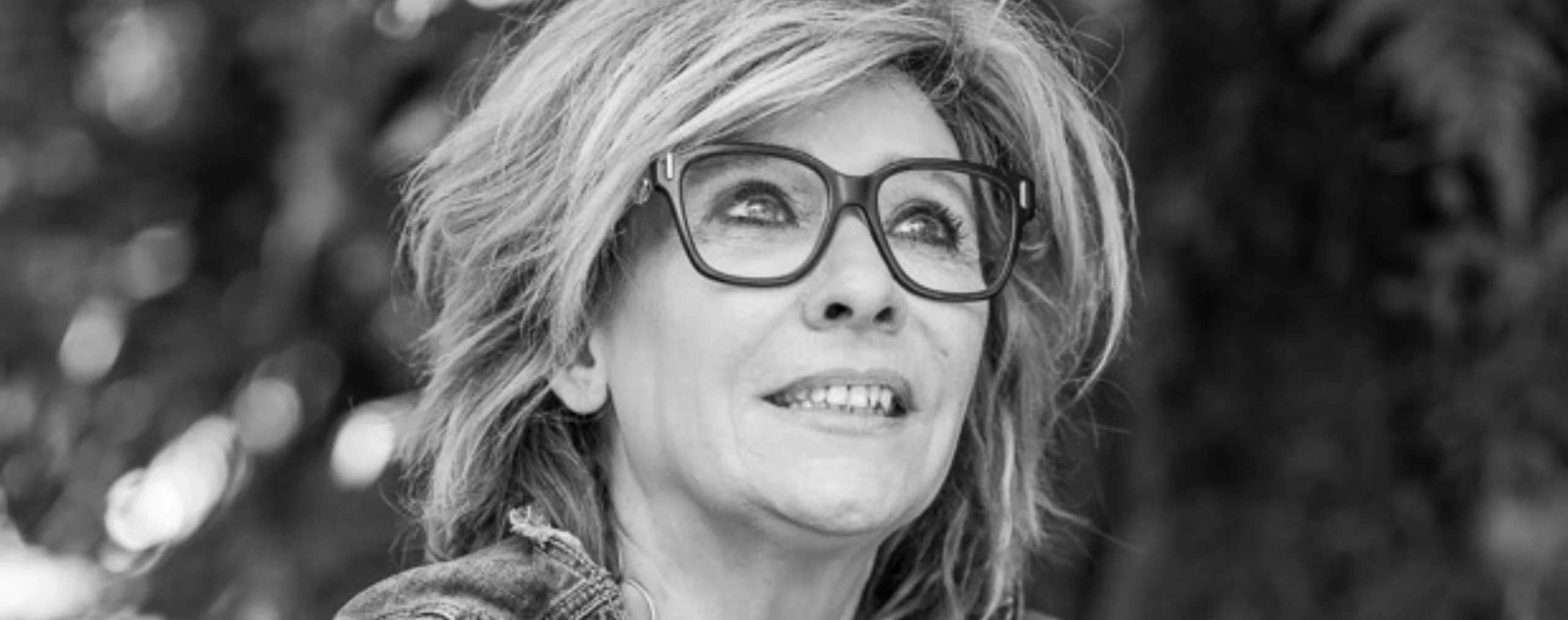
Portrait en noir et blanc de l’artiste contemporaine Flo Muliardo, regard tourné vers la lumière. Photographie illustrant son engagement auprès des enfants et la série Les Enfants Rois, présentée dans ART MAG.
Gilles Piel

Powerful portraits of children — not decorative ones

Crowns, bold colors, black outlines: in her series “Les Enfants Rois”, artist Flo Muliardo places the child at the center. Her paintings do not seek cuteness but dignity. Direct gazes, tight framing, vibrant backgrounds — everything is designed to create a true encounter.

👉 In ART MAG, she explains why she chose this frontal format and how drawing remains beneath the layers of paint.

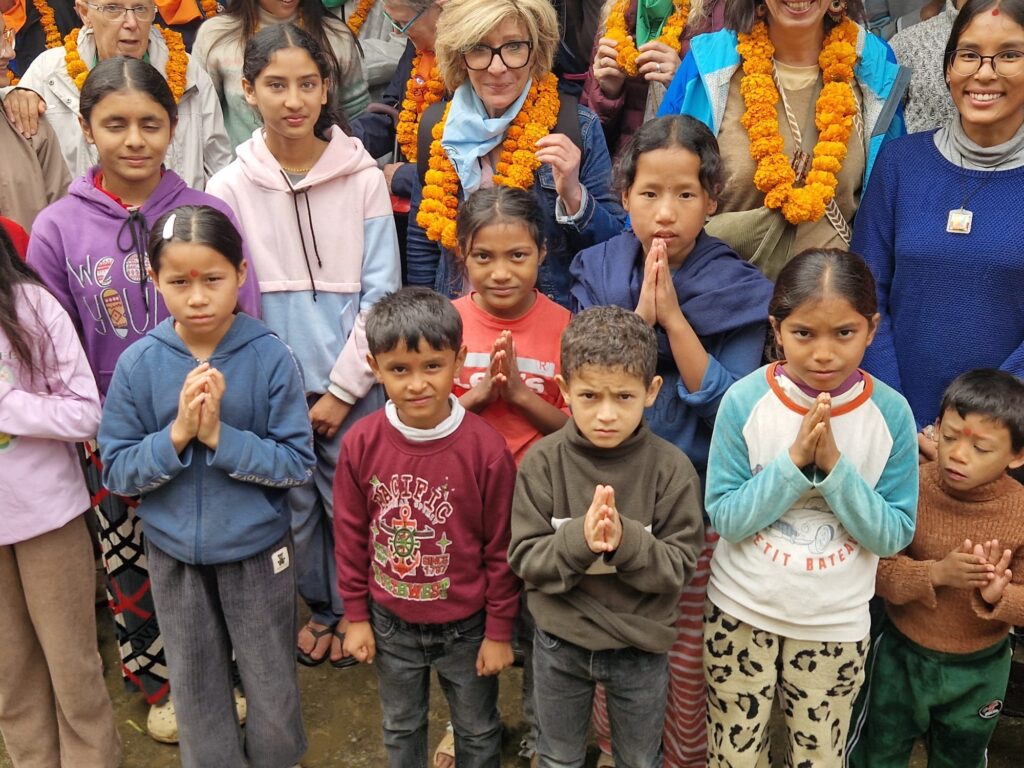
Flo Muliardo surrounded by children in Nepal during a visit with the association Les Enfants de Manasté. Photograph illustrating her human and artistic commitment for the series The Child Kings, featured in ART MAG.
Flo Muliardo surrounded by the children of the Namasté orphanage in Nepal

A journey to Nepal that nourishes her work

In November, Flo Muliardo will return to Nepal to work with the association Les Enfants de Namasté, which she has supported for several years. This month-long stay will allow her to paint “from life,” in close contact with the children.

👉 In the magazine, she reveals how this experience in the field directly shapes her pictorial series.

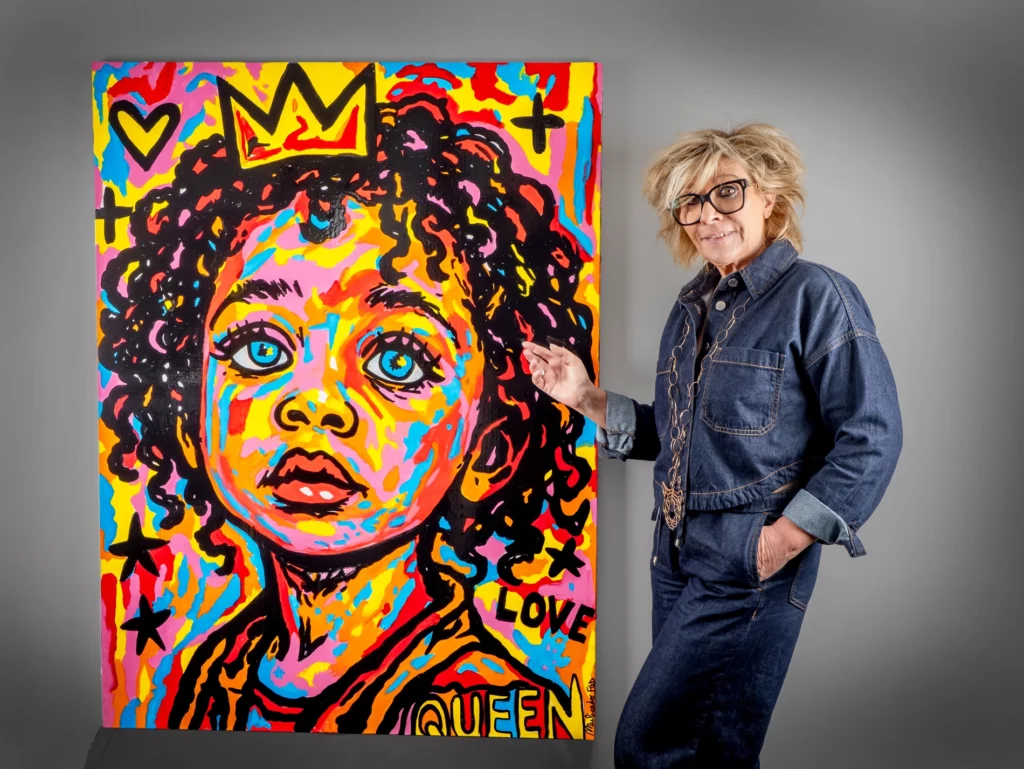
Artist Flo Muliardo poses beside one of her paintings from the series The Child Kings, depicting a young child with large blue eyes surrounded by vivid, contrasting colors — red, yellow, pink, and blue — crowned with the golden words LOVE and QUEEN. The scene reflects the artist’s expressive and colorful universe, celebrating the dignity and strength of childhood. ART MAG.
Flo Muliardo – 2025 © Gilles Piel

Crowns, tattoos, colors — a visual language

Crowns (a nod to Basquiat), tattoos, and a bright palette (pink, orange, blue) frequently appear in her work. These are not graphic effects — they are identity markers.

👉 Their origin, their intimate meaning, and their connection to her personal story are explored in detail in the full article in ART MAG.

A more intimate story emerges

Behind these proud portraits of children lies something deeply personal, which the artist evokes with great modesty. She does not display it on social media — and neither do we.
That discretion gives the series its truth: painting childhood as something to be protected.

👉 This emotional dimension is revealed only in the full version published in ART MAG.

Why we’re talking about it in ART MAG

Because this series coincides with her departure for Nepal, because it unites creation and commitment, and because it questions how we represent children today.
It’s a clear, essential, and contemporary body of work.

📩 Find the full article, exclusive interview, and visuals in ART MAG n°29.

Want to see more ?
👉 Order ART MAG N°29
👉 Subscribe to 6 issues / 1 year
👉 Give ART MAG as a gift
Categories
Inside the Art Market

Behind the Scenes of the Art Market: Understanding Art Pricing

Visiteurs observant une grande peinture dans un musée – illustration du dossier sur la cotation des artistes et la valeur des œuvres dans le marché de l’art.

Understanding Art Pricing: Between Fascination and Illusion

In a constantly shifting art market, the question of pricing stirs as much fascination as it does debate.
How is an artist’s value truly determined?
Behind the figures lie sales, exhibitions, and a network of influence, strategy, and recognition that defies any mathematical formula.

Pricing — A Misleading Mirror of the Market

In the backstage world of the art market, the word pricing is uttered like an incantation.
It reassures collectors, legitimizes galleries, and elevates artists. Yet this seemingly objective number conceals a far more complex reality.
The value of an artwork cannot be reduced to a price tag — it reflects an entire ecosystem of auctions, reputation, and speculation.

The Illusion of Numbers

Pricing gives the impression of scientific precision.
In truth, it is nothing more than a snapshot of the market at a given moment.
Public auctions — transparent yet occasional — offer visible benchmarks.
But what about private gallery sales, often conducted discreetly? Prices fluctuate, adapt, and are endlessly renegotiated.
👉 Pricing thus becomes a shifting average — more indicative than absolute.

A Social Mirror Above All

More than a financial tool, an artist’s pricing also reflects institutional and social recognition.
An artist exhibiting at a major international fair, joining a public collection, or receiving a glowing review will see their market value rise.
Conversely, a discreet yet talented artist may remain undervalued — until a new gaze, an exhibition, or a collector changes everything.

The Influence of Platforms: Between Transparency and Confusion

Artprice, Artnet, Akoun, Artmajeur…
These platforms now dominate the conversation about artistic value.
But their evaluation methods differ widely: some rely solely on public auctions, while others use algorithms or self-reported data.
The result? A diversity of prices — sometimes contradictory — that fosters both transparency and confusion.

Valem – Nude Woman with Necklace – 2002–2014 © Pierre-Yves Payet

Beyond the Numbers: The Emotional Value

Art has this unique power to transcend its market value.
A work moves, touches, or disturbs — regardless of its price.
Pricing, though useful as a benchmark, can never capture the intimate strength of creation.
It speaks the language of the market, not the language of the heart.

🗝️ In Summary: Pricing Is Only an Indicator

Pricing is neither a guarantee nor an absolute truth.
It is a tool — built by the market, influenced by recognition, and shaped by external perspectives.
While it guides collectors, it should never make us forget the essential truth:

A work’s worth lies first in what it makes us feel — before what it might cost.

Full Feature Available in ART MAG

Dive into our exclusive feature “Art Pricing: The Value of Art or the Art of Value?” in the new ART MAG No. 29.
Discover the hidden players of the market, the mechanics of auctions, and the new digital platforms reshaping the relationship between art and value.
We give you all the keys to truly understand how an artist’s price is built.

🎟️ Order your copy now at magazine-art-mag.com
and step behind the scenes of a world where every artwork tells a story far greater than its price.

Want to see more ?
👉 Subscribe to 6 issues / 1 year
👉 Give ART MAG as a gift
❓ FAQ — Understanding Art Pricing
What is an artist’s pricing?

An artist’s pricing represents an estimate of the market value of their works. It is based on auction results, exhibitions, institutional recognition, and sometimes private gallery sales.

How is an artist’s value calculated?

There is no universal formula.
Pricing depends on a mix of economic and symbolic factors: recent sales, exhibition frequency, reputation, critical reception, and collector demand.
Each platform (Artprice, Artnet, Akoun, etc.) uses its own methodology.

Why do different platforms show different prices?

Each platform relies on distinct databases and algorithms.
Some use only public auction data, while others include estimates or self-reported private sales.
That’s why it’s best to cross-check sources before assessing a work’s value.

Does pricing always reflect a work’s true value?

No. Pricing indicates market value, but not emotional, historical, or symbolic value.
A work can be undervalued despite its artistic power — or overvalued according to market trends.

Where can I read the full feature on art pricing?

The complete feature “Art Pricing: The Value of Art or the Art of Value?” appears in the new ART MAG No. 29, available in both print and digital editions at 👉 magazine-art-mag.com.

Want to see more ?
👉 Subscribe to 6 issues / 1 year
👉 Give ART MAG as a gift